
Fiery flying serpent
In its own language: שָׂרָף מְעוֹפֵף (sārāf mə‘ōfēf)
from Hebrew saraph, meaning fiery one or burning serpent
A biblical creature described as a venomous winged snake in the Book of Isaiah
The fiery flying serpent is a mythological animal from the Hebrew Bible. It appears in the Book of Isaiah as a symbol of threat and divine judgment against nations like Philistia.
- Mentioned in Isaiah 14:29 and 30:6
- Linked to the seraphim title saraph
- Bronze version called Nehushtan saved bitten victims
- Archaeological seals show four-winged cobras
- Identified by some as the saw-scale viper
What it is
The fiery flying serpent is a creature mentioned in the Tanakh. It is described as a viper that comes from the roots of another serpent. The text links it to the seraphim, which are celestial beings. The name translates to a burning or flying snake. It represents a dangerous force sent by God.
Where it comes from
The creature appears in the Book of Isaiah. Prophecies warn Philistia about its offspring. It is also listed among beasts in a land of trouble. Some scholars link the term saraph to the Hebrew word for burning. Archaeologists have found seals with winged cobras that may relate to this figure.
Tools and materials
Moses was instructed to make a bronze serpent on a pole. This object, called the Nehushtan, was used for healing. People who were bitten could look at it to live. This symbol resembles the Greek Rod of Asklepios.
Fiery flying serpent, drawn and placed
- Living
- Revived
- Fading
- Historical
- Legendary
- Performed
- Lineage
- Biblical mythology
What it is for
The serpent is associated with harm and death. In Numbers, it bites the Israelites in the wilderness. It serves as a punishment for speaking against authority. The bronze version serves to save lives after the bite.
Who does it
Scholars and archaeologists study this figure. Ronald Millett and John Pratt suggest it is the saw-scale viper. They note its habitat in rocky terrain. Other candidates include the desert horned viper.
Peoples and places
The text addresses the people of Philistia. It describes events involving the Israelites in the wilderness. Ancient Egyptian iconography influenced Israelite seals. Winged uraeus cobras appear on these artifacts.
At a glance: who, where and when
Peoples
Belief worlds

What people believe
The serpent is part of a divine plan. It acts as an instrument of judgment. The bronze image serves as a focal point for survival. The connection to seraphim suggests a link to heavenly fire.
How scholars and sceptics see it
Researchers debate the biological identity of the creature. Some identify it with specific venomous snakes found in the Arava Valley. Roman accounts describe red snakes that spring up high. The identification remains uncertain among experts.
Compare and confuse
It is related to the seraphim and the Nehushtan. The bronze serpent shares features with the Rod of Asklepios. It is distinct from general dragon myths but shares traits with feathered serpents.
Questions people ask about Fiery flying serpent
What is the fiery flying serpent?
It is a creature from the Book of Isaiah. The Hebrew name means fiery flying serpent. It is described as a venomous viper with wings.
Where does it come from?
It originates in the Hebrew Bible. The text mentions it in prophecies against Philistia and descriptions of the wilderness.
What is its purpose?
It is believed to bring harm through bites. It serves as a tool of divine judgment. A bronze image of it was used for healing.
Is it a real animal?
Scholars suggest it may be the saw-scale viper. Others propose the desert horned viper. The text treats it as a mythological entity.
Good reading and sources
The facts on this page come from the Wikipedia article "Fiery flying serpent", written by its contributors and used under the CC BY-SA 4.0 licence, and from its Wikidata record (CC0). EveryJaadu rewrote the text in its own words, with AI assistance, and compares every page with the article to make sure no passage is copied. It may be reused under the same CC BY-SA 4.0 licence with a link back.
It may contain mistakes. Names and customs differ from one community to the next, and some knowledge is closed to outsiders and left out here. This page describes belief and practice. It does not say that any of it works, it is not a how-to, and it is not medical advice. If something is wrong, tell us. Last refreshed 2026-10-07.
More from Israel
All the entries from Israel 🇮🇱 Israel and 1 moreShimon bar Yochaiשמעון בר יוחאי
A second-century sage of the Land of Israel and a central figure in Kabbalistic tradition.Figure · Power and authority Historical
🇮🇱 Israel and 1 moreShimon bar Yochaiשמעון בר יוחאי
A second-century sage of the Land of Israel and a central figure in Kabbalistic tradition.Figure · Power and authority Historical
 🇮🇱 Israel and 1 moreAzazelעזאזל
A desert place and fallen angel linked to the Yom Kippur scapegoat ritualFigure · Cursing and harm · Cleansing and purification Historical
🇮🇱 Israel and 1 moreAzazelעזאזל
A desert place and fallen angel linked to the Yom Kippur scapegoat ritualFigure · Cursing and harm · Cleansing and purification Historical
 🇪🇬 Egypt and 1 moreJannes and Jambresיניס וימבריס
Named Egyptian magicians who opposed Moses in biblical traditionFigure · Cursing and harm Historical
🇪🇬 Egypt and 1 moreJannes and Jambresיניס וימבריס
Named Egyptian magicians who opposed Moses in biblical traditionFigure · Cursing and harm Historical
 🇮🇱 IsraelWitch of Endorאֵ֥שֶׁת בַּֽעֲלַת־אֹ֖וב בְּעֵ֥ין דֹּֽור
A biblical spirit-diviner summoned by King Saul to consult the prophet Samuel.Figure · Speaking with spirits and the dead Legendary
🇮🇱 IsraelWitch of Endorאֵ֥שֶׁת בַּֽעֲלַת־אֹ֖וב בְּעֵ֥ין דֹּֽור
A biblical spirit-diviner summoned by King Saul to consult the prophet Samuel.Figure · Speaking with spirits and the dead Legendary
Related elsewhere
All figure 🇷🇸 Serbia and 5 moreVampire
An undead creature from folklore that feeds on the blood or life force of the livingBeing · Cursing and harm · Luck and prosperity Legendary
🇷🇸 Serbia and 5 moreVampire
An undead creature from folklore that feeds on the blood or life force of the livingBeing · Cursing and harm · Luck and prosperity Legendary
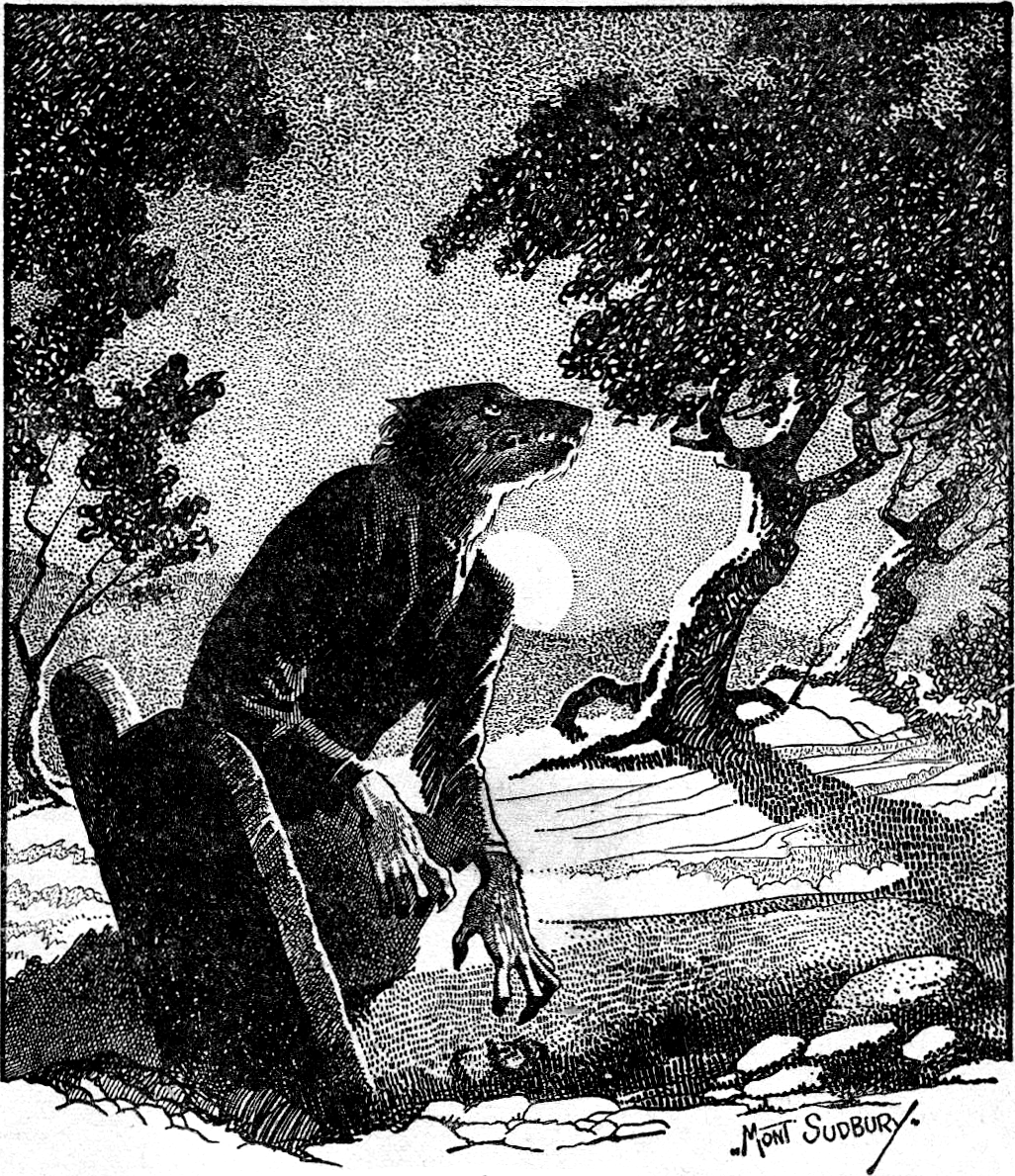 🇫🇷 France and 5 moreWerewolf
A mythical shapeshifter that turns into a wolf, central to European witch-hunts and Gothic horror.Being · Cursing and harm · Wonder and entertainment Legendary
🇫🇷 France and 5 moreWerewolf
A mythical shapeshifter that turns into a wolf, central to European witch-hunts and Gothic horror.Being · Cursing and harm · Wonder and entertainment Legendary
 🇪🇬 Egypt and 1 moreLilithלִילִית
A feminine figure from Mesopotamian and Jewish mythology, often depicted as a night demon or spirit.Being · Cursing and harm Legendary
🇪🇬 Egypt and 1 moreLilithלִילִית
A feminine figure from Mesopotamian and Jewish mythology, often depicted as a night demon or spirit.Being · Cursing and harm Legendary
 🇪🇬 EgyptCurse
A spoken wish for misfortune to befall a person or placeBelief · Cursing and harm · Luck and prosperity Historical
🇪🇬 EgyptCurse
A spoken wish for misfortune to befall a person or placeBelief · Cursing and harm · Luck and prosperity Historical