Folk and village custom: magic in this belief world
Rural and household beliefs that belong to no single organised religion.
Folk and village custom is the large body of belief and practice that belongs to no organised religion: the charm against the evil eye, the cure for warts, the fairy hawthorn, the household spirit, the lucky day. It is passed within families and communities and exists in every society. This page looks at how it is kept, who keeps it, and why it is both valued and dismissed. It is also called popular religion, vernacular religion or lived religion by scholars.
Keepers and settings
Keepers are often older women, farmers, midwives, shepherds and craftsmen. Settings are the house, field, well, crossroads and church porch. European cunning folk offered help for fees and kept charms and books. In many Asian and African villages the specialist is a healer, a diviner or a spirit medium working beside religion. The same grandmother may light a candle at church, tie a thread on a child and say a charm for a burn, and see no conflict between them.
Names and labels
The same thing carries many names: the evil eye is the nazar, mal de ojo and ayin hara. Folklorists collected such customs from the nineteenth century, sometimes as relics of a vanished past and sometimes as living culture. The label folk also marks class, since the term often implies rural, poor or uneducated, a bias that modern scholars try to avoid. Where the village has a wise woman or a bone-setter, the community knows what to ask of her and what she will refuse to do.
Religion, state and reform
Churches, mosques and temples have absorbed, tolerated and condemned folk practice in turn. States have banned it as backward: Chinese campaigns against superstition in the twentieth century closed local temples and shrines, and Soviet policy targeted village healers. At times governments have turned to it as national heritage, as in revived festivals across Europe and Asia. Historians and folklorists note that it often keeps old customs alive within newer religions, such as lighting fires at midsummer within Christian saints' days.
Change and commerce
Urban life and migration thin out folk knowledge, while heritage projects and the internet gather it. Customs reappear as products, such as protective charms in shops and festival tourism. Some folk practice carries harm: village accusation of witchcraft, treatments that delay medical care, and fees charged to relieve fear. Illness needs real medical care. In places with active heritage movements, folk custom has become a source of pride, and young people record songs and cures from grandparents before they are lost.
Folk and village custom on EveryJaadu
The entries written up so far, best known first.
 🇬🇧 United KingdomLoch Ness MonsterUilebheist Loch Nis
A legendary lake creature from the Scottish Highlands, famous for disputed photographs and folk tales.Being · Wonder and entertainment Legendary
🇬🇧 United KingdomLoch Ness MonsterUilebheist Loch Nis
A legendary lake creature from the Scottish Highlands, famous for disputed photographs and folk tales.Being · Wonder and entertainment Legendary
 🇩🇪 Germany and 1 moreEaster Bunny
A German folkloric hare that judges children and delivers colored eggs for EasterBeing · Luck and prosperity · Wonder and entertainment Living
🇩🇪 Germany and 1 moreEaster Bunny
A German folkloric hare that judges children and delivers colored eggs for EasterBeing · Luck and prosperity · Wonder and entertainment Living
 🇫🇷 France and 2 moreMelusineMélusine
A water spirit of French and Luxembourgish lore, known for her serpent form and the castles she built.Figure · Luck and prosperity · Power and authority Legendary
🇫🇷 France and 2 moreMelusineMélusine
A water spirit of French and Luxembourgish lore, known for her serpent form and the castles she built.Figure · Luck and prosperity · Power and authority Legendary
 🇨🇭 Switzerland and 3 moreTatzelwurm
A cat-headed lizard of the Alps, said to guard mines and drink cow milk.Being · Cursing and harm · Luck and prosperity Legendary
🇦🇱 Albania and 4 moreDhampir
A half-vampire figure from Balkan folklore who hunts the undeadBeing · Cursing and harm Legendary
🇨🇭 Switzerland and 3 moreTatzelwurm
A cat-headed lizard of the Alps, said to guard mines and drink cow milk.Being · Cursing and harm · Luck and prosperity Legendary
🇦🇱 Albania and 4 moreDhampir
A half-vampire figure from Balkan folklore who hunts the undeadBeing · Cursing and harm Legendary
 🇨🇭 Switzerland and 2 moreOrder of the Solar TempleOrdre du Temple solaire
A neo-Templar new religious movement responsible for mass deaths in the 1990s.Tradition · Cursing and harm Historical
🇨🇭 Switzerland and 2 moreOrder of the Solar TempleOrdre du Temple solaire
A neo-Templar new religious movement responsible for mass deaths in the 1990s.Tradition · Cursing and harm Historical
 🇸🇪 Sweden and 5 moreLindwormlindorm
A serpentine dragon of Northern and Central European folklore, often depicted as limbless or winged.Being · Luck and prosperity · Cursing and harm Legendary
🇸🇪 Sweden and 5 moreLindwormlindorm
A serpentine dragon of Northern and Central European folklore, often depicted as limbless or winged.Being · Luck and prosperity · Cursing and harm Legendary
 🇷🇺 Russia and 3 moreChortчёрт
A Slavic demon spirit with horns and hooves, known in folklore as a trickster or minor evil force.Being · Cursing and harm · Luck and prosperity Historical
🇷🇺 Russia and 3 moreChortчёрт
A Slavic demon spirit with horns and hooves, known in folklore as a trickster or minor evil force.Being · Cursing and harm · Luck and prosperity Historical
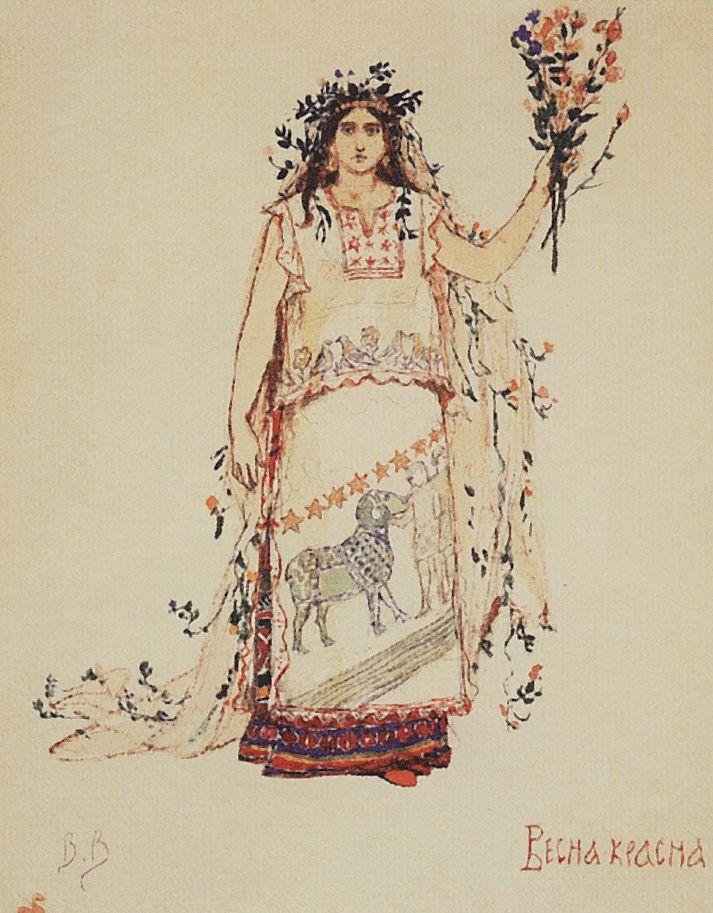 🇸🇮 Slovenia and 5 moreVesnaВесна
A Slavic personification of spring and youth, known in myth and languageFigure · Luck and prosperity Historical
🇸🇮 Slovenia and 5 moreVesnaВесна
A Slavic personification of spring and youth, known in myth and languageFigure · Luck and prosperity Historical
 🇷🇴 Romania and 2 moreStrixστρίξ
A classical bird of ill omen that evolved into a term for witches and vampires across Europe.Being · Cursing and harm · Luck and prosperity Historical
🇷🇴 Romania and 5 moreBalaur
A many-headed dragon from Romanian folklore that guards treasures and controls the weather.Being · Cursing and harm · Power and authority Legendary
🇷🇴 Romania and 2 moreStrixστρίξ
A classical bird of ill omen that evolved into a term for witches and vampires across Europe.Being · Cursing and harm · Luck and prosperity Historical
🇷🇴 Romania and 5 moreBalaur
A many-headed dragon from Romanian folklore that guards treasures and controls the weather.Being · Cursing and harm · Power and authority Legendary
 🇮🇪 Ireland and 4 moreFairy Queen
A female ruler of fairies found in folklore, literature, and witchcraft trials across Europe.Figure · Power and authority Historical
🇮🇪 Ireland and 4 moreFairy Queen
A female ruler of fairies found in folklore, literature, and witchcraft trials across Europe.Figure · Power and authority Historical
 🇵🇱 Poland and 3 moreStrzyga
A female demon in Polish folklore, linked to owls and vampiric traitsBeing · Cursing and harm · Protection Historical
🇷🇴 Romania and 2 moreZmeu
A humanoid dragon from Romanian folklore that kidnaps maidens and steals treasures.Being · Cursing and harm · Love and attraction Legendary
🇵🇱 Poland and 3 moreStrzyga
A female demon in Polish folklore, linked to owls and vampiric traitsBeing · Cursing and harm · Protection Historical
🇷🇴 Romania and 2 moreZmeu
A humanoid dragon from Romanian folklore that kidnaps maidens and steals treasures.Being · Cursing and harm · Love and attraction Legendary
 🇦🇱 Albania and 3 moreKulshedra
A multi-headed serpent demon in Albanian folklore that controls storms and droughts.Being · Cursing and harm · Luck and prosperity Legendary
🇷🇺 Russia and 4 moreFiery serpentsогненный змей
A pan-Slavic spirit of fire and wind, seen as a demon or a household helperBeing · Cursing and harm · Luck and prosperity Historical
🇦🇱 Albania and 3 moreKulshedra
A multi-headed serpent demon in Albanian folklore that controls storms and droughts.Being · Cursing and harm · Luck and prosperity Legendary
🇷🇺 Russia and 4 moreFiery serpentsогненный змей
A pan-Slavic spirit of fire and wind, seen as a demon or a household helperBeing · Cursing and harm · Luck and prosperity Historical
 🇷🇺 Russia and 1 moreBabayБабай
A night spirit in Slavic folklore used to frighten children into sleepingFigure · Cursing and harm Legendary
🇷🇺 Russia and 1 moreBabayБабай
A night spirit in Slavic folklore used to frighten children into sleepingFigure · Cursing and harm Legendary
 🇬🇧 United Kingdom and 2 moreJenny Greenteeth
A river-hag from English folklore used to warn children away from dangerous watersFigure · Cursing and harm Legendary
🇬🇧 United Kingdom and 2 moreJenny Greenteeth
A river-hag from English folklore used to warn children away from dangerous watersFigure · Cursing and harm Legendary
 🇬🇷 GreeceGelloΓελλώ
A Greek demon of infancy and a class of beings blamed for infant death.Being · Cursing and harm · Protection Historical
🇬🇷 GreeceGelloΓελλώ
A Greek demon of infancy and a class of beings blamed for infant death.Being · Cursing and harm · Protection Historical
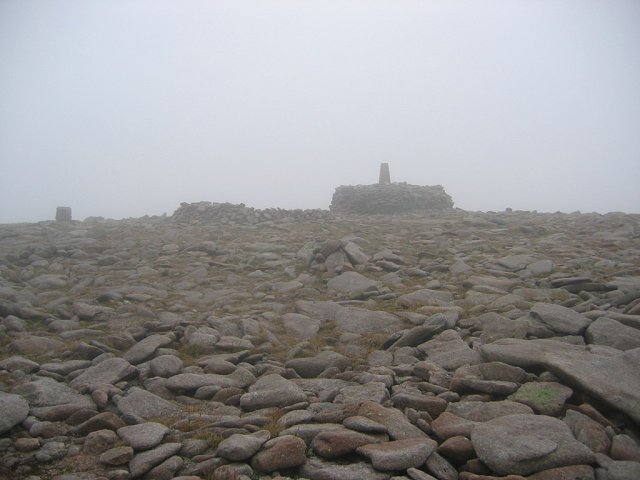 🇬🇧 United KingdomAm Fear Liath Mòr
A mountain spirit said to haunt the misty peaks of the Scottish CairngormsBeing Legendary
🇬🇧 United KingdomAm Fear Liath Mòr
A mountain spirit said to haunt the misty peaks of the Scottish CairngormsBeing Legendary
 🇮🇪 IrelandMerrowmurúch
A sea creature from Irish folklore, known for its magical cap and singing voice.Figure · Wonder and entertainment Legendary
🇮🇪 IrelandMerrowmurúch
A sea creature from Irish folklore, known for its magical cap and singing voice.Figure · Wonder and entertainment Legendary
 🇩🇪 Germany and 1 moreElwetritschElwedritsch
A chicken-like creature from German folklore that tames the fear of sleep paralysisBeing · Protection Living
🇩🇪 Germany and 1 moreElwetritschElwedritsch
A chicken-like creature from German folklore that tames the fear of sleep paralysisBeing · Protection Living
 🇷🇺 RussiaTriple-headed eagle
A heraldic and mythological bird with three heads, appearing in Russian symbolism and European manuscripts.Being · Power and authority Historical
🇷🇺 RussiaShishigaшишига
A female swamp spirit of Russian and Komi folklore that brings misfortune and death.Being · Cursing and harm Legendary
🇷🇺 RussiaTriple-headed eagle
A heraldic and mythological bird with three heads, appearing in Russian symbolism and European manuscripts.Being · Power and authority Historical
🇷🇺 RussiaShishigaшишига
A female swamp spirit of Russian and Komi folklore that brings misfortune and death.Being · Cursing and harm Legendary
 🇫🇷 France and 3 moreLes LavandièresKannerez-Noz
Supernatural washerwomen who wash shrouds or bloodstained clothes for those about to die.Being · Seeing and foretelling Legendary
🇫🇷 France and 3 moreLes LavandièresKannerez-Noz
Supernatural washerwomen who wash shrouds or bloodstained clothes for those about to die.Being · Seeing and foretelling Legendary
 🇬🇧 United KingdomBoobrie
A shapeshifting loch monster from Scottish folklore that preys on livestock and horses.Being · Cursing and harm Legendary
🇬🇧 United Kingdom and 1 moreThirteen Treasures of the Island of BritainTri Thlws ar Ddeg Ynys Prydain
A collection of magical objects from late-medieval Welsh legendText · Wonder and entertainment Historical
🇬🇧 United KingdomBoobrie
A shapeshifting loch monster from Scottish folklore that preys on livestock and horses.Being · Cursing and harm Legendary
🇬🇧 United Kingdom and 1 moreThirteen Treasures of the Island of BritainTri Thlws ar Ddeg Ynys Prydain
A collection of magical objects from late-medieval Welsh legendText · Wonder and entertainment Historical
 🇷🇺 Russia and 7 moreOgnyena MariaОгнена Марија
A Slavic fire goddess linked to lightning, rain, and seasonal fire bansFigure · Protection · Healing Living
🇷🇸 SerbiaCikavacцикавац
A winged creature from Serbian folklore that fetches honey and milk for its ownerBeing · Luck and prosperity · Power and authority Legendary
🇵🇱 PolandTopielec
A Slavic water spirit of the drowned dead that pulls victims into lakes.Being · Cursing and harm Historical
🇷🇴 RomaniaZână
A Romanian woodland spirit linked to Diana that guides travelers and blesses children.Being · Protection · Luck and prosperity Legendary
🇷🇺 Russia and 7 moreOgnyena MariaОгнена Марија
A Slavic fire goddess linked to lightning, rain, and seasonal fire bansFigure · Protection · Healing Living
🇷🇸 SerbiaCikavacцикавац
A winged creature from Serbian folklore that fetches honey and milk for its ownerBeing · Luck and prosperity · Power and authority Legendary
🇵🇱 PolandTopielec
A Slavic water spirit of the drowned dead that pulls victims into lakes.Being · Cursing and harm Historical
🇷🇴 RomaniaZână
A Romanian woodland spirit linked to Diana that guides travelers and blesses children.Being · Protection · Luck and prosperity Legendary
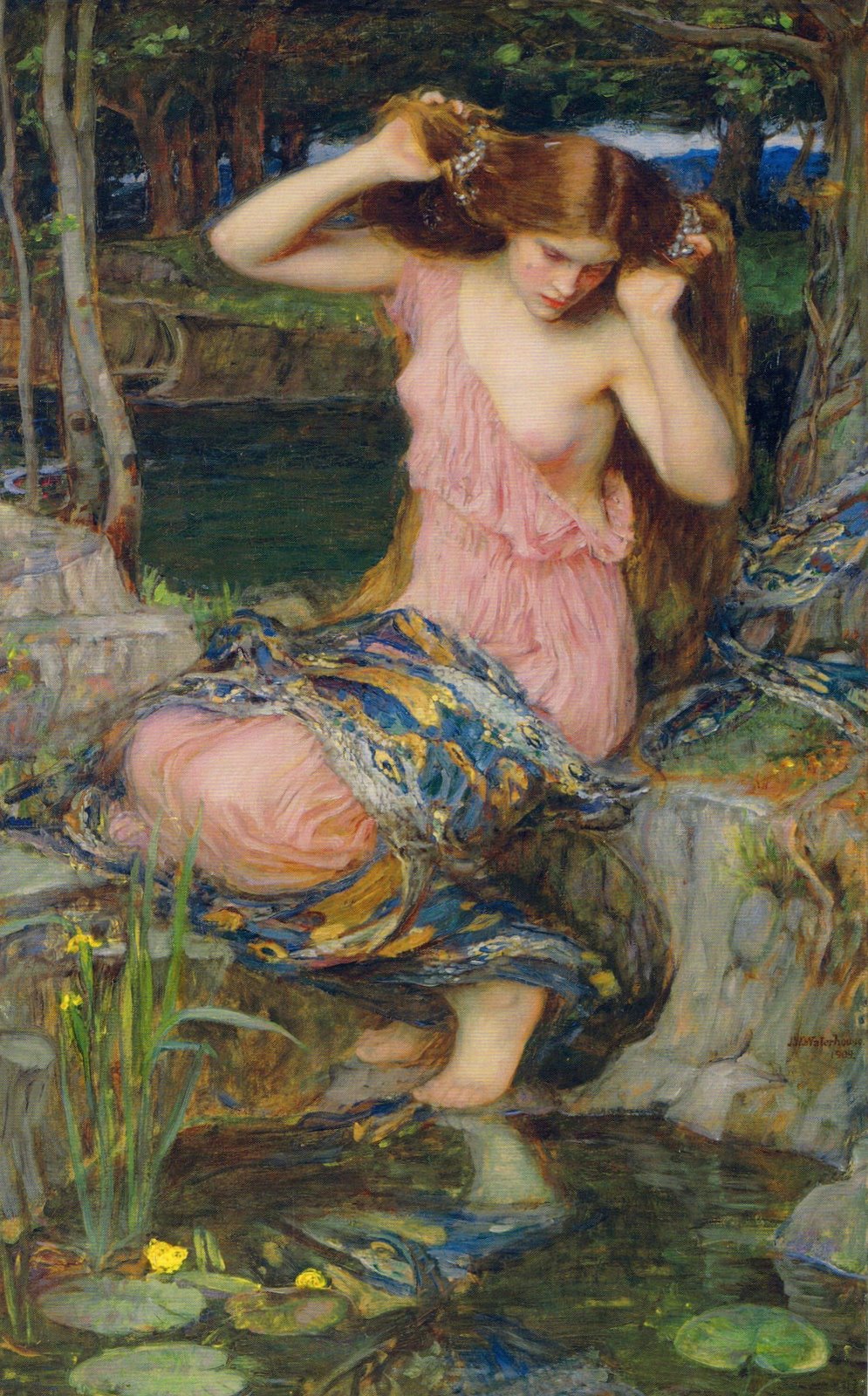 🇪🇸 SpainAnjanaanˈhana / an.xa.nɜ
Cantabrian fairies who protect forests and bring gifts to children.Being · Protection · Luck and prosperity Historical
🇮🇹 Italy and 1 moreCola Pesce
An Italian merman legend about a boy cursed by his mother to live in the seaFigure · Cursing and harm · Seeing and foretelling Historical
🇪🇸 SpainAnjanaanˈhana / an.xa.nɜ
Cantabrian fairies who protect forests and bring gifts to children.Being · Protection · Luck and prosperity Historical
🇮🇹 Italy and 1 moreCola Pesce
An Italian merman legend about a boy cursed by his mother to live in the seaFigure · Cursing and harm · Seeing and foretelling Historical
 🇸🇪 Sweden and 1 moreSkogsrå
A forest spirit in Swedish folklore who appears as a beautiful woman but hides a hollow back and animal feet.Being · Luck and prosperity · Cursing and harm Legendary
🇸🇪 Sweden and 1 moreSkogsrå
A forest spirit in Swedish folklore who appears as a beautiful woman but hides a hollow back and animal feet.Being · Luck and prosperity · Cursing and harm Legendary
 🇩🇪 Germany and 3 moreWiedergänger
A German term for a revenant or ghost that returns to the world of the living.Being · Cursing and harm Historical
🇩🇪 Germany and 3 moreWiedergänger
A German term for a revenant or ghost that returns to the world of the living.Being · Cursing and harm Historical
 🇷🇴 Romania and 1 moreSânziană
Romanian fairies and a summer solstice festival of flowers and magicBeing · Protection · Love and attraction Living
🇷🇴 RomaniaCăpcăun
A Romanian ogre with a dog head known for kidnapping children and eating peopleBeing · Cursing and harm Legendary
🇷🇺 Russia and 1 moreLikhoradkaЛихорадка
A fever spirit in Slavic myth who brings illness and sicknessBeing · Cursing and harm Legendary
🇷🇴 Romania and 1 moreSânziană
Romanian fairies and a summer solstice festival of flowers and magicBeing · Protection · Love and attraction Living
🇷🇴 RomaniaCăpcăun
A Romanian ogre with a dog head known for kidnapping children and eating peopleBeing · Cursing and harm Legendary
🇷🇺 Russia and 1 moreLikhoradkaЛихорадка
A fever spirit in Slavic myth who brings illness and sicknessBeing · Cursing and harm Legendary
 🇮🇹 ItalyAnguane
Cloven-footed water nymphs from Northern Italian folklore who nurse infants with their backs.Being · Love and attraction · Healing Legendary
🇮🇹 ItalyAnguane
Cloven-footed water nymphs from Northern Italian folklore who nurse infants with their backs.Being · Love and attraction · Healing Legendary
 🇩🇪 Germany and 4 moreNight ravennattravn
A nocturnal creature of European folklore, feared as a child-stealer or seen as a ghost in bird form.Being · Cursing and harm Historical
🇩🇪 Germany and 4 moreNight ravennattravn
A nocturnal creature of European folklore, feared as a child-stealer or seen as a ghost in bird form.Being · Cursing and harm Historical
 🇫🇷 France and 1 moreDusios
A Gaulish spirit type later classified as an incubus demon by early Christian writersBeing · Cursing and harm · Power and authority Historical
🇬🇧 United KingdomTrow
Nocturnal spirits of the Orkney and Shetland islands, known for mischief and musical abduction.Being · Cursing and harm · Wonder and entertainment Historical
🇫🇷 France and 1 moreDusios
A Gaulish spirit type later classified as an incubus demon by early Christian writersBeing · Cursing and harm · Power and authority Historical
🇬🇧 United KingdomTrow
Nocturnal spirits of the Orkney and Shetland islands, known for mischief and musical abduction.Being · Cursing and harm · Wonder and entertainment Historical
 🇮🇹 ItalyScrofa semilanuta
A legendary sow seen in a dream that became the ancient emblem of Milan.Figure · Wonder and entertainment · Seeing and foretelling Historical
🇸🇪 SwedenAskafroa
A Scandinavian tree spirit believed to guard the ash and demand appeasement.Being · Cursing and harm · Protection Legendary
🇮🇹 ItalyMonacielloMunaciello
A Neapolitan sprite linked to the city's underground waterways and hidden wealth.Figure · Luck and prosperity · Cursing and harm Legendary
🇮🇹 ItalySquasc
A small, tawny creature from Eastern Lombardy folklore that frightens children and plays jokes on young girlsBeing · Cursing and harm · Wonder and entertainment Legendary
🇮🇹 ItalyScrofa semilanuta
A legendary sow seen in a dream that became the ancient emblem of Milan.Figure · Wonder and entertainment · Seeing and foretelling Historical
🇸🇪 SwedenAskafroa
A Scandinavian tree spirit believed to guard the ash and demand appeasement.Being · Cursing and harm · Protection Legendary
🇮🇹 ItalyMonacielloMunaciello
A Neapolitan sprite linked to the city's underground waterways and hidden wealth.Figure · Luck and prosperity · Cursing and harm Legendary
🇮🇹 ItalySquasc
A small, tawny creature from Eastern Lombardy folklore that frightens children and plays jokes on young girlsBeing · Cursing and harm · Wonder and entertainment Legendary
 🇫🇷 FranceYan-gant-y-tan
A Breton demon who carries five candles and is said to bring bad luck.Being · Cursing and harm · Wonder and entertainment Historical
🇫🇷 FranceYan-gant-y-tan
A Breton demon who carries five candles and is said to bring bad luck.Being · Cursing and harm · Wonder and entertainment Historical
Photo credits on this page
The small pictures above come from Wikimedia Commons under free licences. Some are cropped to fit.
- Boobrie: Ole Worm - Olaus Wormius, Public domain, source
- Ognyena Maria: Unknown author, Public domain, source
- Order of the Solar Temple: George Stock derivative work: thumperward ( talk ), Public domain, source
- Xana: John William Waterhouse, Public domain, source
- Fairy: Henry Fuseli, Public domain, source
- Loch Ness Monster: StaraBlazkova at Czech Wikipedia, CC BY-SA 3.0, source
- Easter Bunny: Dr. Bernd Gross, CC BY-SA 3.0, source
- Melusine: GilPe, CC BY-SA 3.0, source
- Tatzelwurm: Abrasax, CC BY-SA 3.0 de, source
- Lindworm: Unknown author, Public domain, source
- Vesna: Viktor Vasnetsov, Public domain, source
- Strix: Prosthetic Head, CC BY-SA 4.0, source
- Strzyga: Filip Gutowski, CC BY-SA 4.0, source
- Kulshedra: Bidgee, CC BY 3.0, source
- Babay: Kyoukaa, CC BY-SA 4.0, source
- Gello: Filippino Lippi, Public domain, source
- Jenny Greenteeth: Jayan.thanal, CC BY-SA 4.0, source
- Elwetritsch: AnRo0002, CC0, source
- Merrow: Andreas F. Borchert, CC BY-SA 4.0, source
- Skogsrå: Gunnar Creutz (Achird), CC BY-SA 3.0, source
- Wiedergänger: Unknown author, Public domain, source
- Scrofa semilanuta: M.casanova, CC BY-SA 4.0, source
- Yan-gant-y-tan: Louis Le Breton, Public domain, source
- Night raven: Kim Diaz Holm (den unge herr Holm), CC BY 4.0, source
- Dusios: Eric Hunt, CC BY-SA 2.5, source
- Chort: Unknown author, Public domain, source
- Am Fear Liath Mòr: Richard Webb, CC BY-SA 2.0, source
- Anguane: Elena Alexandrina Bednarik, Public domain, source
- Les Lavandières: Jean-Édouard Dargent, Public domain, source
- Sânziană: Saturnian, CC BY-SA 3.0, source
- Triple-headed eagle: Неизвестный автор. (фото обложки сборника: Александр Храмов), Public domain, source