Scholars and sceptics
Anthropologists, historians and investigators who study magic and test its claims.
Scholars and sceptics are the people who study magic from outside the practice: anthropologists, historians, folklorists, psychologists, scholars of religion and investigators who test claims. They have names such as E. E. Evans-Pritchard, Marcel Mauss, Bronislaw Malinowski, Mary Douglas, Keith Thomas and Carlo Ginzburg, and also investigators such as James Randi. This page covers what they have found, how they disagree, and what their work has cost and changed. Their work has changed how the whole subject is understood.
Early theories
Nineteenth-century writers such as James Frazer treated magic as a mistaken early science, a view now widely rejected as arrogant and inaccurate. Later anthropologists, including Evans-Pritchard in his 1937 study of the Azande, showed that magical belief can be a consistent way of reasoning about misfortune. Mauss and Malinowski stressed its social role. Fieldwork, archives, laboratory studies and surveys are their main methods, and each field has its own debates and schools.
The history of witch trials
Historians have revised their view of the witch trials. Keith Thomas and Alan Macfarlane studied English village accusations, Carlo Ginzburg found the benandanti in Friuli, and Ronald Hutton has argued about the numbers and causes, and Silvia Federici links the persecution to the rise of capitalism, a thesis historians dispute. The older figure of nine million victims has been dropped, and estimates now run to tens of thousands of executions.
Testing claims
Sceptics test whether claims hold up. James Randi offered a prize for evidence of paranormal power that was never won, and organisations such as the Committee for Skeptical Inquiry investigate fraud. Researchers study why people believe: pattern-seeking, uncertainty and the wish to control events. The best sceptics aim to understand people, not to mock them. Sceptics hold that claims should be tested, and they have a long record of exposing cases such as spirit photography and fake healers.
Ethics of study
Scholars were often colonial officials or missionaries, and their reports shaped how Indigenous religions were named. Contemporary researchers work with communities, ask consent and respect closed knowledge. Practitioners sometimes object to being explained, and sceptics sometimes to being called closed-minded. The conversation continues, and this guide aims to stay neutral on whether magic works. Their critics reply that science cannot measure everything that matters to a community, and that explaining a ritual away is not the same as understanding it.
Scholars and sceptics on EveryJaadu
The entries written up so far, best known first.
 🇺🇸 United States and 5 moreSatanism
A modern set of beliefs using the figure of Satan as a symbol or deity.Tradition · Power and authority · Cursing and harm Living
 🇮🇳 IndiaLeft-Hand and Right-Hand Paths
Two distinct orientations in occult magic, dividing taboo-breaking from orthodoxy.Tradition · Change and initiation · Power and authority Living
 🇬🇧 United KingdomEnglish folklore
The myths, legends, and customs of England passed down through generations.Tradition · Protection · Cursing and harm Living
🇮🇳 India and 1 moreDaayan
A vengeful female spirit from Indian folklore, often blamed for misfortune and violence.Being · Cursing and harm Living
 🇯🇵 Japan and 1 moreOni鬼(おに)
A horned demon of Japanese folklore known for strength and evil, later softened into a symbol of fortune.Being · Protection · Cursing and harm Living
 🇦🇺 AustraliaRainbow Serpent
A creator spirit of water and land in Aboriginal Australian mythologyBeing · Healing · Cursing and harm Living
 🇫🇮 Finland and 5 moreMolybdomancy
A divination method using molten metal poured into water to read omensRite · Seeing and foretelling · Cursing and harm Living
 🇬🇧 United Kingdom and 3 moreJack
A trickster hero from English folklore who outwits giants and oppressorsFigure · Cursing and harm · Luck and prosperity Living
 🇨🇦 CanadaNanabozhoᓇᓇᐳᔓ
A shapeshifting spirit and trickster in Anishinaabe storytelling from North AmericaBeing · Cursing and harm · Power and authority Living
🇬🇧 United KingdomWiccan Rede
A moral guideline for Wiccans stating that actions should cause no harm.Text · Cursing and harm Living
🇵🇪 Peru and 1 morePishtacoñañaq; kharisiri
An Andean bogeyman said to steal human fat for oil and medicineBeing · Cursing and harm · Power and authority Living
 🇪🇬 Egypt and 1 moreQareenقرين
A spiritual companion or double assigned to every human in Islamic beliefBeing · Cursing and harm · Power and authority Living
🇧🇷 Brazil and 1 moreSaciSaci-pererê
A one-legged prankster of Brazilian folklore who hides in dust devils and wears a magic red cap.Figure · Luck and prosperity · Cursing and harm Living
🇹🇹 Trinidad and Tobago and 5 moreSoucouyant
A shape-shifting vampire spirit of Caribbean folklore that sheds its skin to fly as a fireballBeing · Cursing and harm Living
 🇱🇰 Sri LankaMara
A Buddhist figure representing the forces that block spiritual awakening and keep beings trapped in rebirth.Being · Cursing and harm · Binding and oaths Living
🇯🇲 Jamaica and 3 moreDuppy
A Caribbean term for a ghost or malevolent spirit, rooted in West African folklore.Being · Cursing and harm · Luck and prosperity Living
🇮🇱 Israel and 1 moreTerritorial spirit
A belief that demons or angels rule over specific lands and nations.Belief · Cursing and harm · Power and authority Living
 🇮🇱 Israel and 1 moreUnclean spiritπνεῦμα ἀκάθαρτον (pneuma akatharton)
A spirit of impurity in biblical belief, driven out by breath, smoke and wordsBeing · Cleansing and purification · Cursing and harm Living
 🇮🇳 India and 1 moreDamnation
A state of divine punishment or separation from the sacred after deathBelief · Cursing and harm Living
 🇩🇪 Germany and 5 moreWitchcraft accusations against children
Historical and modern persecution of children blamed for witchcraftBelief · Cursing and harm Living
 🇭🇹 Haiti and 5 moreLoogaroo
A shapeshifting vampire of Caribbean folklore, feared for its blood-drinking habits.Being · Cursing and harm Living
🇮🇳 IndiaBaakবাক
A shapeshifting water spirit from Assamese folklore that mimics humans and fears torn nets.Being · Cursing and harm · Wonder and entertainment Living
 🇬🇧 United Kingdom and 2 moreOrder of Nine Angles
A British Satanic network linked to neo-Nazism and violent extremismTradition · Cursing and harm · Power and authority Living
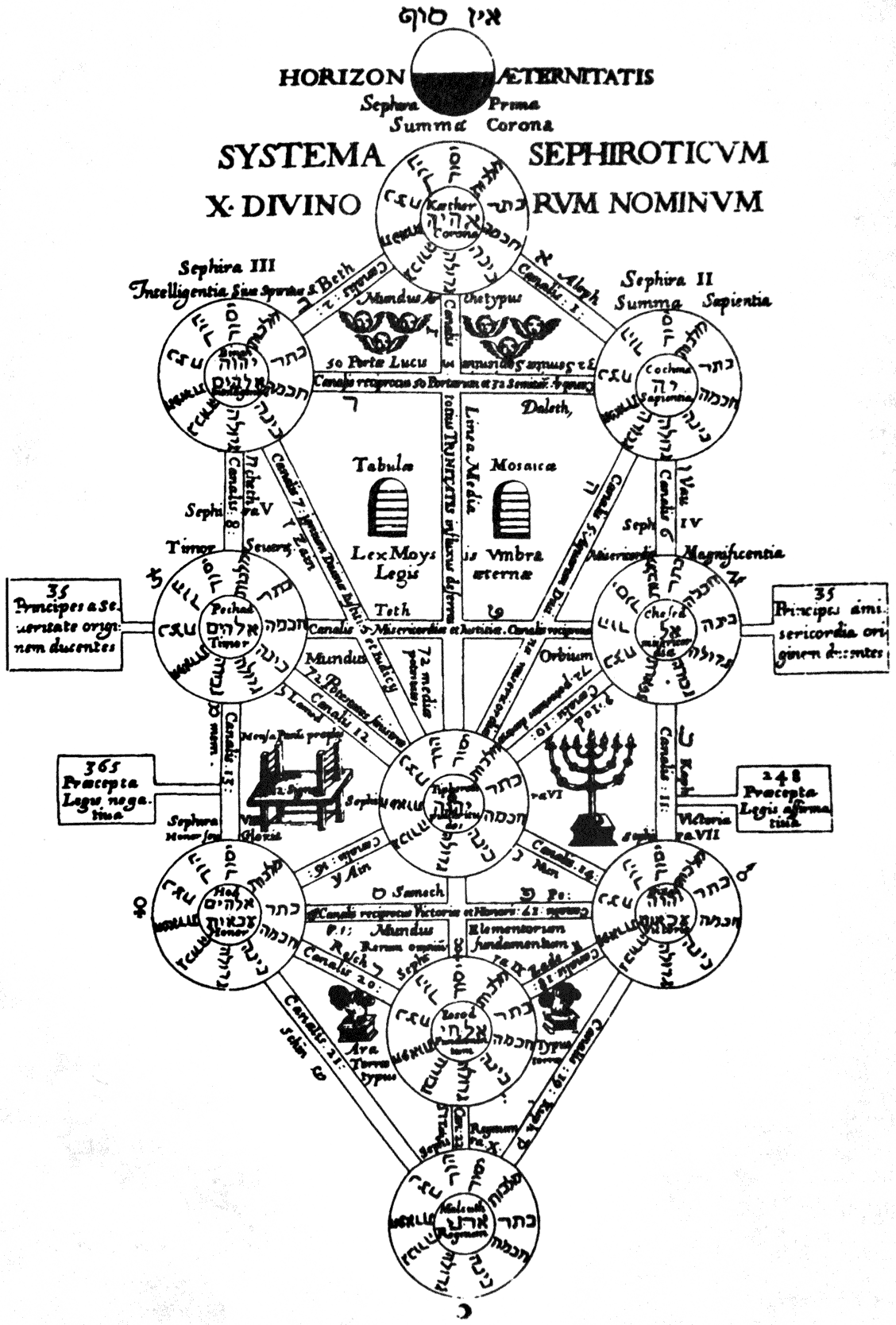 🇺🇸 United StatesChristian views on magic
A spectrum of Christian beliefs about magical practices, ranging from strict condemnation to esoteric integration.Belief · Cursing and harm · Protection Living
🇯🇵 JapanHasshaku-sama八尺様
A giant ghost-lady from Japanese internet folklore who hunts children in the countryside.Belief · Cursing and harm Living
🇺🇸 United StatesPlastic shaman
A label for imposters who sell fake Indigenous spiritual practices for profitBelief · Cursing and harm Living
🇨🇲 CameroonNyongo society
A witch legend from Cameroon used to explain sudden wealth and unexplained deathBelief · Cursing and harm · Luck and prosperity Living
🇺🇸 United States and 1 moreMammon in popular culture
The personification of wealth and greed across stories, games, and media.Figure · Power and authority · Cursing and harm Living
🇧🇿 Belize and 3 moreSisimito
A bipedal cryptid of Central American folklore, said to live in the mountains and caves.Figure · Cursing and harm · Wonder and entertainment Living
🇬🇧 United Kingdom and 1 moreSuperman curse
An urban legend linking misfortunes to actors and creators in Superman adaptationsBelief · Cursing and harm Living
🇧🇷 Brazil and 2 moreCaiporaCaapora
A Brazilian forest spirit that guards game and tests hunters with bribes or terrorBeing · Protection · Cursing and harm Living
 🇮🇳 IndiaKroniகுறோணி
A primordial evil spirit in Ayyavazhi mythology, split into fragments across ages.Being · Cursing and harm Living
 🇮🇸 IcelandYule catJólakötturinn
A giant feline from Icelandic folklore that threatens those without new Christmas clothesFigure · Cursing and harm Living
 🇺🇸 United States and 3 moreFortune telling fraud
A confidence trick where a grifter invents a curse to extract money from a vulnerable client.Belief · Cursing and harm Living
Photo credits on this page
The small pictures above come from Wikimedia Commons under free licences. Some are cropped to fit.
- Shamanism in Ayyavazhi: Vaikunda Raja, CC BY-SA 3.0, source
- English folklore: J. R. Skelton, Public domain, source
- Theistic Satanism: Alexandre Cabanel, Public domain, source
- Nanabozho: D. Gordon E. Robertson, CC BY-SA 3.0, source
- Damnation: Didier Descouens, Public domain, source
- Qareen: عامر شاہین, CC BY-SA 3.0, source
- Rainbow Serpent: unknown (as drawn by an Aboriginal), Public domain, source
- Jack: Internet Archive Book Images, No restrictions, source
- Witchcraft accusations against children: Radbot, CC BY-SA 3.0, source
- Baphomet: Eliphas Levi, Public domain, source
- Loogaroo: A.F.Pannemaker, Public domain, source
- Order of Nine Angles: Unknown author, CC BY 4.0, source
- Oni: Katsushika Hokusai 葛飾北斎 (1760-1849), Public domain, source
- Christian views on magic: Athanasius Kircher, Public domain, source
- Mara: Under the Bo, CC BY-SA 3.0, source
- Yule cat: Christine Rondeau, CC BY 2.0, source
- Molybdomancy: Micha L. Rieser, Attribution, source
- Fortune telling fraud: Simon Vouet, Public domain, source
- Unclean spirit: David Shankbone, CC BY-SA 3.0, source