Hasshaku-sama
In its own language: 八尺様
from Japanese hachishaku, meaning eight feet tall
A giant ghost-lady from Japanese internet folklore who hunts children in the countryside.
Hasshaku-sama is a modern Japanese urban legend about an eight-foot-tall female spirit. She first appeared on textboards in 2008 and is said to stalk isolated rural areas at night, targeting young children with lethal curses.
- First posted on a Japanese textboard in August 2008.
- Described as an eight-foot-tall woman in a one-piece dress.
- Makes a 'po po po' sound when appearing.
- Targets children in isolated rural areas at night.
- Protected against by salt and talismans in sealed rooms.
What it is
Hasshaku-sama is a contemporary figure in Japanese horror culture, described as a gigantic woman standing approximately eight feet tall. She wears a simple one-piece dress and often a hat. The entity makes a distinct 'po po po' sound when she appears. Stories say her age and clothing shift depending on who sees her. She is considered a dangerous spirit that targets young boys and girls in remote locations.
Where it comes from
The character emerged from online textboard discussions in Japan. The earliest known post appeared on August 26, 2008, on a channel called 2channel. The story was shared on a board dedicated to collecting terrifying tales. It quickly gained traction as a fictional urban legend, becoming a staple of modern digital folklore without any roots in traditional historical records.
How it is done
Legends describe the spirit hunting in isolated villages, fields, or mountain roads during the night. Victims are usually cursed upon encounter and do not survive past dawn. To escape her, one must hide in a sealed room protected by talismans and surrounded by piles of salt. The spirit attempts to lure victims out by mimicking voices and knocking on windows, requiring absolute resistance until morning.
Tools and materials
Protection relies on specific materials and barriers. Talismans are placed within the safe room to ward off the entity. Large amounts of salt are piled around the perimeter to create a defensive boundary. Jizo statues are also mentioned as capable of trapping the spirit within a specific geographical zone, offering a different form of containment.
Hasshaku-sama, drawn and placed
- Living
- Revived
- Fading
- Historical
- Legendary
- Performed
- Lineage
- modern Japanese urban legend
- Timing
- at night or in the evening
What it is for
The figure serves as a source of fear and caution in modern storytelling. She is believed to hunt specifically for children in lonely places. The narrative reinforces a sense of danger in rural isolation. Scholars view her as a reflection of contemporary anxieties about safety and the unknown in changing landscapes.
Who does it
No formal practitioners exist. The legend is maintained by internet users and storytellers. Scholars analyze the figure as a cultural artifact. The stories are shared anonymously online, evolving through collective participation rather than guided ritual or specialized training.
Peoples and places
The legend is distinctly Japanese, originating from Japan's digital communities. It draws comparisons to older folk figures like Yama-onna, a mountain woman from traditional tales. This connection highlights how modern fears often reinterpret ancient supernatural archetypes for a new generation.
At a glance: who, where and when
What people believe
The entity represents a blend of traditional yokai concepts and modern horror tropes. She is seen as a malevolent force that cannot be reasoned with. Her power lies in deception and physical dominance. Believers in the lore treat her as a real threat within the context of the story, emphasizing the need for vigilance and protective measures.
When it is done
The spirit is most active at night or in the evening. There are no specific festivals or calendar days associated with her appearance. Her presence is tied to time of day rather than seasonal events, making her a constant potential danger during dark hours in rural settings.
How scholars and sceptics see it
Researchers interpret Hasshaku-sama as a symbol of modern anxiety. They note that such legends often reflect nostalgia for rural life alongside fears of isolation. The figure is compared to global monsters like Slender Man, showing how digital folklore spreads and adapts across cultures while maintaining local flavor.
Cautions and what is closed
The legend involves themes of death and kidnapping. It warns against wandering alone in remote areas at night. While fictional, the stories can cause genuine distress to those who take them seriously. There is no risk of actual harm from the entity, but the psychological impact of the tales can be significant.
Compare and confuse
Hasshaku-sama is frequently compared to Yama-onna, a traditional giant mountain woman. Both are depicted as tall female spirits linked to death and rural fear. She also shares features with Western entities like Slender Man, illustrating the universal nature of certain monster archetypes in modern storytelling.
Questions people ask about Hasshaku-sama
What is Hasshaku-sama?
She is a modern Japanese urban legend about an eight-foot-tall female spirit. She first appeared on internet forums in 2008 and is known for stalking children in remote areas.
Where did the legend start?
The story originated on a Japanese textboard called 2channel. An anonymous user posted the tale on August 26, 2008, as part of a collection of scary stories.
How do you protect yourself from her?
According to the legend, you must hide in a sealed room. You need protective talismans and mounds of salt to keep her out. Do not open the door even if she mimics voices.
Is she related to old Japanese myths?
Scholars compare her to Yama-onna, a traditional mountain woman yokai. Both are giant female spirits associated with death and rural isolation, suggesting a modern update of old fears.
Good reading and sources
The facts on this page come from the Wikipedia article "Hasshaku-sama", written by its contributors and used under the CC BY-SA 4.0 licence, and from its Wikidata record (CC0). EveryJaadu rewrote the text in its own words, with AI assistance, and compares every page with the article to make sure no passage is copied. It may be reused under the same CC BY-SA 4.0 licence with a link back.
It may contain mistakes. Names and customs differ from one community to the next, and some knowledge is closed to outsiders and left out here. This page describes belief and practice. It does not say that any of it works, it is not a how-to, and it is not medical advice. If something is wrong, tell us. Last refreshed 2026-10-14.
More from Japan
All the entries from Japan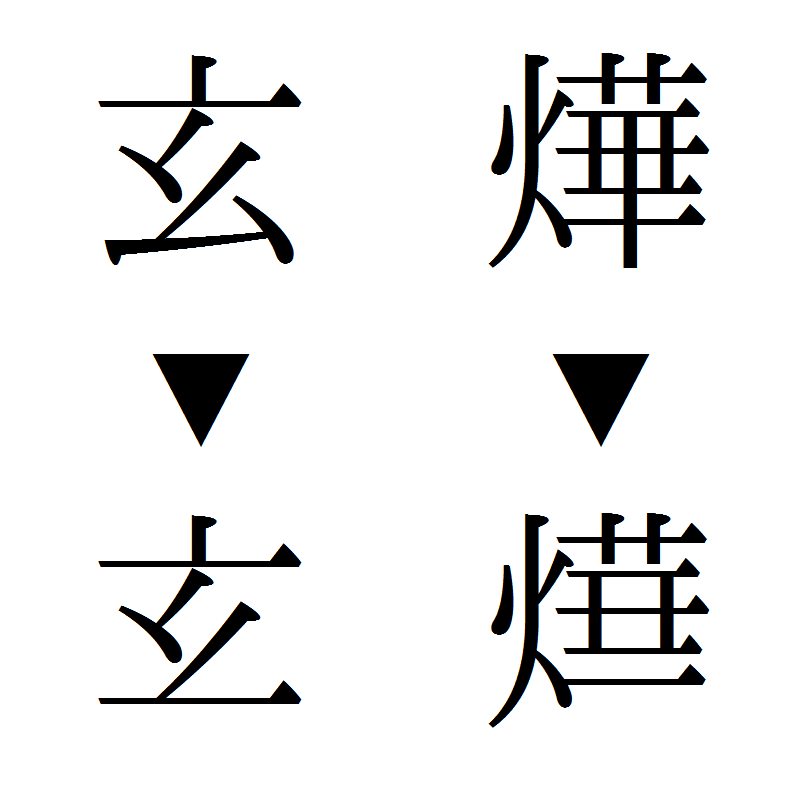 🇨🇳 China and 2 moreNaming taboo避諱
A cultural rule against speaking or writing the names of rulers and ancestors in East AsiaBelief · Protection Historical
🇨🇳 China and 3 moreQi氣 / 气
A vital force in Chinese philosophy and medicine, believed to flow through all living things.Substance · Healing · Power and authority Living
🇨🇳 China and 2 moreNaming taboo避諱
A cultural rule against speaking or writing the names of rulers and ancestors in East AsiaBelief · Protection Historical
🇨🇳 China and 3 moreQi氣 / 气
A vital force in Chinese philosophy and medicine, believed to flow through all living things.Substance · Healing · Power and authority Living
 🇯🇵 JapanKitsunebi狐火
Atmospheric ghost lights in Japanese folklore, often linked to foxes and natural phenomena.Belief · Wonder and entertainment · Luck and prosperity Historical
🇯🇵 JapanKitsunebi狐火
Atmospheric ghost lights in Japanese folklore, often linked to foxes and natural phenomena.Belief · Wonder and entertainment · Luck and prosperity Historical
Related elsewhere
All belief 🇷🇸 Serbia and 5 moreVampire
An undead being from European folklore that feeds on the life force of the living.Being · Cursing and harm Legendary
🇷🇸 Serbia and 5 moreVampire
An undead being from European folklore that feeds on the life force of the living.Being · Cursing and harm Legendary
 🇨🇭 Switzerland and 5 moreWerewolf
A figure in folklore who transforms into a wolf or hybrid beastFigure · Cursing and harm Legendary
🇨🇭 Switzerland and 5 moreWerewolf
A figure in folklore who transforms into a wolf or hybrid beastFigure · Cursing and harm Legendary
 🇺🇸 United States and 5 moreSatanism
A modern set of beliefs using the figure of Satan as a symbol or deity.Tradition · Power and authority · Cursing and harm Living
🇺🇸 United States and 5 moreSatanism
A modern set of beliefs using the figure of Satan as a symbol or deity.Tradition · Power and authority · Cursing and harm Living
 🇪🇬 Egypt and 1 moreLilithלִילִית
A feminine figure from Mesopotamian and Jewish mythology, often depicted as a night demon or spirit.Being · Cursing and harm Legendary
🇪🇬 Egypt and 1 moreLilithלִילִית
A feminine figure from Mesopotamian and Jewish mythology, often depicted as a night demon or spirit.Being · Cursing and harm Legendary