Households and ordinary people
Grandmothers, parents and neighbours doing the small things: the knot, the salt, the red thread.
Households and ordinary people do most of the world's magic: the grandmother who ties a thread on a baby's wrist, the neighbour who throws salt, the shopkeeper who hangs a lemon and chillies, the family that burns incense before a photograph. These people are not specialists and often do not call it magic. This page looks at the domestic side of the subject, which is the commonest and least written about.
Everyday customs
Household practice is woven into daily life: sweeping at new year, a bead on a cradle, a horseshoe over a door, a charm in a car. It tends to be practical, brief and handed down within the family. Many people say they do it because their mother did, or to be safe. It rarely needs a priest, a text or a fee. The hands that do it are those of mothers and grandmothers, who also cook, clean and care, so the magic is part of the labour of the home.
Women and the home
Women are the principal keepers of household custom in many societies, as mothers, grandmothers and aunts. Their knowledge covers birth, child care, food, illness, marriage and death. That knowledge is often undervalued by the formal religion and by scholars, and was also the source of accusations in the witch trials, in which women who were midwives or healers were prominent. A household custom is learned by watching and may never be explained, since the practitioner does not see it as special.
Faith and the home
Religious leaders have seen household custom as faith, as superstition or as a nuisance. Reformers in Protestant Europe, Salafi Islam and some Hindu and Buddhist movements have told people to give up such practices. Many people keep them regardless. In the diaspora, the home customs are sometimes the part of heritage that lasts longest, and are carried to new countries in suitcases. In cities, small shrines, protective charms and everyday rituals often survive in apartments, taxis and shops.
Why scholars care
Anthropologists of everyday religion and folklorists record these customs as evidence of how people manage risk. They show how belief and practice differ, since people may say they do not believe and still knock on wood. Household magic is also the easiest to commercialise, in shops selling charms and kits that detach customs from their homes. A new student or visitor may find that families who say they do not believe still follow such customs carefully, and this gap is one of the more interesting findings.
Households and ordinary people on EveryJaadu
The entries written up so far, best known first.
 🇲🇳 Mongolia and 2 moreWind Horseརླུང་རྟ་
An East and Central Asian symbol of the soul, luck, and vital energyBeing · Luck and prosperity · Protection Living
🇲🇳 Mongolia and 2 moreWind Horseརླུང་རྟ་
An East and Central Asian symbol of the soul, luck, and vital energyBeing · Luck and prosperity · Protection Living
 🇮🇶 Iraq and 5 moreGrimoire
A textbook containing instructions for spells, rituals, and the creation of magical objects.Text · Protection · Healing Historical
🇮🇶 Iraq and 5 moreGrimoire
A textbook containing instructions for spells, rituals, and the creation of magical objects.Text · Protection · Healing Historical
 🇪🇪 Estonia and 5 moreFern flower
A mythical bloom said to bring fortune and unlock secrets, found only on midsummer night.Belief · Luck and prosperity · Love and attraction Living
🇪🇪 Estonia and 5 moreFern flower
A mythical bloom said to bring fortune and unlock secrets, found only on midsummer night.Belief · Luck and prosperity · Love and attraction Living
 🇺🇸 United StatesRing shout
A sacred circle dance of African American origin using rhythmic movement and call-and-response singingRite · Speaking with spirits and the dead · Power and authority Living
🇺🇸 United StatesRing shout
A sacred circle dance of African American origin using rhythmic movement and call-and-response singingRite · Speaking with spirits and the dead · Power and authority Living
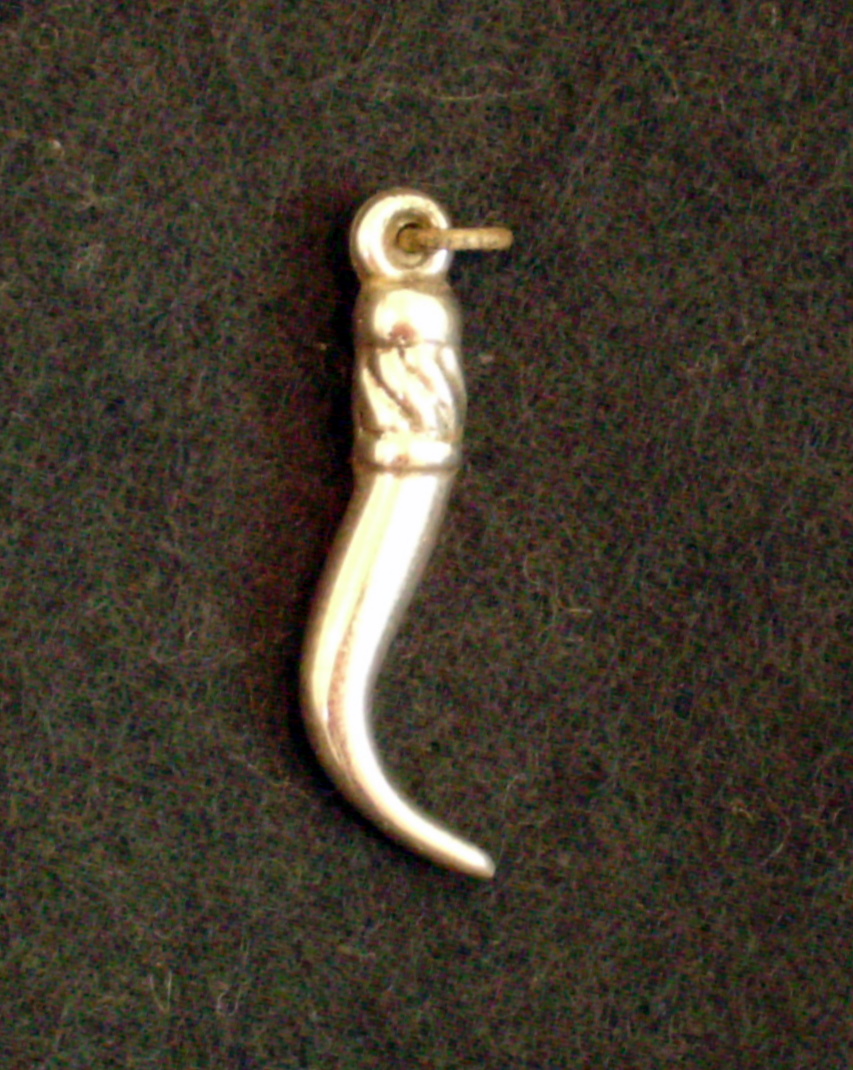 🇮🇹 ItalyCornicello
A twisted horn charm worn in Italy to ward off the evil eye and invite luck.Charm · Protection · Luck and prosperity Living
🇮🇹 ItalyCornicello
A twisted horn charm worn in Italy to ward off the evil eye and invite luck.Charm · Protection · Luck and prosperity Living
 🇩🇪 Germany and 2 moreEaster FireOsterfeuer
Bonfires lit at Easter to mark the Resurrection and spring renewalRite · Cleansing and purification · Power and authority Living
🇩🇪 Germany and 2 moreEaster FireOsterfeuer
Bonfires lit at Easter to mark the Resurrection and spring renewalRite · Cleansing and purification · Power and authority Living
 🇮🇪 Ireland and 1 moreBuilders' rites
Ceremonies performed during construction to ensure stability and mark progress.Rite · Power and authority Historical
🇩🇪 Germany and 3 moreSixth and Seventh Books of Moses
A grimoire claiming to reveal the hidden spells of Moses for controlling spirits and natureText · Power and authority · Speaking with spirits and the dead Historical
🇮🇪 Ireland and 1 moreBuilders' rites
Ceremonies performed during construction to ensure stability and mark progress.Rite · Power and authority Historical
🇩🇪 Germany and 3 moreSixth and Seventh Books of Moses
A grimoire claiming to reveal the hidden spells of Moses for controlling spirits and natureText · Power and authority · Speaking with spirits and the dead Historical
 🇳🇿 New Zealand and 5 moreFace tattoo
Marks inked on the face for spiritual protection, identity, rank, and rite of passageTradition · Protection · Power and authority Living
🇳🇿 New Zealand and 5 moreFace tattoo
Marks inked on the face for spiritual protection, identity, rank, and rite of passageTradition · Protection · Power and authority Living
 🇨🇳 China and 1 moreDongyue Dadi東嶽大帝
The Chinese mountain god of Mount Tai who rules lifespans and underworld recordsBeing · Speaking with spirits and the dead · Power and authority Living
🇨🇳 China and 1 moreDongyue Dadi東嶽大帝
The Chinese mountain god of Mount Tai who rules lifespans and underworld recordsBeing · Speaking with spirits and the dead · Power and authority Living
 🇪🇬 Egypt and 1 moreAncient Egyptian religion
Polytheistic worship, divine kingship, and funerary rites along the NileTradition · Protection · Speaking with spirits and the dead Historical
🇪🇬 Egypt and 1 moreAncient Egyptian religion
Polytheistic worship, divine kingship, and funerary rites along the NileTradition · Protection · Speaking with spirits and the dead Historical
 🇮🇳 India and 5 moreSnake worship
Veneration of serpents as divine or ancestral beings across global culturesTradition · Protection · Healing Living
🇮🇳 India and 5 moreSnake worship
Veneration of serpents as divine or ancestral beings across global culturesTradition · Protection · Healing Living
 🇬🇧 United Kingdom and 2 moreWheel of the Year
An annual cycle of eight seasonal festivals observed by modern pagans.Tradition · Speaking with spirits and the dead · Power and authority Living
🇬🇧 United Kingdom and 2 moreWheel of the Year
An annual cycle of eight seasonal festivals observed by modern pagans.Tradition · Speaking with spirits and the dead · Power and authority Living
 🇸🇴 Somalia and 5 moreFrankincense
An aromatic tree resin harvested for incense, perfume, and religious ritualSubstance · Speaking with spirits and the dead · Power and authority Living
🇸🇴 Somalia and 5 moreFrankincense
An aromatic tree resin harvested for incense, perfume, and religious ritualSubstance · Speaking with spirits and the dead · Power and authority Living
 🇵🇭 Philippines and 1 moreAgimatAnting-anting
A Filipino amulet or charm believed to grant protection, power, and supernatural abilities.Charm · Protection · Love and attraction Living
🇵🇭 Philippines and 1 moreAgimatAnting-anting
A Filipino amulet or charm believed to grant protection, power, and supernatural abilities.Charm · Protection · Love and attraction Living
 🇫🇷 France and 5 moreYule log
A large wooden log burned in the hearth during winter festivals across Europe and North America.Tradition · Protection · Luck and prosperity Living
🇫🇷 France and 5 moreYule log
A large wooden log burned in the hearth during winter festivals across Europe and North America.Tradition · Protection · Luck and prosperity Living
 🇯🇵 JapanDaruma doll達磨
A round Japanese talisman that rights itself when knocked overCharm · Luck and prosperity · Power and authority Living
🇯🇵 JapanDaruma doll達磨
A round Japanese talisman that rights itself when knocked overCharm · Luck and prosperity · Power and authority Living
 🇨🇳 China and 2 moreEight Immortals八仙
Eight legendary Taoist figures of China, each with a power and a vesselFigure · Protection · Healing Living
🇨🇳 China and 2 moreEight Immortals八仙
Eight legendary Taoist figures of China, each with a power and a vesselFigure · Protection · Healing Living
 🇨🇳 China and 5 moreKau chim求籤
A divination practice using numbered bamboo sticks to seek answers from deitiesOracle · Seeing and foretelling · Power and authority Living
🇨🇳 China and 5 moreKau chim求籤
A divination practice using numbered bamboo sticks to seek answers from deitiesOracle · Seeing and foretelling · Power and authority Living
 🇮🇳 India and 1 moreHeliotrope
A green and red mineral stone used as an amulet for health, invisibility, and courage.Charm · Protection · Healing Historical
🇮🇳 India and 1 moreHeliotrope
A green and red mineral stone used as an amulet for health, invisibility, and courage.Charm · Protection · Healing Historical
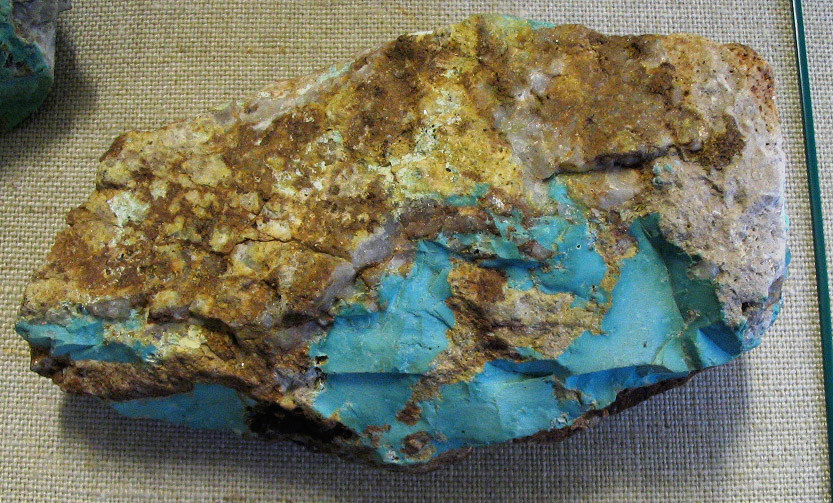 🇮🇷 Iran and 5 moreTurquoise
An opaque blue-green gemstone prized for its color since ancient timesSubstance · Protection · Luck and prosperity Living
🇮🇷 Iran and 5 moreTurquoise
An opaque blue-green gemstone prized for its color since ancient timesSubstance · Protection · Luck and prosperity Living
 🇮🇪 IrelandBlarney StoneCloch na Blarnan
A limestone block in an Irish castle kissed for the gift of eloquenceCharm · Power and authority Living
🇧🇯 Benin and 2 morePapa Legba
A loa who stands at the crossroads and opens the gate between people and spiritsBeing · Speaking with spirits and the dead · Power and authority Living
🇮🇪 IrelandBlarney StoneCloch na Blarnan
A limestone block in an Irish castle kissed for the gift of eloquenceCharm · Power and authority Living
🇧🇯 Benin and 2 morePapa Legba
A loa who stands at the crossroads and opens the gate between people and spiritsBeing · Speaking with spirits and the dead · Power and authority Living
 🇬🇧 United KingdomHob
A small household spirit of Northern England and the Anglo-Scottish border.Being · Power and authority Historical
🇬🇧 United KingdomHob
A small household spirit of Northern England and the Anglo-Scottish border.Being · Power and authority Historical
 🇮🇷 Iran and 2 moreBibliomancy
Divination by opening a book at random and reading the first passage foundOracle · Seeing and foretelling · Power and authority Living
🇮🇷 Iran and 2 moreBibliomancy
Divination by opening a book at random and reading the first passage foundOracle · Seeing and foretelling · Power and authority Living
 🇸🇳 Senegal and 5 morePentagramπεντάγραμμον
A five-pointed star figure used across history for protection, ritual, and cosmologyCharm · Protection · Binding and oaths Living
🇸🇳 Senegal and 5 morePentagramπεντάγραμμον
A five-pointed star figure used across history for protection, ritual, and cosmologyCharm · Protection · Binding and oaths Living
 🇬🇹 GuatemalaMaximónRi Laj Mam
A Maya folk saint and trickster deity venerated in the Guatemalan HighlandsBeing · Protection · Healing Living
🇬🇹 GuatemalaMaximónRi Laj Mam
A Maya folk saint and trickster deity venerated in the Guatemalan HighlandsBeing · Protection · Healing Living
 🇷🇺 Russia and 7 moreSlavic Native FaithРодноверие
A modern polytheistic movement drawing on Slavic folklore, romanticism, and global spiritual traditions.Tradition · Speaking with spirits and the dead · Power and authority Living
🇷🇺 Russia and 7 moreSlavic Native FaithРодноверие
A modern polytheistic movement drawing on Slavic folklore, romanticism, and global spiritual traditions.Tradition · Speaking with spirits and the dead · Power and authority Living
 🇮🇩 Indonesia and 3 moreDragon's blood
A bright red resin from several plant species used in magic, medicine, and art since antiquitySubstance · Healing · Protection Living
🇮🇩 Indonesia and 3 moreDragon's blood
A bright red resin from several plant species used in magic, medicine, and art since antiquitySubstance · Healing · Protection Living
 🇨🇦 Canada and 1 moreTotemdoodem
A spirit or symbol linking a group to nature, from Ojibwe clan systems to Australian kinshipBelief · Speaking with spirits and the dead · Power and authority Living
🇨🇦 Canada and 1 moreTotemdoodem
A spirit or symbol linking a group to nature, from Ojibwe clan systems to Australian kinshipBelief · Speaking with spirits and the dead · Power and authority Living
 🇮🇳 India and 3 moreSpirit
An invisible force or soul found in many cultures, linked to gods, humans, and nature.Being · Speaking with spirits and the dead · Power and authority Living
🇮🇳 India and 3 moreSpirit
An invisible force or soul found in many cultures, linked to gods, humans, and nature.Being · Speaking with spirits and the dead · Power and authority Living
 🇮🇹 Italy and 2 moreBulla
A round Roman amulet given to freeborn boys as a mark of status and protectionCharm · Protection · Luck and prosperity Historical
🇮🇹 Italy and 2 moreBulla
A round Roman amulet given to freeborn boys as a mark of status and protectionCharm · Protection · Luck and prosperity Historical
 🇯🇵 JapanFukusuke福助
A kneeling Japanese doll believed to bring wealth and honorCharm · Luck and prosperity · Power and authority Living
🇧🇷 BrazilPro-VidaPró-Vida, Integração Cósmica
An occultist group founded in Brazil that promises cosmic consciousness and earthly paradise.Tradition · Change and initiation · Power and authority Living
🇯🇵 JapanFukusuke福助
A kneeling Japanese doll believed to bring wealth and honorCharm · Luck and prosperity · Power and authority Living
🇧🇷 BrazilPro-VidaPró-Vida, Integração Cósmica
An occultist group founded in Brazil that promises cosmic consciousness and earthly paradise.Tradition · Change and initiation · Power and authority Living
 🇺🇸 United StatesAshtar
A channeled extraterrestrial figure central to mid-century American ufology and New Age spiritualityBeing · Speaking with spirits and the dead · Seeing and foretelling Living
🇺🇸 United StatesAshtar
A channeled extraterrestrial figure central to mid-century American ufology and New Age spiritualityBeing · Speaking with spirits and the dead · Seeing and foretelling Living
 🇨🇳 China and 1 moreMoney tree搖錢樹
A mythical tree of fortune and a Chinese New Year custom for wealthFigure · Luck and prosperity · Power and authority Living
🇨🇳 China and 1 moreMoney tree搖錢樹
A mythical tree of fortune and a Chinese New Year custom for wealthFigure · Luck and prosperity · Power and authority Living
 🇫🇷 FrancePetit AlbertSecrets merveilleux de la magie naturelle et cabalistique du petit Albert
An 18th-century French grimoire of natural and cabalistic magic sold to rural householdsText · Protection · Luck and prosperity Historical
🇫🇷 FrancePetit AlbertSecrets merveilleux de la magie naturelle et cabalistique du petit Albert
An 18th-century French grimoire of natural and cabalistic magic sold to rural householdsText · Protection · Luck and prosperity Historical
 🇺🇸 United States and 1 moreDianism
A 19th-century American practice of sexual contact without ejaculationTradition · Power and authority Historical
🇺🇸 United States and 3 more11:11
A clock time believed to signal spiritual alignment or synchronicity in numerology and New Age thoughtBelief · Wonder and entertainment · Power and authority Living
🇺🇸 United States and 1 moreDianism
A 19th-century American practice of sexual contact without ejaculationTradition · Power and authority Historical
🇺🇸 United States and 3 more11:11
A clock time believed to signal spiritual alignment or synchronicity in numerology and New Age thoughtBelief · Wonder and entertainment · Power and authority Living
 🇨🇳 ChinaDragon turtle龍龜 (Lóngguī)
A Chinese mythic creature with a dragon body and turtle shell, used as a Feng Shui charm.Figure · Luck and prosperity · Power and authority Living
🇨🇳 ChinaDragon turtle龍龜 (Lóngguī)
A Chinese mythic creature with a dragon body and turtle shell, used as a Feng Shui charm.Figure · Luck and prosperity · Power and authority Living
 🇳🇿 New Zealand and 4 moreFeather cloak
A garment of feathers worn by royalty and gods across cultures to signal rank or enable flightCharm · Power and authority · Wonder and entertainment Historical
🇳🇿 New Zealand and 4 moreFeather cloak
A garment of feathers worn by royalty and gods across cultures to signal rank or enable flightCharm · Power and authority · Wonder and entertainment Historical
 🇮🇶 IraqBurney Relief
A Mesopotamian terracotta plaque depicting a winged goddess with owl companions and lion mounts.Charm · Power and authority · Speaking with spirits and the dead Historical
🇮🇶 IraqBurney Relief
A Mesopotamian terracotta plaque depicting a winged goddess with owl companions and lion mounts.Charm · Power and authority · Speaking with spirits and the dead Historical
 🇵🇱 Poland and 4 moreMoranaМорена
A Slavic goddess of winter and death, whose effigy is drowned to welcome springFigure · Cursing and harm · Power and authority Living
🇵🇱 Poland and 4 moreMoranaМорена
A Slavic goddess of winter and death, whose effigy is drowned to welcome springFigure · Cursing and harm · Power and authority Living
 🇯🇵 JapanOkiagari-koboshi起き上がり小法師
A Japanese roly-poly doll that rights itself when knocked overCharm · Luck and prosperity · Power and authority Living
🇯🇵 JapanOkiagari-koboshi起き上がり小法師
A Japanese roly-poly doll that rights itself when knocked overCharm · Luck and prosperity · Power and authority Living
Photo credits on this page
The small pictures above come from Wikimedia Commons under free licences. Some are cropped to fit.
- Yule log: Pehr Arvid Säve (1811—1887), Public domain, source
- Grimoire: Bengt A. Lundberg, CC BY 2.5, source
- Daruma doll: Crisco 1492, Public domain, source
- Eight Immortals: Fanghong, CC BY-SA 3.0, source
- Bulla: Anonymous ( Category:Etruscans ) Unknown author, Public domain, source
- Kau chim: No machine-readable author provided. 9old9 assumed (based on copyright, Public domain, source
- Heliotrope: Ra'ike (see also: de:Benutzer:Ra'ike ), CC BY-SA 3.0, source
- Turquoise: Unknown author, Public domain, source
- Blarney Stone: Srleffler, Public domain, source
- Fukusuke: Nesnad, CC BY-SA 3.0, source
- Hob: Jo Turner, CC BY-SA 2.0, source
- Bibliomancy: Albert Robida, Public domain, source
- Pentagram: Tomruen, Attribution, source
- Maximón: Sapfan (Jan Pesula), Public domain, source
- Slavic Native Faith: Union of Slavic Rodnover Communities (Союз Славянских Общин Славянской, CC BY-SA 4.0, source
- Dragon's blood: Andy Dingley, CC BY-SA 3.0, source
- Totem: Jami430, CC BY-SA 4.0, source
- Fern flower: Antoni Piotrowski, Public domain, source
- Ring shout: Attributed to John Rose, Public domain, source
- Cornicello: Antonio Cavallo, Public domain, source
- Easter Fire: Jürgen Eissink, CC BY-SA 4.0, source
- Dianism: Guillaume Seignac, Public domain, source
- Ashtar: Evedawn99, Public domain, source
- Builders' rites: U.S. Government, Public domain, source
- Dragon turtle: Jonathan O'Donnell, CC BY 2.0, source
- Kilili: Unknown author, CC0, source
- Feather cloak: Lusanaherandraton, CC BY-SA 4.0, source
- Morana: Marta Malina Moraczewska, CC BY-SA 4.0, source
- Face tattoo: Gottfried Lindauer, Public domain, source
- Okiagari-koboshi: Unknown author, CC BY-SA 3.0, source
- Money tree: Pratyeka, CC BY-SA 4.0, source
- Petit Albert: Albertus Parvus Lucius, CC BY-SA 4.0, source
- Dongyue Dadi: H2v5o68z, CC0, source
- Ancient Egyptian religion: Moh hakem, CC BY-SA 4.0, source
- Spirit: Jastrow, Public domain, source
- Snake worship: Alexandermcnabb, CC BY-SA 4.0, source
- Wheel of the Year: Sunblade1500, CC BY-SA 3.0, source
- Frankincense: No machine-readable author provided. Gaius Cornelius assumed (based on, Public domain, source
- Agimat: FroyAgta, CC BY-SA 4.0, source
- Wind Horse: Clemensmarabu, CC BY-SA 3.0, source