
Luduan
In its own language: 甪端
A mythical Chinese creature said to speak every language and travel vast distances in a single day
The Luduan is a legendary being from Chinese mythology, described as an auspicious hybrid. It is believed to appear only during the reigns of wise rulers and to possess the ability to understand all human tongues.
- It travels 18,000 li in one day
- It speaks all world languages
- It appears under wise rulers
- Incense burners mimic its shape
- It convinced Genghis Khan to stop invading India
What it is
The Luduan is a figure from Chinese myth, classified as a mythical hybrid. This creature is considered an auspicious sign, meaning it brings good fortune. It is described as having multiple animal features combined into one form. The being is known for its speed and linguistic abilities. It can cover great distances in a single day. It also understands every language spoken by people around the world.
Where it comes from
This creature belongs to the broader body of Chinese mythology. Legends associate its appearance with times of good governance. It is said to show itself only when a ruler governs wisely and justly. One story claims it appeared to Genghis Khan. In that tale, it persuaded him to stop his campaign against India. Such stories link the creature to historical figures and events.
Tools and materials
Artisans create representations of the Luduan using metal or ceramic materials. These objects often take the form of incense burners. They are placed on ceremonial furniture. A common placement is on the throne of the emperor. Two such burners sit on either side of the seat. They serve as symbols of good luck and proper rule.
Luduan, drawn and placed
- Living
- Revived
- Fading
- Historical
- Legendary
- Performed
- Lineage
- Chinese mythology
What it is for
People view the Luduan as a positive omen. Its presence signals that a leader is virtuous. It represents the harmony between the ruler and the heavens. The creature’s ability to speak all languages suggests universal understanding. It stands for the ideal of a well-governed state where peace prevails.
Who does it
Scholars study the Luduan as part of Chinese cultural history. Artists and craftsmen create physical models of the beast. These makers follow traditional designs passed down through generations. The creature does not have active practitioners who perform rituals. It exists primarily in stories and decorative arts.
Peoples and places
The Luduan is specific to Chinese culture and tradition. It appears in texts and art within China. Similar creatures exist in other East Asian cultures. For example, Japan has the Sin-you, which shares traits with the Luduan. Both are linked to the detection of truth. The Qilin is another related Chinese mythical beast. These comparisons show how regional myths share common themes.
At a glance: who, where and when
Peoples
Belief worlds

What people believe
The belief system behind the Luduan ties moral leadership to cosmic signs. An enlightened ruler attracts auspicious beings. The creature’s multi-animal form reflects the unity of nature. Its speed and speech symbolize the reach of just power. The absence of the Luduan might imply poor governance.
How scholars and sceptics see it
Researchers analyze the Luduan within the context of Chinese folklore. They examine how the creature functions as a political symbol. Scholars note its resemblance to other truth-detecting beasts like the Xiezhi. The comparison with Japanese legends highlights cross-cultural influences. Historians track its depiction in imperial court art.
Compare and confuse
The Luduan is often compared to the Qilin, another Chinese unicorn-like creature. It is also linked to the Xiezhi, a beast known for spotting lies. In Japan, the Sin-you serves a similar role in detecting truth. These comparisons help define the Luduan’s specific attributes within East Asian myth.
Today
The Luduan survives today mainly in artistic and literary forms. Museums display incense burners modeled after the creature. Writers reference it when discussing Chinese history or mythology. It remains a symbol of ideal governance in cultural discourse.
Questions people ask about Luduan
What is the Luduan?
The Luduan is a legendary Chinese creature. It is a mythical hybrid with parts of several animals. It is considered an auspicious sign of good rule.
Where does the Luduan come from?
It comes from Chinese mythology. Stories place its appearances during the reigns of enlightened emperors. It is a symbol of virtue in Chinese culture.
What special powers does it have?
It is said to travel vast distances quickly. It can also understand and speak every human language. These traits make it a unique messenger in myth.
Good reading and sources
The facts on this page come from the Wikipedia article "Luduan", written by its contributors and used under the CC BY-SA 4.0 licence, and from its Wikidata record (CC0). EveryJaadu rewrote the text in its own words, with AI assistance, and compares every page with the article to make sure no passage is copied. It may be reused under the same CC BY-SA 4.0 licence with a link back.
It may contain mistakes. Names and customs differ from one community to the next, and some knowledge is closed to outsiders and left out here. This page describes belief and practice. It does not say that any of it works, it is not a how-to, and it is not medical advice. If something is wrong, tell us. Last refreshed 2026-10-06.
More from China
All the entries from China 🇨🇳 China and 3 moreChinese dragon龍
A legendary water deity and imperial symbol in East Asian cultureBeing · Protection · Luck and prosperity Historical
🇨🇳 China and 3 moreChinese dragon龍
A legendary water deity and imperial symbol in East Asian cultureBeing · Protection · Luck and prosperity Historical
 🇨🇳 ChinaLan Caihe藍采和
An ambiguous Taoist immortal known for a flower basket and wandering songsBeing · Wonder and entertainment Legendary
🇨🇳 ChinaLan Caihe藍采和
An ambiguous Taoist immortal known for a flower basket and wandering songsBeing · Wonder and entertainment Legendary
 🇨🇳 China and 2 moreXiezhi獬豸
A one-horned beast from East Asia that separates the guilty from the innocentBeing · Cursing and harm · Protection Legendary
🇨🇳 China and 2 moreXiezhi獬豸
A one-horned beast from East Asia that separates the guilty from the innocentBeing · Cursing and harm · Protection Legendary
 🇨🇳 China and 2 moreEight Immortals八仙
Eight legendary Taoist figures of China, each with a power and a vesselFigure · Protection · Healing Living
🇨🇳 China and 2 moreEight Immortals八仙
Eight legendary Taoist figures of China, each with a power and a vesselFigure · Protection · Healing Living
Related elsewhere
All being 🇬🇧 United Kingdom and 2 moreKing ArthurBrenin Arthur
A legendary British king and folk hero of medieval literature and Welsh mythologyFigure · Power and authority · Wonder and entertainment Legendary
🇬🇧 United Kingdom and 2 moreKing ArthurBrenin Arthur
A legendary British king and folk hero of medieval literature and Welsh mythologyFigure · Power and authority · Wonder and entertainment Legendary
 🇪🇬 Egypt and 1 moreSphinx
A mythical hybrid with a human head and lion body, serving as guardian or riddler in Egyptian and Greek traditions.Being · Protection · Wonder and entertainment Legendary
🇪🇬 Egypt and 1 moreSphinx
A mythical hybrid with a human head and lion body, serving as guardian or riddler in Egyptian and Greek traditions.Being · Protection · Wonder and entertainment Legendary
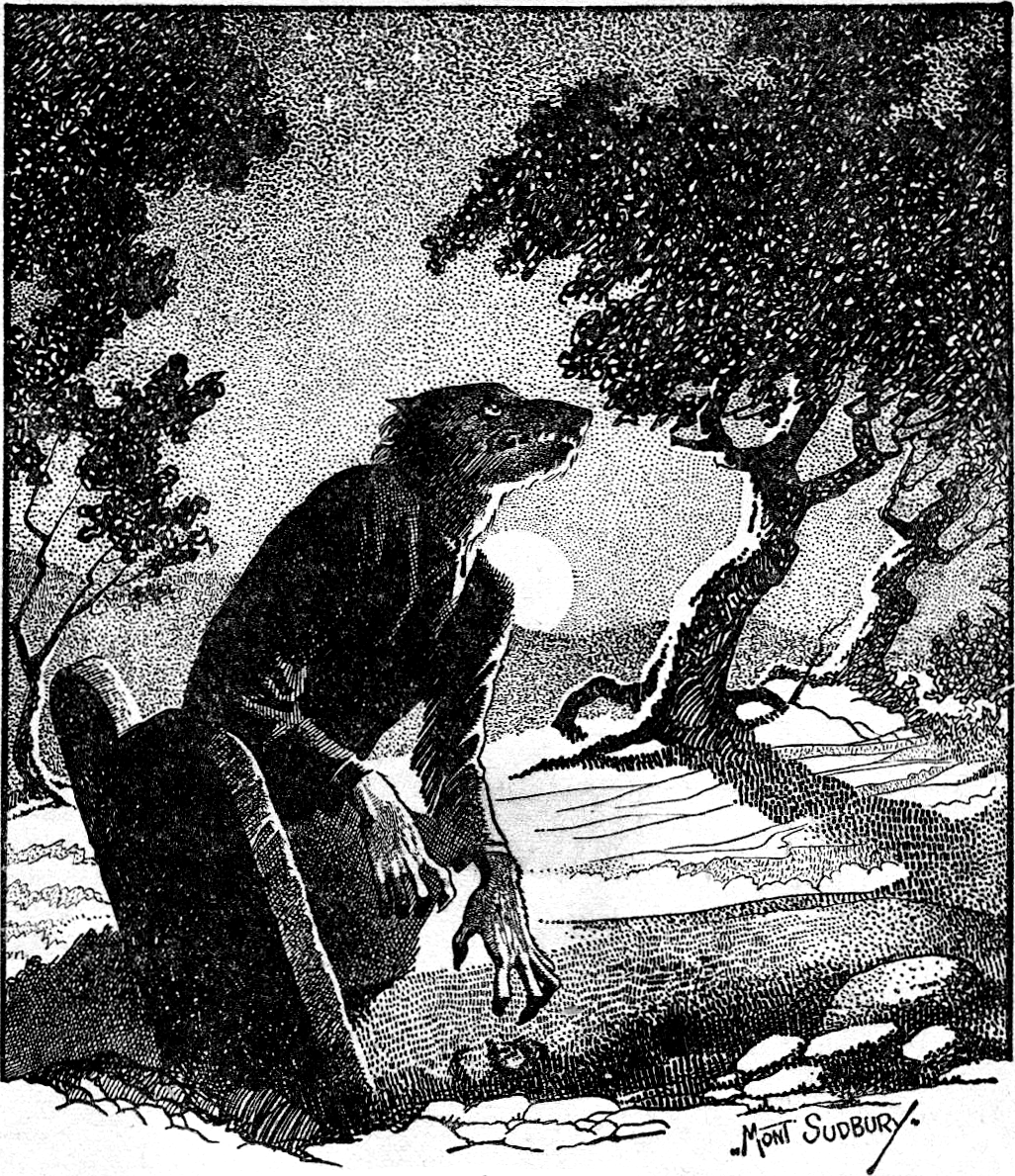 🇫🇷 France and 5 moreWerewolf
A mythical shapeshifter that turns into a wolf, central to European witch-hunts and Gothic horror.Being · Cursing and harm · Wonder and entertainment Legendary
🇫🇷 France and 5 moreWerewolf
A mythical shapeshifter that turns into a wolf, central to European witch-hunts and Gothic horror.Being · Cursing and harm · Wonder and entertainment Legendary
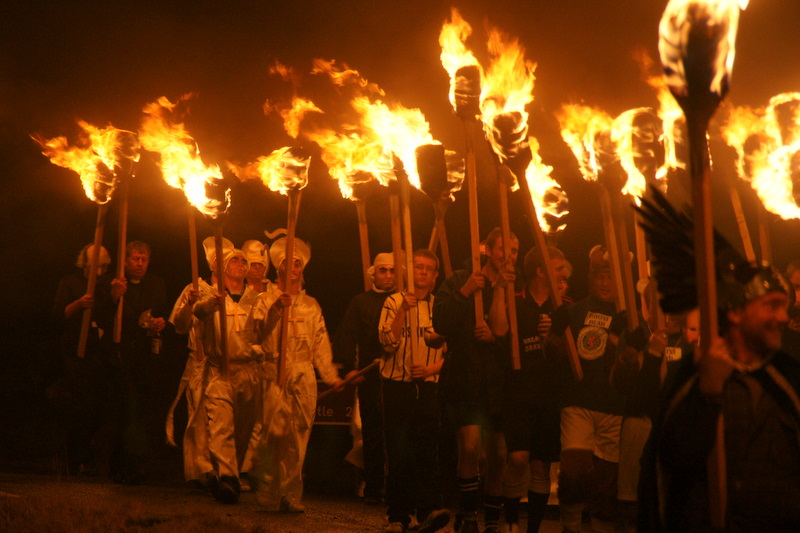 🇬🇧 United KingdomUp Helly Aa
A Shetland fire festival marking the end of Yule with a torchlit procession and burning of a Viking galleyRite · Wonder and entertainment Living
🇬🇧 United KingdomUp Helly Aa
A Shetland fire festival marking the end of Yule with a torchlit procession and burning of a Viking galleyRite · Wonder and entertainment Living