A shape-changing monster told of in Trinidad and Tobago, also written Lugarhou. By day it is said to pass as an ordinary person; after dark it is described as a headless figure carrying a wooden coffin, trailing an iron chain and preying on livestock.
- Also spelled Lugarhou, and Ligahoo in some modern fiction
- Said to walk at night as a headless man with a wooden coffin on its neck
- Three candles are said to burn on top of the coffin
- Said to shift in size from tiny to gigantic in an instant
- A stick blessed with holy water and oil, used over nine days, is said to end it
What it is
Tales told in Trinidad and Tobago describe the Lagahoo, also written Lugarhou, as a monster that changes its shape. In daylight it is said to pass for an ordinary person. After dark the account turns stranger: it walks as a headless man with a wooden coffin resting on its neck, three candles burning on the lid, and a chain fixed at the waist that drags along the ground behind it. Chains are also said to hang at its neck and to grow or shrink. One of its limbs is described as facing the wrong way.
Where it comes from
The creature is described as a cousin of the French loup-garou and of the Germanic werewolf, which sets it beside the shape-changing night beings of European story. In Trinidad and Tobago it belongs among the island's folk characters, a set that also passes into its poetry and fiction. Retelling has carried it as much as fireside telling has: a poetry collection of 2004 gives it a restless life of its own, and later novels borrow the name for strangers from other worlds.
How it is done
The account of doing away with the Lagahoo describes a beating spread over nine days. A stick is first treated with holy water and holy oil, the blessed water and oil of Christian practice, and the creature is struck with it each day. Under the blows it is said to turn into one creature after another: a snarling dog, a horse, a cat, a pig, a wild bull, then surging water. At the end it is said to disappear into black mist.
Tools and materials
The story hangs a few objects on the creature. A wooden coffin rides on its neck, with three candles lit on the lid. A heavy chain sits at its waist and its length trails behind, and further chains at the neck are said to change size. Against it, the counter-rite uses a plain stick together with holy water and holy oil. The coffin, candles and chains are the signs by which the monster is recognised in the telling.
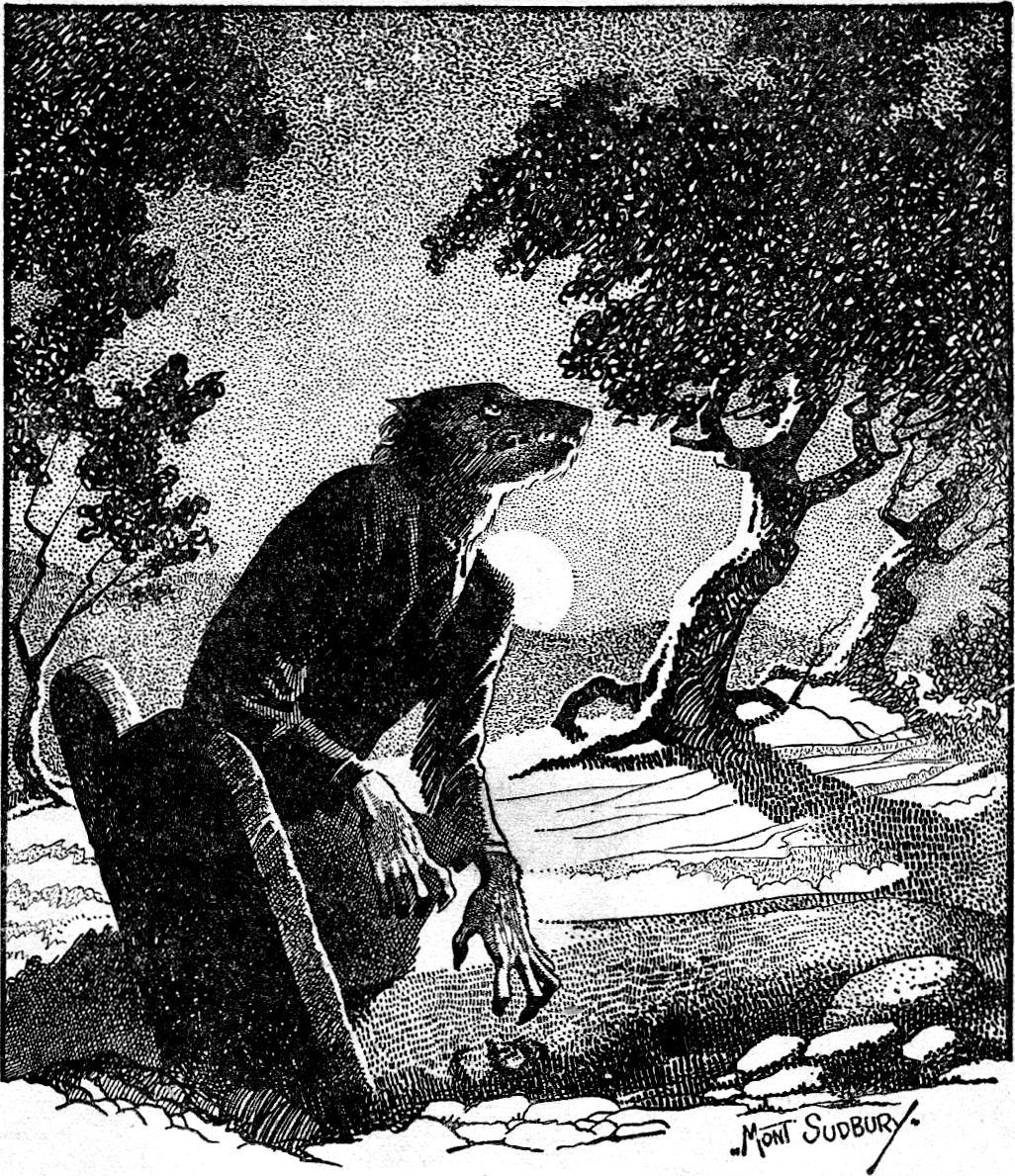
Lagahoo, drawn and placed
- Living
- Revived
- Fading
- Historical
- Legendary
- Performed
- Lineage
- Trinidad and Tobago folklore, kin to the French loup-garou and the Germanic werewolf
- Timing
- at night; the counter-rite is repeated over nine days
Peoples and places
The belief belongs to Trinidad and Tobago, where the Lagahoo is counted among the local folk characters. The name has since moved into writing. Wayne Gerard Trotman uses it, spelled Ligahoo, for a shape-changing alien in two novels, one of them narrated in part by a Trinidadian character. James Christopher Aboud built a 2004 poetry collection around it. Francis Escayg gives it a role in Escape From Silk Cotton Forest, and Tracey Baptiste mentions it in her 2015 children's novel.
What people believe
The tale treats the Lagahoo as a demon, a harmful being rather than a spirit to be courted. It is also said to swell from tiny to enormous in a moment, and to take the shapes of horses, pigs and goats, often as something close to a centaur, the horse-and-human figure of Greek myth. Holy water and holy oil are the means said to work against it.
When it is done
The Lagahoo is a creature of the night: the headless walk, the candles on the coffin and the chain dragging on the ground all belong to darkness. Daylight is when it is said to look like anyone else. The one count of days in the account is the nine days of the beating, the span over which that rite is repeated.
Compare and confuse
Two European relatives are named: the French loup-garou, the werewolf of French story, and the Germanic werewolf, both night beings that change shape. The Lagahoo is their Caribbean cousin. Its name shifts in the telling too, written Lugarhou in the folk account and Ligahoo in some recent fiction, so a reader who meets the word in a novel may find either spelling.
Today
The figure keeps a place in the region's writing. Aboud's Lagahoo Poems of 2004 makes it ageless and restless, owing nothing to a master except its own hunger and desire. Trotman carries it into science fiction, where a shapeshifter from another planet imitates the island's folk characters. Escayg's Escape From Silk Cotton Forest imagines Lagahoo who want only to live peaceably, and Baptiste's The Jumbies mentions them for younger readers.
Questions people ask about Lagahoo
What is the Lagahoo?
A shape-changing monster in the tales of Trinidad and Tobago, also written Lugarhou. By day it is said to look like an ordinary person; at night it is described as a headless figure carrying a coffin and dragging a chain behind it.
Where does it come from?
It belongs to the story stock of Trinidad and Tobago, and it is described as kin to the French loup-garou and the Germanic werewolf, the shape-changing night beings of European tradition.
What is it said to look like after dark?
A headless man with a wooden coffin on its neck and three lit candles above it, a chain at the waist trailing on the ground, chains at the neck that change size, and one limb turned backwards.
How is it said to be stopped?
By being beaten for nine days with a stick treated with holy water and holy oil. Under the blows it is said to become a dog, a horse, a cat, a pig, a wild bull and surging water before vanishing into black mist.
Where does it appear in modern writing?
In James Christopher Aboud's Lagahoo Poems of 2004, in two novels by Wayne Gerard Trotman, in Francis Escayg's Escape From Silk Cotton Forest, and in Tracey Baptiste's 2015 children's novel The Jumbies.
Good reading and sources
The facts on this page come from the Wikipedia article "Lagahoo", written by its contributors and used under the CC BY-SA 4.0 licence, and from its Wikidata record (CC0). EveryJaadu rewrote the text in its own words, with AI assistance, and compares every page with the article to make sure no passage is copied. It may be reused under the same CC BY-SA 4.0 licence with a link back.
It may contain mistakes. Names and customs differ from one community to the next, and some knowledge is closed to outsiders and left out here. This page describes belief and practice. It does not say that any of it works, it is not a how-to, and it is not medical advice. If something is wrong, tell us. Last refreshed 2026-10-20.
More from Trinidad and Tobago
All the entries from Trinidad and Tobago 🇭🇹 Haiti and 5 moreLoogaroo
A shapeshifting vampire of Caribbean folklore, feared for its blood-drinking habits.Being · Cursing and harm Living
🇹🇹 Trinidad and Tobago and 2 moreMama D'Leau
A river spirit of the Caribbean islands who protects aquatic life and heals people.Being · Healing · Protection Legendary
Related elsewhere
All being 🇷🇸 Serbia and 5 moreVampire
An undead being from European folklore that feeds on the life force of the living.Being · Cursing and harm Legendary
 🇨🇭 Switzerland and 5 moreWerewolf
A figure in folklore who transforms into a wolf or hybrid beastFigure · Cursing and harm Legendary
 🇺🇸 United States and 5 moreSatanism
A modern set of beliefs using the figure of Satan as a symbol or deity.Tradition · Power and authority · Cursing and harm Living
 🇪🇬 Egypt and 1 moreLilithלִילִית
A feminine figure from Mesopotamian and Jewish mythology, often depicted as a night demon or spirit.Being · Cursing and harm Legendary