Cursing and harm
Curses, hexes and sorcery as people describe and fear them, with the counter-magic against them.
Cursing and harm are the part of magic that societies fear most. This page describes curses and sorcery as beliefs, and the social role of fear and accusation, and does not give instructions. The evil eye, the curse tablets of the Greek and Roman world, Hebrew and Arabic writings on harmful magic, sorcery in Melanesia and Africa, and the European witch are all part of this subject. Most of the harm recorded is that done to people accused.
What is believed
Many cultures hold that envy, anger or hostile ritual can bring illness, loss or death to a victim. The beliefs differ: in the Mediterranean, the evil eye needs no intent. In Azande society, studied by Evans-Pritchard, witchcraft was an inherited substance that explained why misfortune struck one person and not another. Greek and Roman lead curse tablets, often addressed to gods of the underworld, show the belief was written down in antiquity.
Accusation as social force
Where harm is feared, accusation follows. Anthropologists have shown that charges of witchcraft often follow tension inside a family or village, such as inheritance, jealousy or a sudden death. Accusers are usually in conflict with the accused, who is more likely to be old, poor, widowed or marginal. The belief can enforce norms and also destroy people. People also fear being accused, since an accusation can arrive without warning and can follow a family for generations.
Persecution and its present
European and colonial American witch trials, from the fifteenth to the eighteenth century, put tens of thousands to death, including the Salem trials of 1692. The practice has not ended. Mobs and families still attack accused people in parts of Africa, India, Papua New Guinea and elsewhere, and Saudi Arabia has executed people for sorcery. Albino people have been killed for body parts in East Africa. Several states are drafting or enforcing laws against accusation itself.
Counter-magic and scholarship
Where harm is feared, so is protection: amulets, cleansing, and a specialist who can say who sent it. Scholars see curses as a language of grievance, and psychologists have documented the nocebo effect, in which belief in harm can bring on real distress. A person who is afraid should seek medical and social help, and talk to someone they trust. People who believe they have been cursed should be helped to find practical support, including from health services, and not left alone with fear.
Cursing and harm on EveryJaadu
The entries written up so far, best known first.
 🇪🇬 EgyptCurse
A spoken wish for misfortune to befall a person or placeBelief · Cursing and harm · Luck and prosperity Historical
🇪🇬 EgyptCurse
A spoken wish for misfortune to befall a person or placeBelief · Cursing and harm · Luck and prosperity Historical
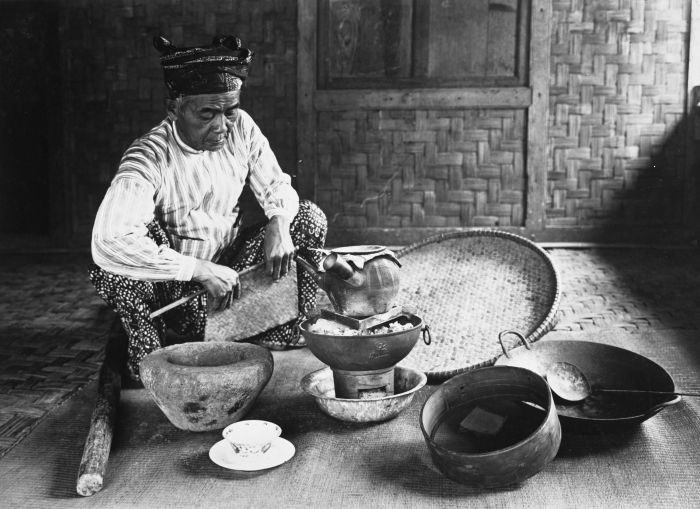 🇮🇩 Indonesia and 2 moreDukun
A traditional healer and spirit medium in Indonesian folk practiceTradition · Healing · Seeing and foretelling Living
🇮🇩 Indonesia and 2 moreDukun
A traditional healer and spirit medium in Indonesian folk practiceTradition · Healing · Seeing and foretelling Living
 🇨🇫 Central African Republic and 5 moreWitchcraft in Africa
Beliefs about supernatural harm and the social responses to accusations across the continentBelief · Cursing and harm · Protection Living
🇨🇫 Central African Republic and 5 moreWitchcraft in Africa
Beliefs about supernatural harm and the social responses to accusations across the continentBelief · Cursing and harm · Protection Living
 🇵🇬 Papua New GuineaWitch-hunts in Papua New Guinea
Violent attacks on people accused of sorcery, mainly women and girlsBelief · Cursing and harm Living
🇵🇬 Papua New GuineaWitch-hunts in Papua New Guinea
Violent attacks on people accused of sorcery, mainly women and girlsBelief · Cursing and harm Living
 🇫🇷 France and 1 moreDruiddruides
A learned priestly class of the ancient Celts in Gaul and BritainTradition · Cursing and harm · Protection Historical
🇫🇷 France and 1 moreDruiddruides
A learned priestly class of the ancient Celts in Gaul and BritainTradition · Cursing and harm · Protection Historical
 🇺🇸 United States and 3 moreHoodoo
A spiritual tradition of the African diaspora in the American South using herbs and charms for protection and justice.Tradition · Protection · Healing Living
🇺🇸 United States and 3 moreHoodoo
A spiritual tradition of the African diaspora in the American South using herbs and charms for protection and justice.Tradition · Protection · Healing Living
 🇳🇬 Nigeria and 4 moreJuju
A West African spiritual belief system involving charms and ritualsTradition · Healing · Luck and prosperity Living
🇳🇬 Nigeria and 4 moreJuju
A West African spiritual belief system involving charms and ritualsTradition · Healing · Luck and prosperity Living
 🇲🇽 Mexico and 2 moreChild sacrifice
The ritual killing of children to appease deities or restore cosmic order in ancient culturesRite · Cursing and harm · Speaking with spirits and the dead Historical
🇲🇽 Mexico and 2 moreChild sacrifice
The ritual killing of children to appease deities or restore cosmic order in ancient culturesRite · Cursing and harm · Speaking with spirits and the dead Historical
 🇬🇷 Greece and 2 moreMagic in the Greco-Roman world
Private supernatural practices in ancient Greece and Rome, distinct from public state religion.Tradition · Protection · Cursing and harm Historical
🇭🇹 HaitiBois Caïman
The sacred site where enslaved Africans planned the Haitian Revolution through a Vodou ceremony.Rite · Cursing and harm · Power and authority Historical
🇬🇷 Greece and 2 moreMagic in the Greco-Roman world
Private supernatural practices in ancient Greece and Rome, distinct from public state religion.Tradition · Protection · Cursing and harm Historical
🇭🇹 HaitiBois Caïman
The sacred site where enslaved Africans planned the Haitian Revolution through a Vodou ceremony.Rite · Cursing and harm · Power and authority Historical
 🇨🇬 Republic of the CongoNkisi
Spirit containers and power figures from the Congo Basin used for justice and healingCharm · Protection · Healing Living
🇿🇦 South Africa and 5 moreMurder for body parts
The killing of people to harvest body parts for traditional medicine or the illegal organ trade.Belief · Cursing and harm · Power and authority Living
🇨🇬 Republic of the CongoNkisi
Spirit containers and power figures from the Congo Basin used for justice and healingCharm · Protection · Healing Living
🇿🇦 South Africa and 5 moreMurder for body parts
The killing of people to harvest body parts for traditional medicine or the illegal organ trade.Belief · Cursing and harm · Power and authority Living
 🇯🇲 Jamaica and 5 moreObeah
A Caribbean tradition of ritual healing and spell-casting with African rootsTradition · Protection · Healing Living
🇯🇲 Jamaica and 5 moreObeah
A Caribbean tradition of ritual healing and spell-casting with African rootsTradition · Protection · Healing Living
 🇨🇳 China and 1 moreScapulimancy
Divination using animal shoulder blades, practiced across Asia and the Americas.Oracle · Seeing and foretelling · Cursing and harm Living
🇨🇳 China and 1 moreScapulimancy
Divination using animal shoulder blades, practiced across Asia and the Americas.Oracle · Seeing and foretelling · Cursing and harm Living
 🇦🇺 AustraliaKurdaitchakwertatye
A ritual executioner and feathered shoes of the Arrernte people in Central Australia.Tradition · Cursing and harm · Power and authority Historical
🇦🇺 AustraliaKurdaitchakwertatye
A ritual executioner and feathered shoes of the Arrernte people in Central Australia.Tradition · Cursing and harm · Power and authority Historical
 🇵🇭 PhilippinesWitchcraft in the Philippinespangkukulam
Indigenous beliefs about sorcery and malevolent magic in the PhilippinesTradition · Cursing and harm · Healing Living
🇵🇭 PhilippinesWitchcraft in the Philippinespangkukulam
Indigenous beliefs about sorcery and malevolent magic in the PhilippinesTradition · Cursing and harm · Healing Living
 🇪🇹 Ethiopia and 4 moreBudaቡዳ
An Ethiopian and Eritrean belief in the evil eye and hyena transformationBelief · Cursing and harm · Protection Living
🇨🇩 Democratic Republic of the CongoKindoki
A belief in spirit possession that leads to abuse and abandonment in the Congo regionBelief · Cursing and harm Living
🇸🇩 SudanBenge
A divination method among the Azande using a poisoned chicken to identify witches.Oracle · Cursing and harm Fading
🇬🇭 Ghana and 4 moreSpirit children
A Ghanaian belief that disabled children are harmful spirits requiring ritual treatment or deathBelief · Cursing and harm Fading
🇪🇹 Ethiopia and 4 moreBudaቡዳ
An Ethiopian and Eritrean belief in the evil eye and hyena transformationBelief · Cursing and harm · Protection Living
🇨🇩 Democratic Republic of the CongoKindoki
A belief in spirit possession that leads to abuse and abandonment in the Congo regionBelief · Cursing and harm Living
🇸🇩 SudanBenge
A divination method among the Azande using a poisoned chicken to identify witches.Oracle · Cursing and harm Fading
🇬🇭 Ghana and 4 moreSpirit children
A Ghanaian belief that disabled children are harmful spirits requiring ritual treatment or deathBelief · Cursing and harm Fading
 🇵🇪 Peru and 2 moreTsentsak
Invisible darts used by Amazonian shamans for healing and sorcerySubstance · Cursing and harm · Protection Living
🇹🇳 TunisiaOmek Tannou
A Tunisian rainmaking ritual using a sculpted head or stick to call for water during droughts.Rite · Cursing and harm · Seeing and foretelling Historical
🇵🇪 Peru and 2 moreTsentsak
Invisible darts used by Amazonian shamans for healing and sorcerySubstance · Cursing and harm · Protection Living
🇹🇳 TunisiaOmek Tannou
A Tunisian rainmaking ritual using a sculpted head or stick to call for water during droughts.Rite · Cursing and harm · Seeing and foretelling Historical
 🇪🇸 SpainHuman sacrifice in the ancient Iberian Peninsula
Ancient ritual killings by Lusitanian and Vetton peoples for divination and warRite · Seeing and foretelling · Cursing and harm Historical
🇪🇸 SpainHuman sacrifice in the ancient Iberian Peninsula
Ancient ritual killings by Lusitanian and Vetton peoples for divination and warRite · Seeing and foretelling · Cursing and harm Historical
 🇮🇩 IndonesiaTunggal panaluan
A carved magic staff of the Batak shamans in North SumatraCharm · Protection · Cursing and harm Historical
🇳🇬 Nigeria and 5 moreWitchcraft accusations against children in Africa
Violent persecution of children blamed for misfortune across Sub-Saharan Africa and beyondBelief · Cursing and harm Living
🇮🇩 IndonesiaTunggal panaluan
A carved magic staff of the Batak shamans in North SumatraCharm · Protection · Cursing and harm Historical
🇳🇬 Nigeria and 5 moreWitchcraft accusations against children in Africa
Violent persecution of children blamed for misfortune across Sub-Saharan Africa and beyondBelief · Cursing and harm Living
Photo credits on this page
The small pictures above come from Wikimedia Commons under free licences. Some are cropped to fit.
- Dukun: Unknown author, CC BY-SA 3.0, source
- Human sacrifice in the ancient Iberian Peninsula: Manuel Parada López de Corselas User:Manuel de Corselas ARS SUMMUM, Ce, Public domain, source
- Tagalog religion: The original uploader was Rodsan18 at English Wikipedia . ( Original t, CC BY 2.5, source
- Nkisi: MiddleOfAfrica, CC BY-SA 4.0, source
- European witchcraft: Unknown author, CC BY 4.0, source
- Curse: Katsushika Hokusai, Public domain, source
- Obeah: Various, published by David Nutt, Public domain, source
- Scapulimancy: Albert Peter Low, CC BY-SA 4.0, source
- Kurdaitcha: Unknown author, CC BY 4.0, source
- Buda: Aberdeen Bestiary, Public domain, source
- Witch-hunts in Papua New Guinea: The original uploader was Dr. Blofeld at English Wikipedia ., Attribution, source
- Druid: Bernard de Montfaucon, Public domain, source
- Hoodoo: Hoodoowoman, CC BY-SA 4.0, source
- Juju: ILN Staff, after special artist correspondent Mr Harries F.R.G.S., Public domain, source
- Child sacrifice: Julius Schnorr von Carolsfeld, Public domain, source
- Magic in the Greco-Roman world: ArchaiOptix, CC BY-SA 4.0, source
- Tunggal panaluan: Tropenmuseum, CC BY-SA 3.0, source
- Tsentsak: Veton PICQ, CC BY-SA 3.0, source