Rites, spells and ceremonies
Things done in a set way: cleansings, offerings, blessings, binding and unbinding, initiations.
A rite is something done in a set way: a cleansing, an offering, a blessing, an initiation, a binding. What marks it out is form, with fixed words, gestures, timing and often a specialist to lead it. Rites exist in every culture, from the Catholic exorcism and the Vedic fire offering to the Yoruba sacrifice and the Aboriginal ceremony. This page describes them as customs, in outline. Here they are described as customs and in outline only.
Parts of a rite
Most rites share a few parts: a prepared space, a purifying act, speech or song, a gesture, an offering, and a closing that returns everyone to ordinary life. Scholars such as Arnold van Gennep called rites of passage a sequence of separation, threshold and return. Many rites also mark a time: the new moon, the solstice, a death, a birth, a wedding. Some are done once in a lifetime and some every day, and the same gesture can be a rite in one house and a habit in the next.
Who may perform
Some rites belong to anyone in the household, such as sweeping the house at new year or tying a thread on a child's wrist. Others need an officiant: a priest, a medium, a shaman or an initiated elder. Women often hold domestic rites and are shut out of public priesthood, though in places such as Korea, the Philippines and parts of Africa women lead spirit rites. A rite is also tied to a community: it is done with others present, who witness it and agree that it counts.
Rites that hurt
Not every rite is gentle. Some involve animal sacrifice, which is a normal part of a number of living religions and is performed under rules of its own. Exorcism rites have caused real harm when applied to people with mental illness or to children accused of witchcraft, with deaths reported from beatings, fasting and restraint. Illness needs real medical care. Others are simple and joyful, such as a blessing over bread or a thread on a wrist, and carry no danger at all, which is why most rites are never remarked upon.
Change and commerce
Rites move with people. Diaspora communities adapt them to apartments, city streets and other languages. Some are now sold as retreats or workshops, which can strip them from their community and context. Tourism has also turned ceremonies into shows, and communities increasingly set rules about who may watch, photograph or join. Government rules shape rites too: some countries license ritual slaughter, others require permits for processions, and a few have banned particular ceremonies outright, so a rite can become a legal question as well as a religious one.
Rite on EveryJaadu
The entries written up so far, best known first.
 🇮🇹 ItalySegnature
An Italian folk healing rite using gestures and prayers to cure illness and remove cursesRite · Healing · Protection Living
 🇮🇳 IndiaShamanism in Ayyavazhi
A divination practice within the Hindu denomination of Ayyavazhi in South India.Rite · Seeing and foretelling · Speaking with spirits and the dead Living
 🇺🇸 United StatesNew England vampire panic
A folk response to tuberculosis involving the exhumation and burning of organsBelief · Protection · Healing Historical
 🇮🇱 Israel and 1 moreOrdeal of the bitter waterמֵי הַמָּרִים (mei ha-marim)
A biblical test for a wife accused of adultery when no witnesses are present.Rite · Cursing and harm · Protection Historical
🇫🇮 Finland and 2 moreSaint Knut's Daytjugondag jul; nuutinpäivä
A January festival ending the Christmas season with tree removal and traditional visits.Rite · Cleansing and purification Living
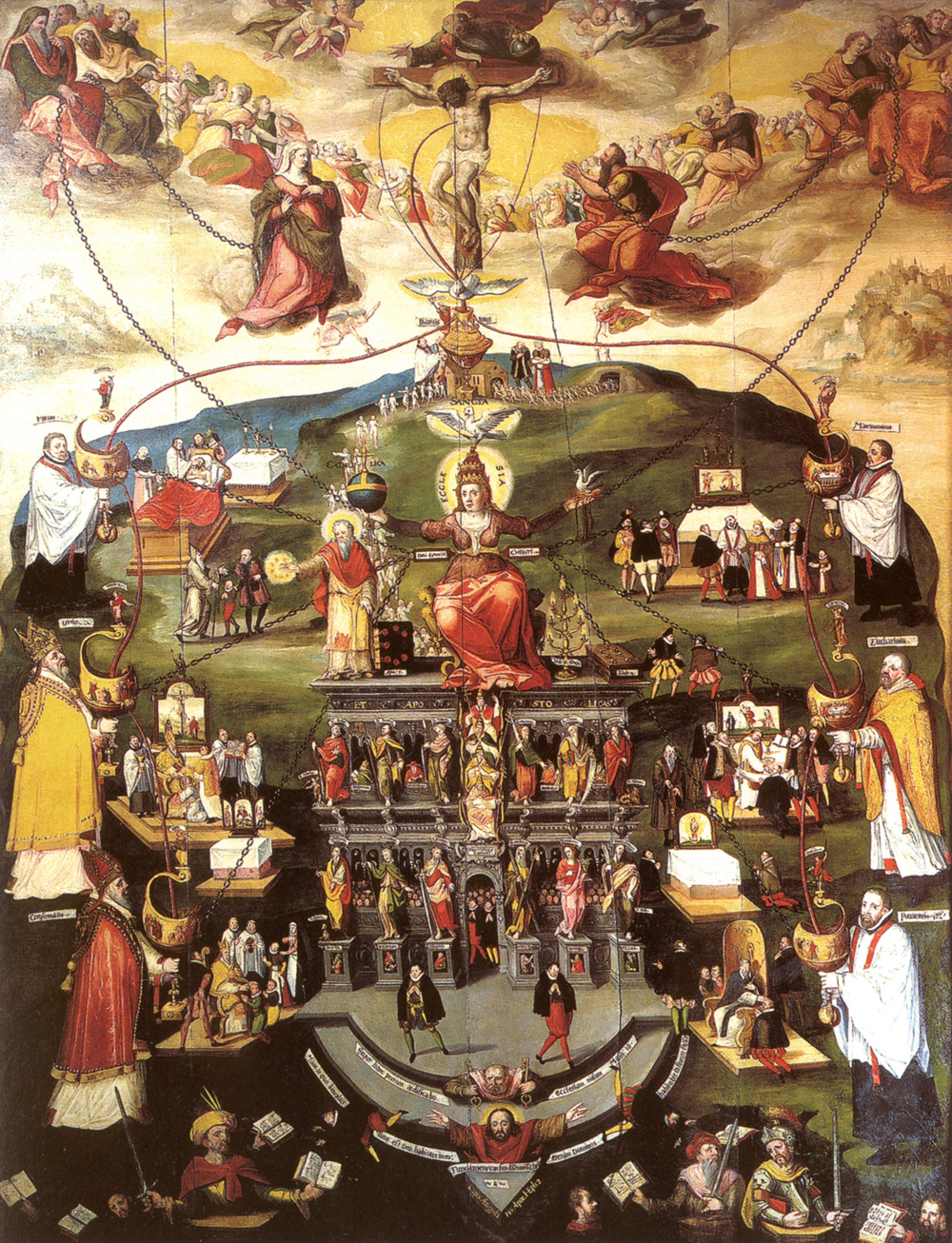 🇬🇷 GreeceSacred mysteriesμυστήριον
Secret ceremonies and divine doctrines held to exceed human reasonBelief · Speaking with spirits and the dead · Change and initiation Living
 🇪🇸 SpainAkelarre
The Basque name for a witches' sabbath, an assembly said to answer to a black he-goatBelief · Speaking with spirits and the dead · Cursing and harm Legendary
🇭🇹 HaitiPotomitanpoto mitan
The painted centre post of a Haitian Vodou temple, said to be the spirits' way downCharm · Speaking with spirits and the dead Living
 🇨🇺 Cuba and 1 moreInitiation in Santeríakariocha
The seven-day ceremony that makes a person a full practitioner of the Caribbean religion.Rite · Speaking with spirits and the dead · Power and authority Living
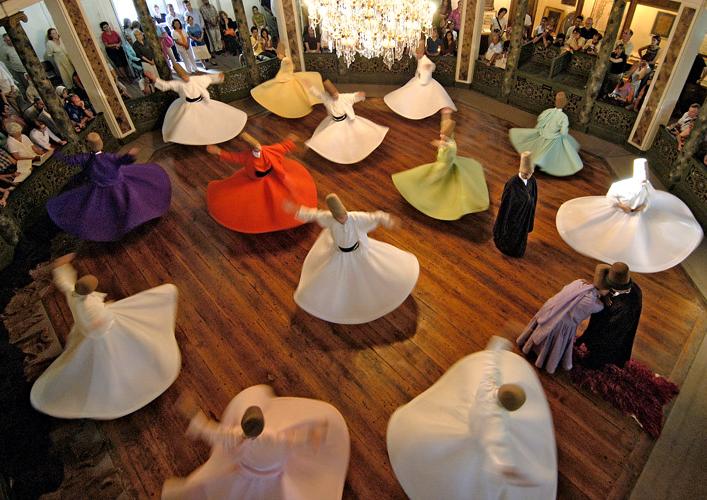 🇹🇷 Turkey and 3 moreSufi whirlingSemazen
A spinning meditation practiced by Sufi dervishes to reach spiritual connection with Allah.Tradition · Speaking with spirits and the dead · Love and attraction Living
 🇹🇷 Turkey and 2 moreHadraحضرة
A collective Sufi ritual of remembrance and chanting to experience Divine PresenceRite · Speaking with spirits and the dead · Power and authority Living
 🇨🇳 ChinaLute
A sealing paste for alchemical vessels and a joining technique in potterySubstance · Protection · Power and authority Historical
 🇯🇵 JapanKayu ura粥占
A Japanese Shinto divination ritual using rice or bean gruel to predict the harvest.Rite · Seeing and foretelling · Luck and prosperity Living
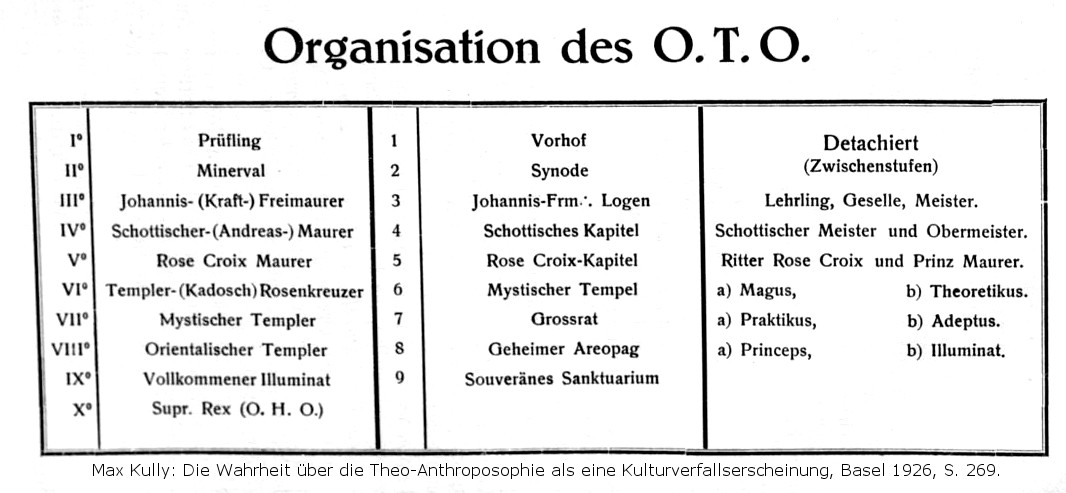 🇩🇪 Germany and 5 moreOrdo Templi Orientis
A secret occult order of initiation degrees, reshaped by Aleister CrowleyTradition · Change and initiation Living
 🇩🇿 AlgeriaMawsimموسم
Annual Maghrebi festival blending Sufi veneration with social and economic gatheringTradition · Speaking with spirits and the dead · Luck and prosperity Living
 🇨🇳 ChinaYao folk religion梅山教
The ethnic religion of the Yao, blended with Taoism since the 13th centuryTradition · Protection · Cleansing and purification Living
🇲🇱 MaliBinouba-binu
A secret Dogon order honoring ancestors through totemic animals and ritual sacrifice in Mali.Tradition · Protection · Speaking with spirits and the dead Living
 🇵🇪 PeruChakapa
A leaf rattle used by Amazonian healers in ayahuasca ceremonies and spirit cleansing rituals.Rite · Healing · Speaking with spirits and the dead Living
🇳🇵 Nepal and 3 moreGurung ShamanismTamu Cho
The ancient shamanic beliefs and rituals of the Gurung people in NepalTradition · Protection · Speaking with spirits and the dead Living
 🇮🇳 IndiaMaibi Jagoi
A shamanic ritual dance performed by Maibis during the Lai Haraoba ceremony in Manipur.Rite · Speaking with spirits and the dead Living
🇸🇦 Saudi Arabia and 2 moreBay'ahبيعة
An oath of loyalty and obedience given to a political or spiritual leader in Islamic traditionRite · Binding and oaths · Power and authority Living
 🇨🇳 ChinaShi尸
A living descendant who sat in place of a dead ancestor during ancient Chinese ritualsRite · Speaking with spirits and the dead · Luck and prosperity Historical
 🇮🇳 India and 3 moreOmॐ
A sacred syllable chanted in Hindu, Buddhist, Jain and Sikh practiceBelief · Speaking with spirits and the dead Living
 🇯🇵 JapanKimodameshi肝試し
A summer night custom of walking into frightening places to prove courageRite · Wonder and entertainment · Change and initiation Living
 🇷🇸 Serbia and 2 moreBibiBibijako Dive
A Romani holiday honoring a protective aunt figure for family and children's healthRite · Protection · Healing Living
🇯🇲 Jamaica and 1 moreNine-Night
A nine-day Caribbean wake rooted in Akan tradition to celebrate the deceased and guide their spirit home.Rite · Speaking with spirits and the dead Living
 🇵🇭 Philippines and 2 morePsychic surgery
A bare-handed 'operation' that investigators call conjuringBelief · Healing Historical
🇲🇽 MexicoVelada
A Mazatec healing ceremony using sacred plants to commune with the divineRite · Healing · Speaking with spirits and the dead Living
🇨🇳 ChinaChinese sorcery scares
A series of moral panics in Imperial China driven by fears of magical harm and hair cuttingBelief · Cursing and harm · Power and authority Historical
 🇬🇧 United Kingdom and 1 moreSkyclad
Naked ritual practice in Wicca and Modern PaganismRite · Speaking with spirits and the dead · Power and authority Living
 🇷🇴 Romania and 3 moreCălușariCălușarii
A Romanian men's dance society that tours villages from Easter to PentecostTradition · Healing · Binding and oaths Living
🇯🇲 Jamaica and 1 moreKromanti dance
A sacred Jamaican Maroon ceremony rooted in Asante traditions and ancestral possessionRite · Healing · Protection Living
 🇮🇪 Ireland and 1 moreKeeningcaoineadh
A Gaelic vocal lament for the dead, performed by hired mourners in Ireland and ScotlandRite · Speaking with spirits and the dead Historical
 🇮🇳 India and 1 moreRoshni Mela
A three-day fair of earthen lamps and prayers held at a Sufi shrine in Punjab.Tradition · Protection · Luck and prosperity Living
 🇮🇶 Iraq and 3 moreUmayyad tradition of cursing Ali
A state policy to denounce Ali during communal prayers under the Umayyad CaliphateRite · Cursing and harm · Binding and oaths Historical
 🇮🇪 IrelandTailteann GamesÁenach Tailteann
Ancient Irish funeral games and assemblies held in County Meath to honor the dead.Rite · Speaking with spirits and the dead · Luck and prosperity Historical
 🇮🇳 IndiaChhapar Mela
A three-day Punjabi fair for Gugga, a hero of legend said to command snakesRite · Protection · Healing Living
 🇻🇳 VietnamBà Chúa Kho
A Vietnamese temple where a grain goddess is asked for prosperityBeing · Luck and prosperity Living
🇮🇷 IranFāl-gūshفالگوش
A Persian divination custom of listening to strangers' words for omensRite · Seeing and foretelling Historical
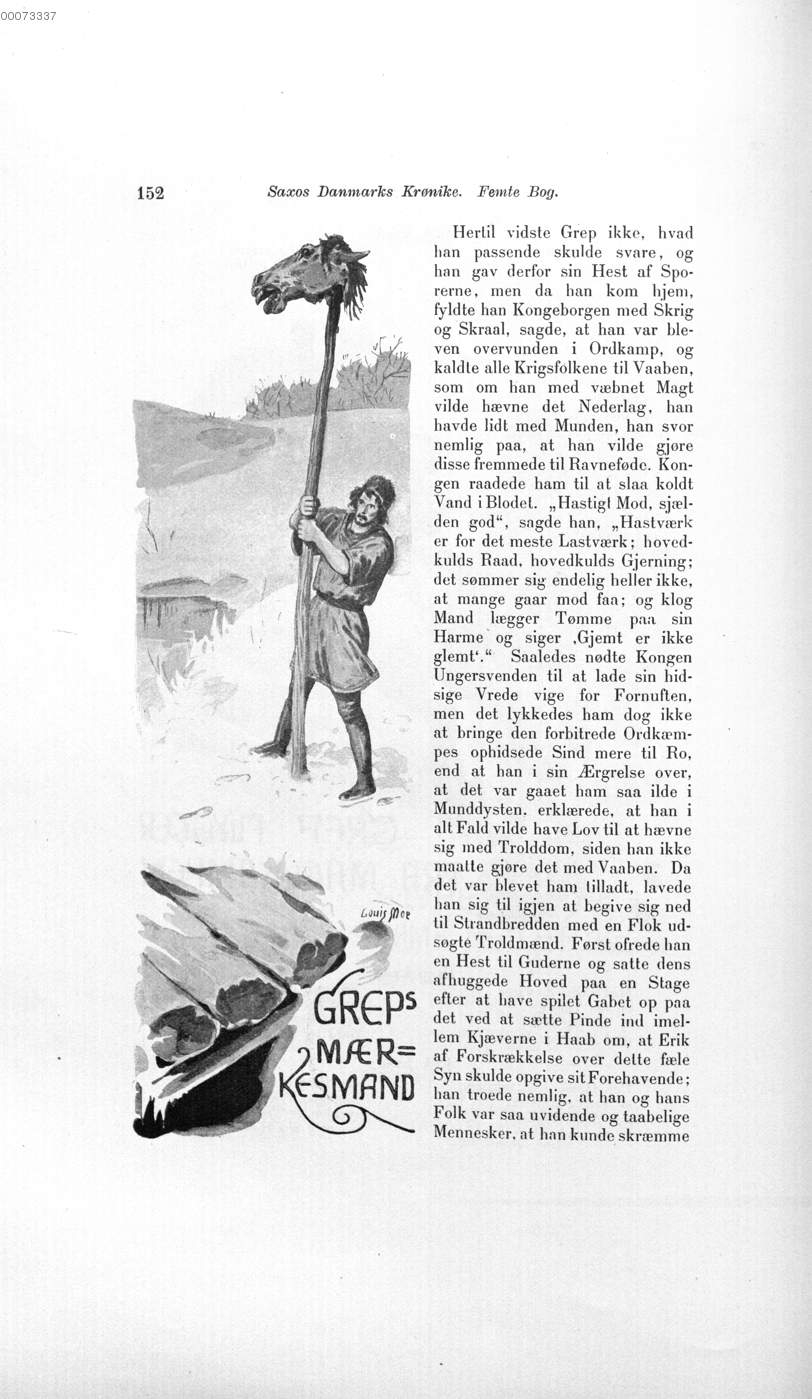 🇮🇸 Iceland and 1 moreNithing poleníðstǫng
A curse pole from Norse tradition used to shame or harm an enemyRite · Cursing and harm Living
 🇫🇷 FranceBlack Mass
A deliberate parody of the Catholic Mass, known mostly from French trials and booksRite · Cursing and harm · Love and attraction Living
 🇱🇰 Sri Lanka and 1 moreSanni Yakumaසන්නි යකුම
A traditional Sinhalese exorcism ritual featuring eighteen masked dances to banish illness-causing demons.Rite · Healing · Cursing and harm Living
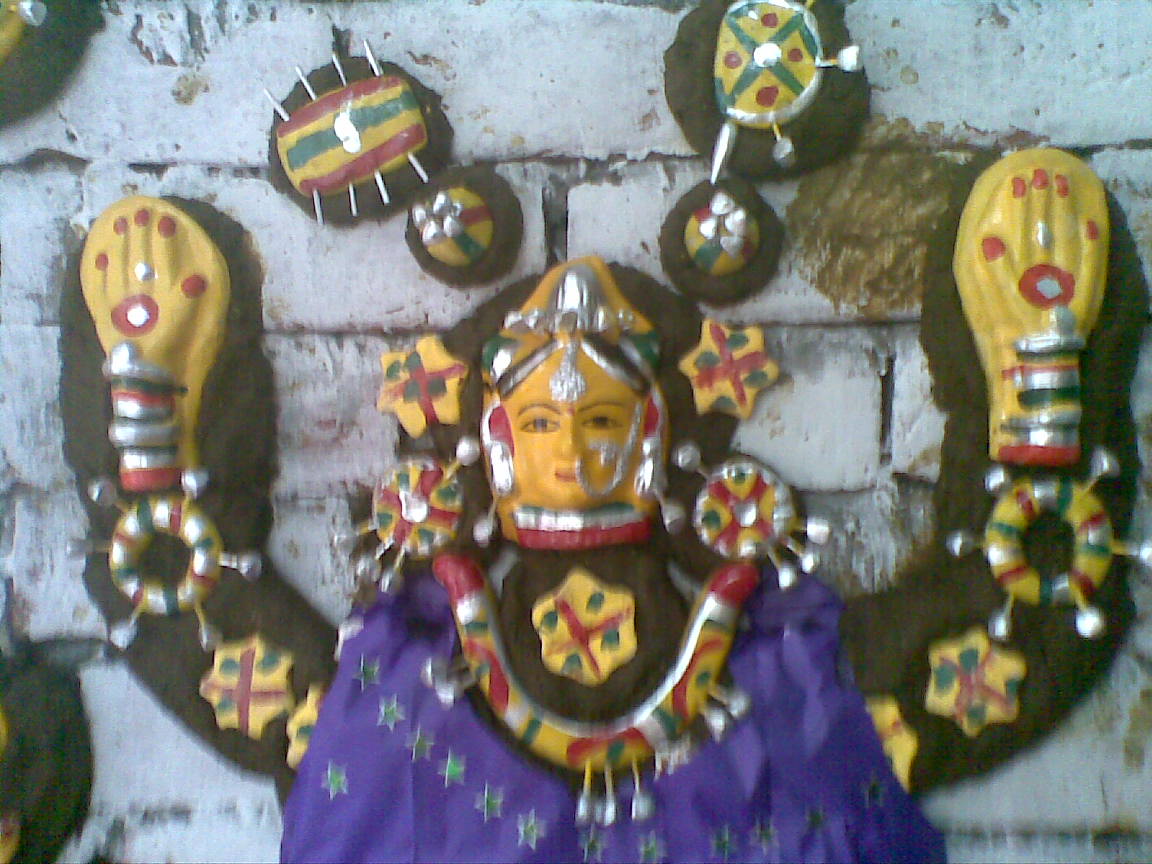 🇮🇳 IndiaSanjhi
A festival and art form honoring a mother goddess through clay images and colored designsTradition · Love and attraction · Luck and prosperity Living
 🇮🇳 IndiaChillaچله
A forty-day solitary retreat of fasting and meditation in Sufi traditionRite · Speaking with spirits and the dead · Power and authority Living
 🇻🇳 VietnamThánh Trần worshiptín ngưỡng thờ Đức Thánh Trần
A Vietnamese folk cult around a deified general, reached through mediums in trance danceTradition · Protection · Speaking with spirits and the dead Living
🇷🇺 Russia and 1 moreImitation of sounds in shamanism
Shamanic vocal and musical mimicry of nature to invoke spirits or transform identityRite · Speaking with spirits and the dead · Power and authority Living
 🇪🇸 SpainHuman sacrifice in the ancient Iberian Peninsula
Ancient ritual killings by Lusitanian and Vetton peoples for divination and warRite · Seeing and foretelling · Cursing and harm Historical
🇫🇮 Finland and 1 moreFrog coffin
A Finnish folk magic burial of a frog in a tiny coffin to steal luck or reflect harmRite · Protection · Cursing and harm Historical
Photo credits on this page
The small pictures above come from Wikimedia Commons under free licences. Some are cropped to fit.
- Chilla: Indischer Maler um 1630, Public domain, source
- Segnature: SeAnstapa, CC0, source
- Shamanism in Ayyavazhi: Vaikunda Raja, CC BY-SA 3.0, source
- New England vampire panic: no credited author, Public domain, source
- Ordeal of the bitter water: Charadron, CC BY-SA 4.0, source
- Sacred mysteries: Johannes Hopffe, Public domain, source
- Akelarre: Francisco Goya, Public domain, source
- Initiation in Santería: Ji-Elle, CC BY-SA 4.0, source
- Sufi whirling: myself, Public domain, source
- Hadra: Zeinebtakouti, CC BY-SA 4.0, source
- Lute: Gremelm, CC BY-SA 3.0, source
- Kayu ura: Yatukiyurei, CC BY-SA 4.0, source
- Ordo Templi Orientis: Its me, CC BY-SA 4.0, source
- Mawsim: Beghdadi Walid, CC BY-SA 4.0, source
- Yao folk religion: Daderot, Public domain, source
- Chakapa: Mario Martín /Archivo Centro Takiwasi, CC BY-SA 4.0, source
- Maibi Jagoi: Ramesh Lalwani, CC BY 2.0, source
- Shi: Jason Zou, Public domain, source
- Om: Anandajoti Bhikkhu, CC BY 2.0, source
- Kimodameshi: Tx-re, Public domain, source
- Bibi: Andrija12345678, CC BY-SA 4.0, source
- Psychic surgery: Brattarb, CC BY-SA 3.0, source
- Skyclad: Luis Ricardo Falero, Public domain, source
- Călușari: El bes, CC BY 3.0, source
- Keening: W.H. Brooke, Public domain, source
- Roshni Mela: FatherofGod, CC BY-SA 4.0, source
- Umayyad tradition of cursing Ali: Anwar Rizvi, CC BY 2.0, source
- Tailteann Games: Unknown author, Public domain, source
- Chhapar Mela: Stalinjeet, CC BY-SA 4.0, source
- Bà Chúa Kho: _Tam_quan_den_Ba_Chua_Kho_(Bac_Ninh).jpg : hqhuyanh, CC BY 1.0, source
- Nithing pole: r Saxo Gramaticus; tr. (Danish) Frederik Winkel Horn; illus. Louis Moe, Public domain, source
- Black Mass: Unknown XIXe s, Public domain, source
- Sanni Yakuma: Michael Gunther, CC BY-SA 4.0, source
- Sanjhi: Veer jindal, CC BY-SA 3.0, source
- Thánh Trần worship: Rio Lam, CC BY-SA 4.0, source
- Human sacrifice in the ancient Iberian Peninsula: Manuel Parada López de Corselas User:Manuel de Corselas ARS SUMMUM, Ce, Public domain, source