Beliefs, omens and superstitions
Luck and unluck, the evil eye, knocking on wood and the small customs people keep without asking why.
Beliefs, omens and superstitions are the small customs people keep without asking why: knocking on wood, salt over the shoulder, avoiding the number thirteen, the evil eye, a black cat crossing the road, a first visitor of the new year. They are found on every continent and are rarely tied to a priest or book. This page looks at where they come from, what the word superstition hides, and why they persist.
What they look like
Beliefs differ by place. The number four is avoided in China, Japan and Korea because it sounds like the word for death, while thirteen is avoided in much of the West. In India, a sneeze before leaving home may delay a journey, and a lemon and chillies are hung over a shop. The evil eye is feared under many names: nazar, mal de ojo, ayin hara. First-footing at new year in Scotland is said to bring luck to a house.
Whose word is superstition
The word superstition has a history. Roman writers used it for religion they disliked, and Christian writers for forbidden practice. Today it often means someone else's belief. Many religions regard some of their own customs as faith and others as superstition, and where the line falls depends on the speaker. Using the word can mark a speaker as modern and a neighbour as backward. Tests of common superstitions show that people who hold them are not less educated or less rational than others, and many hold them lightly.
Why people keep them
Psychologists find that superstition rises with uncertainty and stakes, which is why athletes, sailors, students and gamblers are known for them. Anthropologist Bronislaw Malinowski observed in the 1920s that Trobriand fishermen used rites in dangerous deep-sea fishing and not in safe lagoon fishing. Most people who follow small customs say they do so partly in jest and partly just in case. Similar customs turn up in places that have never met each other, which suggests that people everywhere respond to risk in similar ways.
When belief causes harm
Most superstitions are harmless. Some are not: beliefs about witchcraft have led to killings in parts of Africa, India and Papua New Guinea, and beliefs about albinism have led to attacks in Tanzania and Malawi. Others cost people money, as when a fee is demanded to lift a bad omen. Education, law and trusted community leaders have all been part of reducing harm. Campaigns by health workers, teachers and community radio have been effective where they listen first and explain later.
Belief on EveryJaadu
The entries written up so far, best known first.
 🇮🇷 Iran and 5 moreAxis mundi
A concept describing a central point connecting the earthly and heavenly realms.Belief · Speaking with spirits and the dead · Power and authority Historical
 🇸🇪 Sweden and 1 moreTroll crosstrollkors
A carved or bent iron sigil used in Sweden and Norway to ward off harmful magic and creatures.Charm · Protection Revived
 🇸🇪 Sweden and 3 moreAlu
A runic charm word found on Germanic artifacts, linked to magic and intoxication.Charm · Power and authority · Wonder and entertainment Historical
 🇱🇹 Lithuania and 2 moreEglė the Queen of SerpentsEglė žalčių karalienė
A Lithuanian folk tale about a woman who marries a serpent king and turns her family into trees.Figure · Wonder and entertainment Historical
 🇮🇸 Iceland and 3 moreDeal with the Devil
A cultural trope of trading one's soul for worldly favours in exchange for demonic aidBelief · Power and authority · Cursing and harm Historical
 🇪🇬 Egypt and 3 moreCrown of Immortality
A wreath of leaves, then a ring of stars, said to mark a life that does not endBelief · Power and authority Living
 🇫🇷 France and 1 moreGold of Tolosa
A legendary treasure hoard seized by Rome and lost to historyBelief · Luck and prosperity Historical
 🇫🇷 FranceBlack Mass
A deliberate parody of the Catholic Mass, known mostly from French trials and booksRite · Cursing and harm · Love and attraction Living
 🇸🇪 Sweden and 4 moreSun cross
A cross inside a circle found in prehistoric art and modern political symbolsBelief · Power and authority Historical
 🇪🇸 SpainIndalo
A Bronze Age pictograph used as a protective house charm and lucky symbol in Almería, SpainCharm · Protection · Luck and prosperity Living
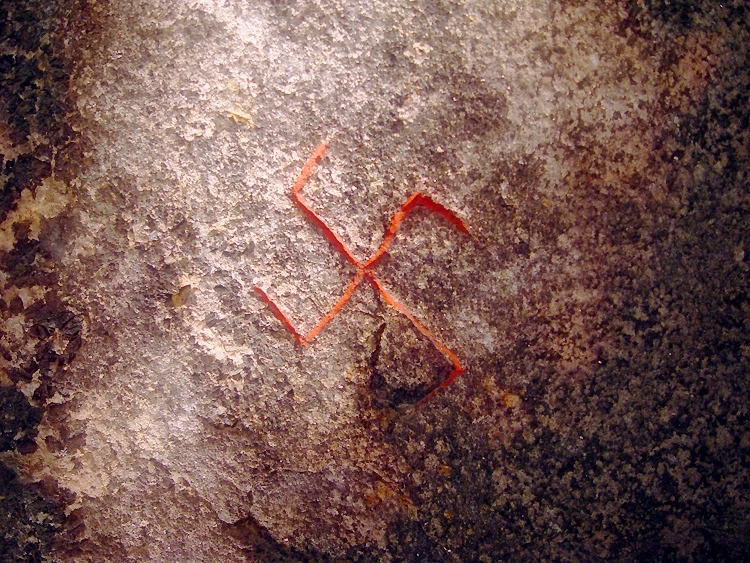 🇸🇪 Sweden and 4 moreSwastika (Germanic Iron Age)
A four-armed symbol found on Germanic artefacts from the Migration to Viking periods.Belief · Power and authority Historical
 🇪🇸 SpainWitches of Anaga
A Tenerife legend of women who danced at covens in the Anaga mountainsBelief · Cursing and harm Legendary
🇫🇷 FranceMagonia
A cloud realm of aerial sailors blamed for hail and stolen grain in medieval EuropeBelief · Cursing and harm · Luck and prosperity Historical
🇷🇴 RomaniaNosferatu
A word for 'vampire' made famous by Dracula, whose true origin is still unsettledBeing · Cursing and harm · Protection Legendary
 🇬🇧 United Kingdom and 1 moreWitchwiċċe
The English word for a magic-worker, from Old English wiċċe to WiccaFigure · Cursing and harm · Seeing and foretelling Living
🇬🇧 United KingdomCross-correspondences
Scripts from separate mediums, read together as messages from the deadBelief · Speaking with spirits and the dead Historical
 🇬🇧 United KingdomWitchcraft in early modern Walesdewiniaeth
A historical look at the rare witch trials and executions in Wales from the 1500s to the 1700sBelief · Cursing and harm · Protection Historical
🇬🇧 United KingdomCain bairns
A Scottish folk belief that witches took children as a tax to the DevilBelief Historical
 🇮🇪 IrelandBánánach
Battlefield spectres of early Irish story, tied to the din of warBeing · Cursing and harm Legendary
 🇬🇷 Greece and 1 moreAstrological symbols
Glyphs used to map celestial bodies and their positions in horoscopesBelief · Seeing and foretelling Living
 🇸🇪 SwedenNumbers in Germanic paganism
The sacred role of three and nine in ancient Germanic ritual and mythBelief · Power and authority Historical
 🇬🇷 GreeceMusica universalis
The idea that the planets move in musical proportions, silent to the earBelief Historical
🇳🇴 NorwayTycho Brahe daysTycho Brahes-dage
Scandinavian folklore dates believed to be unlucky for magic and businessBelief · Luck and prosperity Historical
 🇬🇧 United KingdomGreen Man
A leaf-clad figure of English pageants, and the carved heads in churchesFigure · Love and attraction Living
 🇫🇷 FranceOrléans heresy
A 1022 heresy trial at Orléans that ended in a mass burningBelief Historical
 🇬🇧 United KingdomTeinddeachamh
A Scottish tithe for clergy and a fairy tribute to the devilTradition · Power and authority Historical
 🇬🇧 United Kingdom and 5 moreWedding superstitions
Folk beliefs and omens tied to marriage customs across many culturesBelief · Protection · Luck and prosperity Living
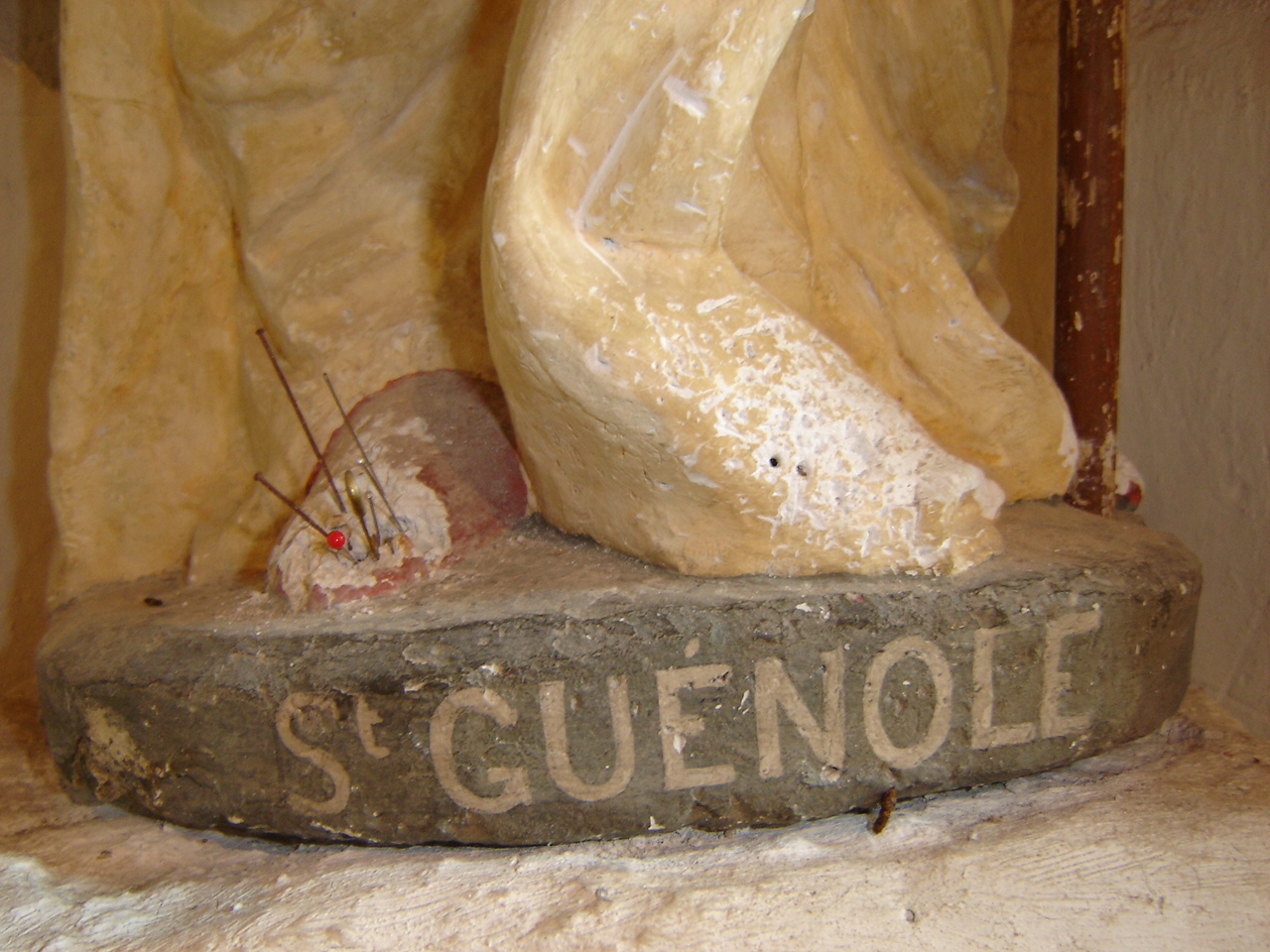 🇮🇹 Italy and 2 morePhallic saint
Saints and local gods called on for fertility, shown with a penisBelief · Love and attraction Historical
 🇮🇪 Ireland and 3 moreFairy path
An invisible route used by fairies, often straight and connecting sacred sitesBelief · Cursing and harm · Protection Historical
 🇵🇱 PolandFrankenstein town gravediggers scandal
A 1606 witchcraft trial in Silesia that may have inspired Mary Shelley's novelBelief · Cursing and harm Historical
 🇬🇷 GreeceLabrysλάβρυς
A double-headed axe from ancient Crete, now a symbol of lesbian feminism and neo-paganismCharm · Power and authority · Protection Living
🇷🇸 Serbia and 3 moreBožićБожић
A Slavic figure linked to the new year and spring, whose name now marks ChristmasFigure · Luck and prosperity · Wonder and entertainment Historical
 🇦🇺 Australia and 1 moreVoldemort effect
A social pattern where naming a fear or problem makes it seem more powerfulBelief · Cursing and harm Historical
 🇵🇹 Portugal and 5 moreWilgefortisVilgeforte
A bearded female martyr folk saint known for relieving women from unwanted marriages and tribulationsFigure · Protection · Cursing and harm Historical
 🇬🇧 United Kingdom and 1 moreFairy-locks
Knots in the hair of sleepers and horses, blamed on fairies at playBelief · Cursing and harm Legendary
🇮🇹 ItalyOmen (ancient Rome)omen
A sign in ancient Rome believed to reveal the future, good or bad.Belief · Seeing and foretelling Historical
🇮🇹 ItalyIn bocca al lupo
An Italian idiom wishing good luck by invoking danger, with a response asking for the wolf's death.Belief · Luck and prosperity Living
🇬🇷 GreeceIsopsephy
A Greek letter-number method that links words by equal totalsTradition Historical
 🇸🇪 Sweden and 1 moreStalloStállu
A large, clumsy creature from Sámi folklore that eats people and is often outwitted by humans.Being · Cursing and harm · Wonder and entertainment Historical
 🇬🇧 United KingdomCurse of Scotland
A nickname for a playing card linked to bad luck and Scottish historyBelief · Luck and prosperity Historical
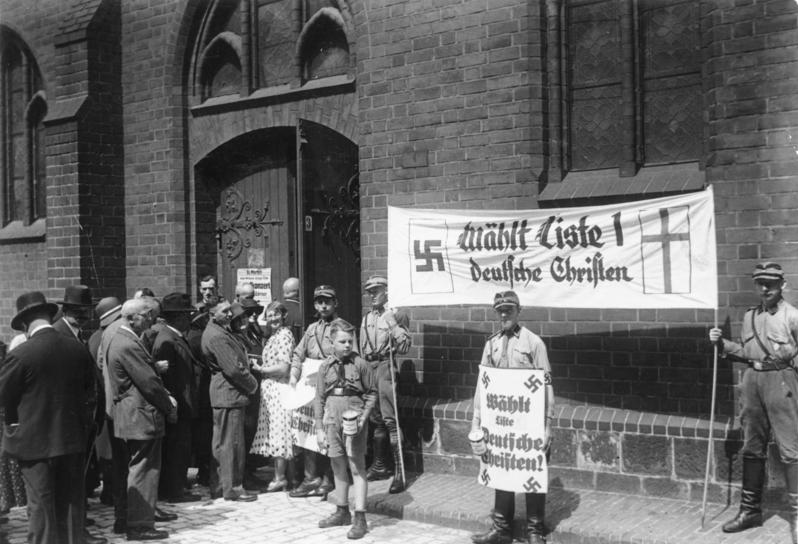 🇩🇪 Germany and 1 moreReligious aspects of Nazism
The study of how Nazi ideology borrowed religious forms and esoteric beliefs to build a political movement.Tradition · Power and authority · Cursing and harm Historical
🇨🇭 SwitzerlandSegen
A German term for blessing, charm, or spell rooted in Christian and folk traditions.Belief · Protection · Speaking with spirits and the dead Historical
🇸🇪 SwedenSpirit world
A realm inhabited by spirits, as described in Spiritualist beliefBelief · Speaking with spirits and the dead Living
 🇩🇪 Germany and 5 moreNazi UFOs
A conspiracy theory linking Nazi Germany to advanced flying discs and alien contact.Belief · Wonder and entertainment Historical
 🇵🇹 Portugal and 1 moreCurse of BraganzaMaldição dos Braganças
A historical myth about premature deaths in the Portuguese and Brazilian royal housesBelief Historical
 🇷🇸 Serbia and 1 moreVampire pumpkins and watermelons
A Balkan folk tale about ground fruit that turns into vampires.Belief · Cursing and harm Legendary
🇬🇧 United KingdomLantern man
A ghost light of the English fens said to lure victims into the marshesBelief · Cursing and harm Historical
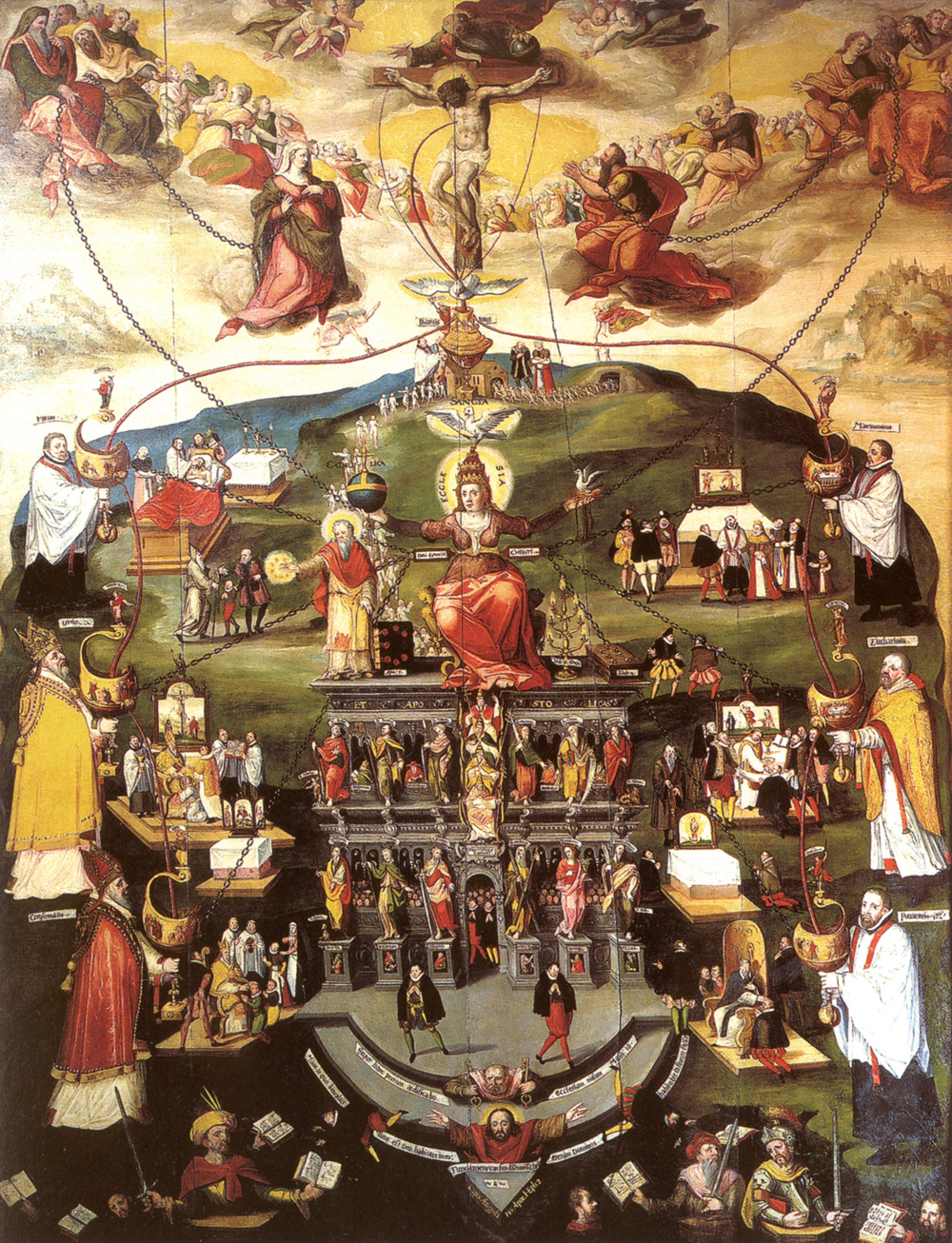 🇬🇷 GreeceSacred mysteriesμυστήριον
Secret ceremonies and divine doctrines held to exceed human reasonBelief · Speaking with spirits and the dead · Change and initiation Living
Photo credits on this page
The small pictures above come from Wikimedia Commons under free licences. Some are cropped to fit.
- Magic circle: John William Waterhouse, Public domain, source
- Apollo: Wolfgang Sauber, CC BY-SA 3.0, source
- Teind: Palickap, CC BY-SA 4.0, source
- Irish folklore: Unknown author, Public domain, source
- Wedding superstitions: Anonymous Unknown author, Public domain, source
- Fairy path: Aviddoghug at English Wikipedia ( Original text: David Gough ), Public domain, source
- Frankenstein town gravediggers scandal: Jacek Halicki, CC BY-SA 3.0 pl, source
- Fairy-locks: Tsaag Valren, CC BY-SA 4.0, source
- Wilgefortis: Hieronymus Bosch, Public domain, source
- Stallo: John Bauer, Public domain, source
- Religious aspects of Nazism: Unknown author, CC BY-SA 3.0 de, source
- Nazi UFOs: Nesnad, CC0, source
- Vampire pumpkins and watermelons: The original uploader was Ke4roh at English Wikipedia ., Public domain, source
- Sacred mysteries: Johannes Hopffe, Public domain, source
- Green Man: Unknown author, CC BY-SA 3.0, source
- Axis mundi: Unknown author, Public domain, source
- Troll cross: Unknown author, Public domain, source
- Alu: Bloodofox, CC BY-SA 3.0, source
- Eglė the Queen of Serpents: Huw, CC BY 2.0, source
- Deal with the Devil: Christoph, Public domain, source
- Crown of Immortality: https://commons.wikimedia.org/wiki/User:Xauxa, CC BY-SA 3.0, source
- Gold of Tolosa: AchilleT, Public domain, source
- Sun cross: National Museum of Denmark, CC BY-SA 3.0, source
- Indalo: Ismael Olea, Public domain, source
- Swastika (Germanic Iron Age): No machine-readable author provided. Bloodofox~commonswiki assumed (ba, Public domain, source
- Witches of Anaga: User:Beneharo Hdez., CC BY 3.0, source
- Witchcraft in early modern Wales: Joan Blaeu / Joan Blaeu, Public domain, source
- Astrological symbols: Peter Presslein, CC BY-SA 3.0, source
- Numbers in Germanic paganism: Sendelbach ( talk ), CC BY-SA 3.0, source
- Musica universalis: Ebenezer Sibly [1], Public domain, source
- Curse of Scotland: James Gillray (died 1815), Public domain, source
- Curse of Braganza: Unknown author, Public domain, source
- Black Mass: Unknown XIXe s, Public domain, source
- Orléans heresy: Émile Bayard, Public domain, source
- Phallic saint: No machine-readable author provided. Manproc assumed (based on copyrig, CC BY-SA 3.0, source
- Voldemort effect: Shayan Barjesteh van Waalwijk van Doorn, CC BY-SA 4.0, source