Beliefs, omens and superstitions
Luck and unluck, the evil eye, knocking on wood and the small customs people keep without asking why.
Beliefs, omens and superstitions are the small customs people keep without asking why: knocking on wood, salt over the shoulder, avoiding the number thirteen, the evil eye, a black cat crossing the road, a first visitor of the new year. They are found on every continent and are rarely tied to a priest or book. This page looks at where they come from, what the word superstition hides, and why they persist.
What they look like
Beliefs differ by place. The number four is avoided in China, Japan and Korea because it sounds like the word for death, while thirteen is avoided in much of the West. In India, a sneeze before leaving home may delay a journey, and a lemon and chillies are hung over a shop. The evil eye is feared under many names: nazar, mal de ojo, ayin hara. First-footing at new year in Scotland is said to bring luck to a house.
Whose word is superstition
The word superstition has a history. Roman writers used it for religion they disliked, and Christian writers for forbidden practice. Today it often means someone else's belief. Many religions regard some of their own customs as faith and others as superstition, and where the line falls depends on the speaker. Using the word can mark a speaker as modern and a neighbour as backward. Tests of common superstitions show that people who hold them are not less educated or less rational than others, and many hold them lightly.
Why people keep them
Psychologists find that superstition rises with uncertainty and stakes, which is why athletes, sailors, students and gamblers are known for them. Anthropologist Bronislaw Malinowski observed in the 1920s that Trobriand fishermen used rites in dangerous deep-sea fishing and not in safe lagoon fishing. Most people who follow small customs say they do so partly in jest and partly just in case. Similar customs turn up in places that have never met each other, which suggests that people everywhere respond to risk in similar ways.
When belief causes harm
Most superstitions are harmless. Some are not: beliefs about witchcraft have led to killings in parts of Africa, India and Papua New Guinea, and beliefs about albinism have led to attacks in Tanzania and Malawi. Others cost people money, as when a fee is demanded to lift a bad omen. Education, law and trusted community leaders have all been part of reducing harm. Campaigns by health workers, teachers and community radio have been effective where they listen first and explain later.
Belief on EveryJaadu
The entries written up so far, best known first.
 🇩🇪 GermanyAGLAאגלא
A Hebrew magic word used in Jewish and medieval European charmsBelief · Protection Historical
 🇺🇸 United StatesSecond-term curse
A belief that U.S. presidents face greater trouble in their second term than their first.Belief Historical
 🇮🇱 Israel and 2 moreNehushtanנְחֻשְׁתָּן
A bronze serpent on a pole from the Hebrew Bible, once worshipped for healing before its destruction.Charm · Healing · Protection Historical
🇬🇧 United KingdomScottish pork taboo
A historical aversion to eating pork in Scotland, debated as superstition or economic necessityBelief Historical
🇨🇳 ChinaWude Zhongshi Shuo五德終始說
An imperial Chinese theory that matched each ruling dynasty to one of the Five PhasesBelief · Power and authority · Seeing and foretelling Historical
🇺🇸 United StatesCrawfordsville monster
A white, flapping shape seen over an Indiana town in 1891, later traced to birdsBeing Historical
🇯🇵 JapanAyakashi妖
Water spirits and ghost lights in Japanese folkloreBeing · Cursing and harm · Luck and prosperity Historical
 🇨🇦 CanadaOak Island mystery
A centuries-old legend of buried treasure and unexplained engineering on a Canadian island.Belief · Luck and prosperity Historical
 🇮🇹 ItalyFascinusfascinum
A Roman phallus image and charm, kept to turn away envyBeing · Protection · Luck and prosperity Historical
 🇪🇬 EgyptEgyptian days
Medieval calendar days believed to bring bad luck for new ventures and medical proceduresBelief · Luck and prosperity Historical
 🇯🇵 JapanMononoke物の怪
A Japanese term for spirits believed to cause illness and misfortune through possession or curses.Being · Cursing and harm · Healing Historical
 🇬🇧 United KingdomWarlock
A word for a male witch, rooted in an old term for oath-breaker and devil pactsFigure · Cursing and harm · Seeing and foretelling Historical
 🇮🇪 Ireland and 1 moreAirship of Clonmacnoise
A medieval Irish legend of a ship in the sky and its anchorBelief · Wonder and entertainment Historical
🇯🇵 JapanJanjanbiじゃんじゃん火
Atmospheric ghost lights from Nara Prefecture, said to be the spirits of lovers or a wronged commander.Belief Historical
 🇱🇷 LiberiaMaryland ritual killings
A 1970s Liberian case of ritual murders and the public executions that followedBelief · Cursing and harm Historical
 🇬🇧 United KingdomTeinddeachamh
A Scottish tithe for clergy and a fairy tribute to the devilTradition · Power and authority Historical
 🇮🇳 India and 4 moreKala paniकाला पानी
A Hindu taboo against crossing the sea that threatens caste status and spiritual purity.Belief · Cursing and harm Historical
🇺🇸 United StatesJewett City vampires
A 19th-century New England family's belief in undead plague and their violent response to it.Belief · Protection Historical
 🇮🇪 Ireland and 3 moreFairy path
An invisible route used by fairies, often straight and connecting sacred sitesBelief · Cursing and harm · Protection Historical
 🇯🇵 JapanGoryō御霊
A Japanese belief in appeasing vengeful spirits through Shinto shrinesBelief · Protection · Speaking with spirits and the dead Historical
 🇵🇱 PolandFrankenstein town gravediggers scandal
A 1606 witchcraft trial in Silesia that may have inspired Mary Shelley's novelBelief · Cursing and harm Historical
🇮🇶 IraqHufaidhحفيظ
A legendary island said to dwell in the southern Iraqi marshesBelief · Wonder and entertainment Historical
🇷🇸 Serbia and 3 moreBožićБожић
A Slavic figure linked to the new year and spring, whose name now marks ChristmasFigure · Luck and prosperity · Wonder and entertainment Historical
 🇵🇹 Portugal and 5 moreWilgefortisVilgeforte
A bearded female martyr folk saint known for relieving women from unwanted marriages and tribulationsFigure · Protection · Cursing and harm Historical
 🇸🇪 Sweden and 1 moreStalloStállu
A large, clumsy creature from Sámi folklore that eats people and is often outwitted by humans.Being · Cursing and harm · Wonder and entertainment Historical
🇮🇳 IndiaKeśin
A Vedic hymn describing long-haired ascetics who travel on the wind and share a cup with Rudra.Tradition · Power and authority · Wonder and entertainment Historical
🇮🇹 ItalyOmen (ancient Rome)omen
A sign in ancient Rome believed to reveal the future, good or bad.Belief · Seeing and foretelling Historical
🇯🇵 JapanNarigama鳴釜
A Japanese yōkai and Shinto divination ritual based on the sound of a heated pot.Figure · Seeing and foretelling · Luck and prosperity Historical
🇬🇷 GreeceIsopsephy
A Greek letter-number method that links words by equal totalsTradition Historical
🇺🇸 United StatesCurse of the Boulder Valley
A legend attributed to Chief Niwot about the valley's beauty and its futureBelief · Cursing and harm Historical
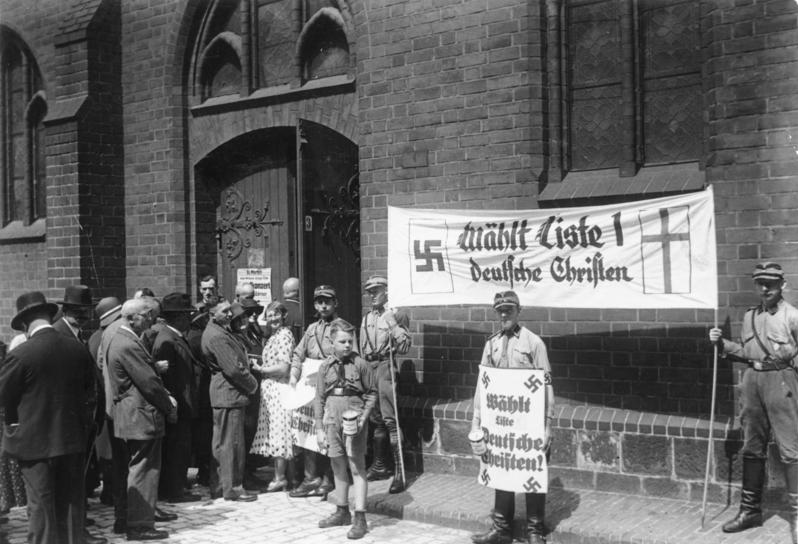 🇩🇪 Germany and 1 moreReligious aspects of Nazism
The study of how Nazi ideology borrowed religious forms and esoteric beliefs to build a political movement.Tradition · Power and authority · Cursing and harm Historical
🇨🇭 SwitzerlandSegen
A German term for blessing, charm, or spell rooted in Christian and folk traditions.Belief · Protection · Speaking with spirits and the dead Historical
 🇷🇺 Russia and 1 moreTelekinesis
A purported psychic ability to move objects with the mind aloneBelief · Wonder and entertainment Historical
 🇮🇶 Iraq and 3 moreUmayyad tradition of cursing Ali
A state policy to denounce Ali during communal prayers under the Umayyad CaliphateRite · Cursing and harm · Binding and oaths Historical
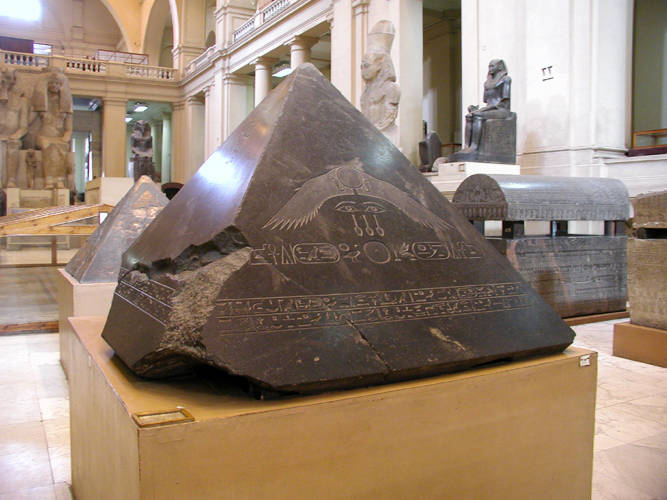 🇪🇬 EgyptBenben
The primeval mound of Egyptian creation myth and the stone cap of a pyramidBelief · Power and authority Historical
 🇪🇬 Egypt and 5 moreWorship of heavenly bodies
Veneration of stars, planets, and the sky as divine forces or deitiesTradition · Protection · Power and authority Historical
🇳🇴 NorwayTycho Brahe daysTycho Brahes-dage
Scandinavian folklore dates believed to be unlucky for magic and businessBelief · Luck and prosperity Historical
 🇯🇵 Japan and 5 moreSmallpox demon疱瘡神 (Hōsōgami)
A spirit blamed for smallpox in medieval Japan and the rituals used to appease itBeing · Protection · Cursing and harm Historical
🇬🇧 United KingdomLantern man
A ghost light of the English fens said to lure victims into the marshesBelief · Cursing and harm Historical
🇺🇸 United StatesCurse of Rocky Colavito
A baseball superstition linking a 1960 player trade to decades of team failureBelief · Luck and prosperity Historical
🇮🇱 Israel and 2 moreBiblical numerology
A system of interpreting numbers in sacred texts as carrying symbolic meaning beyond their mathematical valueBelief · Speaking with spirits and the dead Historical
 🇪🇬 EgyptMaatmꜣꜥt
An Egyptian idea of truth, law and balance, and the goddess who stands for itBelief · Power and authority Historical
 🇺🇸 United StatesBelled buzzard
A folklore omen of disaster, depicted as a vulture wearing a bellBelief · Cursing and harm Historical
🇸🇾 Syria and 1 moreSea-HorseSeepferd
A Syrian folktale about a princess who loses her supernatural horse-husband and quests to find him.Figure · Love and attraction · Cursing and harm Historical
🇨🇳 ChinaMien shiang面相
A Chinese practice of reading character and fate through facial featuresBelief · Seeing and foretelling · Healing Historical
🇯🇵 JapanShiranui不知火
Atmospheric ghost lights of the Yatsushiro and Ariake Seas in JapanBelief · Wonder and entertainment · Luck and prosperity Historical
 🇨🇳 China and 1 moreLegend of the White Snake白蛇傳
A Chinese folktale about a snake spirit who becomes human to love a mortal manFigure · Love and attraction · Cursing and harm Historical
Photo credits on this page
The small pictures above come from Wikimedia Commons under free licences. Some are cropped to fit.
- AGLA: Stephan Michelspacher, Public domain, source
- Second-term curse: Achille Beltrame, Public domain, source
- Nehushtan: Michelangelo, Public domain, source
- Oak Island mystery: Unknown author, CC BY-SA 3.0, source
- Fascinus: Vassil, Public domain, source
- Egyptian days: Unknown Unknown (Paris scriptorium), Public domain, source
- Mononoke: Unknown author, Public domain, source
- Warlock: John Faed RSA. 1855., Public domain, source
- Airship of Clonmacnoise: Joseph Mischyshyn, CC BY-SA 2.0, source
- Maryland ritual killings: Fred van der Kraaij, CC BY-SA 4.0, source
- Teind: Palickap, CC BY-SA 4.0, source
- Kala pani: =This media: Fconaway ( talk ) ( Uploads ); Original work: ; Subject w, Public domain, source
- Fairy path: Aviddoghug at English Wikipedia ( Original text: David Gough ), Public domain, source
- Goryō: Tsukioka Yoshitoshi (1839–1892), Public domain, source
- Frankenstein town gravediggers scandal: Jacek Halicki, CC BY-SA 3.0 pl, source
- Wilgefortis: Hieronymus Bosch, Public domain, source
- Stallo: John Bauer, Public domain, source
- Religious aspects of Nazism: Unknown author, CC BY-SA 3.0 de, source
- Telekinesis: Strobridge Lithographing Co., Public domain, source
- Umayyad tradition of cursing Ali: Anwar Rizvi, CC BY 2.0, source
- Benben: Unknown author, Public domain, source
- Worship of heavenly bodies: Jean-Pierre Dalbéra, CC BY 2.0, source
- Smallpox demon: 佐賀県立図書館, CC0, source
- Maat: anonymous, Public domain, source
- Belled buzzard: Saturday Evening Post Irvin Cobb Douglas Durr, Public domain, source
- Legend of the White Snake: Unknown author, CC BY-SA 3.0, source