Spirits, creatures and beings
Djinn, fairies, orisha, golems and the other powers that magic deals with.
Beings are the powers that magic deals with: spirits, ancestors, gods, djinn, fairies, orisha, nats, kami, demons, golems, ghosts and the many kinds of household and landscape spirit. People in most cultures have described a world shared with unseen others, who may help, trouble or ask for respect. This page covers what these beings are said to be and the very different ways communities relate to them. They are always described here as what communities believe, not as established fact.
Different kinds of beings
A being can be a god with a priesthood, such as an orisha served in Yoruba religion, Cuba and Brazil. It can be an ancestor, honoured in China, Africa and Mexico. It can belong to a place, such as the kami of Shinto, the Thai phi or the Burmese nats. It can be a trouble-maker, like the djinn of Arabic and Islamic tradition, formed from smokeless fire, or the fairies of Ireland, whom people avoided naming.
Relationship, not command
In many traditions, a person does not command a being but enters a relationship with it, through offerings, promises and respect. Possession and mediumship are forms of that relationship, as in Vodou, Candomblé, Korean mudang rites and Sufi gatherings. In ceremonial magic of the European grimoires, by contrast, the magician summons spirits by name and authority, which the Church condemned as demon-raising. The same being may be loved in one household and feared in the next, and a spirit helpful to its servant can be harmful to a stranger.
Religions and renaming
Dominant religions often absorbed beings by relabelling them. Christian missionaries called many African and Indigenous spirits demons. Islam reads the djinn as real creatures, some of whom are Muslim, and Hindu and Buddhist traditions fold local deities into their own pantheons. Pagan and fairy beliefs were sometimes recast as the devil's work, which fed witch trials in Europe. Churches and mosques have sometimes divided beings into good and evil in ways the older traditions did not, so that a neutral local spirit became a demon on the day a missionary arrived.
Harm and interpretation
Belief in harmful spirits has been used to accuse people. Children in parts of West and Central Africa have been branded as witches possessed by evil spirits, and some have been abused by pastors or families in the name of deliverance. Scholars read spirit beliefs as ways to make sense of illness, loss and conflict, and many communities see them simply as neighbours. That is why accusations tied to spirit beliefs fall hardest on children and the vulnerable, and why many agencies train local leaders to challenge them.
Being on EveryJaadu
The entries written up so far, best known first.
 🇲🇲 MyanmarMythical creatures in Burmese folklore
A collection of spirits, beasts and hybrids from Myanmar's stories and playsBeing · Wonder and entertainment Living
🇰🇷 South Korea and 1 moreDokkaebi도깨비
A one-legged supernatural being from Korean folklore, often linked to household objects and magical items.Being · Wonder and entertainment · Luck and prosperity Legendary
🇺🇸 United States and 5 moreLady in Red
A female ghost in a scarlet dress, often linked to tragic or violent deaths.Being · Wonder and entertainment Living
 🇭🇺 Hungary and 1 moreSárkány
A winged reptilian beast from Hungarian folklore, linked to weather and literary heroes.Being · Cursing and harm · Wonder and entertainment Historical
🇯🇵 JapanTaka-Onna高女
A Japanese yokai of a tall woman said to spy on brothels from above.Being · Wonder and entertainment Historical
 🇬🇧 United Kingdom and 1 moreGiants (esotericism)
Spiritual beings linked to lost continents and root races in occult literatureBeing · Wonder and entertainment Historical
🇺🇸 United StatesTeakettler
A shy lumber-camp creature said to whistle like a boiling kettle and walk backwardsBeing · Wonder and entertainment Legendary
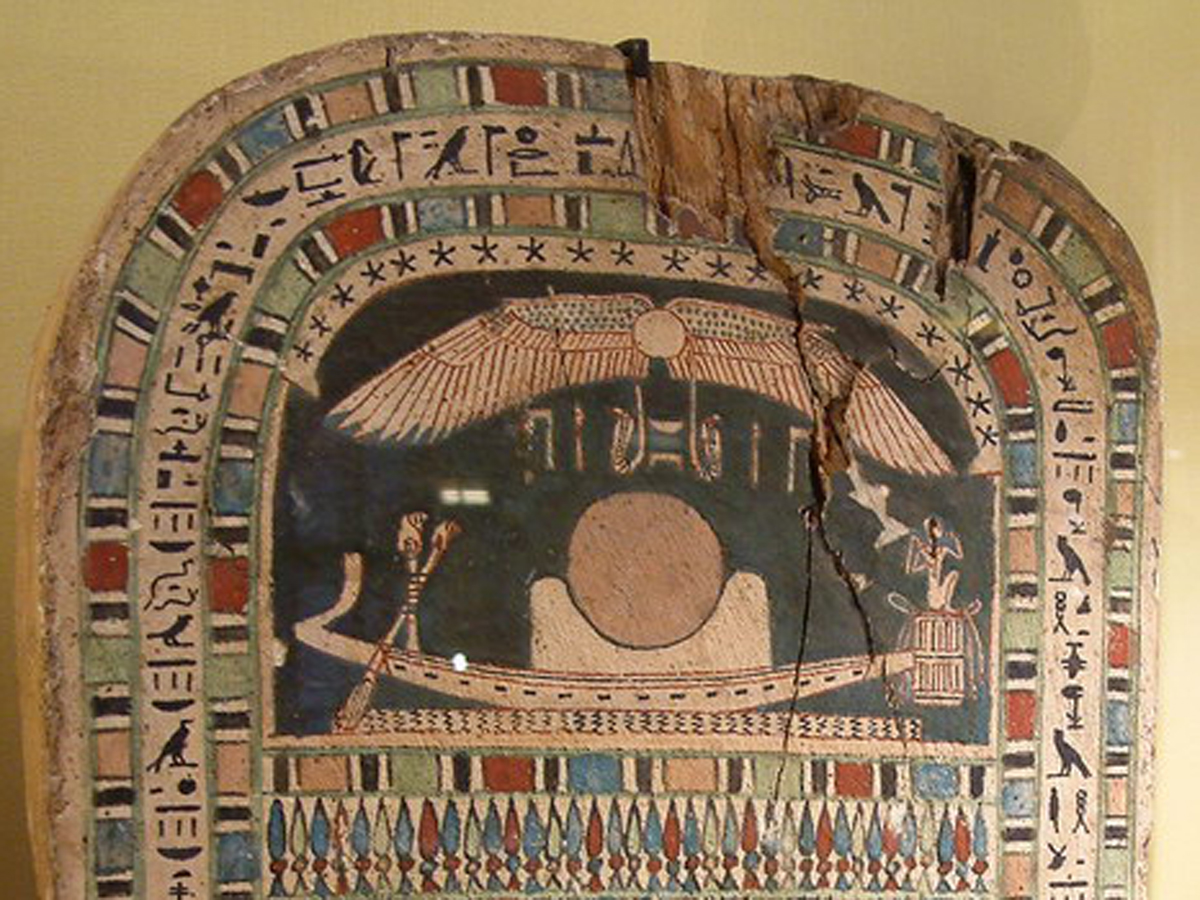 🇪🇬 EgyptSolar barque
The mythological vessels used by the sun god Ra to travel across the sky and through the underworld in ancient Egypt.Being · Wonder and entertainment Historical
🇸🇪 SwedenBysen
A cursed forest spirit of Gotland that misleads travelers and tends the woods.Being · Cursing and harm · Wonder and entertainment Legendary
 🇮🇩 IndonesiaOrang Pendek
A bipedal primate said to live in the forests of SumatraBeing · Wonder and entertainment Legendary
 🇯🇵 Japan and 1 moreBake-danuki化け狸
A shape-shifting raccoon dog spirit from Japanese folklore known for pranks and illusions.Being · Cursing and harm · Luck and prosperity Legendary
 🇬🇷 GreeceCentaurideΚενταυρίδε (Kentauride)
A female centaur from Greek mythology, depicted in art and literature as a hybrid of woman and horse.Being · Wonder and entertainment Legendary
🇬🇧 United KingdomDunnie
A border spirit that mimics horses and sings of lost treasureBeing · Cursing and harm · Wonder and entertainment Historical
🇯🇵 JapanIkuchiゐくち
A legendary sea serpent from Japanese folklore that leaves oil on shipsBeing · Wonder and entertainment Legendary
 🇬🇷 GreeceNymphνύμφη
A nature spirit from Greek myth, tied to specific places like springs or trees, often seen as a maiden.Being · Healing · Seeing and foretelling Historical
🇬🇧 United Kingdom and 1 moreBogle
A Northumbrian and Scots household spirit or ghost known for perplexing people.Being · Cursing and harm · Wonder and entertainment Historical
🇮🇱 IsraelAdne Sadehאַדְנֵי הַשָּׂדֶה
A wild humanoid from Jewish folklore tethered to the earth by its navelBeing · Wonder and entertainment Legendary
 🇸🇪 Sweden and 1 moreStalloStállu
A large, clumsy creature from Sámi folklore that eats people and is often outwitted by humans.Being · Cursing and harm · Wonder and entertainment Historical
 🇯🇵 JapanYamabiko山彦
A mountain spirit believed to be the voice behind echoes in Japanese folklore.Being · Wonder and entertainment Legendary
 🇨🇳 ChinaAo鰲
A colossal sea turtle of Chinese myth whose legs support the skyBeing · Protection · Wonder and entertainment Legendary
🇮🇳 IndiaBaakবাক
A shapeshifting water spirit from Assamese folklore that mimics humans and fears torn nets.Being · Cursing and harm · Wonder and entertainment Living
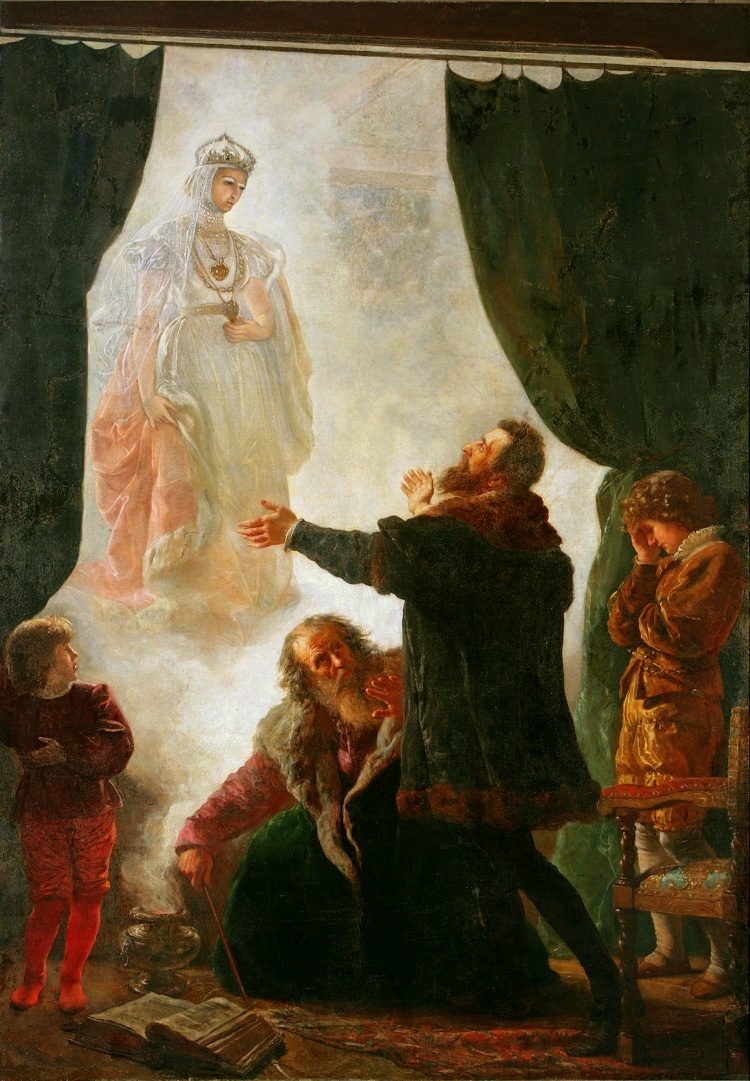 🇩🇪 Germany and 4 moreWeiße Frauen
Elven spirits of sunlight and water in Germanic folkloreBeing · Wonder and entertainment Historical
🇺🇸 United StatesJogahJigáhęh
Invisible little people of Haudenosaunee lore who guard the land and play tricks.Being · Protection · Speaking with spirits and the dead Living
 🇨🇳 ChinaLuduan甪端
A mythical Chinese creature said to speak every language and travel vast distances in a single dayBeing · Wonder and entertainment Legendary
🇯🇵 JapanTōfu-kozō豆腐小僧
A Japanese yōkai depicted as a child carrying a tray of tofu, popular in Edo period literature.Being · Wonder and entertainment Historical
 🇬🇷 GreeceHarpyἅρπυια (hárpyia)
Half-human, half-bird creatures from Greek and Roman myth, often seen as storm winds or snatchers of food.Being · Cursing and harm · Wonder and entertainment Legendary
🇹🇼 TaiwanLui-kong-tsiau雷公鳥
A Taiwanese thunder-creature said to summon storms from treetopsBeing · Wonder and entertainment Legendary
🇸🇪 SwedenVardøger
A spirit double that precedes a person in time and spaceBeing · Wonder and entertainment Legendary
🇯🇵 JapanTsuchinokoツチノコ
A snake-like cryptid from Japanese folklore said to roll like a wheelBeing · Wonder and entertainment Legendary
 🇸🇪 Sweden and 2 moreSea monk
A sixteenth-century sea creature said to look like a human monk in robesBeing · Wonder and entertainment Legendary
 🇮🇩 IndonesiaGajamina
An elephant-headed fish creature used in Balinese sarcophagi and star namesBeing · Wonder and entertainment Legendary
🇮🇳 IndiaPandi
A legendary race of giant-eared people from ancient geographic textsBeing · Wonder and entertainment Legendary
 🇬🇷 GreeceSatyrσάτυρος
A male nature spirit from Greek myth, known for bestial features and wild behavior.Being · Wonder and entertainment Legendary
🇯🇵 JapanTsurubebi釣瓶火
A hanging fire spirit from Japanese folklore, linked to trees and mountain paths.Being · Wonder and entertainment Historical
🇯🇵 JapanKotobuki寿
A Japanese chimera combining features of all twelve Chinese zodiac animalsBeing · Wonder and entertainment Legendary
🇯🇵 JapanOshiroibabā白粉ばばあ
A yōkai old woman from Nara folklore linked to white powder and mirrors.Being · Wonder and entertainment Historical
 🇫🇷 France and 2 moreTarasqueTarasca
A mythical beast from Provence tamed by Saint Martha and paraded in festivalsBeing · Wonder and entertainment Living
🇯🇵 Japan and 5 moreMythic humanoids
Creatures that blend human and animal traits across global folkloreBeing · Wonder and entertainment Legendary
 🇫🇮 Finland and 1 moreVäinämöinen
An ancient Finnish demigod and master singer from the Kalevala epicBeing · Wonder and entertainment Historical
 🇳🇴 NorwayTroll
A Nordic creature of folklore and myth, ranging from mountain dwellers to modern fantasy icons.Being · Wonder and entertainment Legendary
🇯🇵 JapanBetobeto-sanべとべとさん
A Japanese yōkai that follows walkers on dark roads and makes footsteps sounds.Being · Wonder and entertainment Legendary
 🇸🇾 Syria and 1 moreHumbaba
A Mesopotamian giant who guarded the cedar forest and faced the hero GilgameshBeing · Wonder and entertainment Legendary
 🇨🇭 Switzerland and 1 moreSylphsylphes
An air spirit from Paracelsian alchemy and later literatureBeing · Wonder and entertainment Legendary
 🇯🇵 JapanTaka-nyūdō高入道
A towering monk spirit of Shikoku that grows when stared at and vanishes with a chant.Being · Wonder and entertainment Legendary
 🇩🇪 Germany and 3 moreKlabautermann
A North Sea ship kobold that aids sailors and signals a vessel's doom.Being · Protection · Wonder and entertainment Historical
 🇮🇪 IrelandThe DagdaIn Dagda
Chief god of the Tuatha Dé Danann in Irish mythology, associated with fertility and magic.Being · Power and authority · Wonder and entertainment Legendary
Photo credits on this page
The small pictures above come from Wikimedia Commons under free licences. Some are cropped to fit.
- Ao: David Jackson, CC BY-SA 2.0 uk, source
- Solar barque: Guillaume Blanchard , uploaded to Commons by User:Borislav, CC BY-SA 2.5, source
- Ancient Mesopotamian religion: editor Austen Henry Layard , drawing by L. Gruner, Public domain, source
- Satyr: Epiktetos (signed), Public domain, source
- Gajamina: Youla Azkarrula, CC BY 4.0, source
- Sea monk: Japetus Steenstrup, Public domain, source
- Harpy: Unknown, near the Tyrrhenian Group?, CC BY-SA 2.0, source
- Tarasque: Olivier, CC BY-SA 4.0, source
- Bake-danuki: Poposhka at English Wikipedia, Public domain, source
- Centauride: John La Farge, Public domain, source
- Nymph: Unknown author, Public domain, source
- Mythical creatures in Burmese folklore: Unknown author, CC BY 4.0, source
- Stallo: John Bauer, Public domain, source
- Yamabiko: Brigham Young University, CC BY-SA 4.0, source
- Weiße Frauen: Wojciech Gerson, Public domain, source
- Luduan: Gisling, CC BY 2.5, source
- Sárkány: Albrecht Dürer, Public domain, source
- Giants (esotericism): Athanasius Kircher, Public domain, source
- Väinämöinen: Akseli Gallen-Kallela, Public domain, source
- Troll: John Bauer, Public domain, source
- Sylph: Copyright by Rufus Watles & L.C. Sanger, lithograph by Sarony, Major &, Public domain, source
- Taka-nyūdō: Hayami Shungyōsai (速水春暁斎, Japanese, *1767, †1823), Public domain, source
- Klabautermann: Anton von Werner, Public domain, source
- The Dagda: WordRidden, CC BY 2.0, source
- Orang Pendek: Tim Bertelink, CC BY-SA 4.0, source