Spirits, creatures and beings
Djinn, fairies, orisha, golems and the other powers that magic deals with.
Beings are the powers that magic deals with: spirits, ancestors, gods, djinn, fairies, orisha, nats, kami, demons, golems, ghosts and the many kinds of household and landscape spirit. People in most cultures have described a world shared with unseen others, who may help, trouble or ask for respect. This page covers what these beings are said to be and the very different ways communities relate to them. They are always described here as what communities believe, not as established fact.
Different kinds of beings
A being can be a god with a priesthood, such as an orisha served in Yoruba religion, Cuba and Brazil. It can be an ancestor, honoured in China, Africa and Mexico. It can belong to a place, such as the kami of Shinto, the Thai phi or the Burmese nats. It can be a trouble-maker, like the djinn of Arabic and Islamic tradition, formed from smokeless fire, or the fairies of Ireland, whom people avoided naming.
Relationship, not command
In many traditions, a person does not command a being but enters a relationship with it, through offerings, promises and respect. Possession and mediumship are forms of that relationship, as in Vodou, Candomblé, Korean mudang rites and Sufi gatherings. In ceremonial magic of the European grimoires, by contrast, the magician summons spirits by name and authority, which the Church condemned as demon-raising. The same being may be loved in one household and feared in the next, and a spirit helpful to its servant can be harmful to a stranger.
Religions and renaming
Dominant religions often absorbed beings by relabelling them. Christian missionaries called many African and Indigenous spirits demons. Islam reads the djinn as real creatures, some of whom are Muslim, and Hindu and Buddhist traditions fold local deities into their own pantheons. Pagan and fairy beliefs were sometimes recast as the devil's work, which fed witch trials in Europe. Churches and mosques have sometimes divided beings into good and evil in ways the older traditions did not, so that a neutral local spirit became a demon on the day a missionary arrived.
Harm and interpretation
Belief in harmful spirits has been used to accuse people. Children in parts of West and Central Africa have been branded as witches possessed by evil spirits, and some have been abused by pastors or families in the name of deliverance. Scholars read spirit beliefs as ways to make sense of illness, loss and conflict, and many communities see them simply as neighbours. That is why accusations tied to spirit beliefs fall hardest on children and the vulnerable, and why many agencies train local leaders to challenge them.
Being on EveryJaadu
The entries written up so far, best known first.
 🇯🇵 JapanTesso鉄鼠
A Japanese yōkai born from a monk’s curse and the destructive power of ratsBeing · Cursing and harm · Power and authority Legendary
🇷🇸 SerbiaCikavacцикавац
A winged creature from Serbian folklore that fetches honey and milk for its ownerBeing · Luck and prosperity · Power and authority Legendary
 🇧🇴 Bolivia and 1 moreAnchanchu
A shapeshifting vampire of the Andes that drains blood and demands offerings from miners.Being · Cursing and harm · Power and authority Legendary
 🇮🇳 IndiaSamatonꯁꯃꯗꯣꯟ ꯑꯌꯥꯡꯕ (Shamadon Ayangba)
A winged divine horse from Meitei mythology and ancestor of the Manipuri ponyBeing · Power and authority Living
🇷🇺 RussiaMoryanaМоря́на
A female sea spirit in Slavic folklore who controls winds and calms stormsBeing · Power and authority Legendary
 🇮🇳 IndiaDawon
The lion mount of the goddess Durga in Hindu traditionBeing · Power and authority Legendary
🇪🇸 SpainMinairó
Tiny magical beings from the Pyrenees said to build stone piles and work fields.Being · Power and authority Legendary
🇲🇱 Mali and 4 moreKonrulQonrul
A giant bird of Turkic myth that regenerates and aids heroesBeing · Power and authority Legendary
 🇫🇷 France and 1 moreDusios
A Gaulish spirit type later classified as an incubus demon by early Christian writersBeing · Cursing and harm · Power and authority Historical
 🇲🇽 MexicoWerejaguar
A supernatural figure from Olmec art, blending human and jaguar traits.Being · Power and authority · Speaking with spirits and the dead Legendary
🇷🇺 RussiaAbzar iyesiAbzar іyesi
A Turkic courtyard spirit that guards farmsteads and livestockBeing · Protection · Power and authority Legendary
🇭🇹 Haiti and 3 moreNago lwa
A Haitian Vodou nation of masculine spirits rooted in Yoruba traditionsBeing · Power and authority · Speaking with spirits and the dead Living
 🇮🇳 IndiaPanchajanyaपाञ्चजन्य
The sacred conch of Vishnu and Krishna, said to sound creation's first callSubstance · Speaking with spirits and the dead · Cleansing and purification Legendary
 🇮🇱 IsraelMelchom
A demon of hell and former Ammonite idol described in the Dictionnaire InfernalBeing · Power and authority Historical
🇬🇧 United KingdomAlphyn
A rare beast of English heraldry, tiger-like in shape, with a knotted tailBeing · Power and authority Legendary
 🇳🇿 New Zealand and 5 moreMokomokaiToi moko
Preserved Māori heads with facial tattoos, once traded as curios and now repatriated.Being · Cursing and harm · Power and authority Historical
🇦🇱 AlbaniaXhindi
Invisible spirits in Albanian mythology that appear at night and may help or harm.Being · Cursing and harm · Power and authority Legendary
 🇮🇹 ItalyWinged lion
A mythological creature combining a lion's body with bird wings, used in heraldry and art.Being · Protection · Power and authority Legendary
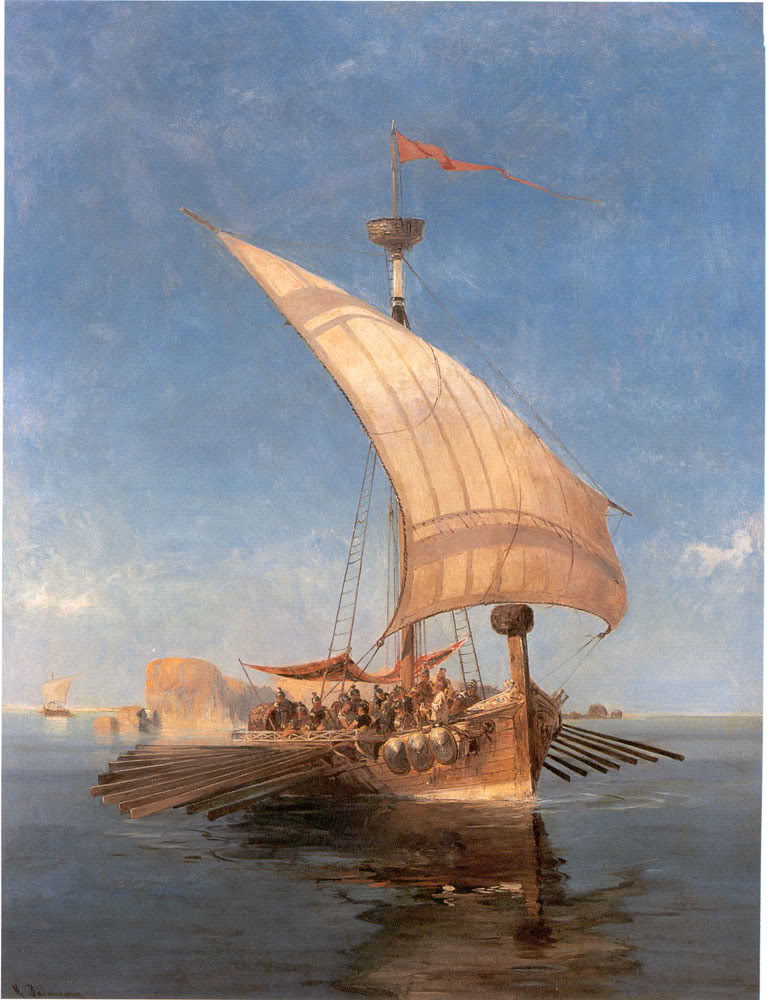 🇬🇷 GreeceArgoἈργώ
The mythic ship of Jason and the Argonauts, built with divine aid for a quest across the sea.Being · Power and authority Legendary
 🇵🇱 Poland and 1 moreKarzełekСкарбник, Кладенец
A Slavic mine spirit that guards treasures and guides miners.Being · Protection · Power and authority Historical
 🇲🇽 MexicoXiuhcoatlXiuhcōātl
A turquoise fire serpent of Aztec myth, the sun's weapon and a sign of the yearBeing · Power and authority · Cursing and harm Legendary
 🇯🇵 JapanUbume産女
The ghost of a mother who died in labour, and the child that turns to stoneBeing · Cursing and harm · Power and authority Legendary
 🇬🇷 GreeceMoiraiΜοίρες
Greek personifications of destiny who spin, measure, and cut the thread of life.Being · Power and authority Historical
 🇲🇦 MoroccoShamharush
A jinn king of law and childhood, honoured at a Moroccan shrineBeing · Speaking with spirits and the dead · Power and authority Fading
 🇬🇷 GreeceDaimonδαίμων
A Greek spirit or divine force that mediates between gods and humansBeing · Protection · Speaking with spirits and the dead Historical
 🇹🇭 ThailandSihuhataแมงสี่หูห้าตา
A legendary creature from northern Thai folklore associated with wealth and divine testingBeing · Luck and prosperity · Power and authority Living
 🇮🇱 IsraelBabalon
A Thelemic goddess of fertility, ecstasy, and spiritual transformation.Being · Change and initiation · Power and authority Living
 🇻🇳 VietnamMẫu Thượng Ngàn林宮聖母
A forest goddess in Vietnamese indigenous religion, ruler of the Forest PalaceBeing · Power and authority Living
 🇳🇬 NigeriaOsanyinỌsanyin
The Yoruba orisha of herbal knowledge, healing magic and wild plantsBeing · Healing · Power and authority Living
 🇳🇬 Nigeria and 4 moreOshosiỌ̀ṣọ́ọ̀sì
A Yoruba orisha of hunting, forests and food, honoured in West Africa and BrazilBeing · Speaking with spirits and the dead · Power and authority Living
🇨🇱 ChileWarlock of Chiloébrujo chilote
A legendary network of sorcerers from the Chilean archipelago and their mythical powers.Belief · Cursing and harm · Power and authority Legendary
 🇨🇱 ChilePincoya
A Chilotan sea spirit whose dance predicts the catch of fish and seafood.Being · Luck and prosperity · Power and authority Legendary
🇳🇬 Nigeria and 1 moreIbo lwa
A nation of Vodou spirits carried from Igbo religion to Haiti, honoured as fightersBeing · Luck and prosperity · Cleansing and purification Living
 🇮🇹 ItalyAngitia
A Sabine and Roman goddess of healing and snake magic in central ItalyBeing · Healing · Power and authority Historical
 🇮🇹 ItalyŚuri𐌑𐌖𐌛 (Etruscan)
An ancient Etruscan deity of volcanic fire, the underworld, and healingBeing · Protection · Healing Historical
 🇧🇹 BhutanVajravarahiརྡོ་རྗེ་ཕག་མོ། (Dorje Pakmo)
A wrathful female buddha in Tibetan Buddhism, depicted with a sow head and dancing posture.Being · Power and authority · Change and initiation Living
 🇮🇳 India and 5 moreKaruppannaswamyகருப்பண்ணசாமி, കറുപ്പണ്ണസാമി
A fierce guardian deity worshipped as a village protector and ancestral enforcer of justice.Being · Protection · Healing Living
🇬🇧 United KingdomMaggy Moulach
A Scottish brownie known for her hair and fierce protection of her kinBeing · Power and authority · Cursing and harm Legendary
🇷🇺 RussiaAiyАйыы (Ayıı)
Benevolent spirits of the Upper World in Yakut mythologyBeing · Speaking with spirits and the dead · Power and authority Living
 🇻🇳 VietnamThe Four ImmortalsTứ bất tử
Four chief spirits of the Vietnamese Red River Delta pantheonBeing · Power and authority Living
 🇭🇹 Haiti and 1 morePetwo
A family of hot and volatile spirits in Haitian VodouBeing · Power and authority · Cursing and harm Living
 🇯🇵 JapanHachiman八幡神
A Japanese deity of war and the imperial family, worshipped as both kami and bodhisattva.Being · Protection · Power and authority Living
🇮🇳 IndiaGreat White Brotherhood
An unseen company of spiritual teachers said to guide human developmentBelief · Speaking with spirits and the dead · Change and initiation Living
 🇯🇵 Japan and 4 moreKṣitigarbhaक्षितिगर्भ
A bodhisattva vowed to empty the hells and guard children, shown with a staff and jewel.Being · Protection · Speaking with spirits and the dead Living
 🇮🇳 India and 2 moreAiravataऐरावत
A pristine white mythic elephant that carries the king of gods and controls the rains.Being · Power and authority · Protection Legendary
 🇮🇳 IndiaKhodiyarખોડીયાર
A limping Hindu folk goddess who rides a crocodile and shields royal clansBeing · Protection · Healing Living
 🇮🇳 IndiaNagnechiya Maa
Guardian goddess of the Rathore Rajputs, worshipped in RajasthanBeing · Protection · Power and authority Living
🇬🇧 United KingdomBauchan
A Scottish domestic spirit known for its contradictory helpfulness and mischief.Being · Cursing and harm · Power and authority Historical
Photo credits on this page
The small pictures above come from Wikimedia Commons under free licences. Some are cropped to fit.
- Dawon: Unknown author, CC BY 4.0, source
- Rada lwa: Calvin Hennick, for WBUR Boston, CC BY 3.0, source
- Samaton: Isabelm-h, CC BY-SA 4.0, source
- Airavata: Unknown, India, Rajasthan, Amber, South Asia, Public domain, source
- Kṣitigarbha: སངས་རྒྱས་བཅོམ་ལྡན་འདས།, Public domain, source
- The Four Immortals: Vietnamese artist, Public domain, source
- Oshosi: Picture taken by Eurico Zimbres, CC BY-SA 2.5, source
- Osanyin: TiagoLubiana, CC0, source
- Daimon: François-André Vincent, Public domain, source
- Moirai: John Melhuish Strudwick, Public domain, source
- Ubume: Brigham Young University, CC BY-SA 4.0, source
- Xiuhcoatl: Paul Hudson, CC BY 2.0, source
- Argo: Konstantinos Volanakis, Public domain, source
- Mokomokai: New Zealand Electronic Text Centre, Public domain, source
- Panchajanya: Rajasekhar1961, CC BY-SA 4.0, source
- Hachiman: SLIMHANNYA, CC BY-SA 4.0, source
- Dusios: Eric Hunt, CC BY-SA 2.5, source
- Tesso: Katsushika Hokusai, Public domain, source
- Anchanchu: Arizz4k, CC BY-SA 4.0, source
- Melchom: Louis Le Breton, Public domain, source
- Winged lion: Rjcastillo, CC BY-SA 4.0, source
- Karzełek: Krystian Hasterok, CC BY 2.5, source
- Werejaguar: Ruben Charles, ( http://www.rubencharles.com ), CC BY 2.0, source
- Shamharush: Unknown author, CC0, source
- Sihuhata: Chainwit., CC BY-SA 4.0, source
- Babalon: William Blake, Public domain, source
- Mẫu Thượng Ngàn: Unknown author, Public domain, source
- Pincoya: Paul Lowry, CC BY 2.0, source
- Angitia: Marica Massaro, CC BY-SA 4.0, source
- Śuri: Marie-Lan Nguyen, Public domain, source
- Vajravarahi: Foto: Andreas Praefcke, Public domain, source
- Karuppannaswamy: GShas, CC0, source
- Nagnechiya Maa: Jairajsingh123, CC0, source
- Khodiyar: Damian N. Boodram, CC BY-SA 4.0, source