🇬🇧 Magic in the United Kingdom
224 entries from the United Kingdom, best known first, across 80 places of magic.
Cunning folk were European practitioners of helpful magic, healing, and divination from the Middle Ages to the 20th century. They operated alongside established religions, often using Christian prayers or local spirits to protect communities from harm.
- Black books in Scandinavia contained healing formulas attributed to Cyprian of Antioch
- Italian healers used la forza to remove the evil eye malocchio
- Swedish punishments for superstition often increased clients seeking help
- British law shifted from punishing magic to treating it as fraud in 1735
- Irish bean feasa provided oracular authority for community experiences
Overview
The cunning craft was a widespread tradition across Europe, blending folk medicine with protective magic. Practitioners served as community healers and diviners, helping people find lost items or cure ailments believed to be caused by evil forces. While some authorities tried to label them as witches, most common people distinguished clearly between harmful sorcery and the helpful work of these wise individuals. Their methods often incorporated elements of the dominant religion, such as Catholic saints in Italy or Christian prayers in Ireland, showing how folk belief adapted to official faiths rather than opposing them entirely.
Practices and beliefs
Practitioners used charms, rhymes, and herbal remedies to treat physical and spiritual problems. In Scandinavia, texts known as black books contained formulas for curing toothaches or aiding childbirth. Italian healers removed the evil eye through spiritual power called la forza. Irish cunning women recited prayers to Jesus or Mary while performing ritual motions. Diviners found stolen property, and midwives assisted in births. These services were practical responses to daily hardships, offering comfort and solutions when formal medicine was unavailable or ineffective.
Rites and charms
Rituals varied by region but shared a focus on tangible actions paired with words. A Scandinavian charm might involve writing specific names on paper and burning pieces of it. Irish healers combined repetitive movements with sacred objects. Italian practitioners performed gestures to break curses. Funeral duties included preparing bodies for wakes. These customs were not secret ceremonies but open community services. The rites relied on the belief that specific actions, when spoken correctly, could influence health and fortune.
Who practises
These figures were usually elders, often women, respected for their knowledge. In Sweden, klok gumma were wise old women who acted as midwives and healers. Famous figures like Biddy Early in Ireland or Mor Sæther in Norway gained national fame. They were chosen by reputation rather than formal training, though some learned from family lines. Authorities sometimes punished them for superstition, but this rarely stopped their practice. Clients sought them out for their perceived inner power or connection to spirit beings.
Regions and communities
Each area had its own terms and styles. Denmark used kloge folk, while Germany had Hexenmeister. Ireland featured bean feasa, and Italy employed fattucchiere. British cunning men were distinct from Scandinavian wise ones. German practitioners were mostly female, except for male witch-finders. Regional differences reflected local languages and religious contexts. Despite variations, the core role remained consistent: providing healing and protection against unseen harms within the community framework.
The calendar
Services were requested during life events or crises rather than fixed festivals. People visited healers for illnesses, difficult labours, or lost property. Funerals involved specific ritual preparations. There is no evidence of seasonal magical calendars governing their work. Instead, their activity depended on community need. As modern medicine became accessible, demand decreased gradually throughout the 19th and 20th centuries.
Law and the state
Legal status shifted over time. Early laws allowed execution for harmful magic, but cunning folk were rarely accused. Later Enlightenment laws, like Britain's Witchcraft Act 1735, treated magic claims as fraud. Swedish courts punished practitioners for superstition, yet this often increased their popularity. German authorities used banishment rather than execution. Persecution was limited compared to witch trials, as society generally valued their helpful services.
Today
The tradition largely faded as professional healthcare replaced folk medicine. Knowledge survived longer in rural areas and among migrants to the Americas. Some practices persisted into the 21st century in Italy. Modern interest exists in historical studies, but living practitioners are rare. The legacy remains in cultural memory and academic research into European folk beliefs.
The facts in this overview come from the Wikipedia article "Cunning folk", written by its contributors and used under the CC BY-SA 4.0 licence. EveryJaadu rewrote the text in its own words, with AI assistance, and compares every page with the article to make sure no passage is copied. It may be reused under the same CC BY-SA 4.0 licence with a link back.
Places of magic in the United Kingdom
 🇬🇧 United KingdomBuccabocka
A Cornish sea-spirit and mine-dweller who receives fish offerings from coastal communities.Being · Protection · Luck and prosperity Historical
🇬🇧 United Kingdom and 1 moreBogle
A Northumbrian and Scots household spirit or ghost known for perplexing people.Being · Cursing and harm · Wonder and entertainment Historical
🇬🇧 United KingdomBarddas
A 19th-century book presenting Welsh bardic and druidic theology as ancient traditionText · Speaking with spirits and the dead Historical
🇬🇧 United KingdomBuccabocka
A Cornish sea-spirit and mine-dweller who receives fish offerings from coastal communities.Being · Protection · Luck and prosperity Historical
🇬🇧 United Kingdom and 1 moreBogle
A Northumbrian and Scots household spirit or ghost known for perplexing people.Being · Cursing and harm · Wonder and entertainment Historical
🇬🇧 United KingdomBarddas
A 19th-century book presenting Welsh bardic and druidic theology as ancient traditionText · Speaking with spirits and the dead Historical
 🇫🇷 France and 1 moreDogme et Rituel de la Haute Magie
A foundational treatise on ritual magic by Éliphas Lévi, structured around the tarot.Text · Power and authority · Wonder and entertainment Historical
🇫🇷 France and 1 moreDogme et Rituel de la Haute Magie
A foundational treatise on ritual magic by Éliphas Lévi, structured around the tarot.Text · Power and authority · Wonder and entertainment Historical
 🇩🇪 Germany and 5 moreWitchcraft accusations against children
Historical and modern persecution of children blamed for witchcraftBelief · Cursing and harm Living
🇬🇧 United KingdomCain bairns
A Scottish folk belief that witches took children as a tax to the DevilBelief Historical
🇩🇪 Germany and 5 moreWitchcraft accusations against children
Historical and modern persecution of children blamed for witchcraftBelief · Cursing and harm Living
🇬🇧 United KingdomCain bairns
A Scottish folk belief that witches took children as a tax to the DevilBelief Historical
 🇬🇧 United KingdomSaducismus Triumphatus
A 1681 English book defending witchcraft beliefs and attacking skepticsText · Cursing and harm Historical
🇬🇧 United KingdomSaducismus Triumphatus
A 1681 English book defending witchcraft beliefs and attacking skepticsText · Cursing and harm Historical
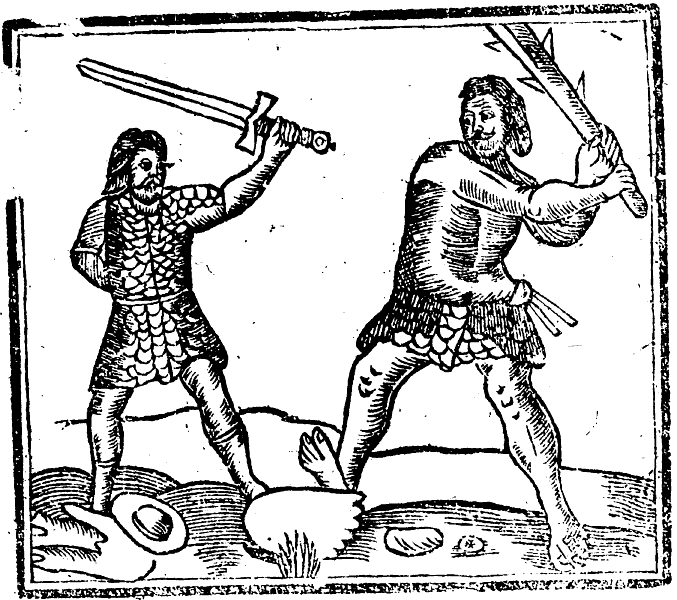 🇬🇧 United Kingdom and 1 moreColbrand
A legendary Danish giant defeated by the English hero Guy of WarwickFigure Legendary
🇬🇧 United KingdomNine sorceressesnaw chwaer
A group of nine magical women in Welsh and Arthurian legendFigure · Cursing and harm · Protection Historical
🇬🇧 United Kingdom and 1 moreColbrand
A legendary Danish giant defeated by the English hero Guy of WarwickFigure Legendary
🇬🇧 United KingdomNine sorceressesnaw chwaer
A group of nine magical women in Welsh and Arthurian legendFigure · Cursing and harm · Protection Historical
 🇬🇧 United KingdomMadgy Figgy's Chair
A granite rock in Cornwall linked to a legendary witch and her storm conjuringFigure · Cursing and harm · Luck and prosperity Historical
🇬🇧 United Kingdom and 3 moreOdinic Rite
A UK-based Heathen group that restricts membership to people of European ancestry.Tradition · Power and authority Living
🇬🇧 United Kingdom and 1 moreAlpha et Omega
An occult order formed from the Golden Dawn schism, active in London and Paris before World War IITradition · Power and authority Historical
🇬🇧 United KingdomMadgy Figgy's Chair
A granite rock in Cornwall linked to a legendary witch and her storm conjuringFigure · Cursing and harm · Luck and prosperity Historical
🇬🇧 United Kingdom and 3 moreOdinic Rite
A UK-based Heathen group that restricts membership to people of European ancestry.Tradition · Power and authority Living
🇬🇧 United Kingdom and 1 moreAlpha et Omega
An occult order formed from the Golden Dawn schism, active in London and Paris before World War IITradition · Power and authority Historical
 🇬🇧 United Kingdom and 2 moreOrder of Nine Angles
A British Satanic network linked to neo-Nazism and violent extremismTradition · Cursing and harm · Power and authority Living
🇬🇧 United Kingdom and 2 moreOrder of Nine Angles
A British Satanic network linked to neo-Nazism and violent extremismTradition · Cursing and harm · Power and authority Living
 🇬🇧 United Kingdom and 1 moreGiants (esotericism)
Spiritual beings linked to lost continents and root races in occult literatureBeing · Wonder and entertainment Historical
🇬🇧 United Kingdom and 1 moreGiants (esotericism)
Spiritual beings linked to lost continents and root races in occult literatureBeing · Wonder and entertainment Historical
 🇺🇸 United States and 5 moreHaunted doll
A doll claimed to be haunted or possessed, often linked to film and urban legend.Belief · Wonder and entertainment Living
🇺🇸 United States and 5 moreHaunted doll
A doll claimed to be haunted or possessed, often linked to film and urban legend.Belief · Wonder and entertainment Living
 🇬🇧 United KingdomCurse of Scotland
A nickname for a playing card linked to bad luck and Scottish historyBelief · Luck and prosperity Historical
🇬🇧 United KingdomCurse of Scotland
A nickname for a playing card linked to bad luck and Scottish historyBelief · Luck and prosperity Historical
 🇬🇧 United KingdomTom Thumb
A tiny English folk hero who outwits giants and serves King ArthurFigure · Wonder and entertainment Legendary
🇬🇧 United KingdomTom Thumb
A tiny English folk hero who outwits giants and serves King ArthurFigure · Wonder and entertainment Legendary
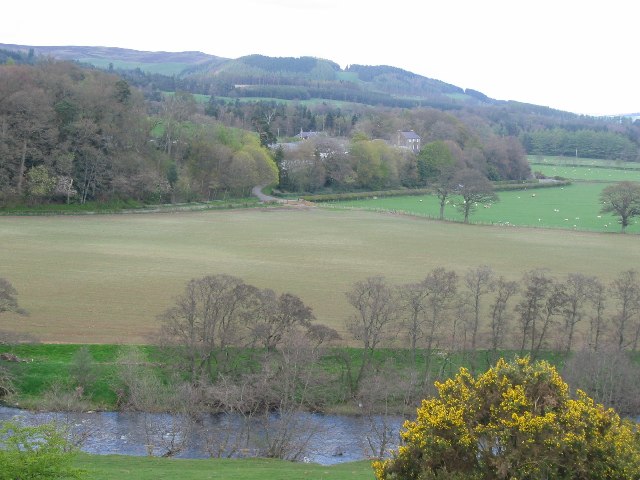 🇬🇧 United KingdomTam Lin
A Scottish ballad about a fairy knight rescued by his mortal lover on Hallowe'enFigure · Love and attraction · Cursing and harm Historical
🇬🇧 United KingdomTam Lin
A Scottish ballad about a fairy knight rescued by his mortal lover on Hallowe'enFigure · Love and attraction · Cursing and harm Historical
 🇬🇧 United KingdomTom Hickathrift
A legendary giant-slayer of East Anglian folklore with prodigious strengthFigure Legendary
🇬🇧 United KingdomBiast Bhealach Odail
A shapeshifting spirit of a Scottish mountain passBeing · Cursing and harm Historical
🇬🇧 United KingdomCeffyl Dŵr
A Welsh water spirit that takes the form of a horse to test or harm travellers.Being · Cursing and harm · Luck and prosperity Legendary
🇬🇧 United Kingdom and 1 moreSuperman curse
An urban legend linking misfortunes to actors and creators in Superman adaptationsBelief · Cursing and harm Living
🇬🇧 United KingdomTom Hickathrift
A legendary giant-slayer of East Anglian folklore with prodigious strengthFigure Legendary
🇬🇧 United KingdomBiast Bhealach Odail
A shapeshifting spirit of a Scottish mountain passBeing · Cursing and harm Historical
🇬🇧 United KingdomCeffyl Dŵr
A Welsh water spirit that takes the form of a horse to test or harm travellers.Being · Cursing and harm · Luck and prosperity Legendary
🇬🇧 United Kingdom and 1 moreSuperman curse
An urban legend linking misfortunes to actors and creators in Superman adaptationsBelief · Cursing and harm Living
 🇬🇧 United KingdomGorsedd stonesCerrig yr Orsedd
Stone circles built for the National Eisteddfod of Wales to host druidic ceremonies.Tradition · Speaking with spirits and the dead · Power and authority Living
🇬🇧 United KingdomGorsedd stonesCerrig yr Orsedd
Stone circles built for the National Eisteddfod of Wales to host druidic ceremonies.Tradition · Speaking with spirits and the dead · Power and authority Living
 🇬🇧 United Kingdom and 5 moreStreet performance
Public entertainment offered for voluntary tips in open spacesIllusion · Wonder and entertainment · Luck and prosperity Living
🇬🇧 United Kingdom and 5 moreStreet performance
Public entertainment offered for voluntary tips in open spacesIllusion · Wonder and entertainment · Luck and prosperity Living
 🇬🇧 United KingdomChained Oak
A Staffordshire oak bound in chains by a local legend of a curse and an earl.Belief · Cursing and harm Historical
🇬🇧 United KingdomChained Oak
A Staffordshire oak bound in chains by a local legend of a curse and an earl.Belief · Cursing and harm Historical
 🇬🇧 United KingdomPiers Shonks
A legendary knight who slew a dragon and cheated the Devil in HertfordshireFigure · Cursing and harm · Wonder and entertainment Legendary
🇬🇧 United KingdomBluecap
A blue flame spirit of English mines that guides miners and warns of dangerBeing · Seeing and foretelling · Luck and prosperity Legendary
🇬🇧 United KingdomLantern man
A ghost light of the English fens said to lure victims into the marshesBelief · Cursing and harm Historical
🇬🇧 United KingdomShoes on a table
A superstition that placing footwear on a table invites bad luck or disrespectBelief · Luck and prosperity Living
🇬🇧 United KingdomPiers Shonks
A legendary knight who slew a dragon and cheated the Devil in HertfordshireFigure · Cursing and harm · Wonder and entertainment Legendary
🇬🇧 United KingdomBluecap
A blue flame spirit of English mines that guides miners and warns of dangerBeing · Seeing and foretelling · Luck and prosperity Legendary
🇬🇧 United KingdomLantern man
A ghost light of the English fens said to lure victims into the marshesBelief · Cursing and harm Historical
🇬🇧 United KingdomShoes on a table
A superstition that placing footwear on a table invites bad luck or disrespectBelief · Luck and prosperity Living
 🇬🇧 United Kingdom and 5 moreWedding superstitions
Folk beliefs and omens tied to marriage customs across many culturesBelief · Protection · Luck and prosperity Living
🇬🇧 United Kingdom and 5 moreWedding superstitions
Folk beliefs and omens tied to marriage customs across many culturesBelief · Protection · Luck and prosperity Living
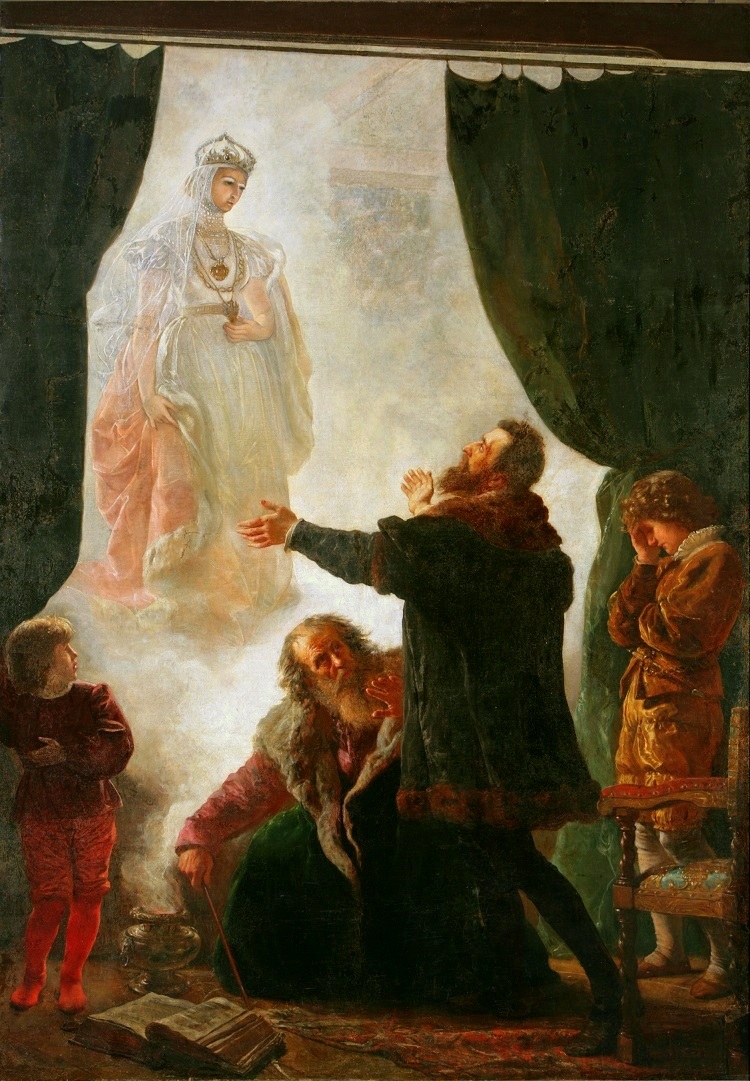 🇩🇪 Germany and 4 moreWeiße Frauen
Elven spirits of sunlight and water in Germanic folkloreBeing · Wonder and entertainment Historical
🇩🇪 Germany and 4 moreWeiße Frauen
Elven spirits of sunlight and water in Germanic folkloreBeing · Wonder and entertainment Historical
Photo credits on this page
The small pictures above come from Wikimedia Commons under free licences. Some are cropped to fit.
- Saducismus Triumphatus: unknown engraver of the 17th century, Public domain, source
- Street performance: Dwight Burdette, CC BY 3.0, source
- Witchcraft accusations against children: Radbot, CC BY-SA 3.0, source
- Bucca: Frederick Whymper, Public domain, source
- Dogme et Rituel de la Haute Magie: Eliphas Levi, Public domain, source
- Colbrand: Anonymous Unknown author, Public domain, source
- Madgy Figgy's Chair: Jim Champion, CC BY-SA 3.0, source
- Order of Nine Angles: Unknown author, CC BY 4.0, source
- Giants (esotericism): Athanasius Kircher, Public domain, source
- Haunted doll: Cayobo, CC BY 1.0, source
- Curse of Scotland: James Gillray (died 1815), Public domain, source
- Tom Thumb: Leutemann or Offterdinger , photo by Harke, Public domain, source
- Tam Lin: Richard Webb, CC BY-SA 2.0, source
- Tom Hickathrift: John D. Batten, Public domain, source
- Gorsedd stones: Robin Drayton, CC BY-SA 2.0, source
- Chained Oak: Gary Rogers, CC BY-SA 2.0, source
- Piers Shonks: William Blyth Gerish, Public domain, source
- Wedding superstitions: Anonymous Unknown author, Public domain, source
- Weiße Frauen: Wojciech Gerson, Public domain, source
The weekly digest
Every Monday: seven entries you may not know, what is on the calendar this week, and one rite drawn step by step.