🇬🇷 Magic in Greece
179 entries from Greece, best known first, across 80 places of magic.
Ancient Greek folklore rests on oral storytelling, musical performance, and communal ceremonies aimed at honoring the divine. These traditions ran alongside formal state religion, blending myth, legend, and everyday tales into a shared cultural fabric. Scholars note that these beliefs included ghost lore and urban narratives that have largely faded from modern circulation.
- Ancient Greeks shared many oral narrative genres with Roman neighbors.
- The aulos is a double-reed wind instrument used in folk music.
- Massilia practiced an annual rite expelling a chosen scapegoat.
- Classical scholars historically paid little attention to folklore studies.
- Ghost stories and urban legends circulated widely in ancient texts.
Overview
The folk traditions of ancient Greece wove together myth, legend, and everyday tales into a living oral culture. Storytellers passed down ghost accounts, urban legends, and fairy narratives that kept community memory alive. These customs operated alongside formal temple worship, offering a more personal way to engage with the unseen world. Musical performance formed a core part of this practice, appearing in work chants, drinking verses, and sacred hymns. The Greeks shared many narrative forms with their Roman neighbors, creating a broad Mediterranean tradition of oral belief. Academic study of these customs lagged behind classical scholarship, leaving much of the material to be reconstructed from scattered historical records.
Practices and beliefs
Daily life incorporated music as both entertainment and spiritual support. Communities used string instruments like the lyre and kithara, alongside the aulos, which is a double-reed wind tool. Songs accompanied labor, celebrations, and sleep routines. People also held beliefs about spirits of the dead, recording numerous ghost stories that blended fear with social commentary. These narratives functioned as early urban legends, warning listeners about moral boundaries and unexplained events. The oral nature of these practices meant they shifted with each telling, adapting to local needs without fixed written rules.
Rites and charms
Ceremonies centered on establishing contact with deities through structured offerings and public gatherings. Communities organized festivals and processions to show respect and seek favor. Animal sacrifices were standard, often involving carefully selected creatures deemed worthy of divine attention. Some city-states practiced a unique rite where a marginalized person was dressed in fine clothes and treated as important for a full year before being driven from the settlement. This expulsion ritual served as a communal cleansing act, redirecting potential misfortune away from the population.
Regions and communities
Folk customs varied across different settlements, reflecting local priorities and available resources. While most areas followed similar patterns of song and seasonal ceremony, certain cities developed distinct procedures. The coastal polis of Massilia stands out for its annual expulsion rite, which differed sharply from standard sacrificial methods found elsewhere. Neighboring cultures adopted many of these narrative forms, showing how trade and migration spread oral traditions across the Mediterranean. Regional differences mainly appeared in the selection of ritual participants and the specific instruments favored for local performances.
The facts in this overview come from the Wikipedia article "Ancient Greek folklore", written by its contributors and used under the CC BY-SA 4.0 licence. EveryJaadu rewrote the text in its own words, with AI assistance, and compares every page with the article to make sure no passage is copied. It may be reused under the same CC BY-SA 4.0 licence with a link back.
Places of magic in Greece
 🇷🇸 Serbia and 5 moreVampire
An undead being from European folklore that feeds on the life force of the living.Being · Cursing and harm Legendary
 🇪🇬 Egypt and 1 moreSphinx
A composite creature of human head and lion body found in Egyptian and Greek mythBeing · Protection Legendary
 🇬🇷 GreeceCassandraΚασσάνδρα
A Trojan priestess cursed to speak truth that no one acceptsFigure · Seeing and foretelling Legendary
 🇬🇷 GreeceOrpheusὈρφεύς
A Thracian bard whose music charms nature and who journeys to the underworldFigure · Wonder and entertainment Legendary
 🇬🇷 GreeceCirceΚίρκη
A Greek goddess and witch known for turning men into beasts with her potionsBeing · Cursing and harm · Love and attraction Legendary
 🇬🇷 Greece and 5 moreZeusΖεύς
Supreme king of the Greek gods and ruler of the sky and thunderBeing · Power and authority Legendary
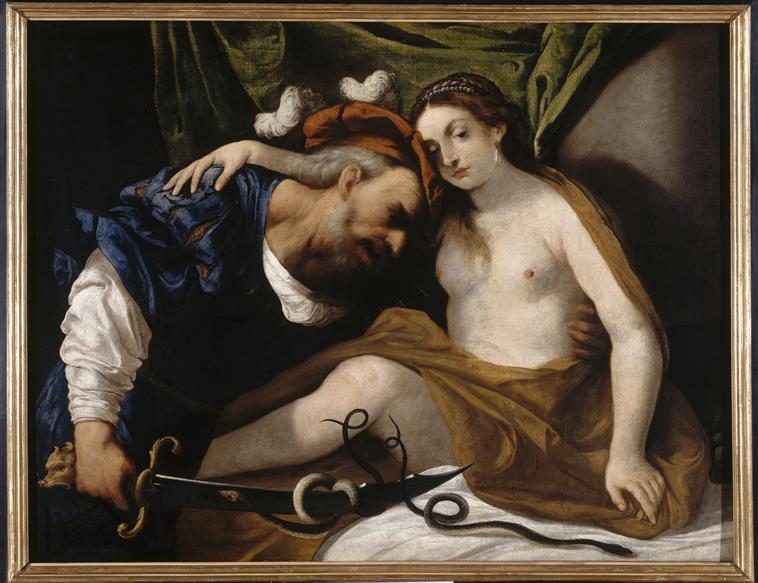 🇬🇷 GreeceTiresiasΤειρεσίας
A blind Greek seer who lived as both man and woman and spoke to the dead.Figure · Seeing and foretelling · Speaking with spirits and the dead Legendary
 🇬🇷 Greece and 3 moreHellhound
A mythological canine that guards the underworld or serves demonic forces across global folkloreBeing · Protection · Cursing and harm Legendary
 🇬🇷 Greece and 5 moreSibylΣίβυλλα (Sibylla)
Ancient Greek prophetesses who spoke divine counsel at holy shrinesFigure · Seeing and foretelling · Power and authority Legendary
🇬🇷 GreeceEpimenides of CreteἘπιμενίδης
A semi-mythical Greek prophet and purifier from KnossosFigure · Cursing and harm Legendary
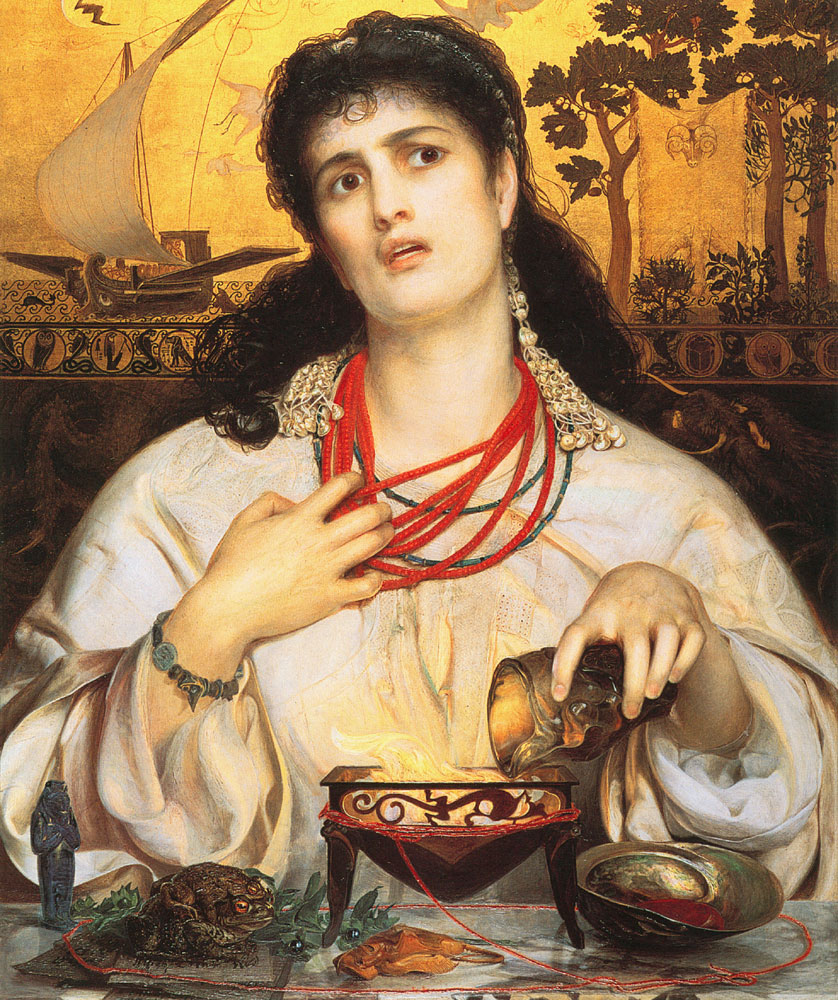 🇬🇷 GreeceMedeaΜήδεια
A sorceress and princess of Colchis who aids Jason and uses magic for revenge.Figure · Cursing and harm · Healing Legendary
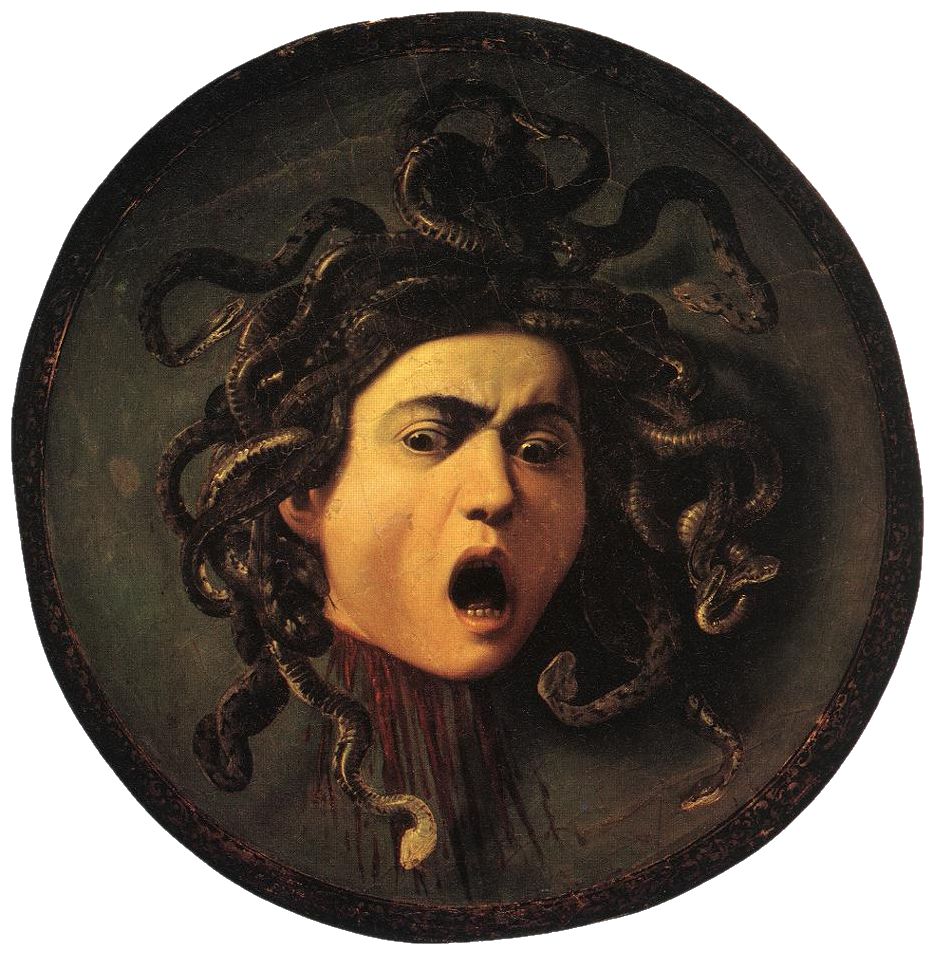 🇬🇷 Greece and 1 moreMedusaΜέδουσα
A mortal Greek monster whose gaze turns onlookers to stoneFigure · Cursing and harm Legendary
🇬🇷 GreeceBaba Yaga (sample)Баба-яга
A witch of Slavic tales who lives in a hut on legs.Figure · Change and initiation Legendary
 🇨🇳 China and 4 moreDragon
A serpentine mythical creature found in global folklore and art, representing power, chaos, or imperial authority.Being · Power and authority · Cursing and harm Legendary
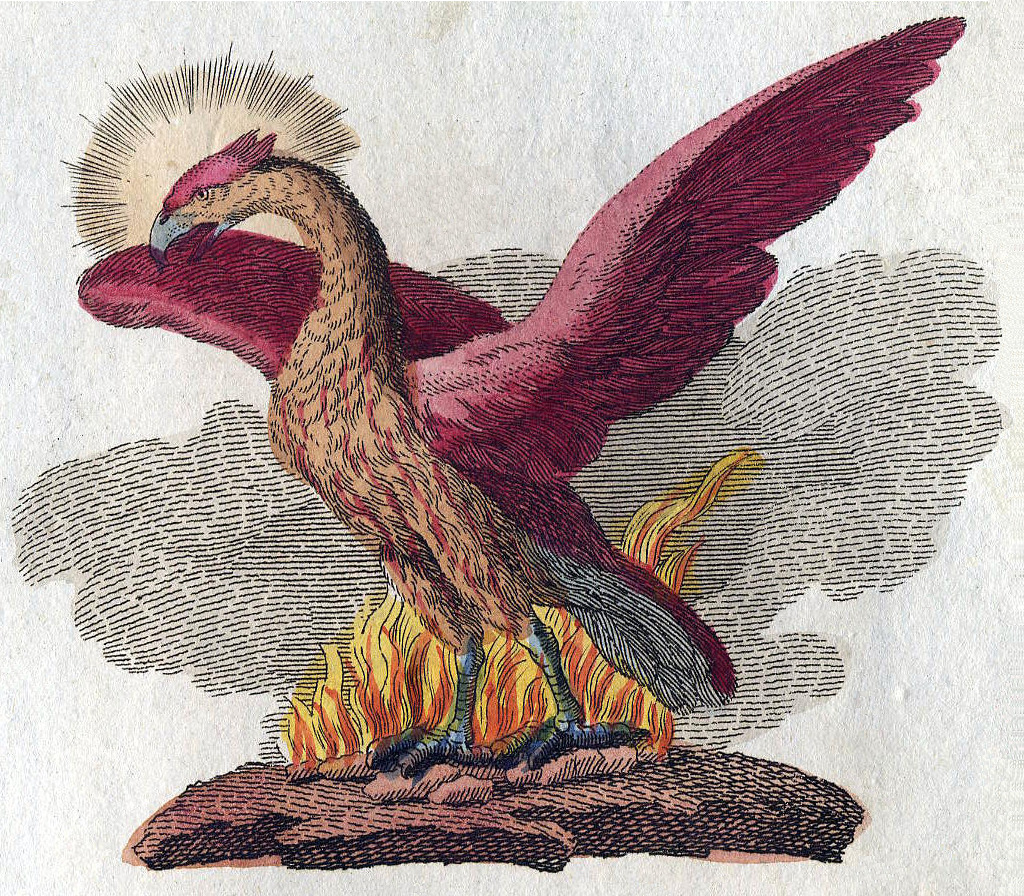 🇬🇷 Greece and 2 morePhoenix
A legendary bird that dies and is reborn from its own ashesBeing · Wonder and entertainment Legendary
 🇬🇷 Greece and 1 moreGolden FleeceΧρυσόμαλλον δέρας
A magical ram's skin from Greek myth, symbol of kingship and a quest objectFigure · Power and authority Legendary
 🇬🇷 GreeceAegisαἰγίς
A mythical shield or skin of Zeus and Athena, symbolizing divine protectionBeing · Protection · Power and authority Legendary
 🇬🇷 GreeceCeryneian HindΚερυνῖτις ἔλαφος
A swift deer with golden antlers and bronze hooves from Greek mythBeing Legendary
 🇬🇷 GreeceErymanthian Boarὁ Ἐρυμάνθιος κάπρος
A wild boar from Greek myth captured by Heracles as his fourth labourBeing · Cursing and harm Legendary
 🇬🇷 Greece and 3 moreHippocampusἱππόκαμπος
A mythological hybrid of a horse and fish from ancient Mediterranean culturesBeing · Wonder and entertainment Legendary
🇬🇷 GreeceEmpusaἜμπουσα
A shape-shifting phantom of Greek myth with a single brass leg, sent by Hecate to seduce and devour young men.Being · Cursing and harm · Speaking with spirits and the dead Legendary
 🇪🇬 Egypt and 2 moreHybrid beasts in folklore
Creatures made of animal and human parts found in myths and ancient artBeing · Power and authority Legendary
 🇬🇷 Greece and 1 moreCacodemonκακοδαίμων (kakodaimōn)
An ancient Greek evil spirit, depicted as a horned youth and used in literature and games.Being · Cursing and harm Legendary
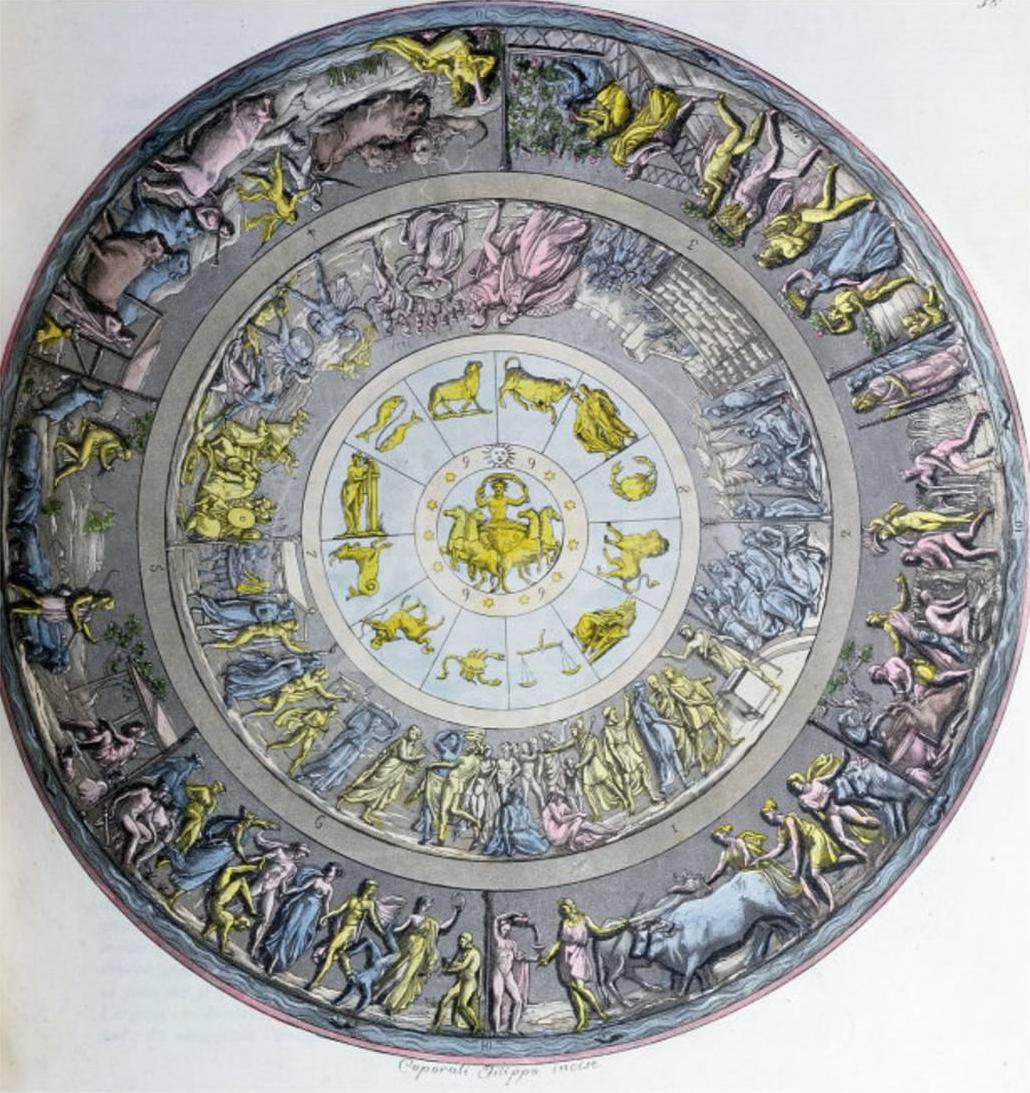 🇬🇷 GreeceShield of Achilles
A mythical shield forged by Hephaestus, decorated with a complete picture of the world and human life.Figure · Power and authority Legendary
 🇬🇷 GreeceCancer (mythology)Καρκίνος
A giant crab from Greek myth that became a zodiac constellationBeing · Cursing and harm Legendary
 🇬🇷 Greece and 1 moreSea Swine
A mythical sea creature depicted with dragon feet and a navel eye in early mapsFigure · Wonder and entertainment Legendary
 🇬🇷 Greece and 1 moreMinoan Genius
A composite creature from Bronze Age Crete, often shown as a libation bearer or sacrificial attendant.Being · Protection · Speaking with spirits and the dead Legendary
 🇬🇷 GreeceCerastesκεράστης
A horned serpent of Greek legend that lures prey with its hornsBeing Legendary
 🇬🇷 GreeceBranchusΒράγχος
A mortal lover of Apollo who became a prophet and founded an oracle cult in ancient Greece.Figure · Seeing and foretelling · Healing Legendary
🇬🇷 GreeceCampeΚάμπη
A female monster who guarded the imprisoned Titans in Greek mythBeing Legendary
🇬🇷 GreecePhemonoeΦημονόη
A mythic Greek poet and priestess of Delphi linked to prophecy and verseFigure Legendary
 🇬🇷 GreeceOnocentaurὈνοκένταυρος
A Greek legendary being, half person and half donkeyBeing Legendary
 🇬🇷 GreeceShadeσκιά
A ghostly shadow of the dead, said to linger in the world belowBeing · Speaking with spirits and the dead Legendary
 🇬🇷 Greece and 3 moreGeryonΓηρυών
A three-headed or three-bodied giant of Greek myth, keeper of red cattleBeing Legendary
 🇬🇷 GreeceMonopodσκιάποδες
A legendary one-legged people said to shade themselves with a giant footBeing Legendary
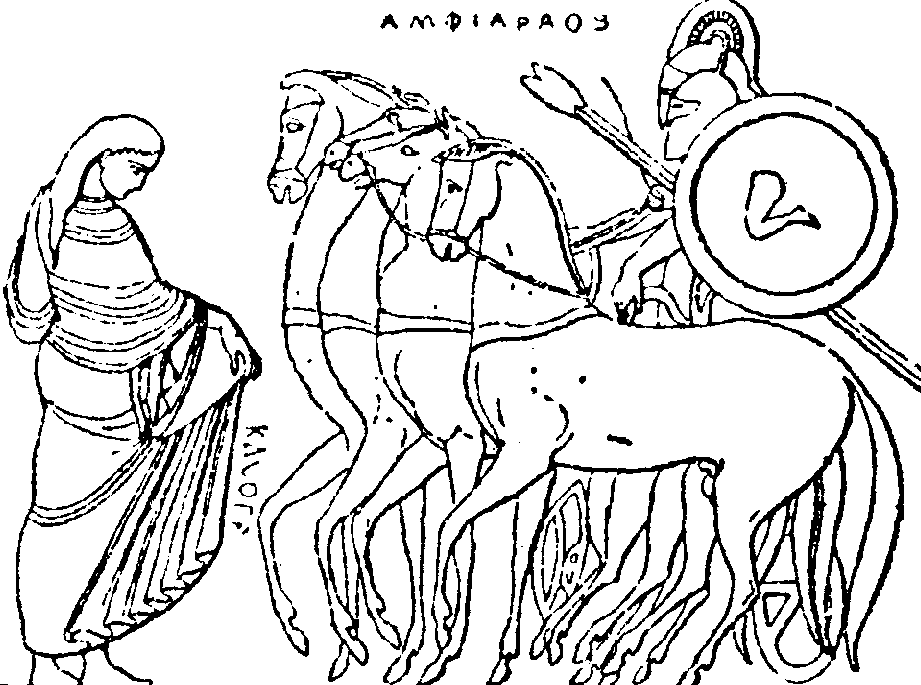 🇬🇷 Greece and 1 moreAmphiarausἈμφιάραος
A Greek seer and hero who became a healing oracle after being swallowed by the earth.Figure · Healing · Seeing and foretelling Legendary
 🇬🇷 GreeceAloadaeἈλωάδαι (Aloadai)
Twin giants of Thessaly who challenged the gods and built mountains to reach Olympus.Being Legendary
 🇬🇷 GreeceSatyrσάτυρος
A male nature spirit from Greek myth, known for bestial features and wild behavior.Being · Wonder and entertainment Legendary
 🇬🇷 GreeceGegeneesΓηγενεής
A six-armed, earth-born race of Greek myth who fought Jason's ArgonautsBeing Legendary
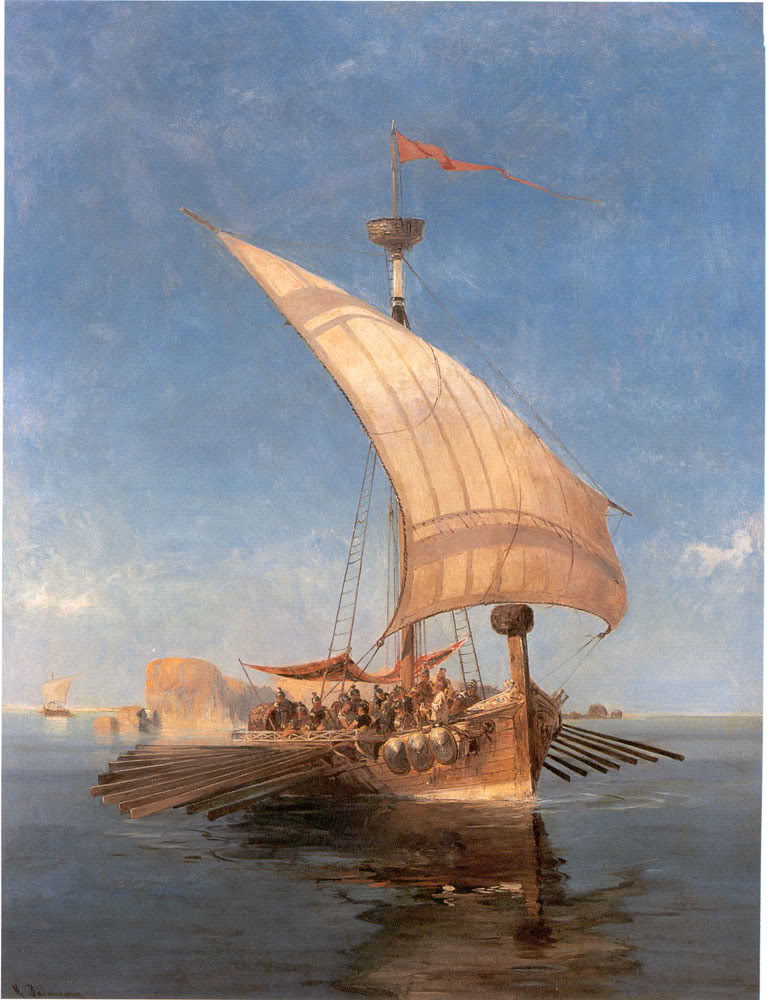 🇬🇷 GreeceArgoἈργώ
The mythic ship of Jason and the Argonauts, built with divine aid for a quest across the sea.Being · Power and authority Legendary
 🇬🇷 GreeceDragon's teethὀδόντες (τοῦ) δράκοντος
Seeded teeth that grow into warriors in Greek mythFigure · Power and authority Legendary
 🇬🇷 GreeceMaeraΜαῖρα
The hound of Erigone in Greek myth, set among the stars as ProcyonBeing Legendary
 🇬🇷 Greece and 1 moreScyllaΣκύλλα
A sea monster from Greek tales who guards a perilous passage and devours sailors.Being · Cursing and harm Legendary
 🇬🇷 GreeceHarpyἅρπυια (hárpyia)
Half-human, half-bird creatures from Greek and Roman myth, often seen as storm winds or snatchers of food.Being · Cursing and harm · Wonder and entertainment Legendary
🇬🇷 GreecePolemosΠόλεμος
A Greek spirit of war and the personification of conflictBeing · Cursing and harm Legendary
 🇬🇷 GreeceCentaurideΚενταυρίδε (Kentauride)
A female centaur from Greek mythology, depicted in art and literature as a hybrid of woman and horse.Being · Wonder and entertainment Legendary
 🇬🇷 GreecePrometheusΠρομηθεύς
A Titan who took fire for humans and paid for itFigure · Speaking with spirits and the dead Legendary
🇬🇷 GreeceSoterΣωτήρ
A Greek daimon of safety and deliverance from harmBeing · Protection · Speaking with spirits and the dead Legendary
Photo credits on this page
The small pictures above come from Wikimedia Commons under free licences. Some are cropped to fit.
- Cerastes: J. Polák, CC0, source
- Cacodemon: Louis Le Breton, Public domain, source
- Onocentaur: 'Angelo Vergatio' (Angelos Vergekios) and his daughter, Public domain, source
- Shade: Henry Fuseli, Public domain, source
- Geryon: E Group, Public domain, source
- Monopod: Michael Wolgemut / Wilhelm Pleydenwurff, Public domain, source
- Medea: Frederick Sandys, Public domain, source
- Orpheus: Franz Caucig, Public domain, source
- Amphiaraus: Unknown author, Public domain, source
- Aloadae: No machine-readable author provided. Antars~commonswiki assumed (based, Public domain, source
- Vampire: Edvard Munch, Public domain, source
- Sphinx: Ipipipourax, CC BY-SA 3.0, source
- Minoan Genius: Zde, CC BY-SA 3.0, source
- Satyr: Epiktetos (signed), Public domain, source
- Circe: Wright Barker, Public domain, source
- Gegenees: Hartmann Schedel (1440-1514), Public domain, source
- Argo: Konstantinos Volanakis, Public domain, source
- Dragon's teeth: Workshop of Peter Paul Rubens, Public domain, source
- Maera: Gary Todd, CC0, source
- Marchosias: Louis Le Breton, Public domain, source
- Scylla: Unknown artist, Public domain, source
- Harpy: Unknown, near the Tyrrhenian Group?, CC BY-SA 2.0, source
- Hippocampus: Unknown author, CC BY-SA 2.0, source
- Shield of Achilles: Angelo Monticelli (1778-1837), Public domain, source
- Ceryneian Hind: Unknown artist, Public domain, source
- Centauride: John La Farge, Public domain, source
- Prometheus: No machine-readable author provided. Atoma assumed (based on copyright, Public domain, source
- Medusa: Caravaggio, Public domain, source
- Golden Fleece: Underworld Painter, Public domain, source
- Japanese dragon: Katsushika Hokusai, Public domain, source
- Cassandra: George Romney, Public domain, source
- Erymanthian Boar: Antimenes Painter, Public domain, source
- Sea Swine: Jacob van Maerlant, Public domain, source
- Tiresias: Pietro della Vecchia, Public domain, source
- Aegis: Unknown creator, Public domain, source
- Phoenix: Bertuch-fabelwesen.JPG : Friedrich Johann Justin Bertuch (1747–1822) d, Public domain, source
- Hybrid beasts in folklore: Peter Schmelzle, CC BY-SA 3.0, source
- Sibyl: Filippino Lippi (1457-1504), Public domain, source
- Branchus: Francesco Bini, CC BY-SA 4.0, source
- Cancer (mythology): Diosphos Painter, Public domain, source
- Zeus: Olaf Tausch, CC BY 3.0, source
The weekly digest
Every Monday: seven entries you may not know, what is on the calendar this week, and one rite drawn step by step.