🇰🇭 Magic in Cambodia
33 entries from Cambodia, best known first, across 3 places of magic.
Cambodian folk belief centers on neak ta, ancestral spirits tied to specific places and families. These tutelary deities predate Hindu and Buddhist traditions and operate alongside them without conflict. Villagers maintain altars, make offerings, and seek guidance through ritual specialists to secure protection, health, and community harmony.
- Neak ta translates directly to ancestor in the Khmer language.
- The sla thor offering uses a banana trunk cut to fifteen centimeters.
- Human sacrifices were recorded at Ba Phnom until 1884.
- Defendants swear court oaths before neak ta statues for truthfulness.
- Traditional music guides mediums into spirit possession states.
Overview
The neak ta tradition rests on early nature reverence and ancestor veneration that predates both Hinduism and Buddhism in the region. Practitioners view these spirits as a foundational layer of local faith, organized in a hierarchy that mirrors human social structures. Powerful figures oversee smaller ones, creating a spiritual network linked to particular landscapes. The practice spread alongside Khmer migrations, appearing among communities in Thailand, Vietnam, and Laos, where neighboring groups recognize similar local guardians. Scholars note that the system lacks formal doctrine or a centralized clergy, relying instead on oral tradition and place-based devotion. This flexible framework allows the beliefs to absorb foreign deities while keeping their core focus on territorial protection and ancestral memory.
Practices and beliefs
Devotees maintain small shrines near large trees or on wooden posts, believing the spirits dwell within natural objects or invisible forms. Regular visits include food, flowers, incense, and rice wine. A standard offering set features the sla thor, a short banana trunk supported by bamboo sticks, alongside a coconut and areca nut. Five candles and five incense sticks mark the four cardinal points and the sky above. Believers also carry amulets and talismans crafted by ritual experts. Traditional music plays a central role, providing rhythm to guide participants into altered states where spirits may speak directly through them.
Rites and charms
Rituals range from simple personal vows to large communal gatherings. Individuals make quiet promises before minor tasks or lost items. When facing illness, drought, or famine, communities hire an officiant and musicians for a formal protective ceremony. A larger annual gathering occurs in winter, marking a seasonal pledge of loyalty to ensure a successful harvest and general safety. Travelers stop at roadside shrines to toss coins for safe passage. In modern settings, court defendants still swear oaths before neak ta statues rather than religious texts, trusting the spirits to enforce truthfulness through fear of supernatural retribution.
Who practises
Several roles handle different aspects of the tradition. The achar leads ceremonies and manages ritual materials. The kru khmer acts as a shaman who diagnoses spiritual disturbances, prepares medicinal herbs, crafts protective charms, and advises on appeasing offended entities. Female mediums known as kru boramei serve a different purpose. They are not trained but selected by the spirits themselves to host direct communication with seekers. Buddhist monks participate only by chanting protective verses and never take charge of the ceremonies, maintaining a clear boundary between monastic practice and local spirit work.
Regions and communities
Each village traditionally guards its own neak ta, making the spirits tightly bound to local geography. The practice extends beyond national borders to Khmer communities in eastern Thailand and southern Vietnam, where migrants preserve the same shrine customs. In Laos, nearby villages honor phìbàn, which function similarly but cover smaller areas. Urbanization and post-war displacement have weakened these geographic ties, as families move far from ancestral lands. Diaspora groups often report feeling unsettled when they cannot visit their home shrines, though some rural areas have seen renewed activity independent of temple authorities.
The calendar
The main festival occurs in January and February, aligning with the dry season and preparing farmers for the upcoming planting cycle. This winter gathering serves as a yearly renewal of mutual obligations between villagers and their guardians. Outside this fixed period, ceremonies appear during personal milestones, recovery from sickness, or after accidents. Communities also schedule formal prayers when crops fail or drought threatens the region. Daily roadside stops and occasional household visits happen whenever individuals feel the need for immediate guidance or protection.
Law and the state
Colonial administrators in the late nineteenth century dismissed the tradition as outdated superstition and moved to replace local spiritual patronage with state bureaucracy. Land reforms stripped traditional ties between ancestors and territory, placing authority under government officials instead. During the Khmer Rouge period, many shrines were destroyed or abandoned while officials promoted a new political ideology as the sole master of land and water. Contemporary laws do not explicitly ban the practice, though some rural ceremonies now operate outside official monastic supervision. Authorities generally tolerate the custom as part of cultural heritage.
Today
The tradition survives with reduced influence compared to earlier centuries. Population shifts and urban growth have loosened the bond between people and place-based spirits. Some rural groups have revived independent worship outside temple control. Migrants abroad maintain distant connections through digital updates or return visits when possible. The practice persists as a quiet thread of local identity rather than a dominant force.
The facts in this overview come from the Wikipedia article "Neak ta", written by its contributors and used under the CC BY-SA 4.0 licence. EveryJaadu rewrote the text in its own words, with AI assistance, and compares every page with the article to make sure no passage is copied. It may be reused under the same CC BY-SA 4.0 licence with a link back.
Places of magic in Cambodia
 🇮🇳 India and 5 moreAncestor veneration
Rituals honoring the dead to maintain kinship bonds and seek guidance from spiritsTradition · Speaking with spirits and the dead · Protection Living
 🇮🇳 India and 2 moreBrahmarakshasaब्रह्मराक्षसः
A cursed Brahmin spirit in Hindu lore, feared for harm and venerated in temples.Being · Cursing and harm · Protection Living
 🇨🇳 China and 5 moreChinese guardian lions石獅 (shíshī)
Stone lion pairs placed at entrances to ward off harm and welcome fortuneCharm · Protection · Luck and prosperity Living
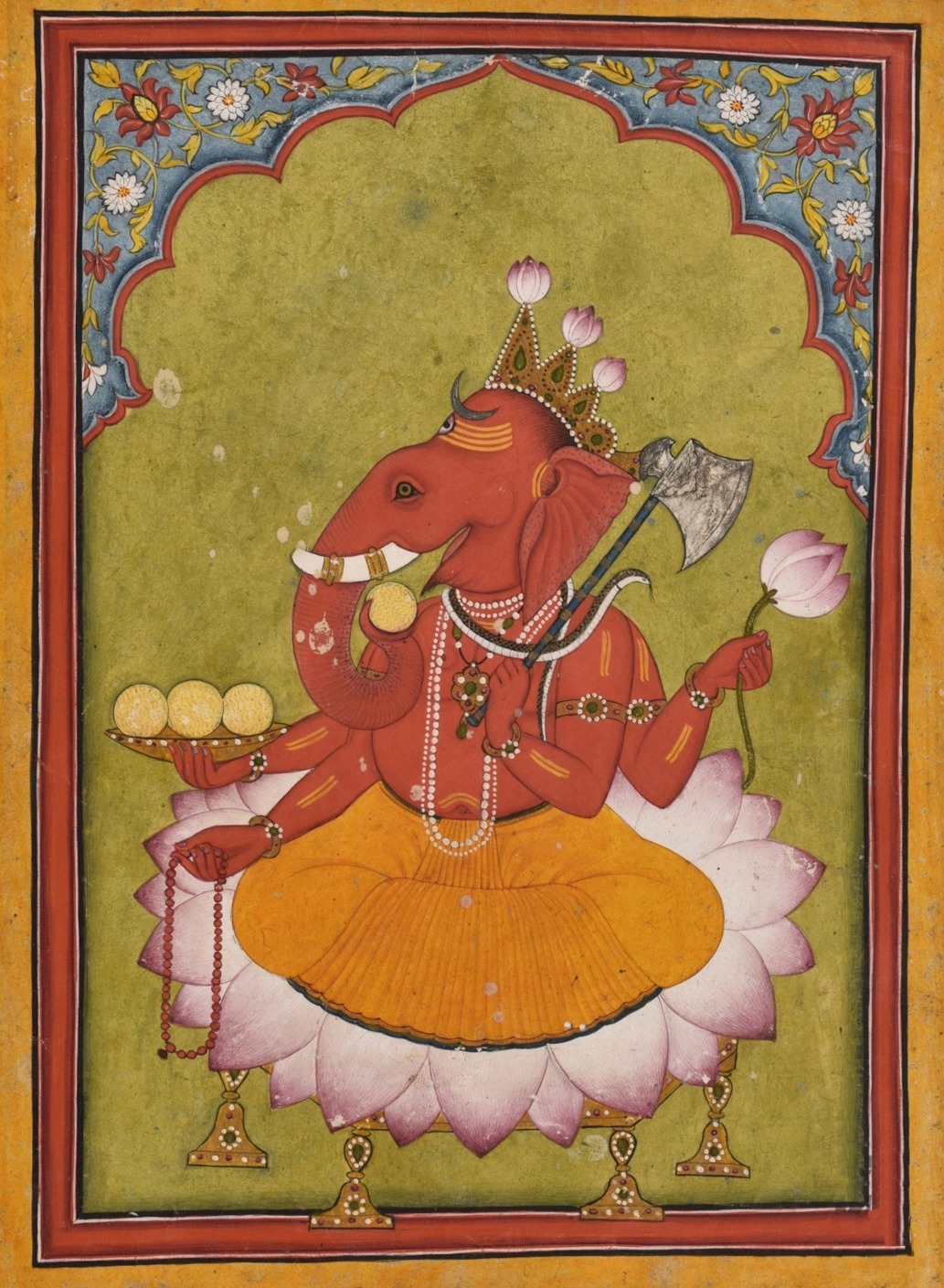 🇮🇳 India and 5 moreGaneshaगणेश (Gaṇeśa)
An elephant-headed Hindu deity worshipped as the remover of obstacles and patron of wisdom.Being · Protection · Luck and prosperity Living
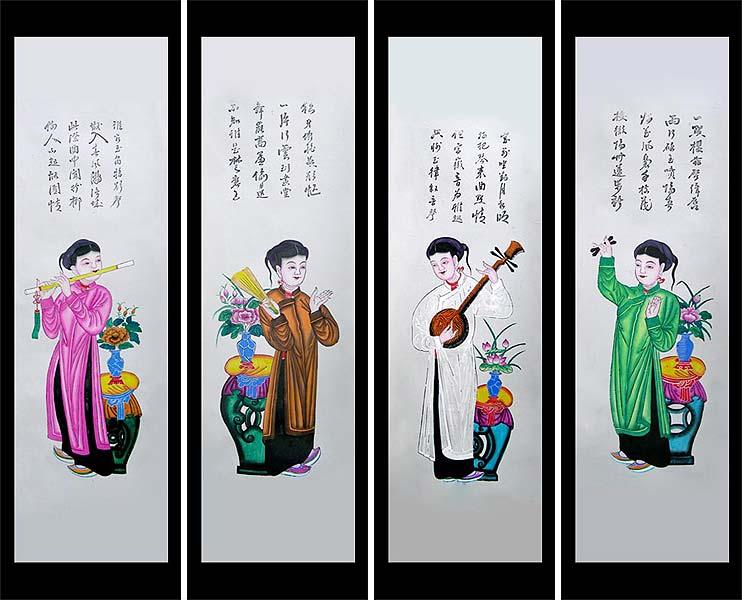 🇻🇳 Vietnam and 1 moreVietnamese folk religiontín ngưỡng dân gian Việt Nam
A collection of local spirit worship and ancestral veneration in VietnamTradition · Protection · Healing Living
 🇮🇳 India and 5 moreHanumanहनुमान्
A divine vanara deity of devotion and strength in HinduismBeing · Protection · Power and authority Living
 🇹🇭 Thailand and 1 moreGhosts in Thai cultureผี (phi)
A wide range of spirits and ghosts found in Thai folklore and popular belief.Belief · Protection · Cursing and harm Living
 🇰🇭 Cambodia and 3 moreSak Yantសាក់យ័ន្ត
Sacred geometric tattoos from Southeast Asia believed to grant protection and powerTradition · Protection · Luck and prosperity Living
 🇹🇭 Thailand and 7 moreSpirit house
A small shrine found across Southeast Asia to appease local protective spiritsTradition · Protection · Speaking with spirits and the dead Living
 🇨🇳 China and 5 moreGhost FestivalZhongyuan Jie (中元节)
A festival for appeasing wandering spirits and honoring ancestors in East and Southeast AsiaRite · Speaking with spirits and the dead · Protection Living
🇮🇳 India and 5 moreAncestor veneration
Rituals to honor the dead and maintain kinship bonds across generationsTradition · Speaking with spirits and the dead · Protection Living
 🇸🇳 Senegal and 5 moreVeneration of the dead
Rituals of respect and offerings for ancestors across global culturesTradition · Protection · Speaking with spirits and the dead Living
 🇮🇳 India and 4 moreMakaraमकर
A legendary sea-creature in Hindu mythology and a symbol of water and thresholdsBeing · Protection · Power and authority Historical
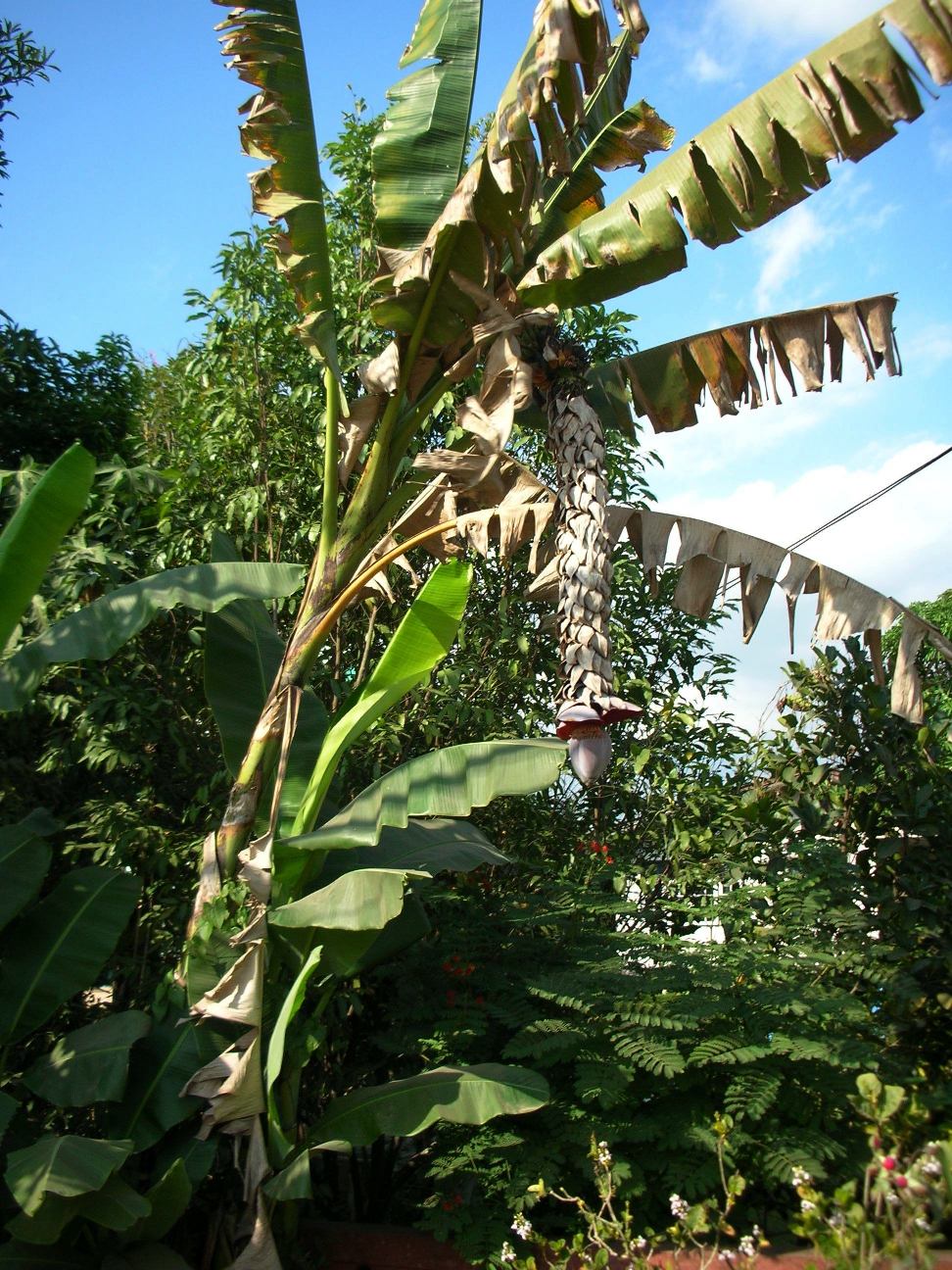 🇹🇭 Thailand and 1 moreNang Taniนางตานี
A female spirit said to inhabit wild banana trees in Southeast Asian folklore.Being · Protection · Luck and prosperity Living
 🇲🇲 Myanmar and 5 moreChintheခြင်္သေ့
A stylized lion statue that guards Buddhist temples in Myanmar and across Asia.Being · Protection Living
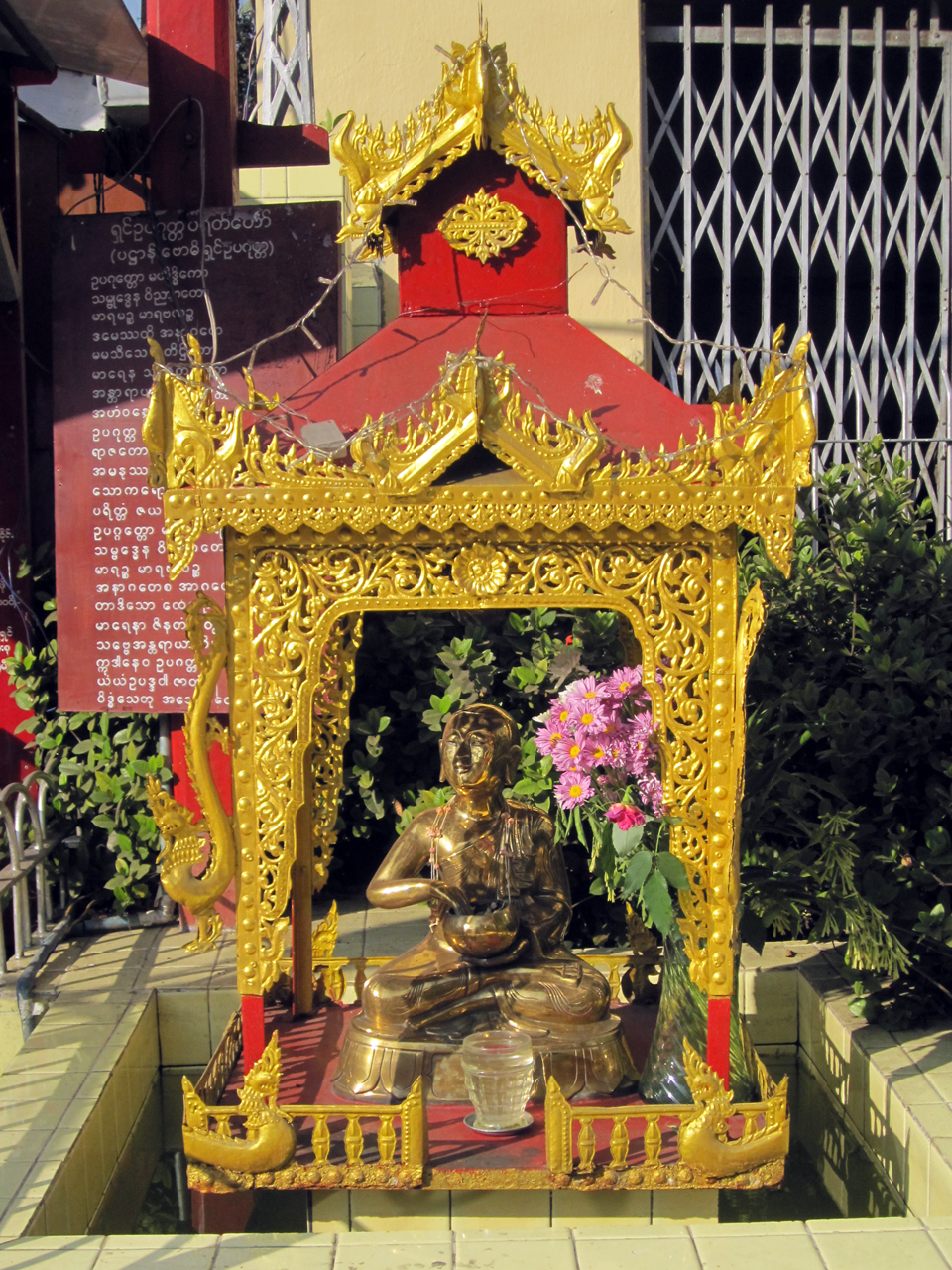 🇲🇲 Myanmar and 3 moreShin Upaguttaရှင်ဥပဂုတ်
A Burmese Buddhist arhat asked to keep storms and floods awayBeing · Protection Living
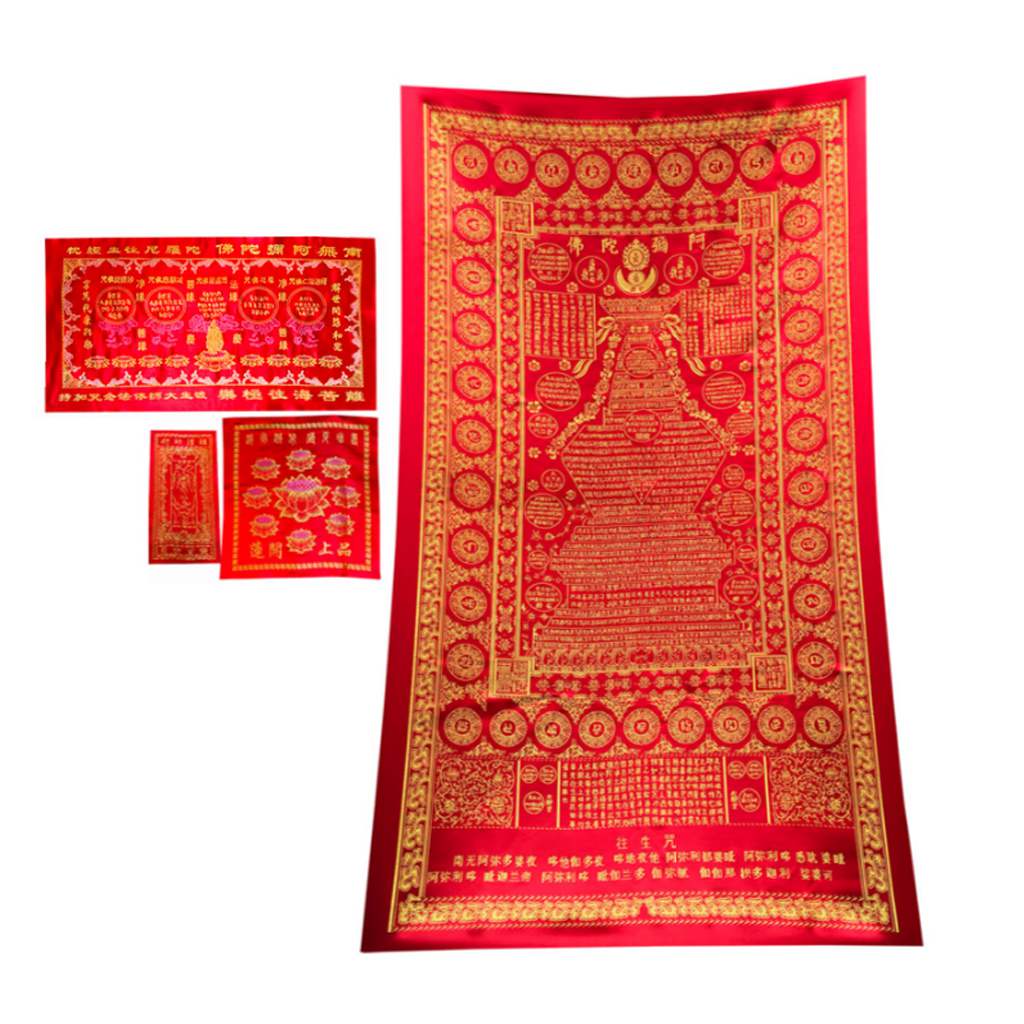 🇹🇭 Thailand and 1 moreYantra clothผ้ายันต์
Cloth marked with sacred designs, hung in a house to keep harm awayCharm · Protection Living
 🇮🇳 India and 5 moreNavaratnaनवरत्न
A nine-gem talisman set in gold or silver, linked to Hindu astrology and planetary worshipCharm · Protection · Healing Living
 🇨🇳 China and 6 moreRed envelope红包 (hóngbāo)
A cash gift in a red paper cover given during holidays and weddings to share good fortuneTradition · Luck and prosperity · Protection Living
🇰🇭 CambodiaMrenh kongvealម្រេញគង្វាល
Khmer jungle spirits said to guard animals and guide people through dreamsBeing · Protection · Speaking with spirits and the dead Living
Photo credits on this page
The small pictures above come from Wikimedia Commons under free licences. Some are cropped to fit.
- Veneration of the dead: Anonymous ( Flemish ) Unknown author, Public domain, source
- Chinthe: Wagaung, CC BY-SA 3.0, source
- Makara: Subbhashinee S, CC BY-SA 3.0, source
- Vietnamese folk religion: Unknown (traditional painting dated back to the 17th century), Public domain, source
- Ganesha: anonymous, Public domain, source
- Brahmarakshasa: Chaitnyags, CC BY-SA 4.0, source
- Ghost Festival: Chong Fat, CC BY-SA 3.0, source
- Ancestor veneration: Thang Nguyen, CC BY-SA 2.0, source
- Spirit house: Chainwit., CC BY-SA 4.0, source
- Nang Tani: Xufanc, CC BY-SA 3.0, source
- Ghosts in Thai culture: Heinrich Damm ( User:Hdamm , Hdamm at de.wikipedia.org ), CC BY 2.0, source
- Hanuman: Niranjan Arminius, CC BY-SA 2.0, source
- Sak Yant: Mikhailovich, CC BY 3.0, source
- Shin Upagutta: Hintha, CC BY-SA 3.0, source
- Navaratna: Pradeep717, CC BY-SA 4.0, source
- Red envelope: Oldie~commonswiki, Public domain, source
- Yantra cloth: QIANSION, CC BY-SA 4.0, source
- Chinese guardian lions: Pvt pauline, CC BY-SA 3.0, source
The weekly digest
Every Monday: seven entries you may not know, what is on the calendar this week, and one rite drawn step by step.