Indigenous and shamanic: magic in this belief world
Ceremony, healing and spirit knowledge of Indigenous peoples; some of it closed to outsiders and described here only as far as its people share it.
Indigenous and shamanic traditions are the ceremony, healing and spirit knowledge of peoples from the Arctic to the Amazon, Australia, the Pacific and Africa. They are not one religion, and each community has its own names, laws and stories. Some knowledge is closed to outsiders by the community's own rule, and this guide describes it only as far as the people concerned share it. Terms such as Indigenous and shamanic can hide great variety, so the guide gives each people its own entry wherever it can.
Many peoples, many practices
Examples include the Sami noaidi, Mongolian and Siberian shamans, the Navajo and Lakota ceremonial systems, Amazonian plant healers, Andean offerings to Pachamama, Maori tohunga, Hawaiian kahuna and Aboriginal Dreaming law. Each is rooted in land, kinship and responsibility. Many peoples hold that knowledge belongs to the people and place it came from, and cannot be taken or sold. Elders say that these practices were given to a community and cannot be separated from its language, land and obligations, so that they function differently in the hands of outsiders.
Closed and open knowledge
A great deal is restricted by gender, age, initiation or clan. Some Aboriginal ceremonies, parts of Pueblo and Hopi religion, and many African initiation societies are not for outsiders, and describing them in detail would break the community's law. Visitors should ask before attending, photographing or recording, and accept a refusal. Where this guide is silent on a detail, that is deliberate. In many communities, healers and ceremonial leaders are chosen by calling, family and long training, and they do not advertise.
Suppression and recovery
Colonisers banned ceremonies, as in the United States, where the Plains Sun Dance and the Pacific Northwest potlatch were outlawed. Canada banned the potlatch from 1885 to 1951. Missionaries called practice devil worship and removed children to boarding schools. The American Indian Religious Freedom Act of 1978 recognised rights in US law, and revival and language movements continue. Colonial law in Australia, the United States, Canada, New Zealand, Brazil and elsewhere sought to end such practice, and some communities lost part of their ceremonial knowledge as a result.
Appropriation and respect
Sweat lodges run by outsiders have caused deaths, notably in Arizona in 2009. Sacred plants are sold as products, and costume and names are taken for branding. Indigenous leaders ask for consent, credit and benefit-sharing. Some Indigenous writers prefer to speak of religion, law or medicine, not magic, and this guide follows their lead where it can. Ask first and give back: those are the rules most communities state, and the guide asks readers to follow them.
Indigenous and shamanic on EveryJaadu
The entries written up so far, best known first.
 🇻🇺 Vanuatu and 5 moreKava culture
A shared ritual across Oceania where a root brew marks ceremony, respect, and social gathering.Tradition · Speaking with spirits and the dead · Luck and prosperity Living
🇻🇺 Vanuatu and 5 moreKava culture
A shared ritual across Oceania where a root brew marks ceremony, respect, and social gathering.Tradition · Speaking with spirits and the dead · Luck and prosperity Living
 🇺🇸 United StatesHawaiian religion
The traditional spiritual practices of the Indigenous people of Hawaiʻi, centered on deities and ancestral guardians.Tradition · Protection · Speaking with spirits and the dead Living
🇺🇸 United StatesHawaiian religion
The traditional spiritual practices of the Indigenous people of Hawaiʻi, centered on deities and ancestral guardians.Tradition · Protection · Speaking with spirits and the dead Living
 🇵🇪 Peru and 1 moreQuyllurit'iQoyllur Rit'i
A syncretic Andean pilgrimage celebrating the Pleiades and the Lord of Star SnowTradition · Protection · Healing Living
🇵🇪 Peru and 1 moreQuyllurit'iQoyllur Rit'i
A syncretic Andean pilgrimage celebrating the Pleiades and the Lord of Star SnowTradition · Protection · Healing Living
 🇧🇴 Bolivia and 2 moreYatiri
A lightning-struck healer in Aymara communities who restores balance with nature and ancestorsTradition · Healing · Speaking with spirits and the dead Living
🇧🇴 Bolivia and 2 moreYatiri
A lightning-struck healer in Aymara communities who restores balance with nature and ancestorsTradition · Healing · Speaking with spirits and the dead Living
 🇨🇱 Chile and 1 moreMapuche religion
The traditional spiritual practice of the Mapuche people of Chile and ArgentinaTradition · Protection · Healing Living
🇨🇱 Chile and 1 moreMapuche religion
The traditional spiritual practice of the Mapuche people of Chile and ArgentinaTradition · Protection · Healing Living
 🇱🇦 Laos and 3 moreTai folk religionສາສະໜາຜີ
Spirits, ancestor rites, and soul-calling ceremonies of the Tai peoplesTradition · Protection · Healing Living
🇱🇦 Laos and 3 moreTai folk religionສາສະໜາຜີ
Spirits, ancestor rites, and soul-calling ceremonies of the Tai peoplesTradition · Protection · Healing Living
 🇷🇺 RussiaReindeer in Siberian shamanism
The role of reindeer as spirit helpers, ritual tools, and burial vehicles in the shamanic traditions of Northern AsiaTradition · Healing · Speaking with spirits and the dead Living
🇷🇺 RussiaReindeer in Siberian shamanism
The role of reindeer as spirit helpers, ritual tools, and burial vehicles in the shamanic traditions of Northern AsiaTradition · Healing · Speaking with spirits and the dead Living
 🇨🇳 China and 5 moreRegional forms of shamanism
A global overview of indigenous spirit-interaction practices across Asia and the Americas.Tradition · Healing · Speaking with spirits and the dead Living
🇨🇳 China and 5 moreRegional forms of shamanism
A global overview of indigenous spirit-interaction practices across Asia and the Americas.Tradition · Healing · Speaking with spirits and the dead Living
 🇨🇳 China and 1 moreShamanism in the Qing dynasty
State-managed rituals of the Manchu rulers and their shamansTradition · Protection · Healing Historical
🇨🇳 China and 1 moreShamanism in the Qing dynasty
State-managed rituals of the Manchu rulers and their shamansTradition · Protection · Healing Historical
 🇨🇳 China and 1 moreNuo folk religion傩 (Nuó)
A Chinese exorcistic tradition using wooden masks and ancestor worship to drive away malevolent forcesTradition · Protection · Speaking with spirits and the dead Living
🇦🇺 AustraliaDaramulum
A one-legged sky hero of south-east Aboriginal culturesBeing · Speaking with spirits and the dead Living
🇨🇦 CanadaPinga
An Inuit goddess of the hunt and medicine who oversees caribou herds and souls.Being · Healing · Cursing and harm Historical
🇨🇳 China and 1 moreNuo folk religion傩 (Nuó)
A Chinese exorcistic tradition using wooden masks and ancestor worship to drive away malevolent forcesTradition · Protection · Speaking with spirits and the dead Living
🇦🇺 AustraliaDaramulum
A one-legged sky hero of south-east Aboriginal culturesBeing · Speaking with spirits and the dead Living
🇨🇦 CanadaPinga
An Inuit goddess of the hunt and medicine who oversees caribou herds and souls.Being · Healing · Cursing and harm Historical
 🇦🇺 AustraliaTjurunga
Sacred objects of the Arrernte people, embodying ancestral power and clan identity.Charm · Power and authority · Speaking with spirits and the dead Historical
🇦🇺 AustraliaTjurunga
Sacred objects of the Arrernte people, embodying ancestral power and clan identity.Charm · Power and authority · Speaking with spirits and the dead Historical
 🇲🇽 MexicoEntheogenics and the Maya
Hallucinogenic substances used by the Maya for spiritual rituals and healingTradition · Speaking with spirits and the dead · Healing Historical
🇲🇽 MexicoEntheogenics and the Maya
Hallucinogenic substances used by the Maya for spiritual rituals and healingTradition · Speaking with spirits and the dead · Healing Historical
 🇳🇵 Nepal and 1 moreKiratism
The indigenous animist and shamanic religion of the Kirati peoples in Nepal and IndiaTradition · Protection · Speaking with spirits and the dead Living
🇲🇳 Mongolia and 1 moreYellow shamanismШар бөө
A Mongolian and Siberian shamanic tradition blended with Buddhist ritualsTradition · Speaking with spirits and the dead · Protection Historical
🇺🇸 United States and 3 moreAlaska Native religion
Traditional spiritual practices of the Inuit, Yupik, and Aleut peoples of AlaskaTradition · Healing · Luck and prosperity Historical
🇳🇵 Nepal and 1 moreKiratism
The indigenous animist and shamanic religion of the Kirati peoples in Nepal and IndiaTradition · Protection · Speaking with spirits and the dead Living
🇲🇳 Mongolia and 1 moreYellow shamanismШар бөө
A Mongolian and Siberian shamanic tradition blended with Buddhist ritualsTradition · Speaking with spirits and the dead · Protection Historical
🇺🇸 United States and 3 moreAlaska Native religion
Traditional spiritual practices of the Inuit, Yupik, and Aleut peoples of AlaskaTradition · Healing · Luck and prosperity Historical
 🇿🇦 South Africa and 1 moreSacred caves of the Basotho
Cave networks in South Africa and Lesotho used by the Basotho for ancestral rituals and healingTradition · Healing · Protection Living
🇿🇦 South Africa and 1 moreSacred caves of the Basotho
Cave networks in South Africa and Lesotho used by the Basotho for ancestral rituals and healingTradition · Healing · Protection Living
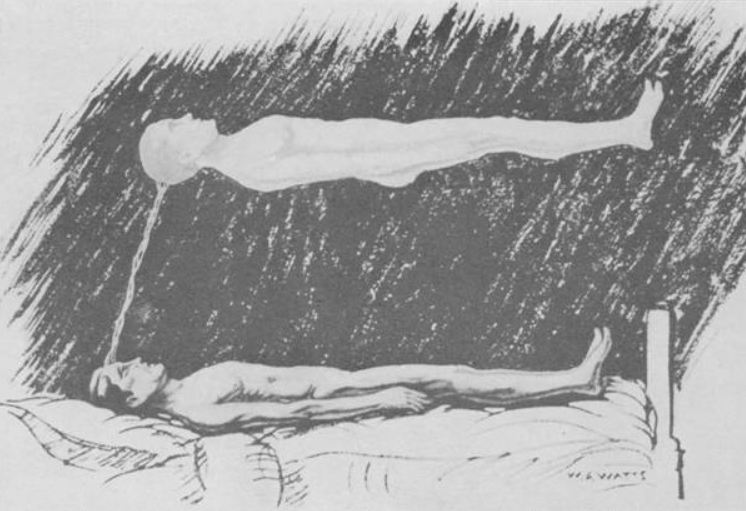 🇮🇳 India and 3 moreAstral projection
An intentional out-of-body experience where consciousness travels through the astral planeTradition · Speaking with spirits and the dead · Change and initiation Living
🇲🇽 MexicoVelada
A Mazatec healing ceremony using sacred plants to commune with the divineRite · Healing · Speaking with spirits and the dead Living
🇺🇸 United StatesChepi
A spirit of the dead in Narragansett belief, called upon for vengeance.Being · Cursing and harm · Speaking with spirits and the dead Historical
🇮🇳 India and 3 moreAstral projection
An intentional out-of-body experience where consciousness travels through the astral planeTradition · Speaking with spirits and the dead · Change and initiation Living
🇲🇽 MexicoVelada
A Mazatec healing ceremony using sacred plants to commune with the divineRite · Healing · Speaking with spirits and the dead Living
🇺🇸 United StatesChepi
A spirit of the dead in Narragansett belief, called upon for vengeance.Being · Cursing and harm · Speaking with spirits and the dead Historical
 🇵🇪 PeruChakapa
A leaf rattle used by Amazonian healers in ayahuasca ceremonies and spirit cleansing rituals.Rite · Healing · Speaking with spirits and the dead Living
🇲🇳 MongoliaBlack shamanismХар бөө
A Mongolian shamanic tradition working with lower spirits and ancestral power.Tradition · Speaking with spirits and the dead · Power and authority Revived
🇵🇪 PeruChakapa
A leaf rattle used by Amazonian healers in ayahuasca ceremonies and spirit cleansing rituals.Rite · Healing · Speaking with spirits and the dead Living
🇲🇳 MongoliaBlack shamanismХар бөө
A Mongolian shamanic tradition working with lower spirits and ancestral power.Tradition · Speaking with spirits and the dead · Power and authority Revived
 🇨🇳 ChinaReligion of the Shang dynasty
The spiritual system of ancient China's second dynasty, centred on ancestor worship and oracle bone divination.Tradition · Protection · Luck and prosperity Historical
🇲🇽 MexicoMazatec shamanism
A Mazatec healing tradition centered on visionary plant ceremonies called veladasTradition · Healing · Speaking with spirits and the dead Living
🇷🇺 Russia and 1 moreImitation of sounds in shamanism
Shamanic vocal and musical mimicry of nature to invoke spirits or transform identityRite · Speaking with spirits and the dead · Power and authority Living
🇨🇳 ChinaReligion of the Shang dynasty
The spiritual system of ancient China's second dynasty, centred on ancestor worship and oracle bone divination.Tradition · Protection · Luck and prosperity Historical
🇲🇽 MexicoMazatec shamanism
A Mazatec healing tradition centered on visionary plant ceremonies called veladasTradition · Healing · Speaking with spirits and the dead Living
🇷🇺 Russia and 1 moreImitation of sounds in shamanism
Shamanic vocal and musical mimicry of nature to invoke spirits or transform identityRite · Speaking with spirits and the dead · Power and authority Living
 🇮🇪 IrelandTailteann GamesÁenach Tailteann
Ancient Irish funeral games and assemblies held in County Meath to honor the dead.Rite · Speaking with spirits and the dead · Luck and prosperity Historical
🇮🇪 IrelandTailteann GamesÁenach Tailteann
Ancient Irish funeral games and assemblies held in County Meath to honor the dead.Rite · Speaking with spirits and the dead · Luck and prosperity Historical
 🇮🇳 IndiaMaibi Jagoi
A shamanic ritual dance performed by Maibis during the Lai Haraoba ceremony in Manipur.Rite · Speaking with spirits and the dead Living
🇮🇳 IndiaMaibi Jagoi
A shamanic ritual dance performed by Maibis during the Lai Haraoba ceremony in Manipur.Rite · Speaking with spirits and the dead Living
 🇦🇺 AustraliaCleverman
A traditional Aboriginal healer and cultural keeper in Australia with varied magical abilities.Being · Healing · Cursing and harm Living
🇰🇷 South KoreaMusok eumak무속 음악
Traditional Korean shamanistic music performed during gut rituals to induce tranceTradition · Speaking with spirits and the dead Living
🇦🇺 AustraliaCleverman
A traditional Aboriginal healer and cultural keeper in Australia with varied magical abilities.Being · Healing · Cursing and harm Living
🇰🇷 South KoreaMusok eumak무속 음악
Traditional Korean shamanistic music performed during gut rituals to induce tranceTradition · Speaking with spirits and the dead Living
 🇩🇴 Dominican Republic and 5 moreZemi
A Taíno deity or ancestral spirit housed in a carved object used for worship and protectionBeing · Protection · Healing Historical
🇩🇴 Dominican Republic and 5 moreZemi
A Taíno deity or ancestral spirit housed in a carved object used for worship and protectionBeing · Protection · Healing Historical
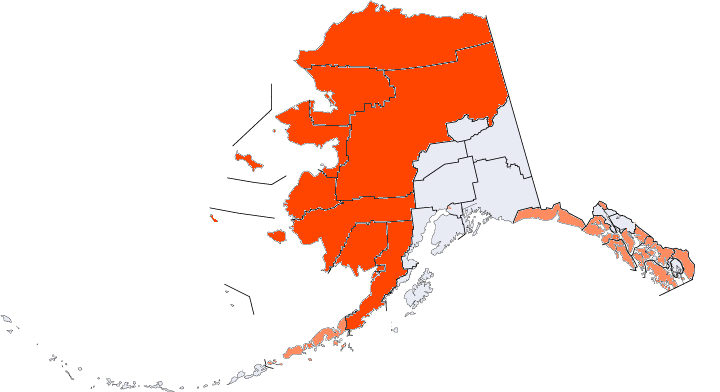 🇺🇸 United StatesShamanism among Alaska Natives
Traditional spiritual practices of Indigenous peoples in AlaskaTradition · Healing · Seeing and foretelling Fading
🇺🇦 Ukraine and 5 moreBullroarer
A wooden slat on a string that produces a roaring sound for ritual and communication.Tradition · Protection · Speaking with spirits and the dead Living
🇰🇿 Kazakhstan and 2 moreKumalakқұмалақ
A Central Asian shamanic divination using stones or dung sorted on a gridOracle · Seeing and foretelling · Speaking with spirits and the dead Historical
🇺🇸 United StatesShamanism among Alaska Natives
Traditional spiritual practices of Indigenous peoples in AlaskaTradition · Healing · Seeing and foretelling Fading
🇺🇦 Ukraine and 5 moreBullroarer
A wooden slat on a string that produces a roaring sound for ritual and communication.Tradition · Protection · Speaking with spirits and the dead Living
🇰🇿 Kazakhstan and 2 moreKumalakқұмалақ
A Central Asian shamanic divination using stones or dung sorted on a gridOracle · Seeing and foretelling · Speaking with spirits and the dead Historical
 🇲🇳 Mongolia and 1 moreOngon
Ancestor spirits in Mongolian shamanism, represented by consecrated idols and talismansBeing · Protection · Speaking with spirits and the dead Living
🇲🇳 Mongolia and 1 moreOngon
Ancestor spirits in Mongolian shamanism, represented by consecrated idols and talismansBeing · Protection · Speaking with spirits and the dead Living
 🇳🇵 Nepal and 1 moreBanjhakri and Banjhakrini
Forest shamans of the Kirati people in Nepal and eastern IndiaBeing · Speaking with spirits and the dead · Power and authority Living
🇳🇵 Nepal and 3 moreGurung ShamanismTamu Cho
The ancient shamanic beliefs and rituals of the Gurung people in NepalTradition · Protection · Speaking with spirits and the dead Living
🇳🇵 Nepal and 1 moreBanjhakri and Banjhakrini
Forest shamans of the Kirati people in Nepal and eastern IndiaBeing · Speaking with spirits and the dead · Power and authority Living
🇳🇵 Nepal and 3 moreGurung ShamanismTamu Cho
The ancient shamanic beliefs and rituals of the Gurung people in NepalTradition · Protection · Speaking with spirits and the dead Living
Photo credits on this page
The small pictures above come from Wikimedia Commons under free licences. Some are cropped to fit.
- Chakapa: Mario Martín /Archivo Centro Takiwasi, CC BY-SA 4.0, source
- Maya mythology: Unknown author, Public domain, source
- Astral projection: Hereward Carrington, Sylvan Muldoon., Public domain, source
- Ongon: Vyacheslav Kirillin, CC BY-SA 4.0, source
- Banjhakri and Banjhakrini: RajashreeTalukdar, CC BY-SA 3.0, source
- Tai folk religion: ( เทวประภาส มากคล้าย ), Tevaprapas, Public domain, source
- Kava culture: Jaejay77, CC BY-SA 4.0, source
- Hawaiian religion: Jacques Arago, Public domain, source
- Quyllurit'i: AgainErick, CC BY-SA 3.0, source
- Yatiri: EEJCC, CC BY-SA 4.0, source
- Mapuche religion: Gary Todd, CC0, source
- Shamanism in the Qing dynasty: A nineteenth-century team of editors., Public domain, source
- Kiratism: TheDreamSky ( talk ), CC BY 3.0, source
- Mimi: Photo by and ©2002 Dustin M. Ramsey ( Kralizec! ), CC BY-SA 2.5, source
- Nuo folk religion: Wikiwikiyarou, CC BY-SA 3.0, source
- Sacred caves of the Basotho: JMK, CC BY-SA 3.0, source
- Tailteann Games: Unknown author, Public domain, source
- Maibi Jagoi: Ramesh Lalwani, CC BY 2.0, source
- Zemi: Unknown author, CC0, source
- Tjurunga: No machine-readable author provided. Sepu~commonswiki assumed (based o, CC BY-SA 2.5, source
- Religion of the Shang dynasty: Unknown author, CC0, source
- Reindeer in Siberian shamanism: Unknown author, Public domain, source
- Regional forms of shamanism: Man Sing, Public domain, source
- Shamanism among Alaska Natives: Balkanian`s word, Public domain, source