Indigenous and shamanic: magic in this belief world
Ceremony, healing and spirit knowledge of Indigenous peoples; some of it closed to outsiders and described here only as far as its people share it.
Indigenous and shamanic traditions are the ceremony, healing and spirit knowledge of peoples from the Arctic to the Amazon, Australia, the Pacific and Africa. They are not one religion, and each community has its own names, laws and stories. Some knowledge is closed to outsiders by the community's own rule, and this guide describes it only as far as the people concerned share it. Terms such as Indigenous and shamanic can hide great variety, so the guide gives each people its own entry wherever it can.
Many peoples, many practices
Examples include the Sami noaidi, Mongolian and Siberian shamans, the Navajo and Lakota ceremonial systems, Amazonian plant healers, Andean offerings to Pachamama, Maori tohunga, Hawaiian kahuna and Aboriginal Dreaming law. Each is rooted in land, kinship and responsibility. Many peoples hold that knowledge belongs to the people and place it came from, and cannot be taken or sold. Elders say that these practices were given to a community and cannot be separated from its language, land and obligations, so that they function differently in the hands of outsiders.
Closed and open knowledge
A great deal is restricted by gender, age, initiation or clan. Some Aboriginal ceremonies, parts of Pueblo and Hopi religion, and many African initiation societies are not for outsiders, and describing them in detail would break the community's law. Visitors should ask before attending, photographing or recording, and accept a refusal. Where this guide is silent on a detail, that is deliberate. In many communities, healers and ceremonial leaders are chosen by calling, family and long training, and they do not advertise.
Suppression and recovery
Colonisers banned ceremonies, as in the United States, where the Plains Sun Dance and the Pacific Northwest potlatch were outlawed. Canada banned the potlatch from 1885 to 1951. Missionaries called practice devil worship and removed children to boarding schools. The American Indian Religious Freedom Act of 1978 recognised rights in US law, and revival and language movements continue. Colonial law in Australia, the United States, Canada, New Zealand, Brazil and elsewhere sought to end such practice, and some communities lost part of their ceremonial knowledge as a result.
Appropriation and respect
Sweat lodges run by outsiders have caused deaths, notably in Arizona in 2009. Sacred plants are sold as products, and costume and names are taken for branding. Indigenous leaders ask for consent, credit and benefit-sharing. Some Indigenous writers prefer to speak of religion, law or medicine, not magic, and this guide follows their lead where it can. Ask first and give back: those are the rules most communities state, and the guide asks readers to follow them.
Indigenous and shamanic on EveryJaadu
The entries written up so far, best known first.
 🇵🇭 PhilippinesBabaylan
Spiritual leaders of pre-colonial Philippines who mediated with the unseen world.Tradition · Healing · Seeing and foretelling Historical
🇵🇭 PhilippinesBabaylan
Spiritual leaders of pre-colonial Philippines who mediated with the unseen world.Tradition · Healing · Seeing and foretelling Historical
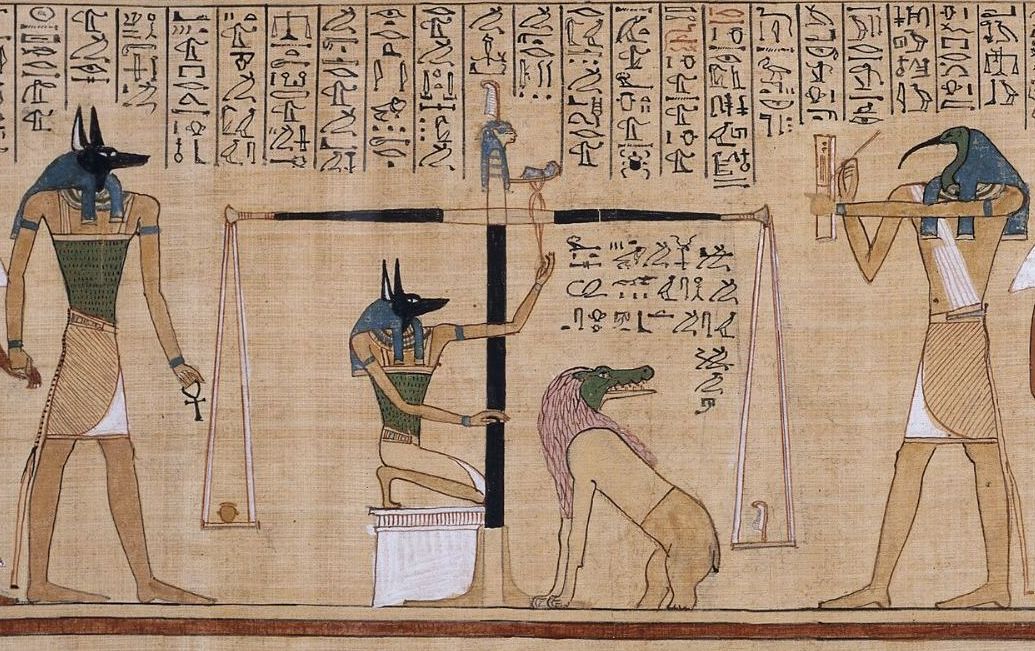 🇪🇬 EgyptAncient Egyptian afterlife beliefs
A system of rituals and texts guiding the soul through the underworld to eternal rebirthTradition · Protection · Speaking with spirits and the dead Historical
🇷🇺 RussiaOssetian mythologyИрон мифологи
The beliefs and supernatural beings of the Ossetian people in the Caucasus.Tradition · Protection · Speaking with spirits and the dead Historical
🇪🇬 EgyptAncient Egyptian afterlife beliefs
A system of rituals and texts guiding the soul through the underworld to eternal rebirthTradition · Protection · Speaking with spirits and the dead Historical
🇷🇺 RussiaOssetian mythologyИрон мифологи
The beliefs and supernatural beings of the Ossetian people in the Caucasus.Tradition · Protection · Speaking with spirits and the dead Historical
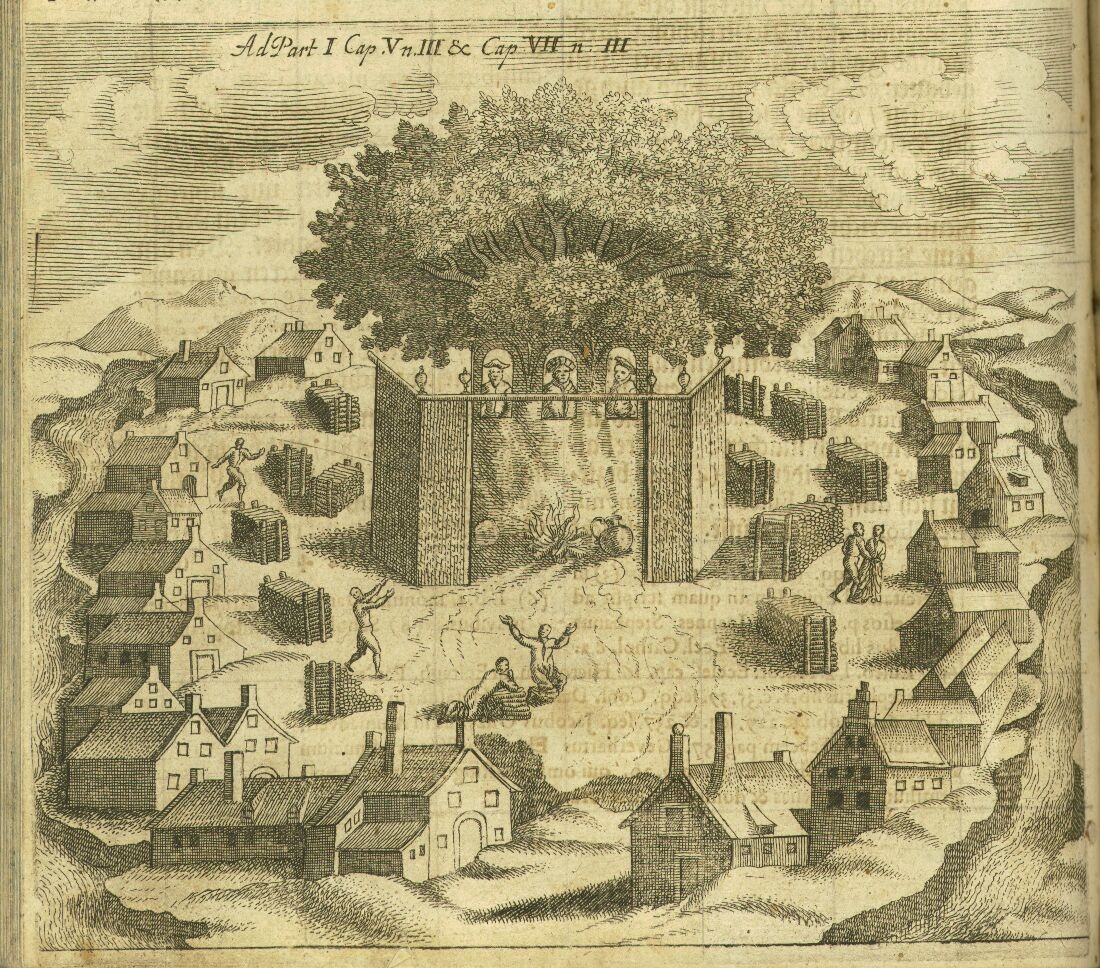 🇱🇹 Lithuania and 1 moreLithuanian mythologyLietuvių mitologija
The ancient polytheistic beliefs of the Baltic people, preserved in folklore and early chroniclesTradition · Speaking with spirits and the dead · Luck and prosperity Historical
🇱🇹 Lithuania and 1 moreLithuanian mythologyLietuvių mitologija
The ancient polytheistic beliefs of the Baltic people, preserved in folklore and early chroniclesTradition · Speaking with spirits and the dead · Luck and prosperity Historical
 🇪🇪 Estonia and 1 moreEstonian mythologyeesti mütoloogia
The pre-Christian beliefs and legends of the Estonian peopleTradition · Protection · Speaking with spirits and the dead Historical
🇪🇪 Estonia and 1 moreEstonian mythologyeesti mütoloogia
The pre-Christian beliefs and legends of the Estonian peopleTradition · Protection · Speaking with spirits and the dead Historical
 🇵🇪 Peru and 2 moreInca religion
The polytheistic beliefs and rites of the Inca Empire across the AndesTradition · Protection · Luck and prosperity Historical
🇵🇪 Peru and 2 moreInca religion
The polytheistic beliefs and rites of the Inca Empire across the AndesTradition · Protection · Luck and prosperity Historical
 🇸🇪 SwedenTemple at Uppsala
A Norse religious centre described in medieval texts and debated by modern scholarsTradition · Speaking with spirits and the dead · Power and authority Historical
🇸🇪 SwedenTemple at Uppsala
A Norse religious centre described in medieval texts and debated by modern scholarsTradition · Speaking with spirits and the dead · Power and authority Historical
 🇳🇴 Norway and 2 moreSámi drumgoavddis
A ceremonial instrument used by Sámi noaidi for trance and divinationTradition · Seeing and foretelling · Speaking with spirits and the dead Historical
🇳🇴 Norway and 2 moreSámi drumgoavddis
A ceremonial instrument used by Sámi noaidi for trance and divinationTradition · Seeing and foretelling · Speaking with spirits and the dead Historical
 🇮🇶 Iraq and 3 moreAncient Mesopotamian religion
The polytheistic beliefs and practices of Sumer, Akkad, Assyria and Babylonia from 6000 BC to 500 ADTradition · Power and authority · Speaking with spirits and the dead Historical
🇮🇶 Iraq and 3 moreAncient Mesopotamian religion
The polytheistic beliefs and practices of Sumer, Akkad, Assyria and Babylonia from 6000 BC to 500 ADTradition · Power and authority · Speaking with spirits and the dead Historical
 🇮🇪 Ireland and 1 moreCeltic mythology
The mythic traditions of the Celtic peoples, preserved in Irish and Welsh textsTradition · Speaking with spirits and the dead Historical
🇮🇪 Ireland and 1 moreCeltic mythology
The mythic traditions of the Celtic peoples, preserved in Irish and Welsh textsTradition · Speaking with spirits and the dead Historical
 🇲🇽 MexicoAztec religion
The polytheistic and monistic belief system of the Aztec Empire in central MexicoTradition · Protection · Luck and prosperity Historical
🇳🇴 NorwaySami religion
The animist and polytheistic beliefs of the Sámi people across northern ScandinaviaTradition · Protection · Luck and prosperity Historical
🇲🇽 MexicoAztec religion
The polytheistic and monistic belief system of the Aztec Empire in central MexicoTradition · Protection · Luck and prosperity Historical
🇳🇴 NorwaySami religion
The animist and polytheistic beliefs of the Sámi people across northern ScandinaviaTradition · Protection · Luck and prosperity Historical
 🇱🇾 Libya and 4 moreTraditional Berber religionAmazigh religion
Ancient beliefs of Northwest Africa centered on celestial bodies, caves, and ancestors.Tradition · Speaking with spirits and the dead · Luck and prosperity Historical
🇱🇾 Libya and 4 moreTraditional Berber religionAmazigh religion
Ancient beliefs of Northwest Africa centered on celestial bodies, caves, and ancestors.Tradition · Speaking with spirits and the dead · Luck and prosperity Historical
 🇫🇷 France and 1 moreDruiddruides
A learned priestly class of the ancient Celts in Gaul and BritainTradition · Cursing and harm · Protection Historical
🇫🇷 France and 1 moreDruiddruides
A learned priestly class of the ancient Celts in Gaul and BritainTradition · Cursing and harm · Protection Historical
 🇨🇳 China and 1 moreShamanism in the Qing dynasty
State-managed rituals of the Manchu rulers and their shamansTradition · Protection · Healing Historical
🇲🇳 Mongolia and 1 moreYellow shamanismШар бөө
A Mongolian and Siberian shamanic tradition blended with Buddhist ritualsTradition · Speaking with spirits and the dead · Protection Historical
🇺🇸 United States and 3 moreAlaska Native religion
Traditional spiritual practices of the Inuit, Yupik, and Aleut peoples of AlaskaTradition · Healing · Luck and prosperity Historical
🇨🇳 China and 1 moreShamanism in the Qing dynasty
State-managed rituals of the Manchu rulers and their shamansTradition · Protection · Healing Historical
🇲🇳 Mongolia and 1 moreYellow shamanismШар бөө
A Mongolian and Siberian shamanic tradition blended with Buddhist ritualsTradition · Speaking with spirits and the dead · Protection Historical
🇺🇸 United States and 3 moreAlaska Native religion
Traditional spiritual practices of the Inuit, Yupik, and Aleut peoples of AlaskaTradition · Healing · Luck and prosperity Historical
 🇲🇽 MexicoEntheogenics and the Maya
Hallucinogenic substances used by the Maya for spiritual rituals and healingTradition · Speaking with spirits and the dead · Healing Historical
🇲🇽 MexicoEntheogenics and the Maya
Hallucinogenic substances used by the Maya for spiritual rituals and healingTradition · Speaking with spirits and the dead · Healing Historical
 🇮🇪 IrelandTailteann GamesÁenach Tailteann
Ancient Irish funeral games and assemblies held in County Meath to honor the dead.Rite · Speaking with spirits and the dead · Luck and prosperity Historical
🇮🇪 IrelandTailteann GamesÁenach Tailteann
Ancient Irish funeral games and assemblies held in County Meath to honor the dead.Rite · Speaking with spirits and the dead · Luck and prosperity Historical
 🇨🇳 ChinaReligion of the Shang dynasty
The spiritual system of ancient China's second dynasty, centred on ancestor worship and oracle bone divination.Tradition · Protection · Luck and prosperity Historical
🇨🇳 ChinaReligion of the Shang dynasty
The spiritual system of ancient China's second dynasty, centred on ancestor worship and oracle bone divination.Tradition · Protection · Luck and prosperity Historical
Photo credits on this page
The small pictures above come from Wikimedia Commons under free licences. Some are cropped to fit.
- Maya mythology: Unknown author, Public domain, source
- Rabisu: editor Austen Henry Layard , drawing by L. Gruner, Public domain, source
- Traditional Berber religion: Potymkin, CC BY-SA 4.0, source
- Ancient Egyptian afterlife beliefs: Hunefer, Public domain, source
- Lithuanian mythology: Prussian historian Christophorus Hartknoch (1644-1687), Public domain, source
- Estonian mythology: Jeannette Berkowitz (illustrator), Public domain, source
- Inca religion: Chronicler Martín of Murúa (Cronista Martín de Murúa), Public domain, source
- Temple at Uppsala: Olaus Magnus, Public domain, source
- Shamanism in the Qing dynasty: A nineteenth-century team of editors., Public domain, source
- Druid: Bernard de Montfaucon, Public domain, source
- Sámi drum: Zouavman Le Zouave, CC BY-SA 3.0, source
- Tailteann Games: Unknown author, Public domain, source
- Religion of the Shang dynasty: Unknown author, CC0, source
- Celtic mythology: Unknown author, Public domain, source
- Aztec religion: Unknown author, Public domain, source
- Babaylan: Hptina24, CC BY-SA 4.0, source