Shamans
Specialists who travel to or call the spirit world on behalf of a community.
A shaman is a specialist who is believed to travel to, call or negotiate with the spirit world on behalf of a community. The word comes from the Evenki language of Siberia, and scholars now apply it to Mongolian, Korean, Sami, Amazonian and many other traditions. Many communities use their own words and dislike the general label. This page covers how shamans are chosen, who may be one, and how the term has been used and misused.
Calling and training
A shaman is usually described as chosen, often through illness, dreams or visions, and then trained by a senior. In Korea, the mudang may undergo a spirit illness called sinbyeong before initiation. In the Amazon, long apprenticeship and dietary rules are reported. In Mongolia and Siberia, the drum, costume and songs are inherited and taught. Many communities say a person who refuses the call risks suffering. The drum, rattle, mirror and costume are tools of the trade, and the songs they sing are often learned from earlier shamans or received in dreams.
Gender and standing
Gender patterns differ. Korean shamans are mostly women, while Siberian traditions include both men and women, and some, as with the Sami noaidi, were mostly men. Status also varies: a shaman may be honoured, feared or looked down on. In Korea, mudang have long been low in social rank while hired for the most important family rites. Shamans often have an ordinary life as hunters, farmers or herders, and are called on only when a community needs them.
Suppression and revival
Shamanism has been persecuted. Soviet authorities imprisoned and killed Siberian shamans, Chinese and Japanese governments restricted shamanic rites in modern times, and Christian missions banned them. Since the 1990s there has been revival in Mongolia, Tuva and Buryatia. In Korea, shaman rites are now listed as intangible cultural heritage, even as Protestant groups criticise them. Soviet campaigns treated shamans as enemies of progress, and some were killed as class enemies in the 1930s.
Appropriation and scholarship
Mircea Eliade's 1951 book on shamanism made the word global, and critics say it flattened very different practices. Neo-shamanism and paid workshops in the West sell techniques without community authority, which many Indigenous leaders oppose. Some ceremonies and knowledge are closed to outsiders, and a visitor should ask before attending or recording anything. Scholars also note that shamanism is a Western category, and critics suggest it has been stretched over practices that have little in common.
Shamans on EveryJaadu
The entries written up so far, best known first.
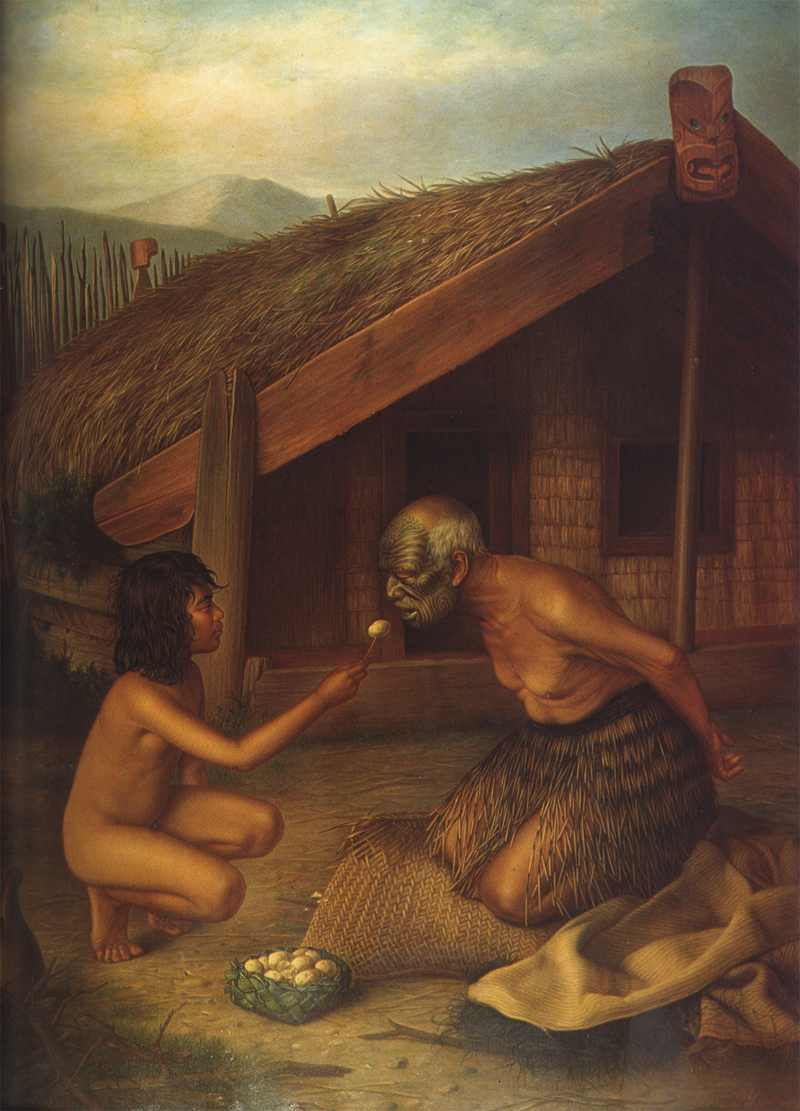 🇳🇿 New ZealandTohunga
A Māori expert practitioner of sacred or secular arts, from priests to carvers.Tradition · Healing · Seeing and foretelling Living
🇳🇿 New ZealandTohunga
A Māori expert practitioner of sacred or secular arts, from priests to carvers.Tradition · Healing · Seeing and foretelling Living
 🇲🇳 Mongolia and 2 moreWind Horseརླུང་རྟ་
An East and Central Asian symbol of the soul, luck, and vital energyBeing · Luck and prosperity · Protection Living
🇲🇳 Mongolia and 2 moreWind Horseརླུང་རྟ་
An East and Central Asian symbol of the soul, luck, and vital energyBeing · Luck and prosperity · Protection Living
 🇲🇬 Madagascar and 4 moreGeomancy
A cross-cultural system of divination using earth, sand, and landforms to read the future or align spaces.Oracle · Seeing and foretelling · Power and authority Living
🇭🇹 HaitiBois Caïman
The sacred site where enslaved Africans planned the Haitian Revolution through a Vodou ceremony.Rite · Cursing and harm · Power and authority Historical
🇲🇬 Madagascar and 4 moreGeomancy
A cross-cultural system of divination using earth, sand, and landforms to read the future or align spaces.Oracle · Seeing and foretelling · Power and authority Living
🇭🇹 HaitiBois Caïman
The sacred site where enslaved Africans planned the Haitian Revolution through a Vodou ceremony.Rite · Cursing and harm · Power and authority Historical
 🇺🇸 United StatesGhost DanceNanissaanah
A circular movement seeking spiritual renewal and reunion with ancestorsRite · Speaking with spirits and the dead · Change and initiation Living
🇺🇸 United StatesGhost DanceNanissaanah
A circular movement seeking spiritual renewal and reunion with ancestorsRite · Speaking with spirits and the dead · Change and initiation Living
 🇪🇬 Egypt and 5 moreSacred dance
Movement used in worship to honour deities, heal communities, or connect with the spirit world.Tradition · Protection · Healing Living
🇪🇬 Egypt and 5 moreSacred dance
Movement used in worship to honour deities, heal communities, or connect with the spirit world.Tradition · Protection · Healing Living
 🇵🇭 PhilippinesPhilippine mythology
The indigenous myths and spirits of the Philippines, shaped by centuries of trade and colonial contact.Tradition · Speaking with spirits and the dead · Power and authority Living
🇫🇮 Finland and 1 moreFinnic mythologies
The traditional beliefs and spiritual practices of the Finnic-speaking peoples of northern Eurasia.Tradition · Speaking with spirits and the dead · Power and authority Living
🇵🇭 PhilippinesPhilippine mythology
The indigenous myths and spirits of the Philippines, shaped by centuries of trade and colonial contact.Tradition · Speaking with spirits and the dead · Power and authority Living
🇫🇮 Finland and 1 moreFinnic mythologies
The traditional beliefs and spiritual practices of the Finnic-speaking peoples of northern Eurasia.Tradition · Speaking with spirits and the dead · Power and authority Living
 🇦🇺 AustraliaKurdaitchakwertatye
A ritual executioner and feathered shoes of the Arrernte people in Central Australia.Tradition · Cursing and harm · Power and authority Historical
🇦🇺 AustraliaKurdaitchakwertatye
A ritual executioner and feathered shoes of the Arrernte people in Central Australia.Tradition · Cursing and harm · Power and authority Historical
 🇬🇹 GuatemalaMaximónRi Laj Mam
A Maya folk saint and trickster deity venerated in the Guatemalan HighlandsBeing · Protection · Healing Living
🇬🇹 GuatemalaMaximónRi Laj Mam
A Maya folk saint and trickster deity venerated in the Guatemalan HighlandsBeing · Protection · Healing Living
 🇬🇷 Greece and 5 moreNecromancy
A form of divination that seeks to speak with the dead for hidden knowledge.Tradition · Seeing and foretelling · Power and authority Historical
🇬🇷 Greece and 5 moreNecromancy
A form of divination that seeks to speak with the dead for hidden knowledge.Tradition · Seeing and foretelling · Power and authority Historical
 🇲🇾 Malaysia and 1 morePawang
A shaman from Indonesia and Malaysia who commands spirits, weather, and wild animals.Being · Protection · Cursing and harm Living
🇲🇾 Malaysia and 1 morePawang
A shaman from Indonesia and Malaysia who commands spirits, weather, and wild animals.Being · Protection · Cursing and harm Living
 🇲🇽 MexicoNagualnāhualli
A Mesoamerican belief in humans who shapeshift into animal counterparts.Belief · Power and authority · Cursing and harm Living
🇲🇽 MexicoNagualnāhualli
A Mesoamerican belief in humans who shapeshift into animal counterparts.Belief · Power and authority · Cursing and harm Living
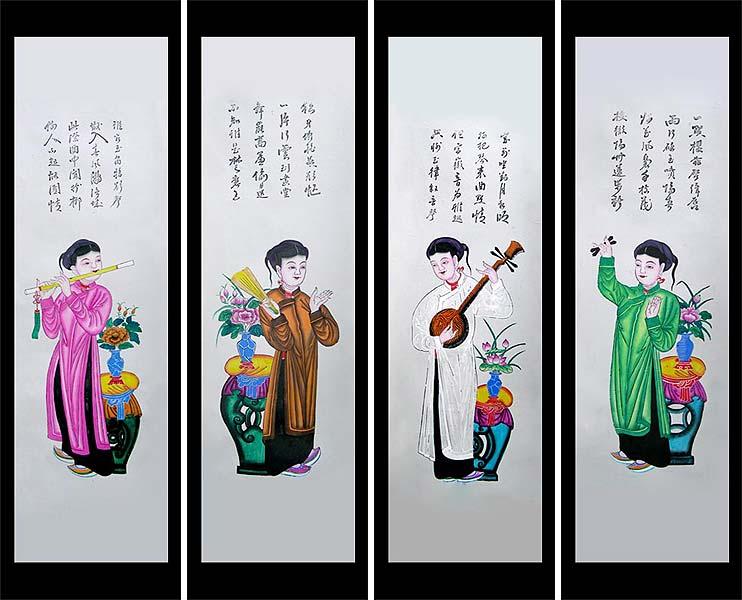 🇻🇳 Vietnam and 1 moreVietnamese folk religiontín ngưỡng dân gian Việt Nam
A collection of local spirit worship and ancestral veneration in VietnamTradition · Protection · Healing Living
🇻🇳 Vietnam and 1 moreVietnamese folk religiontín ngưỡng dân gian Việt Nam
A collection of local spirit worship and ancestral veneration in VietnamTradition · Protection · Healing Living
 🇱🇰 Sri Lanka and 1 moreKataragama templeකතරගම / கதிர்காமம் முருகன் கோயில்
A Sri Lankan shrine shared by Buddhists, Hindus, Muslims and VeddasTradition · Protection · Speaking with spirits and the dead Living
🇱🇰 Sri Lanka and 1 moreKataragama templeකතරගම / கதிர்காமம் முருகன் கோயில்
A Sri Lankan shrine shared by Buddhists, Hindus, Muslims and VeddasTradition · Protection · Speaking with spirits and the dead Living
 🇬🇷 Greece and 2 moreMagic in the Greco-Roman world
Private supernatural practices in ancient Greece and Rome, distinct from public state religion.Tradition · Protection · Cursing and harm Historical
🇬🇷 Greece and 2 moreMagic in the Greco-Roman world
Private supernatural practices in ancient Greece and Rome, distinct from public state religion.Tradition · Protection · Cursing and harm Historical
 🇫🇷 France and 1 moreLaying on of handsסמיכה
A physical gesture used across religions to convey authority, healing, or spiritual presence.Rite · Healing · Power and authority Living
🇫🇮 FinlandVäki
A supernatural power in Finnish mythology found in nature and objectsBelief · Cursing and harm · Healing Historical
🇫🇷 France and 1 moreLaying on of handsסמיכה
A physical gesture used across religions to convey authority, healing, or spiritual presence.Rite · Healing · Power and authority Living
🇫🇮 FinlandVäki
A supernatural power in Finnish mythology found in nature and objectsBelief · Cursing and harm · Healing Historical
 🇨🇳 China and 1 moreShamanism in the Qing dynasty
State-managed rituals of the Manchu rulers and their shamansTradition · Protection · Healing Historical
🇨🇳 China and 1 moreShamanism in the Qing dynasty
State-managed rituals of the Manchu rulers and their shamansTradition · Protection · Healing Historical
 🇮🇪 IrelandTailteann GamesÁenach Tailteann
Ancient Irish funeral games and assemblies held in County Meath to honor the dead.Rite · Speaking with spirits and the dead · Luck and prosperity Historical
🇷🇺 Russia and 1 moreImitation of sounds in shamanism
Shamanic vocal and musical mimicry of nature to invoke spirits or transform identityRite · Speaking with spirits and the dead · Power and authority Living
🇮🇪 IrelandTailteann GamesÁenach Tailteann
Ancient Irish funeral games and assemblies held in County Meath to honor the dead.Rite · Speaking with spirits and the dead · Luck and prosperity Historical
🇷🇺 Russia and 1 moreImitation of sounds in shamanism
Shamanic vocal and musical mimicry of nature to invoke spirits or transform identityRite · Speaking with spirits and the dead · Power and authority Living
 🇦🇺 AustraliaTjurunga
Sacred objects of the Arrernte people, embodying ancestral power and clan identity.Charm · Power and authority · Speaking with spirits and the dead Historical
🇦🇺 AustraliaTjurunga
Sacred objects of the Arrernte people, embodying ancestral power and clan identity.Charm · Power and authority · Speaking with spirits and the dead Historical
 🇳🇿 New Zealand and 4 moreFeather cloak
A garment of feathers worn by royalty and gods across cultures to signal rank or enable flightCharm · Power and authority · Wonder and entertainment Historical
🇲🇳 MongoliaBlack shamanismХар бөө
A Mongolian shamanic tradition working with lower spirits and ancestral power.Tradition · Speaking with spirits and the dead · Power and authority Revived
🇳🇿 New Zealand and 4 moreFeather cloak
A garment of feathers worn by royalty and gods across cultures to signal rank or enable flightCharm · Power and authority · Wonder and entertainment Historical
🇲🇳 MongoliaBlack shamanismХар бөө
A Mongolian shamanic tradition working with lower spirits and ancestral power.Tradition · Speaking with spirits and the dead · Power and authority Revived
 🇪🇸 SpainHuman sacrifice in the ancient Iberian Peninsula
Ancient ritual killings by Lusitanian and Vetton peoples for divination and warRite · Seeing and foretelling · Cursing and harm Historical
🇪🇸 SpainHuman sacrifice in the ancient Iberian Peninsula
Ancient ritual killings by Lusitanian and Vetton peoples for divination and warRite · Seeing and foretelling · Cursing and harm Historical
 🇲🇽 MexicoEntheogenics and the Maya
Hallucinogenic substances used by the Maya for spiritual rituals and healingTradition · Speaking with spirits and the dead · Healing Historical
🇲🇽 MexicoEntheogenics and the Maya
Hallucinogenic substances used by the Maya for spiritual rituals and healingTradition · Speaking with spirits and the dead · Healing Historical
 🇳🇵 Nepal and 1 moreBanjhakri and Banjhakrini
Forest shamans of the Kirati people in Nepal and eastern IndiaBeing · Speaking with spirits and the dead · Power and authority Living
🇳🇵 Nepal and 1 moreBanjhakri and Banjhakrini
Forest shamans of the Kirati people in Nepal and eastern IndiaBeing · Speaking with spirits and the dead · Power and authority Living
 🇨🇦 CanadaMistapewmistâpêw (ᒥᐢᑖᐤ)
A spirit-being of the Cree peoples, known as the Great Man or Bigfoot.Being · Protection · Healing Living
🇲🇱 MaliBoli
A charged fetish object of the Bambara people of MaliCharm · Cursing and harm · Seeing and foretelling Living
🇪🇸 SpainGuañameñe
A Guanche prophet and the highest priestly rank in pre-conquest TenerifeFigure · Seeing and foretelling · Power and authority Historical
🇨🇦 CanadaMistapewmistâpêw (ᒥᐢᑖᐤ)
A spirit-being of the Cree peoples, known as the Great Man or Bigfoot.Being · Protection · Healing Living
🇲🇱 MaliBoli
A charged fetish object of the Bambara people of MaliCharm · Cursing and harm · Seeing and foretelling Living
🇪🇸 SpainGuañameñe
A Guanche prophet and the highest priestly rank in pre-conquest TenerifeFigure · Seeing and foretelling · Power and authority Historical
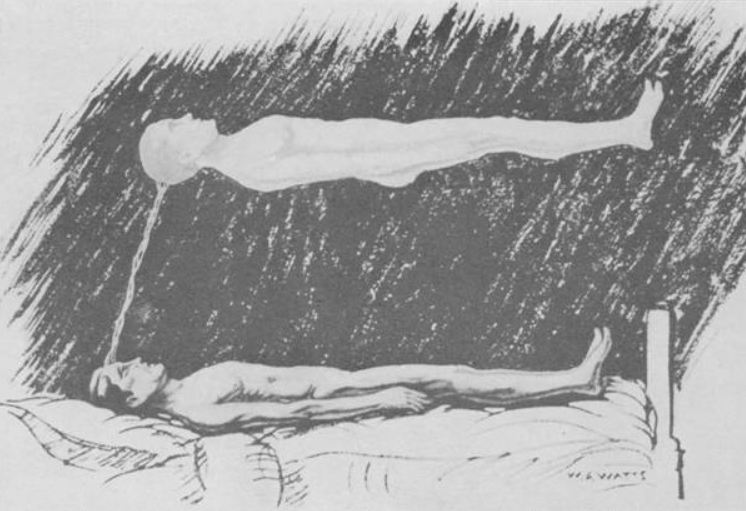 🇮🇳 India and 3 moreAstral projection
An intentional out-of-body experience where consciousness travels through the astral planeTradition · Speaking with spirits and the dead · Change and initiation Living
🇮🇳 India and 3 moreAstral projection
An intentional out-of-body experience where consciousness travels through the astral planeTradition · Speaking with spirits and the dead · Change and initiation Living
Photo credits on this page
The small pictures above come from Wikimedia Commons under free licences. Some are cropped to fit.
- Maya mythology: Unknown author, Public domain, source
- Human sacrifice in the ancient Iberian Peninsula: Manuel Parada López de Corselas User:Manuel de Corselas ARS SUMMUM, Ce, Public domain, source
- Astral projection: Hereward Carrington, Sylvan Muldoon., Public domain, source
- Tagalog religion: The original uploader was Rodsan18 at English Wikipedia . ( Original t, CC BY 2.5, source
- Mistapew: Alarichall, CC0, source
- Banjhakri and Banjhakrini: RajashreeTalukdar, CC BY-SA 3.0, source
- Kurdaitcha: Unknown author, CC BY 4.0, source
- Maximón: Sapfan (Jan Pesula), Public domain, source
- Necromancy: Unknown author, CC BY 4.0, source
- Pawang: Unknown author, CC BY-SA 3.0, source
- Nagual: Unknown author, Public domain, source
- Vietnamese folk religion: Unknown (traditional painting dated back to the 17th century), Public domain, source
- Kataragama temple: Ghostface Buddha, CC BY-SA 2.0, source
- Shamanism in the Qing dynasty: A nineteenth-century team of editors., Public domain, source
- Feather cloak: Lusanaherandraton, CC BY-SA 4.0, source
- Tohunga: Gottfried Lindauer, Public domain, source
- Tailteann Games: Unknown author, Public domain, source
- Tjurunga: No machine-readable author provided. Sepu~commonswiki assumed (based o, CC BY-SA 2.5, source
- Laying on of hands: User:Lipsio, CC BY 3.0, source
- Magic in the Greco-Roman world: ArchaiOptix, CC BY-SA 4.0, source
- Sacred dance: Jorge Barrios, CC BY-SA 3.0, source
- Ghost Dance: Unknown author, Public domain, source
- Geomancy: Jacopo188, CC BY-SA 3.0, source
- Wind Horse: Clemensmarabu, CC BY-SA 3.0, source