Scholars and sceptics
Anthropologists, historians and investigators who study magic and test its claims.
Scholars and sceptics are the people who study magic from outside the practice: anthropologists, historians, folklorists, psychologists, scholars of religion and investigators who test claims. They have names such as E. E. Evans-Pritchard, Marcel Mauss, Bronislaw Malinowski, Mary Douglas, Keith Thomas and Carlo Ginzburg, and also investigators such as James Randi. This page covers what they have found, how they disagree, and what their work has cost and changed. Their work has changed how the whole subject is understood.
Early theories
Nineteenth-century writers such as James Frazer treated magic as a mistaken early science, a view now widely rejected as arrogant and inaccurate. Later anthropologists, including Evans-Pritchard in his 1937 study of the Azande, showed that magical belief can be a consistent way of reasoning about misfortune. Mauss and Malinowski stressed its social role. Fieldwork, archives, laboratory studies and surveys are their main methods, and each field has its own debates and schools.
The history of witch trials
Historians have revised their view of the witch trials. Keith Thomas and Alan Macfarlane studied English village accusations, Carlo Ginzburg found the benandanti in Friuli, and Ronald Hutton has argued about the numbers and causes, and Silvia Federici links the persecution to the rise of capitalism, a thesis historians dispute. The older figure of nine million victims has been dropped, and estimates now run to tens of thousands of executions.
Testing claims
Sceptics test whether claims hold up. James Randi offered a prize for evidence of paranormal power that was never won, and organisations such as the Committee for Skeptical Inquiry investigate fraud. Researchers study why people believe: pattern-seeking, uncertainty and the wish to control events. The best sceptics aim to understand people, not to mock them. Sceptics hold that claims should be tested, and they have a long record of exposing cases such as spirit photography and fake healers.
Ethics of study
Scholars were often colonial officials or missionaries, and their reports shaped how Indigenous religions were named. Contemporary researchers work with communities, ask consent and respect closed knowledge. Practitioners sometimes object to being explained, and sceptics sometimes to being called closed-minded. The conversation continues, and this guide aims to stay neutral on whether magic works. Their critics reply that science cannot measure everything that matters to a community, and that explaining a ritual away is not the same as understanding it.
Scholars and sceptics on EveryJaadu
The entries written up so far, best known first.
 🇷🇺 Russia and 5 moreFiredrakeognennyi zmei
A European dragon myth born from sightings of shooting stars and will-o'-the-wispsBeing · Cursing and harm · Luck and prosperity Historical
 🇬🇷 GreeceAkanthos curse tablet
A lead tablet from Macedonia carrying a man's spell to draw two people to himCharm · Binding and oaths · Love and attraction Historical
 🇮🇳 India and 1 moreDamnation
A state of divine punishment or separation from the sacred after deathBelief · Cursing and harm Living
 🇦🇺 Australia and 1 moreVoldemort effect
A social pattern where naming a fear or problem makes it seem more powerfulBelief · Cursing and harm Historical
 🇮🇸 IcelandYule catJólakötturinn
A giant feline from Icelandic folklore that threatens those without new Christmas clothesFigure · Cursing and harm Living
🇮🇱 IsraelPulsa diNuraפולסא דנורא
A Kabbalistic curse invoking destroying angels to block forgiveness and cause deathRite · Cursing and harm Historical
🇮🇹 ItalyMazapégul
A mischievous elf of Romagna with a red cap that steals sleep and braids horse manesBeing · Cursing and harm · Luck and prosperity Historical
 🇱🇷 LiberiaMaryland ritual killings
A 1970s Liberian case of ritual murders and the public executions that followedBelief · Cursing and harm Historical
 🇮🇳 IndiaVyatipāta
An astrological moment in India marking a sun-moon alignment believed to signal calamity.Belief · Cursing and harm Historical
🇬🇷 Greece and 1 moreMaternal impression
A discredited theory that a mother's shock or thoughts can mark her unborn childBelief · Cursing and harm Historical
 🇫🇷 FranceOn the Demonomania of the SorcerersDe la démonomanie des sorciers
Jean Bodin's 1580 treatise on witches, demons and their prosecutionText · Cursing and harm · Protection Historical
 🇺🇸 United States and 3 moreFortune telling fraud
A confidence trick where a grifter invents a curse to extract money from a vulnerable client.Belief · Cursing and harm Living
 🇮🇹 Italy and 2 moreWheel of Fortune
A medieval allegory of fate's unpredictable turns and the fall of kingsBelief · Cursing and harm · Luck and prosperity Historical
 🇮🇱 IsraelGharqadغرقد
A tree in Islamic eschatology said to protect Jews at the end timesBelief · Cursing and harm Historical
🇪🇸 SpainLiber Ignium
A medieval Latin manuscript containing recipes for incendiary weapons and chemicals.Text · Cursing and harm · Power and authority Historical
 🇯🇵 JapanKasha火車
A Japanese yōkai that steals corpses from funerals and gravesBeing · Cursing and harm Historical
 🇬🇧 United KingdomTam Lin
A Scottish ballad about a fairy knight rescued by his mortal lover on Hallowe'enFigure · Love and attraction · Cursing and harm Historical
🇫🇷 FranceAix-en-Provence possessions
17th-century French convent cases of alleged demonic possessionBelief · Cursing and harm Historical
 🇩🇪 Germany and 3 moreCruentation
A medieval judicial test where a suspect touched a victim's body to see if it bled.Rite · Cursing and harm Historical
 🇮🇱 Israel and 1 moreUnclean spiritπνεῦμα ἀκάθαρτον (pneuma akatharton)
A spirit of impurity in biblical belief, driven out by breath, smoke and wordsBeing · Cleansing and purification · Cursing and harm Living
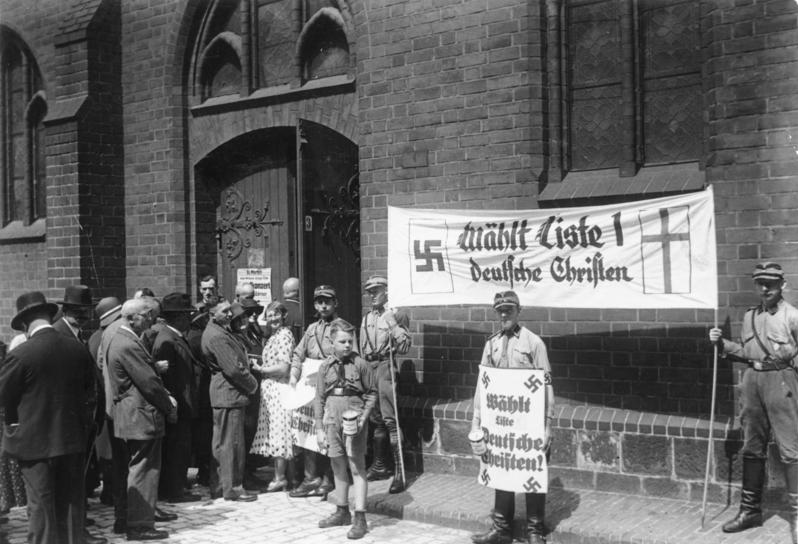 🇩🇪 Germany and 1 moreReligious aspects of Nazism
The study of how Nazi ideology borrowed religious forms and esoteric beliefs to build a political movement.Tradition · Power and authority · Cursing and harm Historical
🇺🇸 United StatesNight Doctors
African American folklore about doctors who stole or killed black bodies for medical studyBelief · Cursing and harm Historical
🇩🇪 Germany and 3 morePalestinabuch
A lost manuscript by Herman Wirth said to reveal the secret history of Jews and Aryans.Text · Cursing and harm Historical
 🇯🇵 JapanGagoze元興寺の鬼
A yōkai of Nara said to be a lightning child or a monk demon from Gangō-jiBeing · Cursing and harm Historical
 🇯🇵 JapanHyōsubeひょうすべ
A hairy river spirit of Kyushu that eats eggplants and brings fever.Being · Cursing and harm Historical
🇯🇵 JapanYamajijii山爺
A one-eyed mountain spirit from Shikoku folklore known for its thunderous voice and unpredictable nature.Being · Cursing and harm · Luck and prosperity Historical
 🇯🇵 JapanMomiji Legend紅葉伝説
A Japanese tale of a demoness defeated by a warrior on Mount TogakushiFigure · Cursing and harm · Protection Historical
 🇲🇽 MexicoXolotl
An Aztec deity of fire, lightning, and death who guides souls to the underworld.Being · Cursing and harm · Speaking with spirits and the dead Historical
 🇸🇪 SwedenGlemminge stone
A Viking Age runestone in Sweden bearing a Younger Futhark inscription and a curse.Text · Cursing and harm Historical
 🇮🇹 Italy and 1 moreGrim Reaper
A hooded skeleton with a scythe, representing death in Western art and story.Figure · Cursing and harm Historical
🇮🇱 IsraelMessiah ben Josephמָשִׁיחַ בֶּן־יוֹסֵף
A Jewish eschatological figure who wages war and dies before the final age of peaceFigure · Cursing and harm · Power and authority Historical
🇷🇺 Russia and 2 moreVerliokaВерлиока
A cross-eyed monster from East Slavic folk talesFigure · Cursing and harm Historical
🇾🇪 YemenʿAnāqأناق بنت آدم
A monstrous daughter of Adam in Islamic extra-Quranic traditionFigure · Cursing and harm Historical
 🇮🇱 Israel and 1 moreSerpent seed
A fringe belief that Cain was the offspring of Eve and the Serpent, creating two distinct human lineages.Belief · Cursing and harm Historical
🇬🇧 United KingdomMetheringham Lass
A ghostly woman at a British airfield who asks for help before vanishing.Being · Cursing and harm Historical
Photo credits on this page
The small pictures above come from Wikimedia Commons under free licences. Some are cropped to fit.
- Serpent seed: David Roberts, CC BY-SA 3.0, source
- Glemminge stone: Jorchr, CC BY-SA 3.0, source
- Voldemort effect: Shayan Barjesteh van Waalwijk van Doorn, CC BY-SA 4.0, source
- Damnation: Didier Descouens, Public domain, source
- Akanthos curse tablet: CNG Coins, CC BY-SA 3.0, source
- Kasha: Brigham Young University, CC BY-SA 4.0, source
- Firedrake: Ramesh Kumar R, CC BY-SA 4.0, source
- Yule cat: Christine Rondeau, CC BY 2.0, source
- Maryland ritual killings: Fred van der Kraaij, CC BY-SA 4.0, source
- Vyatipāta: Krishnachandranvn, CC0, source
- On the Demonomania of the Sorcerers: Jean Bodin, Public domain, source
- Fortune telling fraud: Simon Vouet, Public domain, source
- Wheel of Fortune: Unknown author, Public domain, source
- Gharqad: MurielBendel, CC BY-SA 4.0, source
- Tam Lin: Richard Webb, CC BY-SA 2.0, source
- Cruentation: Unknown author, Public domain, source
- Unclean spirit: David Shankbone, CC BY-SA 3.0, source
- Religious aspects of Nazism: Unknown author, CC BY-SA 3.0 de, source
- Gagoze: Brigham Young University, CC BY-SA 4.0, source
- Hyōsube: Brigham Young University, CC BY-SA 4.0, source
- Momiji Legend: Tengoro, CC BY-SA 3.0, source
- Xolotl: Adamt, CC0, source
- Grim Reaper: Jaroslav A. Polák, CC BY 4.0, source