Scholars and sceptics
Anthropologists, historians and investigators who study magic and test its claims.
Scholars and sceptics are the people who study magic from outside the practice: anthropologists, historians, folklorists, psychologists, scholars of religion and investigators who test claims. They have names such as E. E. Evans-Pritchard, Marcel Mauss, Bronislaw Malinowski, Mary Douglas, Keith Thomas and Carlo Ginzburg, and also investigators such as James Randi. This page covers what they have found, how they disagree, and what their work has cost and changed. Their work has changed how the whole subject is understood.
Early theories
Nineteenth-century writers such as James Frazer treated magic as a mistaken early science, a view now widely rejected as arrogant and inaccurate. Later anthropologists, including Evans-Pritchard in his 1937 study of the Azande, showed that magical belief can be a consistent way of reasoning about misfortune. Mauss and Malinowski stressed its social role. Fieldwork, archives, laboratory studies and surveys are their main methods, and each field has its own debates and schools.
The history of witch trials
Historians have revised their view of the witch trials. Keith Thomas and Alan Macfarlane studied English village accusations, Carlo Ginzburg found the benandanti in Friuli, and Ronald Hutton has argued about the numbers and causes, and Silvia Federici links the persecution to the rise of capitalism, a thesis historians dispute. The older figure of nine million victims has been dropped, and estimates now run to tens of thousands of executions.
Testing claims
Sceptics test whether claims hold up. James Randi offered a prize for evidence of paranormal power that was never won, and organisations such as the Committee for Skeptical Inquiry investigate fraud. Researchers study why people believe: pattern-seeking, uncertainty and the wish to control events. The best sceptics aim to understand people, not to mock them. Sceptics hold that claims should be tested, and they have a long record of exposing cases such as spirit photography and fake healers.
Ethics of study
Scholars were often colonial officials or missionaries, and their reports shaped how Indigenous religions were named. Contemporary researchers work with communities, ask consent and respect closed knowledge. Practitioners sometimes object to being explained, and sceptics sometimes to being called closed-minded. The conversation continues, and this guide aims to stay neutral on whether magic works. Their critics reply that science cannot measure everything that matters to a community, and that explaining a ritual away is not the same as understanding it.
Scholars and sceptics on EveryJaadu
The entries written up so far, best known first.
 🇪🇬 Egypt and 1 moreCorpus Hermeticum
A collection of Greek writings attributed to Hermes Trismegistus that shaped Western esoteric thoughtText · Speaking with spirits and the dead · Change and initiation Historical
🇪🇬 Egypt and 1 moreCorpus Hermeticum
A collection of Greek writings attributed to Hermes Trismegistus that shaped Western esoteric thoughtText · Speaking with spirits and the dead · Change and initiation Historical
 🇫🇷 France and 2 moreÉliphas Lévi
A French writer who shaped modern occult thought and ceremonial magic.Text · Power and authority · Speaking with spirits and the dead Historical
🇫🇷 France and 2 moreÉliphas Lévi
A French writer who shaped modern occult thought and ceremonial magic.Text · Power and authority · Speaking with spirits and the dead Historical
 🇸🇪 Sweden and 4 moreEmanuel Swedenborg
An 18th-century Swedish scientist who became a mystic and claimed to visit the afterlife.Text · Speaking with spirits and the dead · Change and initiation Living
🇸🇪 Sweden and 4 moreEmanuel Swedenborg
An 18th-century Swedish scientist who became a mystic and claimed to visit the afterlife.Text · Speaking with spirits and the dead · Change and initiation Living
 🇸🇳 Senegal and 5 morePentagramπεντάγραμμον
A five-pointed star figure used across history for protection, ritual, and cosmologyCharm · Protection · Binding and oaths Living
🇸🇳 Senegal and 5 morePentagramπεντάγραμμον
A five-pointed star figure used across history for protection, ritual, and cosmologyCharm · Protection · Binding and oaths Living
 🇷🇺 Russia and 7 moreSlavic Native FaithРодноверие
A modern polytheistic movement drawing on Slavic folklore, romanticism, and global spiritual traditions.Tradition · Speaking with spirits and the dead · Power and authority Living
🇪🇬 EgyptTheurgyθεουργία
A Neoplatonic ritual path to unite the soul with the divine through sacred actsTradition · Speaking with spirits and the dead · Change and initiation Historical
🇷🇺 Russia and 7 moreSlavic Native FaithРодноверие
A modern polytheistic movement drawing on Slavic folklore, romanticism, and global spiritual traditions.Tradition · Speaking with spirits and the dead · Power and authority Living
🇪🇬 EgyptTheurgyθεουργία
A Neoplatonic ritual path to unite the soul with the divine through sacred actsTradition · Speaking with spirits and the dead · Change and initiation Historical
 🇮🇹 Italy and 3 moreRenaissance magic
A 15th and 16th century revival of magical arts blending philosophy, astrology, and hidden knowledge.Tradition · Power and authority · Seeing and foretelling Historical
🇮🇹 Italy and 3 moreRenaissance magic
A 15th and 16th century revival of magical arts blending philosophy, astrology, and hidden knowledge.Tradition · Power and authority · Seeing and foretelling Historical
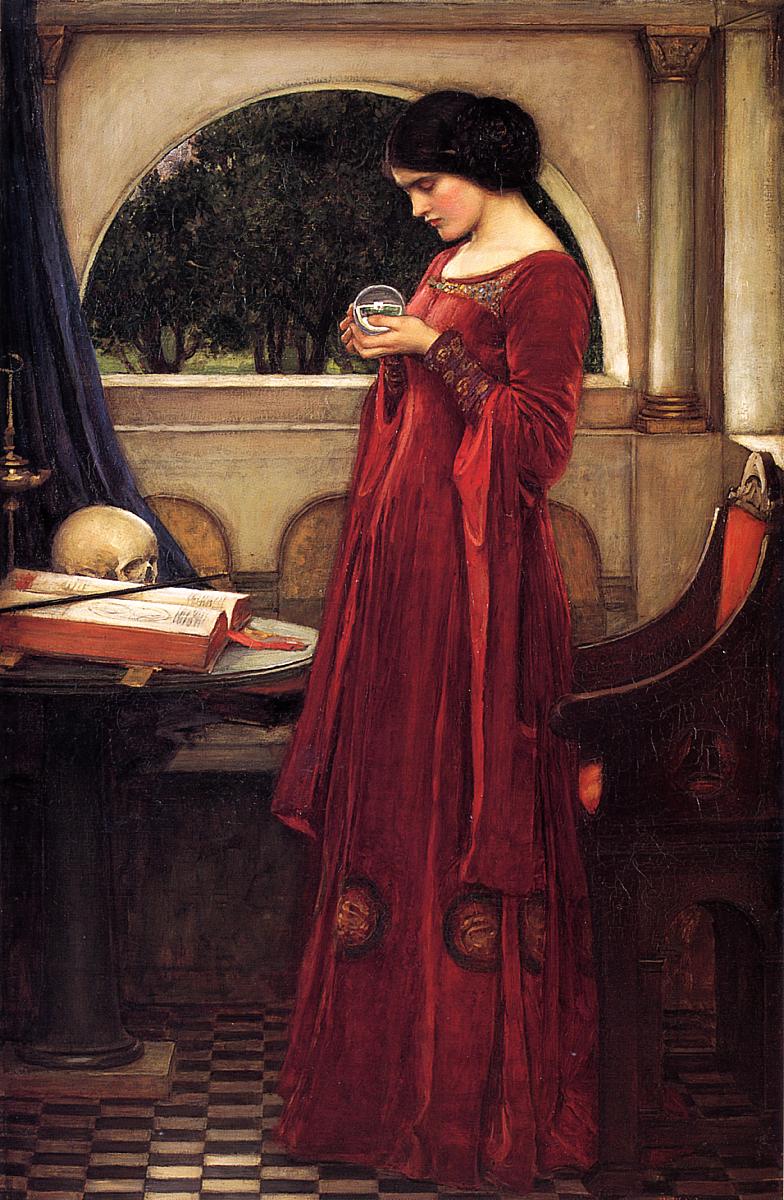 🇪🇬 EgyptScrying
A divination practice of gazing into a medium to receive visions or guidance.Oracle · Seeing and foretelling · Speaking with spirits and the dead Historical
🇪🇬 EgyptScrying
A divination practice of gazing into a medium to receive visions or guidance.Oracle · Seeing and foretelling · Speaking with spirits and the dead Historical
 🇫🇷 FranceThree Books of Occult PhilosophyDe occulta philosophia libri III
A Renaissance treatise on elemental, celestial and divine magicText · Healing · Speaking with spirits and the dead Historical
🇫🇷 FranceThree Books of Occult PhilosophyDe occulta philosophia libri III
A Renaissance treatise on elemental, celestial and divine magicText · Healing · Speaking with spirits and the dead Historical
 🇬🇧 United Kingdom and 1 moreJohn Dee
An English scholar and advisor to Elizabeth I who pursued angelic communication through scrying.Tradition · Speaking with spirits and the dead · Seeing and foretelling Historical
🇬🇧 United Kingdom and 1 moreJohn Dee
An English scholar and advisor to Elizabeth I who pursued angelic communication through scrying.Tradition · Speaking with spirits and the dead · Seeing and foretelling Historical
 🇬🇧 United KingdomHermetic Order of the Golden DawnOrdo Hermeticus Aurorae Aureae
A late-19th-century British magical order that shaped modern Western occultismTradition · Speaking with spirits and the dead · Change and initiation Historical
🇬🇧 United KingdomHermetic Order of the Golden DawnOrdo Hermeticus Aurorae Aureae
A late-19th-century British magical order that shaped modern Western occultismTradition · Speaking with spirits and the dead · Change and initiation Historical
 🇮🇶 Iraq and 5 moreGrimoire
A textbook containing instructions for spells, rituals, and the creation of magical objects.Text · Protection · Healing Historical
🇮🇶 Iraq and 5 moreGrimoire
A textbook containing instructions for spells, rituals, and the creation of magical objects.Text · Protection · Healing Historical
 🇩🇪 Germany and 5 moreAnthroposophy
A spiritual movement founded by Rudolf Steiner to explore the intellectual side of the unseen worldTradition · Speaking with spirits and the dead · Change and initiation Living
🇬🇧 United KingdomGrimoire (sample)
A handbook of rites and names.Text · Power and authority · Speaking with spirits and the dead Historical
🇩🇪 Germany and 5 moreAnthroposophy
A spiritual movement founded by Rudolf Steiner to explore the intellectual side of the unseen worldTradition · Speaking with spirits and the dead · Change and initiation Living
🇬🇧 United KingdomGrimoire (sample)
A handbook of rites and names.Text · Power and authority · Speaking with spirits and the dead Historical
 🇮🇹 ItalyArcheosofica
A school of esoteric Christianity founded in Rome that teaches ascetic disciplines and magical theory.Tradition · Power and authority · Speaking with spirits and the dead Living
🇮🇹 ItalyArcheosofica
A school of esoteric Christianity founded in Rome that teaches ascetic disciplines and magical theory.Tradition · Power and authority · Speaking with spirits and the dead Living
 🇻🇳 Vietnam and 2 moreVietnamese numismatic charmsBùa Việt Nam
Coin-shaped charms used for protection, luck, and ritual in Vietnamese cultureCharm · Protection · Luck and prosperity Historical
🇻🇳 Vietnam and 2 moreVietnamese numismatic charmsBùa Việt Nam
Coin-shaped charms used for protection, luck, and ritual in Vietnamese cultureCharm · Protection · Luck and prosperity Historical
 🇪🇬 EgyptAeonαἰών
Emanations of the divine source in Gnostic cosmologyBeing · Speaking with spirits and the dead Historical
🇪🇬 EgyptAeonαἰών
Emanations of the divine source in Gnostic cosmologyBeing · Speaking with spirits and the dead Historical
 🇺🇸 United StatesAshtar
A channeled extraterrestrial figure central to mid-century American ufology and New Age spiritualityBeing · Speaking with spirits and the dead · Seeing and foretelling Living
🇺🇸 United StatesAshtar
A channeled extraterrestrial figure central to mid-century American ufology and New Age spiritualityBeing · Speaking with spirits and the dead · Seeing and foretelling Living
 🇪🇬 EgyptMagical alphabet
Letter systems used in occult rituals and talismanic magicText · Protection · Power and authority Living
🇬🇧 United KingdomTyphonian Order
A British Thelemic esoteric body working with dark occultism, kalas, and cosmic mythTradition · Change and initiation · Speaking with spirits and the dead Living
🇺🇸 United States and 3 moreBuilders of the Adytum
A Western mystery school teaching tarot and Qabalah through correspondenceTradition · Speaking with spirits and the dead · Power and authority Living
🇮🇳 IndiaWater (classical element)
A classical substance linked to emotion and intuition in Greek, Indian, and Western esoteric traditions.Substance · Speaking with spirits and the dead · Power and authority Historical
🇮🇹 Italy and 2 moreOsirian Egyptian OrderOrdine Osirideo Egizio
An Italian esoteric society tracing its roots to 18th-century Naples and ancient Hermetic traditions.Tradition · Power and authority · Speaking with spirits and the dead Historical
🇮🇷 IranPersian mysticism
A spiritual tradition in Iran blending ancient beliefs with Sufi practice and poetic thought.Tradition · Speaking with spirits and the dead · Change and initiation Living
🇪🇬 EgyptMagical alphabet
Letter systems used in occult rituals and talismanic magicText · Protection · Power and authority Living
🇬🇧 United KingdomTyphonian Order
A British Thelemic esoteric body working with dark occultism, kalas, and cosmic mythTradition · Change and initiation · Speaking with spirits and the dead Living
🇺🇸 United States and 3 moreBuilders of the Adytum
A Western mystery school teaching tarot and Qabalah through correspondenceTradition · Speaking with spirits and the dead · Power and authority Living
🇮🇳 IndiaWater (classical element)
A classical substance linked to emotion and intuition in Greek, Indian, and Western esoteric traditions.Substance · Speaking with spirits and the dead · Power and authority Historical
🇮🇹 Italy and 2 moreOsirian Egyptian OrderOrdine Osirideo Egizio
An Italian esoteric society tracing its roots to 18th-century Naples and ancient Hermetic traditions.Tradition · Power and authority · Speaking with spirits and the dead Historical
🇮🇷 IranPersian mysticism
A spiritual tradition in Iran blending ancient beliefs with Sufi practice and poetic thought.Tradition · Speaking with spirits and the dead · Change and initiation Living
 🇮🇷 Iran and 5 moreAxis mundi
A concept describing a central point connecting the earthly and heavenly realms.Belief · Speaking with spirits and the dead · Power and authority Historical
🇮🇷 IranBalaibalanباليبلن
An early constructed language from the Islamic world, likely created for sacred or poetic purposes.Text · Speaking with spirits and the dead · Wonder and entertainment Historical
🇮🇷 Iran and 5 moreAxis mundi
A concept describing a central point connecting the earthly and heavenly realms.Belief · Speaking with spirits and the dead · Power and authority Historical
🇮🇷 IranBalaibalanباليبلن
An early constructed language from the Islamic world, likely created for sacred or poetic purposes.Text · Speaking with spirits and the dead · Wonder and entertainment Historical
 🇮🇳 India and 1 moreAstral body
A subtle vehicle of emotion and dream said to travel beyond the physical formBelief · Speaking with spirits and the dead · Change and initiation Historical
🇮🇳 India and 1 moreAstral body
A subtle vehicle of emotion and dream said to travel beyond the physical formBelief · Speaking with spirits and the dead · Change and initiation Historical
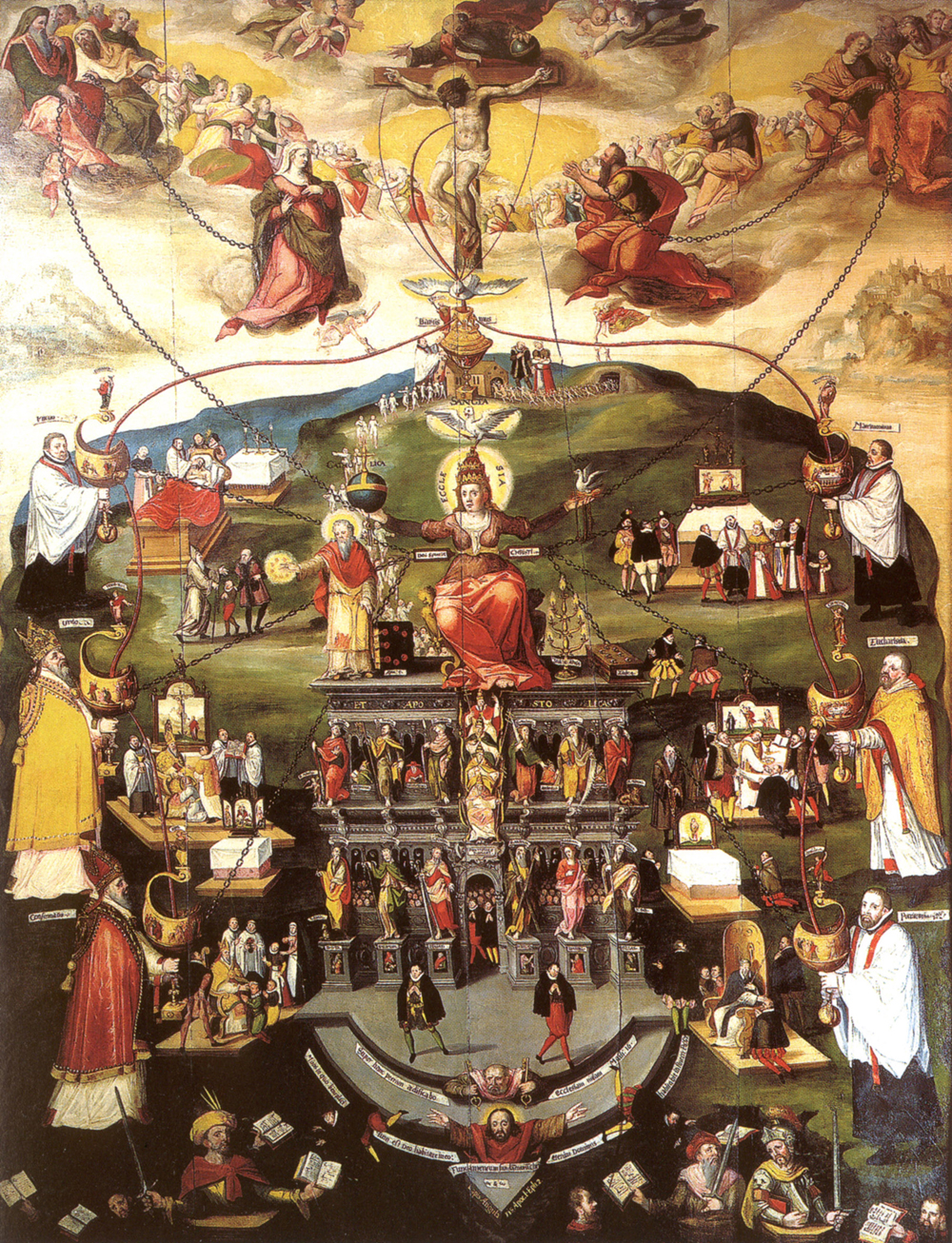 🇬🇷 GreeceSacred mysteriesμυστήριον
Secret ceremonies and divine doctrines held to exceed human reasonBelief · Speaking with spirits and the dead · Change and initiation Living
🇬🇷 GreeceSacred mysteriesμυστήριον
Secret ceremonies and divine doctrines held to exceed human reasonBelief · Speaking with spirits and the dead · Change and initiation Living
 🇮🇹 ItalyUR Group
An Italian esoteric circle studying magic and traditional philosophy in the late 1920s.Tradition · Speaking with spirits and the dead · Change and initiation Historical
🇮🇹 ItalyUR Group
An Italian esoteric circle studying magic and traditional philosophy in the late 1920s.Tradition · Speaking with spirits and the dead · Change and initiation Historical
 🇫🇷 France and 4 moreEctoplasm
A substance said to be excreted by mediums during séances, later exposed as common household materials.Substance · Speaking with spirits and the dead Historical
🇫🇷 France and 4 moreEctoplasm
A substance said to be excreted by mediums during séances, later exposed as common household materials.Substance · Speaking with spirits and the dead Historical
Photo credits on this page
The small pictures above come from Wikimedia Commons under free licences. Some are cropped to fit.
- Grimoire: Bengt A. Lundberg, CC BY 2.5, source
- Heinrich Cornelius Agrippa: Jean-Louis Durant (1654-1718), Public domain, source
- Anthroposophy: Wladyslaw, CC BY-SA 3.0, source
- Magical alphabet: Francis Barrett, Public domain, source
- Axis mundi: Unknown author, Public domain, source
- Éliphas Lévi: Eliphas Lévi [1810-1875], Public domain, source
- Mediumship: Harvey Metcalfe, Public domain, source
- Archeosofica: Unknown author, Public domain, source
- Emanuel Swedenborg: Carl Frederik von Breda, Public domain, source
- Marsilio Ficino: Marsilio Ficino, Public domain, source
- Pentagram: Tomruen, Attribution, source
- Natural magic: Unidentified painter, Public domain, source
- Slavic Native Faith: Union of Slavic Rodnover Communities (Союз Славянских Общин Славянской, CC BY-SA 4.0, source
- Renaissance magic: Unknown author, Public domain, source
- Scrying: John William Waterhouse, Public domain, source
- Three Books of Occult Philosophy: Heinrich Cornelius Agrippa, Public domain, source
- Vietnamese numismatic charms: Jean-Michel Moullec, CC BY 2.0, source
- Aeon: Jacques Matter, Public domain, source
- Ashtar: Evedawn99, Public domain, source
- Astral body: Rad el Baluvar, CC BY-SA 3.0, source
- UR Group: Gruppo di Ur, Public domain, source
- Sacred mysteries: Johannes Hopffe, Public domain, source