Households and ordinary people
Grandmothers, parents and neighbours doing the small things: the knot, the salt, the red thread.
Households and ordinary people do most of the world's magic: the grandmother who ties a thread on a baby's wrist, the neighbour who throws salt, the shopkeeper who hangs a lemon and chillies, the family that burns incense before a photograph. These people are not specialists and often do not call it magic. This page looks at the domestic side of the subject, which is the commonest and least written about.
Everyday customs
Household practice is woven into daily life: sweeping at new year, a bead on a cradle, a horseshoe over a door, a charm in a car. It tends to be practical, brief and handed down within the family. Many people say they do it because their mother did, or to be safe. It rarely needs a priest, a text or a fee. The hands that do it are those of mothers and grandmothers, who also cook, clean and care, so the magic is part of the labour of the home.
Women and the home
Women are the principal keepers of household custom in many societies, as mothers, grandmothers and aunts. Their knowledge covers birth, child care, food, illness, marriage and death. That knowledge is often undervalued by the formal religion and by scholars, and was also the source of accusations in the witch trials, in which women who were midwives or healers were prominent. A household custom is learned by watching and may never be explained, since the practitioner does not see it as special.
Faith and the home
Religious leaders have seen household custom as faith, as superstition or as a nuisance. Reformers in Protestant Europe, Salafi Islam and some Hindu and Buddhist movements have told people to give up such practices. Many people keep them regardless. In the diaspora, the home customs are sometimes the part of heritage that lasts longest, and are carried to new countries in suitcases. In cities, small shrines, protective charms and everyday rituals often survive in apartments, taxis and shops.
Why scholars care
Anthropologists of everyday religion and folklorists record these customs as evidence of how people manage risk. They show how belief and practice differ, since people may say they do not believe and still knock on wood. Household magic is also the easiest to commercialise, in shops selling charms and kits that detach customs from their homes. A new student or visitor may find that families who say they do not believe still follow such customs carefully, and this gap is one of the more interesting findings.
Households and ordinary people on EveryJaadu
The entries written up so far, best known first.
 🇲🇽 Mexico and 5 moreFolk Catholicism
Local religious customs that blend official Church teaching with indigenous or regional traditions.Tradition · Protection · Healing Living
🇲🇽 Mexico and 5 moreFolk Catholicism
Local religious customs that blend official Church teaching with indigenous or regional traditions.Tradition · Protection · Healing Living
 🇺🇸 United StatesRing shout
A sacred circle dance of African American origin using rhythmic movement and call-and-response singingRite · Speaking with spirits and the dead · Power and authority Living
🇺🇸 United StatesRing shout
A sacred circle dance of African American origin using rhythmic movement and call-and-response singingRite · Speaking with spirits and the dead · Power and authority Living
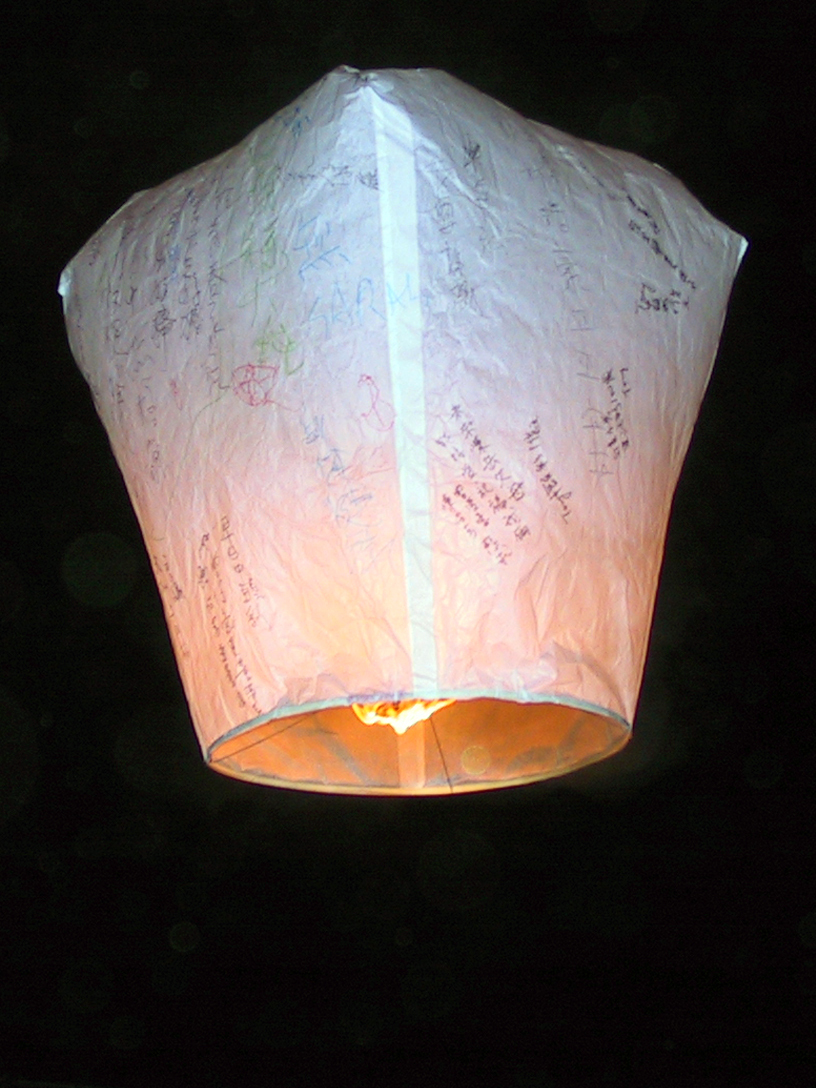 🇨🇳 China and 5 moreSky lantern天燈
A paper hot air balloon lifted by flame to carry wishes and blessingsRite · Luck and prosperity · Protection Living
🇩🇪 Germany and 3 moreSixth and Seventh Books of Moses
A grimoire claiming to reveal the hidden spells of Moses for controlling spirits and natureText · Power and authority · Speaking with spirits and the dead Historical
🇨🇳 China and 5 moreSky lantern天燈
A paper hot air balloon lifted by flame to carry wishes and blessingsRite · Luck and prosperity · Protection Living
🇩🇪 Germany and 3 moreSixth and Seventh Books of Moses
A grimoire claiming to reveal the hidden spells of Moses for controlling spirits and natureText · Power and authority · Speaking with spirits and the dead Historical
 🇬🇧 United Kingdom and 5 moreConcealed shoes
Shoes hidden in building structures as folk charms for protection and fertilityCharm · Protection · Speaking with spirits and the dead Historical
🇬🇧 United Kingdom and 5 moreConcealed shoes
Shoes hidden in building structures as folk charms for protection and fertilityCharm · Protection · Speaking with spirits and the dead Historical
 🇮🇳 India and 3 moreSpirit
An invisible force or soul found in many cultures, linked to gods, humans, and nature.Being · Speaking with spirits and the dead · Power and authority Living
🇮🇳 India and 3 moreSpirit
An invisible force or soul found in many cultures, linked to gods, humans, and nature.Being · Speaking with spirits and the dead · Power and authority Living
 🇺🇸 United States and 2 moreSpiritualism
A nineteenth-century religious movement focused on communicating with the dead.Tradition · Speaking with spirits and the dead Historical
🇺🇸 United States and 2 moreSpiritualism
A nineteenth-century religious movement focused on communicating with the dead.Tradition · Speaking with spirits and the dead Historical
 🇱🇦 Laos and 3 moreTai folk religionສາສະໜາຜີ
Spirits, ancestor rites, and soul-calling ceremonies of the Tai peoplesTradition · Protection · Healing Living
🇱🇦 Laos and 3 moreTai folk religionສາສະໜາຜີ
Spirits, ancestor rites, and soul-calling ceremonies of the Tai peoplesTradition · Protection · Healing Living
 🇯🇵 Japan and 1 moreGood Luck Flag寄せ書き日の丸 (yosegaki hinomaru)
A Japanese national flag signed by loved ones to wish a soldier safety and victory.Charm · Protection · Luck and prosperity Living
🇯🇵 Japan and 1 moreGood Luck Flag寄せ書き日の丸 (yosegaki hinomaru)
A Japanese national flag signed by loved ones to wish a soldier safety and victory.Charm · Protection · Luck and prosperity Living
 🇨🇳 China and 1 moreJiaobei筊杯 (jiǎobēi)
Wooden crescent blocks thrown in pairs to ask temple deities yes or no questionsOracle · Seeing and foretelling · Speaking with spirits and the dead Living
🇨🇳 China and 1 moreJiaobei筊杯 (jiǎobēi)
Wooden crescent blocks thrown in pairs to ask temple deities yes or no questionsOracle · Seeing and foretelling · Speaking with spirits and the dead Living
 🇻🇳 Vietnam and 2 moreVietnamese numismatic charmsBùa Việt Nam
Coin-shaped charms used for protection, luck, and ritual in Vietnamese cultureCharm · Protection · Luck and prosperity Historical
🇮🇩 IndonesiaIndonesian numismatic charmUang Gobog
Coin-like amulets from Indonesia used for protection and ritual offerings.Charm · Protection · Luck and prosperity Living
🇮🇳 IndiaApeswari sabha
An Assamese healing rite where village women invoke a goddess to cure illnessRite · Healing · Speaking with spirits and the dead Living
🇯🇵 JapanMisaki御先
Japanese spirit-like entities that serve gods or possess humans with illness and calamityBeing · Cursing and harm · Speaking with spirits and the dead Living
🇻🇳 Vietnam and 2 moreVietnamese numismatic charmsBùa Việt Nam
Coin-shaped charms used for protection, luck, and ritual in Vietnamese cultureCharm · Protection · Luck and prosperity Historical
🇮🇩 IndonesiaIndonesian numismatic charmUang Gobog
Coin-like amulets from Indonesia used for protection and ritual offerings.Charm · Protection · Luck and prosperity Living
🇮🇳 IndiaApeswari sabha
An Assamese healing rite where village women invoke a goddess to cure illnessRite · Healing · Speaking with spirits and the dead Living
🇯🇵 JapanMisaki御先
Japanese spirit-like entities that serve gods or possess humans with illness and calamityBeing · Cursing and harm · Speaking with spirits and the dead Living
 🇯🇵 JapanChinkon kishin鎮魂帰神
A Japanese spiritual practice combining soul calming with spirit possessionRite · Speaking with spirits and the dead · Healing Living
🇯🇵 JapanChinkon kishin鎮魂帰神
A Japanese spiritual practice combining soul calming with spirit possessionRite · Speaking with spirits and the dead · Healing Living
 🇺🇸 United States and 2 moreBlack Hebrew Israelites
A religious movement claiming African Americans are descendants of ancient IsraelitesTradition · Speaking with spirits and the dead Living
🇺🇸 United States and 2 moreBlack Hebrew Israelites
A religious movement claiming African Americans are descendants of ancient IsraelitesTradition · Speaking with spirits and the dead Living
 🇺🇸 United StatesAshtar
A channeled extraterrestrial figure central to mid-century American ufology and New Age spiritualityBeing · Speaking with spirits and the dead · Seeing and foretelling Living
🇺🇸 United StatesAshtar
A channeled extraterrestrial figure central to mid-century American ufology and New Age spiritualityBeing · Speaking with spirits and the dead · Seeing and foretelling Living
 🇺🇸 United States and 5 moreSpiritualist church
A worship service led by a medium to communicate with the deceasedTradition · Speaking with spirits and the dead · Healing Living
🇮🇩 Indonesia and 1 moreJailangkung
An Indonesian séance using a straw effigy to communicate with spirits of the dead.Rite · Speaking with spirits and the dead Living
🇺🇸 United States and 5 moreSpiritualist church
A worship service led by a medium to communicate with the deceasedTradition · Speaking with spirits and the dead · Healing Living
🇮🇩 Indonesia and 1 moreJailangkung
An Indonesian séance using a straw effigy to communicate with spirits of the dead.Rite · Speaking with spirits and the dead Living
 🇨🇳 China and 3 moreCash方孔錢
A round copper coin with a square hole used in China and East Asia for two millennia.Charm · Luck and prosperity · Speaking with spirits and the dead Living
🇨🇳 China and 3 moreCash方孔錢
A round copper coin with a square hole used in China and East Asia for two millennia.Charm · Luck and prosperity · Speaking with spirits and the dead Living
 🇮🇳 India and 5 moreLock of hair
A piece of human hair kept for symbolic, sentimental, or superstitious reasons.Substance · Protection · Luck and prosperity Living
🇮🇳 India and 5 moreLock of hair
A piece of human hair kept for symbolic, sentimental, or superstitious reasons.Substance · Protection · Luck and prosperity Living
 🇨🇳 ChinaSuperstition in China
A broad category for folk beliefs and rituals dismissed as backward by modern Chinese authoritiesBelief · Protection · Luck and prosperity Living
🇨🇳 ChinaSuperstition in China
A broad category for folk beliefs and rituals dismissed as backward by modern Chinese authoritiesBelief · Protection · Luck and prosperity Living
 🇮🇶 IraqBurney Relief
A Mesopotamian terracotta plaque depicting a winged goddess with owl companions and lion mounts.Charm · Power and authority · Speaking with spirits and the dead Historical
🇮🇶 IraqBurney Relief
A Mesopotamian terracotta plaque depicting a winged goddess with owl companions and lion mounts.Charm · Power and authority · Speaking with spirits and the dead Historical
 🇹🇼 TaiwanYin miao陰廟
Temples for wandering spirits in Taiwanese folk religionTradition · Protection · Speaking with spirits and the dead Living
🇹🇼 TaiwanYin miao陰廟
Temples for wandering spirits in Taiwanese folk religionTradition · Protection · Speaking with spirits and the dead Living
 🇲🇽 Mexico and 1 moreGod's eyeOjo de Dios
A woven yarn cross believed to grant spiritual sight and protectionCharm · Protection · Speaking with spirits and the dead Living
🇯🇲 Jamaica and 1 moreNine-Night
A nine-day Caribbean wake rooted in Akan tradition to celebrate the deceased and guide their spirit home.Rite · Speaking with spirits and the dead Living
🇨🇭 SwitzerlandSegen
A German term for blessing, charm, or spell rooted in Christian and folk traditions.Belief · Protection · Speaking with spirits and the dead Historical
🇺🇦 Ukraine and 5 moreBullroarer
A wooden slat on a string that produces a roaring sound for ritual and communication.Tradition · Protection · Speaking with spirits and the dead Living
🇲🇽 Mexico and 1 moreGod's eyeOjo de Dios
A woven yarn cross believed to grant spiritual sight and protectionCharm · Protection · Speaking with spirits and the dead Living
🇯🇲 Jamaica and 1 moreNine-Night
A nine-day Caribbean wake rooted in Akan tradition to celebrate the deceased and guide their spirit home.Rite · Speaking with spirits and the dead Living
🇨🇭 SwitzerlandSegen
A German term for blessing, charm, or spell rooted in Christian and folk traditions.Belief · Protection · Speaking with spirits and the dead Historical
🇺🇦 Ukraine and 5 moreBullroarer
A wooden slat on a string that produces a roaring sound for ritual and communication.Tradition · Protection · Speaking with spirits and the dead Living
Photo credits on this page
The small pictures above come from Wikimedia Commons under free licences. Some are cropped to fit.
- Good Luck Flag: takato marui, CC BY-SA 2.0, source
- Chinkon kishin: Tomokiyo Yoshisane (友清歓真), also known as Tomokiyo Kyūgo (友清九吾), Public domain, source
- Tai folk religion: ( เทวประภาส มากคล้าย ), Tevaprapas, Public domain, source
- Jiaobei: Jnzl's Public Domain Photos, CC BY 2.0, source
- Folk Catholicism: Calvin Hennick, for WBUR Boston, CC BY 3.0, source
- Ring shout: Attributed to John Rose, Public domain, source
- Spiritualism: Rossington, W. W. and Garrett, J. Ellwood, Public domain, source
- Vietnamese numismatic charms: Jean-Michel Moullec, CC BY 2.0, source
- Black Hebrew Israelites: Elvert Barnes, CC BY-SA 2.0, source
- Ashtar: Evedawn99, Public domain, source
- Sky lantern: Richy, CC BY-SA 3.0, source
- Kilili: Unknown author, CC0, source
- Concealed shoes: Edmund Patrick, CC BY-SA 3.0, source
- Cash: User 冷玉 on zh.wikipedia, CC BY-SA 3.0, source
- Lock of hair: Unknown author, CC0, source
- God's eye: Douglas P. Perkins, CC BY-SA 3.0, source
- Spirit: Jastrow, Public domain, source
- Yin miao: Outlookxp, CC BY-SA 4.0, source
- Superstition in China: Gary Todd, CC0, source
- Spiritualist church: Jim.henderson, CC0, source