Everyday use: practices that mark them
Small habits kept at home: the horseshoe, the salt over the shoulder, the evil-eye bead.
Everyday magic is the small habits kept at home: the horseshoe, salt over the shoulder, knocking on wood, the evil-eye bead, a lucky number, a morning prayer, the red thread, a bowl of water at the door, a charm in the car. People keep them without making much of them. This page looks at what these habits are, why they last and where they fit alongside religion and science. It is the commonest magic of all.
What it looks like
Daily practice is ordinary. In India, a lemon and chillies hang at shops, and a rangoli drawn at a doorstep welcomes luck. In Turkey, a nazar hangs near the door. In Britain, people say touch wood. In Japan, a lucky cat sits in the shop window, and in Mexico an egg may be rolled over a child. Many of these customs use cheap, available things. Many habits are older than the people who keep them, and nobody can say who started them.
Why people keep them
Researchers describe such habits as low-cost ways to cope with uncertainty. They give a feeling of control, mark boundaries and bring people together at little risk. Studies of lucky charms show they can raise confidence. Most people hold small customs with a light touch, half serious and half playful, and would not say they believe in them. Practices come in several types: some are protective, some bring luck, some help the household keep track of time and weather, and some are no more than a habit of speech.
Names, religion and class
Customs are shared across religions with different explanations. The evil eye is feared by Muslims, Christians, Jews and Hindus in the Mediterranean and beyond. Religious reformers often attack such customs, and educated people sometimes mock them as rural. Women do most of the work of keeping them going, within the home. The home is also where these customs meet money, since shops sell everything needed, and some of the items on sale are made far from their cultural homes.
Shops and screens
Ordinary habits are now a market of charms, apps, horoscopes and online readers. Small purchases are harmless, but large payments for luck or protection are a warning sign of fraud. The customs also spread online, where they can lose their origin. Whether or not they work, they remain a way people say that they care about each other. In the end, the most common magic in the world is neither dramatic nor secret, and it is practised by people who have no wish to be called magicians.
Everyday use on EveryJaadu
The entries written up so far, best known first.
 🇩🇪 Germany and 3 moreDrude
A Germanic nightmare spirit and the pentagram charm used to keep it outBeing · Cursing and harm · Protection Historical
🇯🇲 Jamaica and 4 moreJumbee
A shadowy spirit of the dead in Caribbean folklore, often linked to evil deeds.Belief · Cursing and harm Living
🇷🇺 Russia and 1 moreThree on a match
A wartime taboo against three people lighting cigarettes from one flameBelief · Cursing and harm Historical
 🇫🇷 FranceLou DrapéLo drapet
A legendary white horse from southern France that abducts wandering children.Figure · Cursing and harm · Protection Historical
🇭🇺 HungaryLidérc
A shape-shifting spirit from Hungarian folklore that brings wealth or illness.Being · Cursing and harm · Luck and prosperity Legendary
 🇩🇪 Germany and 1 moreNis PukNiß Puk
A legendary household spirit from Northern Germany and Denmark that helps or torments its owner.Being · Luck and prosperity · Protection Legendary
🇬🇧 United KingdomQueen of Elphame
The elfin queen of Faerie from Lowland Scotland and Northern England folkloreFigure · Cursing and harm · Healing Historical
 🇮🇶 Iraq and 3 moreUmayyad tradition of cursing Ali
A state policy to denounce Ali during communal prayers under the Umayyad CaliphateRite · Cursing and harm · Binding and oaths Historical
 🇪🇸 Spain and 5 moreSack Man
A folk figure used to frighten children into good behaviour by threatening to put them in a sackFigure · Cursing and harm Living
 🇰🇷 South KoreaBangsatap방사탑
A stone cairn on Jeju Island believed to shield communities from harm and disease.Tradition · Protection · Cursing and harm Revived
🇮🇹 ItalyMazapégul
A mischievous elf of Romagna with a red cap that steals sleep and braids horse manesBeing · Cursing and harm · Luck and prosperity Historical
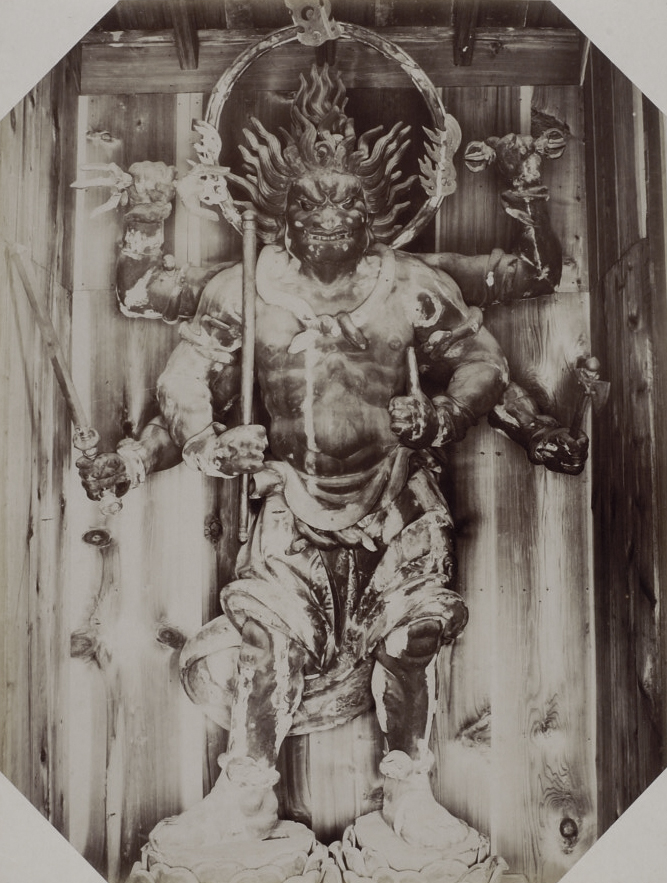 🇯🇵 JapanDaigensuihō大元帥法
An Esoteric Shingon Buddhist rite for military defense and cursing enemiesRite · Cursing and harm · Protection Historical
🇧🇿 Belize and 3 moreSisimito
A bipedal cryptid of Central American folklore, said to live in the mountains and caves.Figure · Cursing and harm · Wonder and entertainment Living
🇫🇮 Finland and 1 moreFrog coffin
A Finnish folk magic burial of a frog in a tiny coffin to steal luck or reflect harmRite · Protection · Cursing and harm Historical
🇵🇭 Philippines and 3 moreMy Way killings
Fatal disputes in the Philippines sparked by singing Frank Sinatra's song at karaoke barsBelief · Cursing and harm Historical
🇧🇷 Brazil and 2 moreCaiporaCaapora
A Brazilian forest spirit that guards game and tests hunters with bribes or terrorBeing · Protection · Cursing and harm Living
 🇬🇧 United KingdomWitchcraft in early modern Walesdewiniaeth
A historical look at the rare witch trials and executions in Wales from the 1500s to the 1700sBelief · Cursing and harm · Protection Historical
🇬🇹 Guatemala and 1 moreEl Sombrerón
A tall, hat-wearing figure from Guatemalan legend who courts young women and haunts neighborhoods at dusk.Figure · Love and attraction · Cursing and harm Legendary
🇧🇿 BelizeTata DuendeNukuch Tat
A thumbless forest spirit of Belizean folklore that protects animals and warns children.Being · Protection · Cursing and harm Living
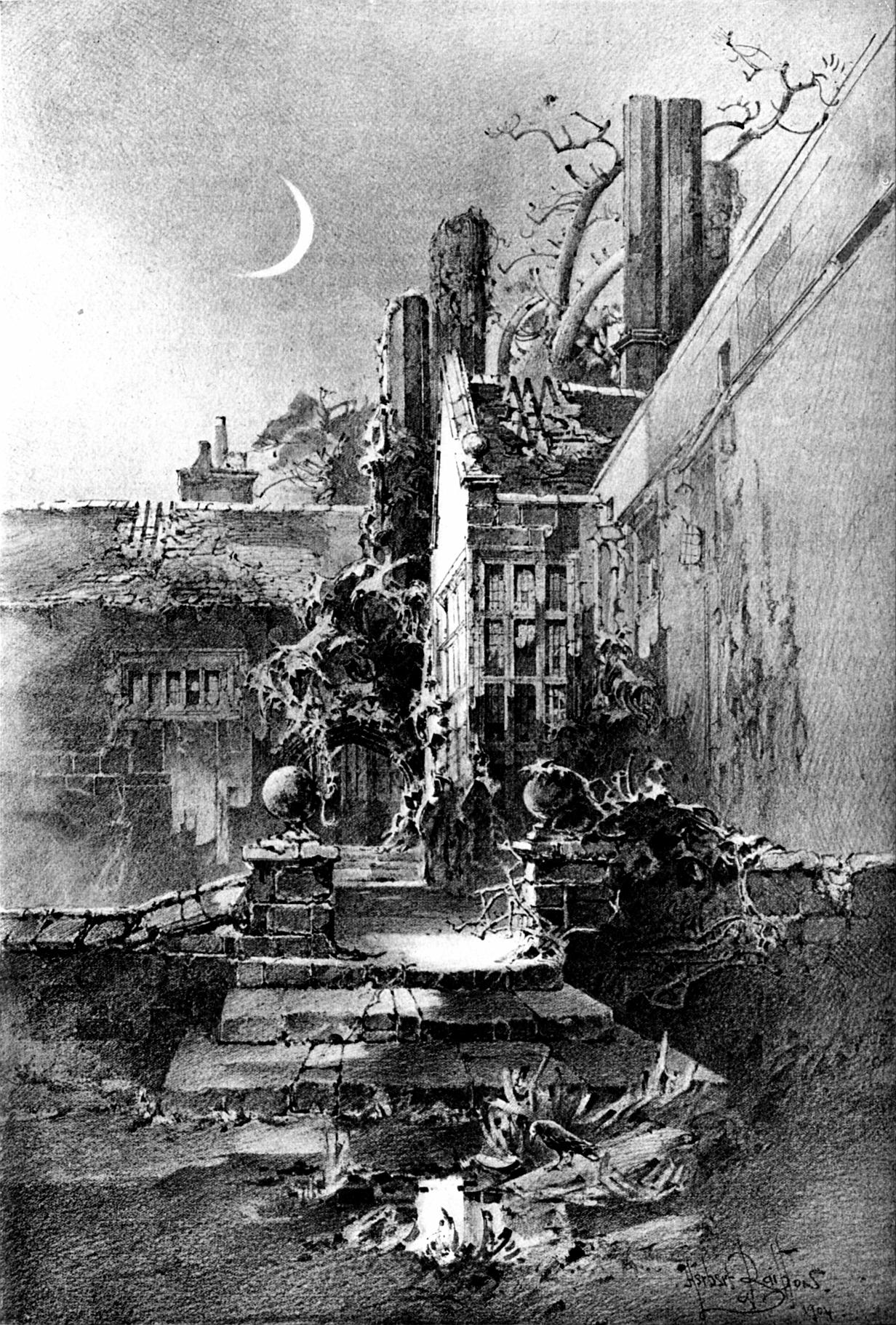 🇬🇧 United KingdomHobgoblin
A household spirit from English folklore known for chores and mischiefBeing · Cursing and harm · Luck and prosperity Historical
 🇪🇸 SpainGaueko
Basque legend's night spirit, said to forbid outdoor work after dark and punish boastersBeing · Cursing and harm Legendary
 🇪🇸 Spain and 5 moreSack Man
A man carrying a sack who frightens misbehaving children into obedience.Being · Cursing and harm Living
 🇮🇷 Iran and 4 moreJinnجِنّ
Concealed beings from Arabian and Islamic tradition, accountable for their actions like humans.Being · Protection · Cursing and harm Living
 🇮🇶 IraqKūbu
Ghosts of stillborn fetuses in ancient Mesopotamian religion, feared and worshipped.Being · Protection · Cursing and harm Historical
 🇩🇪 Germany and 2 moreSchrat
A German and Slavic spirit that appears as a wood sprite, household helper, or nightmare demon.Being · Cursing and harm · Protection Legendary
Photo credits on this page
The small pictures above come from Wikimedia Commons under free licences. Some are cropped to fit.
- Gaueko: Errazking, CC BY-SA 4.0, source
- Schrat: Photo: Andreas Praefcke, Public domain, source
- Lou Drapé: Morburre, CC BY-SA 3.0, source
- Kūbu: Françoise Foliot, CC BY-SA 4.0, source
- Nis Puk: R2D3LA, CC BY-SA 4.0, source
- Umayyad tradition of cursing Ali: Anwar Rizvi, CC BY 2.0, source
- Sack Man: Ponscor, CC BY-SA 2.0, source
- Bangsatap: Grapesurgeon, CC BY-SA 4.0, source
- Jinn: VenusFeuerFalle, CC0, source
- Sack Man: Unknown author, Public domain, source
- Daigensuihō: Kamakura-period artist; photo by Kudo Risaburo (工藤利三郎), Public domain, source
- Witchcraft in early modern Wales: Joan Blaeu / Joan Blaeu, Public domain, source
- Hobgoblin: Herbert Railton, Public domain, source
- Drude: Ramessos, Public domain, source