Traditions and systems
Whole bodies of practice: Vodou, shamanism, hoodoo, Wicca, onmyodo, Ifa and the rest.
A tradition is a whole body of magical practice with its own teachers, vocabulary and rules, as distinct from a single charm or rite. Ifa in West Africa, Vodou in Haiti, Tibetan Buddhist ritual, Wicca in Britain and America, and Siberian shamanism are all traditions in this sense. Some are living religions, some are modern inventions, and some survive only in fragments. This page looks at how they differ and what each label hides. Each is described here in its own terms wherever the community has chosen to share them.
Who holds them
A tradition has keepers. In Ifa, a babalawo trains for years and memorises the verses of Odu. In Haitian Vodou, a houngan or mambo is initiated within a house and a lineage. Wicca, by contrast, grew from the writings of Gerald Gardner in the 1950s and spreads by books and covens. Access varies: some traditions are open, some require initiation, and some are closed to outsiders by the community's own rule.
Names that mislead
Outsiders have often given traditions names their keepers did not choose. Colonial officials and missionaries called African and Indigenous religions fetishism, witchcraft or devil worship. The word voodoo, borrowed from the Haitian religion, became a stock horror image, while practitioners say Vodou. Many people also reject the word magic for what they see as plain religion, worship of ancestors or medicine of the land. Some are written down in long poems or scriptures, while others are carried only in memory, song and apprenticeship, which affects how outsiders can study them.
How states treat them
Treatment ranges from protection to prohibition. Haiti recognised Vodou as a religion in 2003. Britain repealed its Witchcraft Act only in 1951. Several African and Pacific states still prosecute witchcraft accusations, and Saudi Arabia has executed people for sorcery. Many traditions were absorbed rather than banned: Santeria wore the faces of Catholic saints, and Taoist ritual was licensed by Chinese emperors. Recognition on paper does not end prejudice: a faith can be legal under a constitution and still be mocked, taxed or policed at local level.
Scholars and sceptics
Anthropologists such as Evans-Pritchard, who studied the Azande in the 1930s, described magic as a coherent system of explanation, not stupidity. Historians stress that boundaries between religion, magic and science were drawn by particular people for particular reasons. Sceptics point out that tests of efficacy have found no effect beyond expectation. Many tradition-bearers answer that the question misses what the practice is for. Folklorists add that traditions are always changing, with no pure original to return to, and that revival is itself a form of change.
Tradition on EveryJaadu
The entries written up so far, best known first.
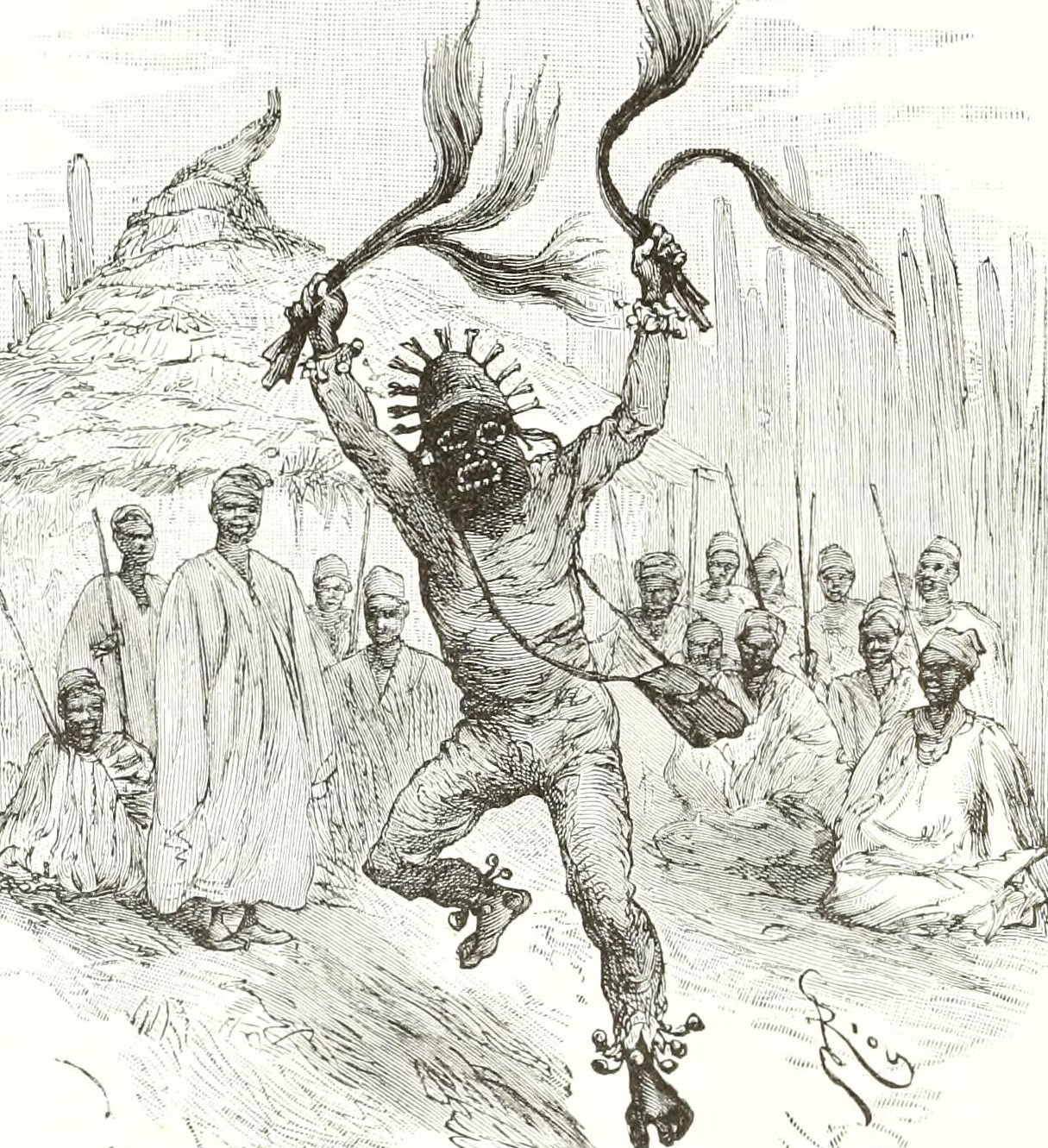 🇹🇹 Trinidad and Tobago and 1 moreTrinidadian Vodunu
A West African Vodun tradition practiced in Trinidad and Tobago with Catholic elementsTradition · Speaking with spirits and the dead · Power and authority Living
 🇧🇷 BrazilCasa das MinasQuerebentã Toi Zomadonu
A historic Tambor de Mina temple in Brazil with roots in the Kingdom of DahomeyTradition · Speaking with spirits and the dead · Power and authority Living
 🇩🇿 Algeria and 5 moreZawiyaزاوية
A Sufi building and institution for worship, education, and community life in the Islamic world.Tradition · Speaking with spirits and the dead · Healing Living
🇮🇳 IndiaKeśin
A Vedic hymn describing long-haired ascetics who travel on the wind and share a cup with Rudra.Tradition · Power and authority · Wonder and entertainment Historical
🇩🇪 GermanyGerman Faith MovementDeutsche Glaubensbewegung
A Nazi-era religious movement seeking to replace Christianity with Germanic paganism and state ideology.Tradition · Power and authority Historical
🇩🇪 Germany and 2 moreFraternitas Saturni
A German esoteric order focused on Saturn magic and astrological teachingsTradition · Power and authority Living
 🇬🇧 United Kingdom and 2 moreOrder of Nine Angles
A British Satanic network linked to neo-Nazism and violent extremismTradition · Cursing and harm · Power and authority Living
 🇮🇩 IndonesiaMarapu
Ancestral religion of Sumba and Flores in IndonesiaTradition · Speaking with spirits and the dead · Protection Living
 🇮🇳 IndiaGandharvaगन्धर्व
Celestial musicians of Indian religions and a form of marriage by consentBeing · Power and authority · Luck and prosperity Living
🇬🇧 United Kingdom and 3 moreOdinic Rite
A UK-based Heathen group that restricts membership to people of European ancestry.Tradition · Power and authority Living
🇨🇳 ChinaJiugongdao九宫道
A Chinese folk sect centered on Mount Wutai and esoteric cosmologyTradition · Power and authority Revived
🇺🇸 United StatesSeax-Wica
A neopagan tradition blending Wiccan ritual with Anglo-Saxon symbolism and self-initiationTradition · Speaking with spirits and the dead · Power and authority Living
🇭🇹 HaitiFèy
A Haitian Vodou folk song used as a political anthem during military ruleTradition · Power and authority Living
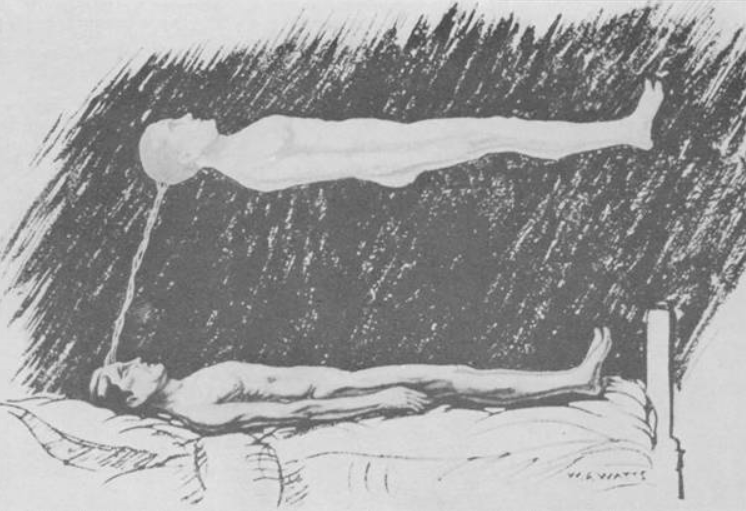 🇮🇳 India and 3 moreAstral projection
An intentional out-of-body experience where consciousness travels through the astral planeTradition · Speaking with spirits and the dead · Change and initiation Living
 🇻🇳 Vietnam and 1 moreÔng Trời
A sky god of Vietnamese folk religion, later linked to the Taoist Jade EmperorBeing · Protection · Power and authority Living
 🇮🇪 IrelandTailteann GamesÁenach Tailteann
Ancient Irish funeral games and assemblies held in County Meath to honor the dead.Rite · Speaking with spirits and the dead · Luck and prosperity Historical
🇩🇪 GermanyThule SocietyThule-Gesellschaft
A German occult group that sponsored the early Nazi party and promoted racial mysticism.Tradition · Cursing and harm · Power and authority Historical
 🇪🇬 Egypt and 5 moreWorship of heavenly bodies
Veneration of stars, planets, and the sky as divine forces or deitiesTradition · Protection · Power and authority Historical
 🇪🇸 Spain and 3 moreJewish heraldry
Heraldic achievements used by Jewish communities in Europe and abroadTradition · Power and authority Historical
🇮🇳 India and 1 moreQayyumقیوم
A supreme spiritual rank in the Naqshbandi Sufi orderTradition · Power and authority Historical
 🇪🇬 Egypt and 4 moreAlchemy in the medieval Islamic world
The study of matter and spirit by scholars in the early Islamic CaliphateTradition · Change and initiation · Power and authority Historical
 🇮🇳 IndiaStambhaस्तम्भ
A pillar or column in Indian architecture and Hindu cosmologyTradition · Power and authority Historical
🇺🇸 United StatesKrotona
A historic Theosophical center and intentional community in CaliforniaTradition · Power and authority Living
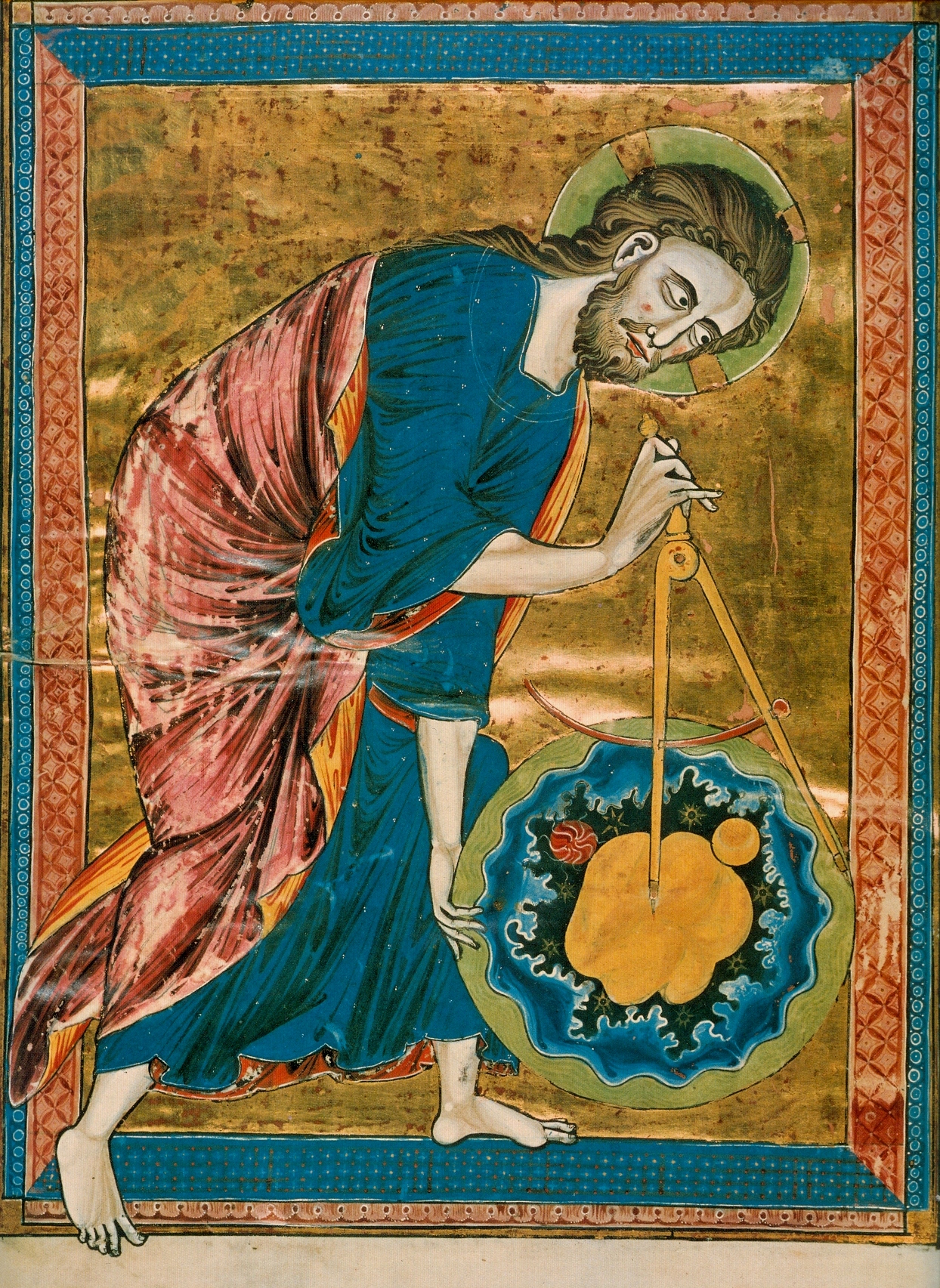 🇬🇷 GreeceAstrology and astronomy
Two disciplines that shared a history before splitting into science and divinationTradition · Seeing and foretelling · Power and authority Historical
 🇨🇳 ChinaQintianjian欽天監
China's state sky office, which also set lucky days and read omensTradition · Seeing and foretelling · Luck and prosperity Historical
🇰🇷 South KoreaDocham도참
A Korean system of prophecy and omens guiding political fate and temple placementTradition · Seeing and foretelling · Power and authority Historical
 🇲🇽 MexicoEntheogenics and the Maya
Hallucinogenic substances used by the Maya for spiritual rituals and healingTradition · Speaking with spirits and the dead · Healing Historical
🇮🇳 IndiaTawajjuh
A Sufi practice of transmitting spiritual energy from a master to a studentTradition · Speaking with spirits and the dead · Power and authority Living
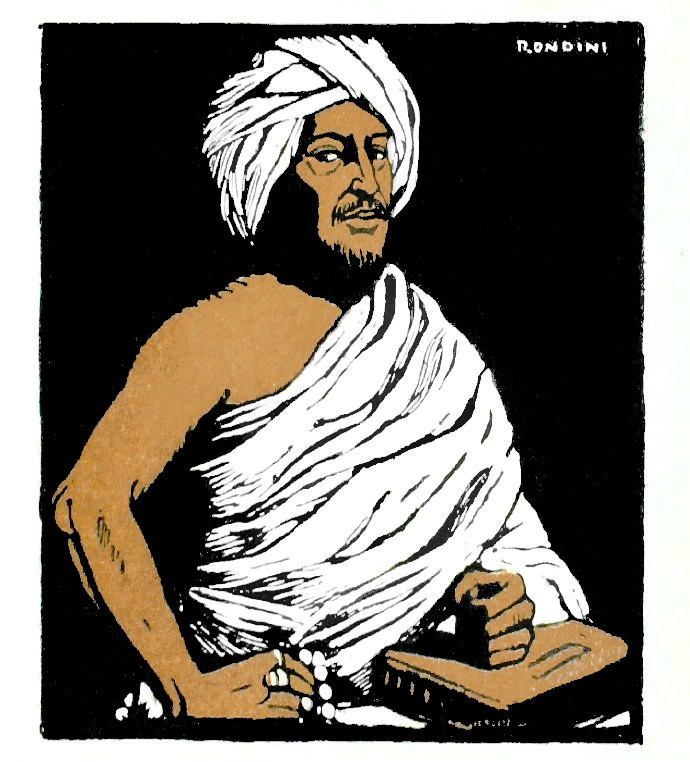 🇸🇴 Somalia and 2 moreSalihiyyaالصالحية
A Somali Sufi order founded by Sayyid Muhammad Salih, known for its strict stance against saint intercession and anti-coTradition · Power and authority Historical
🇨🇦 Canada and 1 moreOdyssean Wicca
A Canadian Wiccan tradition focused on public priesthood and rigorous training.Tradition · Speaking with spirits and the dead · Power and authority Living
 🇨🇳 China and 1 moreWorship of the living生祠 (Chinese), 生祀 (Japanese)
A shrine built for a person while they are still alive to honour their spirit or contributions.Tradition · Power and authority · Protection Historical
🇺🇸 United StatesGeorgian Wicca
A neopagan tradition founded in California that follows British Traditional Wicca practices without its English lineage.Tradition · Power and authority · Speaking with spirits and the dead Living
🇮🇳 IndiaGreat White Brotherhood
An unseen company of spiritual teachers said to guide human developmentBelief · Speaking with spirits and the dead · Change and initiation Living
🇬🇧 United Kingdom and 4 moreIlluminates of Thanateros
An international group dedicated to practical chaos magic and experimental ritual workTradition · Power and authority · Change and initiation Living
🇺🇸 United StatesChurch of Light
An esoteric organization teaching astrology, alchemy, and magic as a way of life.Tradition · Power and authority · Change and initiation Living
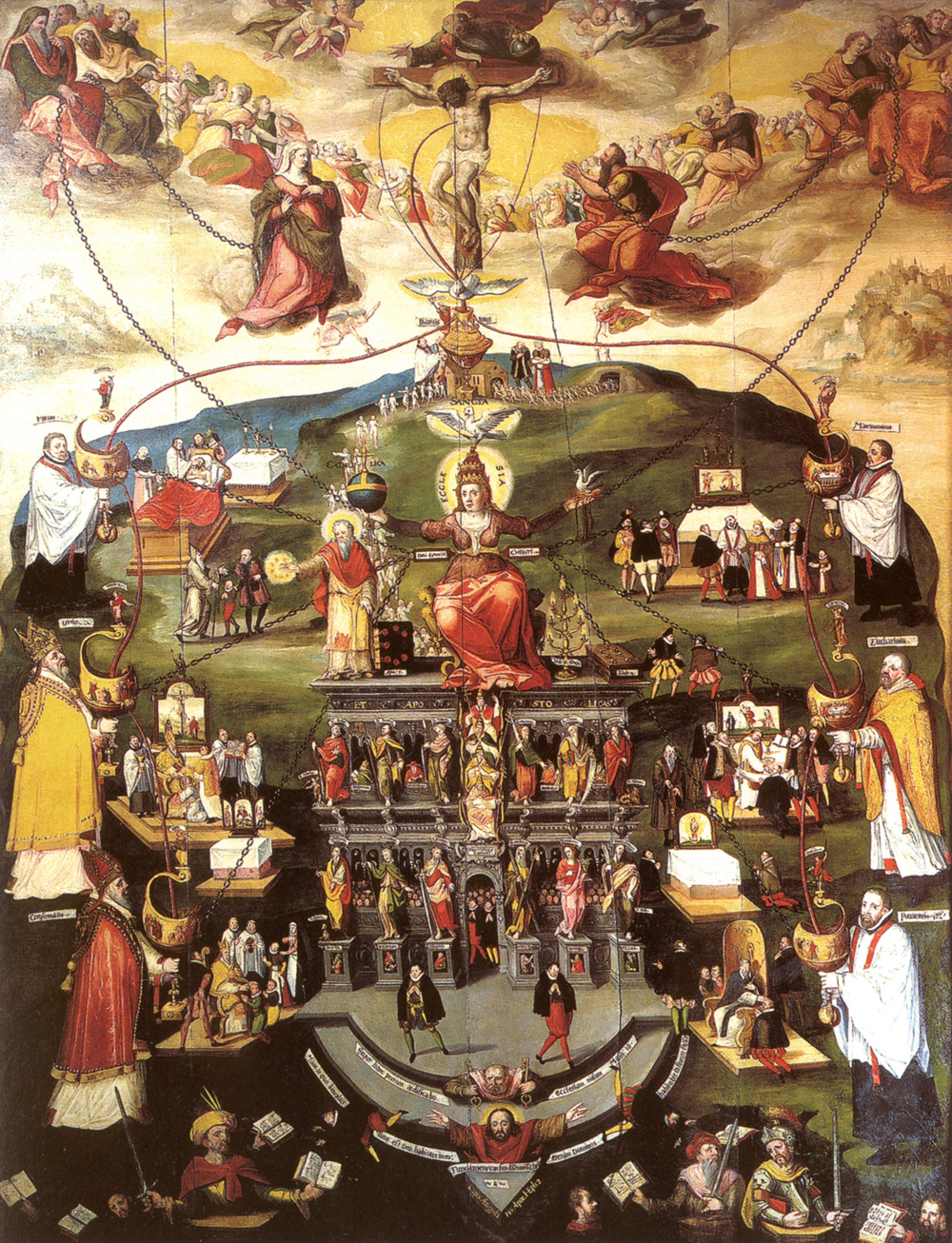 🇬🇷 GreeceSacred mysteriesμυστήριον
Secret ceremonies and divine doctrines held to exceed human reasonBelief · Speaking with spirits and the dead · Change and initiation Living
 🇧🇷 BrazilMãe-de-santo
A woman priest in Candomblé, Umbanda and QuimbandaTradition · Power and authority Living
 🇧🇷 Brazil and 1 moreIjexá
A Yoruba-derived rhythm central to Candomblé ritual and Brazilian carnival musicTradition · Speaking with spirits and the dead · Power and authority Living
 🇧🇷 BrazilIlê Axé Iyá Nassô Oká
A historic Candomblé Ketu temple in Salvador, Brazil, known for its heritage status and lineage of high priestesses.Tradition · Speaking with spirits and the dead · Power and authority Living
🇺🇸 United StatesNeo-American Church
A 1960s US group using psychedelic drugs as religious sacraments to challenge drug lawsTradition · Power and authority Historical
Photo credits on this page
The small pictures above come from Wikimedia Commons under free licences. Some are cropped to fit.
- Xtabay: Unknown author, Public domain, source
- Sacred mysteries: Johannes Hopffe, Public domain, source
- Mãe-de-santo: Antônio Milena/ABr, CC BY 3.0 br, source
- Ijexá: Alex@Eddi ( Diskussion ), CC BY-SA 3.0, source
- Ilê Axé Iyá Nassô Oká: Toluaye, Public domain, source
- West African Vodún: I cropped, original authors are Ridpath, John Clark, CC BY-SA 4.0, source
- Casa das Minas: clecio muller frança leal, CC BY-SA 4.0, source
- Zawiya: Schneders, CC BY-SA 4.0, source
- Order of Nine Angles: Unknown author, CC BY 4.0, source
- Marapu: Unknown author, CC BY-SA 3.0, source
- Gandharva: Biswarup Ganguly, CC BY 3.0, source
- Tailteann Games: Unknown author, Public domain, source
- Worship of heavenly bodies: Jean-Pierre Dalbéra, CC BY 2.0, source
- Stambha: Shakti, CC BY-SA 3.0, source
- Astral projection: Hereward Carrington, Sylvan Muldoon., Public domain, source
- Ông Trời: Bùi Thụy Đào Nguyên, CC BY-SA 3.0, source
- Alchemy in the medieval Islamic world: An Islamic artist 739H/1339, probably in Baghdad, Public domain, source
- Qintianjian: User:Vmenkov, CC BY-SA 3.0, source
- Salihiyya: Douglas James Jardine (1888-1946), Public domain, source
- Worship of the living: 663highland, CC BY 2.5, source
- Jewish heraldry: Consulta Araldica, 1868, CC BY-SA 4.0, source
- Astrology and astronomy: anonymous, Public domain, source