Magicians, witches and legendary figures
The wise woman, the sorcerer, the legendary mage: Merlin, Baba Yaga, Circe and their kin.
Magical figures are the people, real and legendary, who stand for magic: Merlin, Baba Yaga, Circe, Hermes Trismegistus, Dr John Dee, Madame Blavatsky, the sorcerer in a village story, the Bulgarian seer Baba Vanga, and the performers Houdini and Chung Ling Soo. Some lived, some are composite, and some are pure myth. This page looks at who becomes a magic figure, and why. They are described here as stories and as history, and kept apart.
Who becomes a figure
Figures often sit at the edge of society. In many stories the witch is an older woman living alone, the sorcerer a foreigner or a rival tribe, the wise man a hermit. Real figures include John Dee, adviser to Elizabeth I, and Agrippa, whose De occulta philosophia (1533) shaped European occultism. Others are legend: Merlin appears in Welsh and French tales, and Baba Yaga is a Slavic folk figure who both helps and threatens.
Gender and reputation
The witch figure has been mostly female in Europe, where trials in the sixteenth and seventeenth centuries killed tens of thousands of people, most of them women. In other places accusation falls on men, on the old, on the poor or on the outsider. The learned magician, by contrast, was often male, literate and protected by rank, a division that shows how class shaped who was punished. Not every figure carries a stigma: Chinese immortals, Indian rishis and Irish saints are honoured, and the line between holy person and magician depends on who is telling the story.
Colonial and modern use
Missionary and colonial writers often cast African and Indigenous healers as the witch-doctor, a term most communities reject. The word covers healers, diviners and rulers who had very different roles. Today, figures are re-used in fantasy and branding. The Merlin of modern fantasy films is a long way from the Welsh Myrddin, and the name of a real tradition may be turned into a costume. Their stories have also been tools of politics: rulers have claimed legendary magicians as ancestors, and enemies have painted rivals as sorcerers to justify their removal.
Scholars and the real person
Historians separate documented people from legend and warn that many reports of magicians were written by their enemies. Evidence for some famous names, including Hermes Trismegistus, who was long thought to be an Egyptian sage, turned out to be later Greek-language writings. Treating a figure as legend rather than biography is no insult to those who revere them. A figure who may be a real person with a name, a date and a grave belongs in a different category from a legend, even when popular memory blends them, and the entries here try to keep them separate.
Figure on EveryJaadu
The entries written up so far, best known first.
 🇯🇵 JapanBanchō Sarayashiki番町皿屋敷
A Japanese ghost story about a servant who dies unjustly and haunts her murderer by counting plates.Figure · Cursing and harm · Wonder and entertainment Legendary
🇰🇷 South KoreaSeolmundae Halmang설문대할망
A giant creator figure from Jeju Island who shaped the land and its volcanoes.Figure · Wonder and entertainment Historical
🇱🇹 Lithuania and 3 moreThe Swan Queen
A Lithuanian fairy tale about a bird maiden who becomes human and returns to the skyFigure · Wonder and entertainment Historical
🇸🇻 El SalvadorChasca
A spirit of the water in Salvadoran folklore who blesses respectful fishermenFigure · Protection · Luck and prosperity Living
 🇨🇳 China and 2 moreThree-legged crow三足烏
A mythological bird representing the sun in East Asian traditionsFigure · Power and authority · Luck and prosperity Legendary
 🇬🇧 United KingdomTom Thumb
A tiny English folk hero who outwits giants and serves King ArthurFigure · Wonder and entertainment Legendary
 🇮🇪 IrelandCú Chulainn
A legendary Irish warrior hero and demigod of the Ulster CycleFigure · Power and authority Legendary
🇸🇻 El Salvador and 2 moreCipitío
A perpetual child spirit of Mesoamerica known for mischief and reversed feetFigure · Cursing and harm · Luck and prosperity Legendary
 🇮🇹 ItalyShe-wolf (Roman mythology)lupa
The mythical wolf that nursed Rome's founders and became the city's enduring symbolFigure · Power and authority Historical
🇮🇳 IndiaTarakeshwaraतारकेश्वर (Tārakeśvara)
A form of Shiva who guides souls to liberation through sacred mantrasFigure · Speaking with spirits and the dead · Change and initiation Living
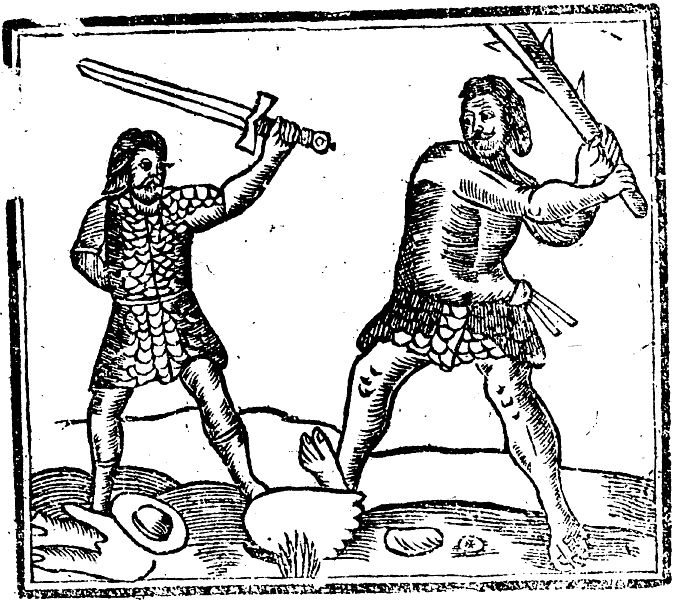 🇬🇧 United Kingdom and 1 moreColbrand
A legendary Danish giant defeated by the English hero Guy of WarwickFigure Legendary
 🇮🇪 IrelandBrian
A Gaelic mythic brother whose killing of Cian sets a quest for magical weaponsFigure Legendary
🇮🇪 IrelandAbarta
A trickster of Irish myth who carried Fionn's warriors off on a grey horseFigure Legendary
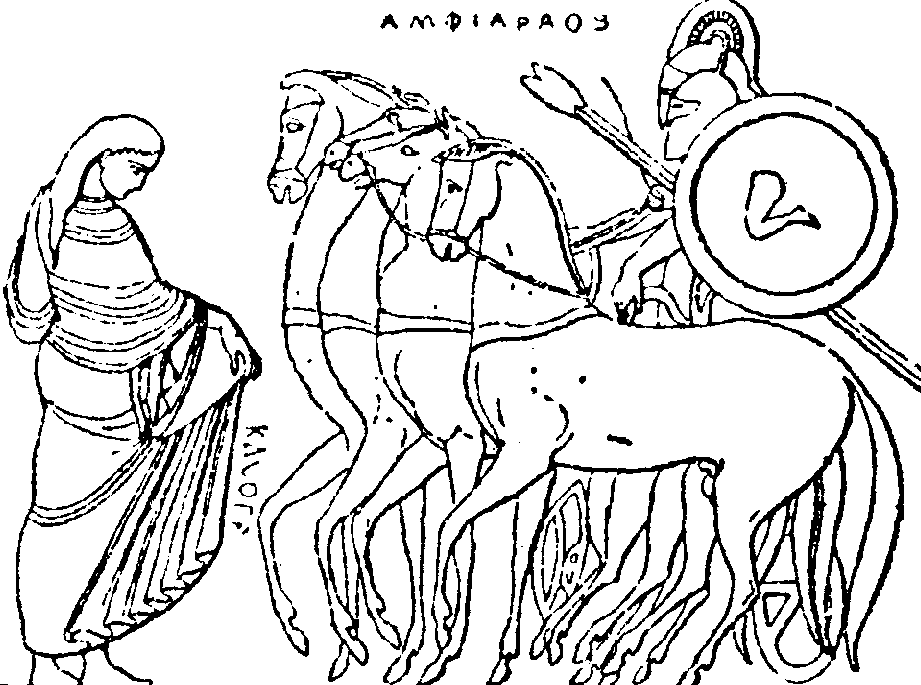 🇬🇷 Greece and 1 moreAmphiarausἈμφιάραος
A Greek seer and hero who became a healing oracle after being swallowed by the earth.Figure · Healing · Seeing and foretelling Legendary
 🇯🇵 Japan and 4 moreKṣitigarbhaक्षितिगर्भ
A bodhisattva vowed to empty the hells and guard children, shown with a staff and jewel.Being · Protection · Speaking with spirits and the dead Living
 🇻🇳 VietnamÂu Cơ甌姬
The mountain immortal whose hundred children are ancestors of the VietnameseFigure · Healing Legendary
 🇹🇷 Turkey and 1 moreMidasΜίδας
A Phrygian king from Greek myth who gained a golden touch and donkey earsFigure · Luck and prosperity · Cursing and harm Legendary
🇮🇪 IrelandCreidhneCredne
Smith god of Irish myth who armed the Tuatha Dé Danann and made a king's silver handFigure · Power and authority Legendary
🇨🇾 CyprusElymasἘλύμας
A sorcerer in Acts who stood against Paul and lost his sightFigure · Cursing and harm Legendary
🇨🇴 Colombia and 1 moreLa Bolefuego
A fiery apparition from the Llanos that hunts travelers and avoids prayer.Figure · Cursing and harm Legendary
 🇮🇳 IndiaLai Khadang Pandabiꯂꯥꯏ ꯈꯗꯥꯡ ꯄꯥꯟꯗꯕꯤ
A Meitei folktale about a dishonest wife and the creature she invents to hide her greedFigure · Cursing and harm Legendary
 🇬🇧 United KingdomGreen Man
A leaf-clad figure of English pageants, and the carved heads in churchesFigure · Love and attraction Living
 🇺🇸 United States and 2 moreFlying Africans
A legend of enslaved people returning to Africa by magic flightFigure · Cursing and harm · Speaking with spirits and the dead Legendary
🇬🇷 GreeceTrophoniusΤροφώνιος
A Greek hero turned subterranean oracle god at LebadeaFigure · Seeing and foretelling · Speaking with spirits and the dead Historical
 🇮🇩 IndonesiaGajamina
An elephant-headed fish creature used in Balinese sarcophagi and star namesBeing · Wonder and entertainment Legendary
🇯🇵 JapanHashihime橋姫
A Japanese bridge spirit linked to jealousy and demonic transformation in folklore and Noh theatre.Being · Protection · Cursing and harm Historical
🇮🇪 IrelandFionnuala
A figure of Irish legend, turned into a swan and set to roam the water for 900 yearsFigure · Change and initiation · Cursing and harm Legendary
 🇬🇧 United KingdomPiers Shonks
A legendary knight who slew a dragon and cheated the Devil in HertfordshireFigure · Cursing and harm · Wonder and entertainment Legendary
 🇮🇳 India and 2 moreAgartha
A legendary underground kingdom said to rule the world from within the EarthFigure · Power and authority Legendary
🇦🇱 AlbaniaBardha
An Albanian mythological figure of good luck and fateFigure · Luck and prosperity Legendary
 🇫🇷 FranceLou DrapéLo drapet
A legendary white horse from southern France that abducts wandering children.Figure · Cursing and harm · Protection Historical
 🇬🇷 GreeceDragon's teethὀδόντες (τοῦ) δράκοντος
Seeded teeth that grow into warriors in Greek mythFigure · Power and authority Legendary
 🇮🇪 IrelandCaladbolg
A legendary Irish sword wielded by Fergus mac Róich in the Ulster CycleFigure · Wonder and entertainment Legendary
🇮🇩 IndonesiaNini Pelet
A West Javanese sorceress legend linked to Mount Ciremai and the origin of the word for love charmsFigure · Love and attraction · Power and authority Legendary
 🇯🇵 JapanKuzunoha葛の葉
A kitsune spirit and mother of the famous onmyōji Abe no Seimei in Japanese folkloreFigure · Wonder and entertainment Legendary
🇮🇹 ItalyVegoiaVecu
An Etruscan prophet credited with sacred books and land boundariesFigure · Seeing and foretelling · Power and authority Legendary
 🇧🇪 BelgiumLange Wapper
A shapeshifting Flemish giant and trickster from the streets of AntwerpBeing · Change and initiation · Cursing and harm Legendary
🇬🇷 GreeceIatromantis
A Greek word for a healer who also saw what others could notFigure · Healing · Seeing and foretelling Historical
🇮🇱 Israel and 1 moreRighteous Priest
A messianic priestly figure in Jewish eschatology, identified with Shem and Melchizedek.Figure · Power and authority Historical
🇮🇪 IrelandAirmed
Irish goddess of healing plants, whose sorted herbs were scattered by envyFigure · Healing Legendary
🇬🇧 United KingdomNine sorceressesnaw chwaer
A group of nine magical women in Welsh and Arthurian legendFigure · Cursing and harm · Protection Historical
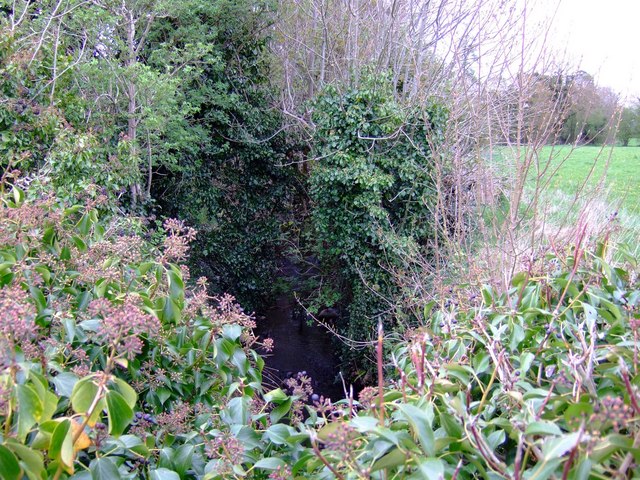 🇮🇪 IrelandNechtan
An Irish mythic figure tied to a wisdom-giving spring and the River BoyneBeing Legendary
 🇸🇪 Sweden and 4 moreStarkadStarkaðr
A Norse warrior cursed to commit crimes across three lifetimesFigure · Cursing and harm Legendary
🇪🇬 EgyptSoul Collector
A mythical figure said to gather, guide, or judge the spirits of those who have passed away.Being · Speaking with spirits and the dead Legendary
Photo credits on this page
The small pictures above come from Wikimedia Commons under free licences. Some are cropped to fit.
- Wolves in folklore, religion and mythology: Unknown author, CC0, source
- Banchō Sarayashiki: Tsukioka Yoshitoshi, Okiku ,, Public domain, source
- Three-legged crow: Jinsha Site Museum. Original author: ancient Shu people., Public domain, source
- Tom Thumb: Leutemann or Offterdinger , photo by Harke, Public domain, source
- Cú Chulainn: https://commons.wikimedia.org/wiki/User:Leimanbhradain, CC BY-SA 4.0, source
- Colbrand: Anonymous Unknown author, Public domain, source
- Brian: STEPHEN REID, Public domain, source
- Amphiaraus: Unknown author, Public domain, source
- Kṣitigarbha: སངས་རྒྱས་བཅོམ་ལྡན་འདས།, Public domain, source
- Âu Cơ: Prenn, CC BY-SA 3.0, source
- Midas: The Midas Painter, CC BY-SA 4.0, source
- Lai Khadang Pandabi: Jamesoinam, CC0, source
- Green Man: Unknown author, CC BY-SA 3.0, source
- Flying Africans: Matthew T Rader, CC BY-SA 4.0, source
- Gajamina: Youla Azkarrula, CC BY 4.0, source
- Piers Shonks: William Blyth Gerish, Public domain, source
- Agartha: Louis Jacolliot, Public domain, source
- Lou Drapé: Morburre, CC BY-SA 3.0, source
- Dragon's teeth: Workshop of Peter Paul Rubens, Public domain, source
- Caladbolg: George Denham, Public domain, source
- Kuzunoha: Print artist: Utagawa Kuniyoshi (歌川国芳) Print artist: Utagawa Hiroshige, Public domain, source
- Lange Wapper: CEphoto, Uwe Aranas, CC BY-SA 3.0, source
- Nechtan: sarah gallagher, CC BY-SA 2.0, source
- Starkad: User:Skadinaujo, Public domain, source