Magicians, witches and legendary figures
The wise woman, the sorcerer, the legendary mage: Merlin, Baba Yaga, Circe and their kin.
Magical figures are the people, real and legendary, who stand for magic: Merlin, Baba Yaga, Circe, Hermes Trismegistus, Dr John Dee, Madame Blavatsky, the sorcerer in a village story, the Bulgarian seer Baba Vanga, and the performers Houdini and Chung Ling Soo. Some lived, some are composite, and some are pure myth. This page looks at who becomes a magic figure, and why. They are described here as stories and as history, and kept apart.
Who becomes a figure
Figures often sit at the edge of society. In many stories the witch is an older woman living alone, the sorcerer a foreigner or a rival tribe, the wise man a hermit. Real figures include John Dee, adviser to Elizabeth I, and Agrippa, whose De occulta philosophia (1533) shaped European occultism. Others are legend: Merlin appears in Welsh and French tales, and Baba Yaga is a Slavic folk figure who both helps and threatens.
Gender and reputation
The witch figure has been mostly female in Europe, where trials in the sixteenth and seventeenth centuries killed tens of thousands of people, most of them women. In other places accusation falls on men, on the old, on the poor or on the outsider. The learned magician, by contrast, was often male, literate and protected by rank, a division that shows how class shaped who was punished. Not every figure carries a stigma: Chinese immortals, Indian rishis and Irish saints are honoured, and the line between holy person and magician depends on who is telling the story.
Colonial and modern use
Missionary and colonial writers often cast African and Indigenous healers as the witch-doctor, a term most communities reject. The word covers healers, diviners and rulers who had very different roles. Today, figures are re-used in fantasy and branding. The Merlin of modern fantasy films is a long way from the Welsh Myrddin, and the name of a real tradition may be turned into a costume. Their stories have also been tools of politics: rulers have claimed legendary magicians as ancestors, and enemies have painted rivals as sorcerers to justify their removal.
Scholars and the real person
Historians separate documented people from legend and warn that many reports of magicians were written by their enemies. Evidence for some famous names, including Hermes Trismegistus, who was long thought to be an Egyptian sage, turned out to be later Greek-language writings. Treating a figure as legend rather than biography is no insult to those who revere them. A figure who may be a real person with a name, a date and a grave belongs in a different category from a legend, even when popular memory blends them, and the entries here try to keep them separate.
Figure on EveryJaadu
The entries written up so far, best known first.
 🇨🇳 China and 1 moreFengli风狸 / 風狸
A legendary flying mammal from Chinese lore, said to carry a magic wand and resist death.Figure · Wonder and entertainment Legendary
 🇮🇹 ItalyScrofa semilanuta
A legendary sow seen in a dream that became the ancient emblem of Milan.Figure · Wonder and entertainment · Seeing and foretelling Historical
🇮🇹 ItalyMonacielloMunaciello
A Neapolitan sprite linked to the city's underground waterways and hidden wealth.Figure · Luck and prosperity · Cursing and harm Legendary
🇲🇾 MalaysiaSang Sapurba
A legendary ancestor figure in Malay and Minangkabau royal genealogiesFigure · Power and authority Legendary
🇨🇳 ChinaPanhu盤瓠
A dragon-dog origin myth of the Yao and She peoples in ChinaFigure · Speaking with spirits and the dead Legendary
 🇳🇱 Netherlands and 3 moreZwarte Piet
A companion of Saint Nicholas in Low Countries folklore, now the subject of major cultural debate.Figure · Luck and prosperity Living
 🇩🇿 AlgeriaTassili Mushroom Figure
Neolithic cave art in Algeria interpreted by some as depicting psychedelic mushroom use.Belief · Speaking with spirits and the dead · Wonder and entertainment Historical
 🇳🇵 NepalLakheyलाखे (Lākhe)
A masked demon figure from Newar folklore, performed in festivals across Nepal.Figure · Protection · Wonder and entertainment Living
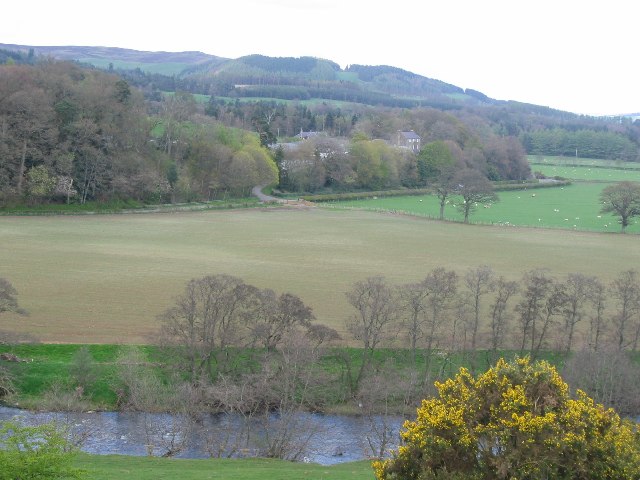 🇬🇧 United KingdomTam Lin
A Scottish ballad about a fairy knight rescued by his mortal lover on Hallowe'enFigure · Love and attraction · Cursing and harm Historical
 🇨🇳 China and 1 moreFangxiangshi方相氏
An official Chinese exorcist who cleared demons from houses and tombsRite · Protection · Cleansing and purification Living
 🇷🇺 Russia and 2 moreAlatyrАлатырь
A sacred mythological stone in Russian folklore, said to be the center of the world.Figure · Healing · Power and authority Legendary
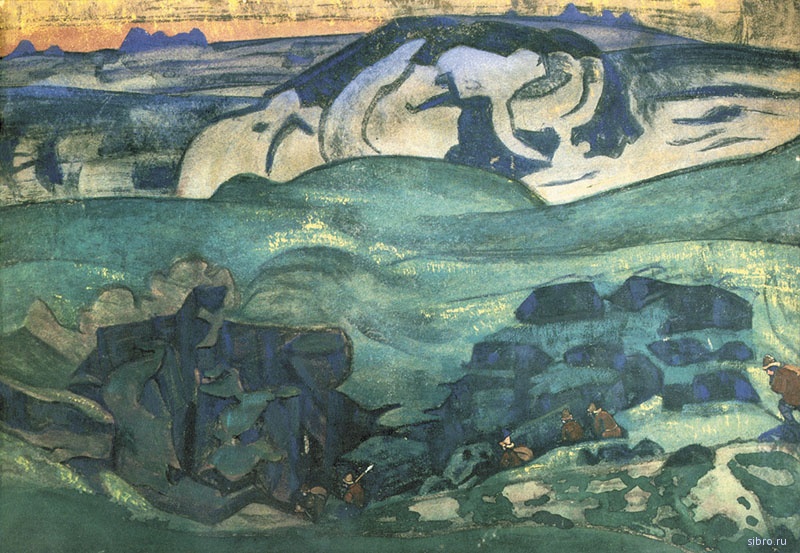 🇷🇺 RussiaChudчудь белоглазая
A mythical ancient people of Russian and Finno-Ugric folkloreFigure Legendary
 🇮🇩 IndonesiaKeong Emas
A Javanese legend about a princess turned into a golden snailFigure · Love and attraction Legendary
 🇯🇵 JapanMomiji Legend紅葉伝説
A Japanese tale of a demoness defeated by a warrior on Mount TogakushiFigure · Cursing and harm · Protection Historical
 🇮🇹 Italy and 1 moreGrim Reaper
A hooded skeleton with a scythe, representing death in Western art and story.Figure · Cursing and harm Historical
 🇨🇳 ChinaInterconnected-arm gibbon通臂猿
A mythical primate with linked arms that can extend one limb by pulling in the other.Figure · Power and authority Legendary
 🇨🇳 China and 3 moreSwan maiden
A folk motif where a man steals a bird-woman's feather cloak to force marriage.Figure · Love and attraction · Cursing and harm Legendary
🇷🇺 Russia and 1 moreKuma LisaКума Лиса
A trickster fox from Slavic folklore who outwits other animalsFigure · Wonder and entertainment Legendary
🇯🇵 JapanChīsai-ojisan小さいおじさん
A tiny Japanese cryptid said to bring luck when spotted in everyday placesFigure · Luck and prosperity Living
🇫🇮 FinlandAjatar
An evil female spirit of Finnish folklore associated with serpents and diseaseFigure · Cursing and harm Legendary
🇸🇻 El SalvadorChasca
A spirit of the water in Salvadoran folklore who blesses respectful fishermenFigure · Protection · Luck and prosperity Living
 🇬🇧 United KingdomTom Thumb
A tiny English folk hero who outwits giants and serves King ArthurFigure · Wonder and entertainment Legendary
🇮🇩 IndonesiaNini Pelet
A West Javanese sorceress legend linked to Mount Ciremai and the origin of the word for love charmsFigure · Love and attraction · Power and authority Legendary
🇨🇴 Colombia and 1 moreLa Bolefuego
A fiery apparition from the Llanos that hunts travelers and avoids prayer.Figure · Cursing and harm Legendary
 🇺🇸 United States and 2 moreFlying Africans
A legend of enslaved people returning to Africa by magic flightFigure · Cursing and harm · Speaking with spirits and the dead Legendary
🇯🇵 JapanHashihime橋姫
A Japanese bridge spirit linked to jealousy and demonic transformation in folklore and Noh theatre.Being · Protection · Cursing and harm Historical
🇦🇱 AlbaniaBardha
An Albanian mythological figure of good luck and fateFigure · Luck and prosperity Legendary
 🇫🇷 FranceLou DrapéLo drapet
A legendary white horse from southern France that abducts wandering children.Figure · Cursing and harm · Protection Historical
 🇧🇪 BelgiumLange Wapper
A shapeshifting Flemish giant and trickster from the streets of AntwerpBeing · Change and initiation · Cursing and harm Legendary
🇪🇬 EgyptSoul Collector
A mythical figure said to gather, guide, or judge the spirits of those who have passed away.Being · Speaking with spirits and the dead Legendary
 🇬🇷 GreeceNymphνύμφη
A nature spirit from Greek myth, tied to specific places like springs or trees, often seen as a maiden.Being · Healing · Seeing and foretelling Historical
🇷🇸 Serbia and 3 moreBožićБожић
A Slavic figure linked to the new year and spring, whose name now marks ChristmasFigure · Luck and prosperity · Wonder and entertainment Historical
 🇩🇪 Germany and 1 moreNis PukNiß Puk
A legendary household spirit from Northern Germany and Denmark that helps or torments its owner.Being · Luck and prosperity · Protection Legendary
 🇫🇮 Finland and 2 moreTietäjä
A traditional Finnic healer and sage whose power came from memorised spells and deep knowledge.Figure · Healing · Protection Historical
🇸🇪 SwedenYsätters-Kajsa
A wind-troll from Swedish folklore who danced with the gales of NärkeFigure · Cursing and harm · Luck and prosperity Legendary
🇧🇷 BrazilMãe-do-Ouro
A Brazilian spirit that appears as a woman or fireball to mark forbidden gold sitesFigure · Protection Legendary
 🇨🇳 ChinaDragon turtle龍龜 (Lóngguī)
A Chinese mythic creature with a dragon body and turtle shell, used as a Feng Shui charm.Figure · Luck and prosperity · Power and authority Living
 🇦🇹 Austria and 3 moreSalige Frau
A blissful Alpine spirit who guides farmers and guards mountain gameFigure · Protection · Healing Legendary
🇬🇧 United KingdomQueen of Elphame
The elfin queen of Faerie from Lowland Scotland and Northern England folkloreFigure · Cursing and harm · Healing Historical
 🇪🇸 Spain and 5 moreSack Man
A folk figure used to frighten children into good behaviour by threatening to put them in a sackFigure · Cursing and harm Living
 🇻🇳 VietnamNghêNghê (猊)
A mythical guardian creature in Vietnamese architecture and art, blending lion and dog traitsFigure · Protection Historical
 🇬🇧 United KingdomMadgy Figgy's Chair
A granite rock in Cornwall linked to a legendary witch and her storm conjuringFigure · Cursing and harm · Luck and prosperity Historical
 🇺🇸 United StatesMoll Dyer
A Maryland folktale about a woman accused of witchcraft and her cursed stoneFigure · Cursing and harm · Protection Legendary
 🇯🇵 JapanAmabieアマビエ
A prophetic sea creature from Japan that wards off disease with its imageFigure · Protection · Seeing and foretelling Legendary
 🇪🇸 SpainWitches of Anaga
A Tenerife legend of women who danced at covens in the Anaga mountainsBelief · Cursing and harm Legendary
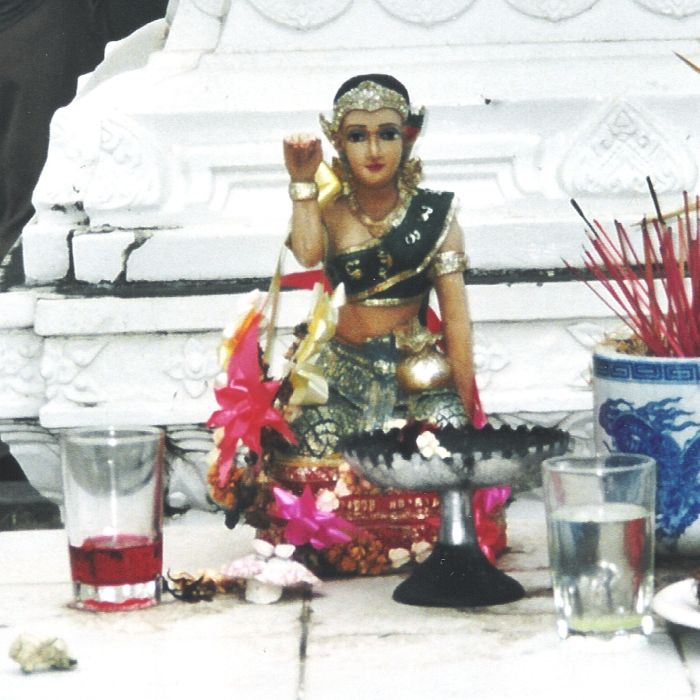 🇹🇭 ThailandNang Kwakนางกวัก
A Thai figure who beckons customers and money luck into shops and homesBeing · Luck and prosperity Living
 🇩🇪 Germany and 5 moreCompanions of Saint Nicholas
Dark figures who accompany the gift-bringer to discipline children across Central EuropeFigure · Cursing and harm · Luck and prosperity Living
🇧🇷 BrazilRomãozinho
A cursed immortal boy from Brazilian folklore who never grows and causes mischief.Figure · Cursing and harm · Wonder and entertainment Legendary
Photo credits on this page
The small pictures above come from Wikimedia Commons under free licences. Some are cropped to fit.
- Interconnected-arm gibbon: Xuande Emperor, Public domain, source
- Tom Thumb: Leutemann or Offterdinger , photo by Harke, Public domain, source
- Flying Africans: Matthew T Rader, CC BY-SA 4.0, source
- Lou Drapé: Morburre, CC BY-SA 3.0, source
- Lange Wapper: CEphoto, Uwe Aranas, CC BY-SA 3.0, source
- Nymph: Unknown author, Public domain, source
- Nis Puk: R2D3LA, CC BY-SA 4.0, source
- Tietäjä: Robert Wilhelm Ekman, Public domain, source
- Dragon turtle: Jonathan O'Donnell, CC BY 2.0, source
- Salige Frau: various, Public domain, source
- Fengli: Anonymous (1603), Public domain, source
- Sack Man: Ponscor, CC BY-SA 2.0, source
- Nghê: Phương Huy, CC BY-SA 4.0, source
- Scrofa semilanuta: M.casanova, CC BY-SA 4.0, source
- Madgy Figgy's Chair: Jim Champion, CC BY-SA 3.0, source
- Moll Dyer: Dougtone, CC BY-SA 2.0, source
- Amabie: Unknown author, Public domain, source
- Witches of Anaga: User:Beneharo Hdez., CC BY 3.0, source
- Nang Kwak: Günter Trageser, Public domain, source
- Companions of Saint Nicholas: unknown, unreadable signature on bottom right hand side, Public domain, source
- Zwarte Piet: The illustrator is Daan Hoeksma, who died in 1935. The author is liste, Public domain, source
- Tassili Mushroom Figure: I redrawn the rock art written by ancient people., Public domain, source
- Lakhey: Less than 3, CC BY 2.0, source
- Tam Lin: Richard Webb, CC BY-SA 2.0, source
- Fangxiangshi: Gary Todd, CC0, source
- Alatyr: М. Порсина (M. Porsina), CC BY-SA 4.0, source
- Chud: Nicholas Roerich, Public domain, source
- Keong Emas: Post of Indonesia, Public domain, source
- Momiji Legend: Tengoro, CC BY-SA 3.0, source
- Grim Reaper: Jaroslav A. Polák, CC BY 4.0, source
- Swan maiden: Walter Crane, Public domain, source