
Lakhey
In its own language: लाखे (Lākhe)
from Nepal Bhasa lā-khé
A masked demon figure from Newar folklore, performed in festivals across Nepal.
The Lakhey is a demonic entity in the folklore of the Newar people in Nepal. Traditionally feared as a forest spirit, he is now portrayed as a protective deity during public festivals. Performers wear elaborate masks and dance through city streets to ward off evil.
- Lakhey is a demon turned protector in Newar folklore.
- Masks are made of papier-mâché with yak tail hair.
- Majipa Lakhey is worshipped as a deity in Kathmandu.
- A boy named Jhyalincha taunts the Lakhey during dances.
- The dance occurs during the Yenya and Gunla festivals.
What it is
The Lakhey represents a complex figure in Nepalese mythology, shifting from a terrifying forest demon to a revered town guardian. In the cultural landscape of the Newar people, this entity serves as both a spectacle and a spiritual safeguard. The character is defined by a fierce appearance and wild movements, embodying a force that protects communities from negative influences. While originally depicted as a malevolent spirit dwelling in the woods, local tradition now views him as a benevolent protector who interacts directly with the populace during specific times of the year.
Where it comes from
Folklore states that these beings originally inhabited remote forests before transitioning into guardians of human settlements. This shift marks a significant evolution in their role within Newar society. A female counterpart, known as Lasin, exists within the same mythological framework. The tradition is deeply rooted in the Kathmandu Valley and other areas settled by Newar communities. Over time, the figure has become central to civic identity, particularly in Kathmandu, where specific variants like the Majipa Lakhey are celebrated as deities rather than mere spirits.
How it is done
Performers don heavy papier-mâché masks and costumes adorned with yak tails to portray the Lakhey. The dance involves vigorous, chaotic movements accompanied by loud, rhythmic music. During festivals, the dancer moves through streets and squares, engaging with the crowd. A key element involves a young boy called Jhyalincha, who taunts the demon. The Lakhey chases the boy in anger, but the child always escapes into the crowd, creating a dynamic interplay between fear and relief for the onlookers.
Tools and materials
The primary tool is a large mask crafted from papier-mâché, designed to look ferocious. Yak tails are attached to the mask to represent the creature's mane, which can be red, white, or black. The performance relies on thumping musical instruments to set a wild pace. Ritual items and food are offered by city dwellers to the performer, treating the character as a divine presence. These offerings are given as the dancer moves through the city, reinforcing the connection between the physical prop and the spiritual belief.
Lakhey, drawn and placed
- Living
- Revived
- Fading
- Historical
- Legendary
- Performed
- Lineage
- Newar folklore
- Timing
- during Yenya and Gunla festivals
What it is for
The Lakhey is believed to protect townspeople from harm and evil spirits. By appearing in public spaces, the figure is thought to cleanse the area of negative energy. The interaction with the Jhyalincha symbolizes the triumph of order over chaos. Worshippers offer food and ritual goods to show respect and ensure continued protection. The performance serves to reinforce community bonds and honor the protective powers attributed to the demon, transforming fear into reverence.
Who does it
Dancers take on the role of the Lakhey, often becoming figures of high status during the festival period. In Kathmandu, the Majipa Lakhey is treated with the reverence due to a deity. Performers are accompanied by a musical band that guides the rhythm of the dance. The role requires physical stamina to execute the wild movements and maintain the intense persona of the demon. The position is culturally significant, linking the performer to the ancient traditions of the Newar people.
Peoples and places
The tradition is exclusive to the Newar people of Nepal, particularly those in the Kathmandu Valley. Different variants of the Lakhey exist, each associated with specific locations or characteristics. For instance, the Michyāh Lākhe is linked to fire and spontaneous combustion, while the Minpu Lākhe shares similar traits. These distinctions highlight the diversity within the broader Newar cultural sphere. The practice remains a vital part of Newar identity, distinguishing their festivals from those of other ethnic groups in the region.
At a glance: who, where and when


What people believe
Newar cosmology views the Lakhey as a powerful spirit capable of both destruction and protection. The belief holds that the demon can cause fires if angered, making his appeasement crucial. He is seen as a bridge between the wild natural world and the structured human city. Worship involves acknowledging his power and seeking his favor. The transformation from a feared forest dweller to a civic protector reflects a belief in the potential for spiritual forces to be integrated into daily life for communal benefit.
When it is done
The most prominent appearance is during the Yenya festival, also known as Indra Jatra, in September. The Majipa Lakhey is the central figure of this event, moving through Kathmandu. Another variant, the Gunla Lakhe, appears during the tenth month of the Nepal Sambat calendar, corresponding to August. These festivals mark important points in the lunar and solar cycles, aligning the spiritual activities with seasonal changes and religious observances.
How scholars and sceptics see it
Anthropologists study the Lakhey as a key component of Newar social structure and religious expression. The figure illustrates how communities manage fear and integrate supernatural beliefs into civic life. Scholars note the transition from demon to deity as a reflection of evolving social values. The performance is analyzed for its theatrical elements and its role in maintaining cultural continuity. Research highlights the specificity of the Newar traditions and their resistance to homogenization within the broader context of Nepalese culture.
Cautions and what is closed
The performance involves intense physical activity and the use of heavy masks, which can pose risks to dancers. The belief in the Lakhey's power to cause fire necessitates careful handling of ritual items. Communities take the spirit seriously, avoiding actions that might provoke his wrath. The tradition is closed to outsiders in terms of participation, reserved for those initiated into Newar customs. Respect for the sacred nature of the festival is paramount, and disruptions are considered taboo.
Compare and confuse
The Lakhey is distinct from the Khyāh, another folkloric figure described as a hairy, ape-like creature. While both are part of Nepalese mythology, they serve different roles and have different appearances. The Lakhey is specifically tied to urban festivals and protective functions, whereas the Khyāh is more associated with wild, untamed aspects. Similar masked dances exist in other South Asian cultures, but the Newar version is unique in its integration into civic religion and its specific historical development in the Kathmandu Valley.
Law and persecution
The practice is protected as part of Nepal's intangible cultural heritage. Government support helps preserve the traditions of the Newar people, including the Lakhey dance. There are no legal restrictions on the performance, which is celebrated as a national treasure. Efforts are made to document and sustain the craft of mask-making and the oral histories associated with the figure. The tradition thrives within the legal framework that supports cultural diversity and religious freedom in Nepal.
Today
The Lakhey tradition continues to thrive in Nepal, especially in Kathmandu. It attracts tourists and scholars interested in Newar culture. Modern adaptations include photography and media coverage, which help spread awareness of the festival. Despite modernization, the core rituals and beliefs remain intact, practiced by dedicated communities. The figure remains a potent symbol of Newar identity, connecting past generations with the present through annual celebration.
Questions people ask about Lakhey
What is a Lakhey?
A Lakhey is a demonic figure in Newar folklore from Nepal, depicted with a fierce mask and wild movements. Originally a forest spirit, he is now seen as a protector of towns during festivals.
Where does the Lakhey tradition come from?
The tradition originates from the Newar people of the Kathmandu Valley in Nepal. It is a key part of their cultural and religious festivals, particularly Yenya and Gunla.
How is the Lakhey costume made?
The costume features a large papier-mâché mask representing a ferocious face. Yak tails are used to create the mane, which can be red, white, or black.
Who performs the Lakhey dance?
Performers wear the costume and dance through streets during festivals. In Kathmandu, the Majipa Lakhey is treated as a deity, and dancers are accompanied by musicians.
What is the role of Jhyalincha?
Jhyalincha is a young boy who taunts the Lakhey during the dance. The demon chases him in anger, but the boy always escapes, symbolizing the control of chaos.
Good reading and sources
- Lakhey on WikipediaEncyclopedia
- More photos on Wikimedia CommonsPhotos and video
- Wikidata recordOpen data
The facts on this page come from the Wikipedia article "Lakhey", written by its contributors and used under the CC BY-SA 4.0 licence, and from its Wikidata record (CC0). EveryJaadu rewrote the text in its own words, with AI assistance, and compares every page with the article to make sure no passage is copied. It may be reused under the same CC BY-SA 4.0 licence with a link back.
It may contain mistakes. Names and customs differ from one community to the next, and some knowledge is closed to outsiders and left out here. This page describes belief and practice. It does not say that any of it works, it is not a how-to, and it is not medical advice. If something is wrong, tell us. Last refreshed 2026-10-12.
More from Nepal
All the entries from Nepal 🇮🇳 India and 1 moreYoginiयोगिनी
A female master of yoga and tantra, or a fierce goddess aspect in Indian temples.Tradition · Power and authority · Protection Historical
🇮🇳 India and 1 moreYoginiयोगिनी
A female master of yoga and tantra, or a fierce goddess aspect in Indian temples.Tradition · Power and authority · Protection Historical
 🇮🇳 India and 2 moreGorakhnathगोरक्षनाथ
A Hindu yogi and saint who founded the Nath monastic order in India.Figure · Power and authority · Speaking with spirits and the dead Living
🇮🇳 India and 2 moreGorakhnathगोरक्षनाथ
A Hindu yogi and saint who founded the Nath monastic order in India.Figure · Power and authority · Speaking with spirits and the dead Living
 🇳🇵 Nepal and 1 moreMatsyendranathMacchindranāth, Mīnanātha
A yogi and rain deity revered across Hindu and Buddhist traditions in South Asia.Figure · Speaking with spirits and the dead · Power and authority Living
🇳🇵 Nepal and 1 moreMatsyendranathMacchindranāth, Mīnanātha
A yogi and rain deity revered across Hindu and Buddhist traditions in South Asia.Figure · Speaking with spirits and the dead · Power and authority Living
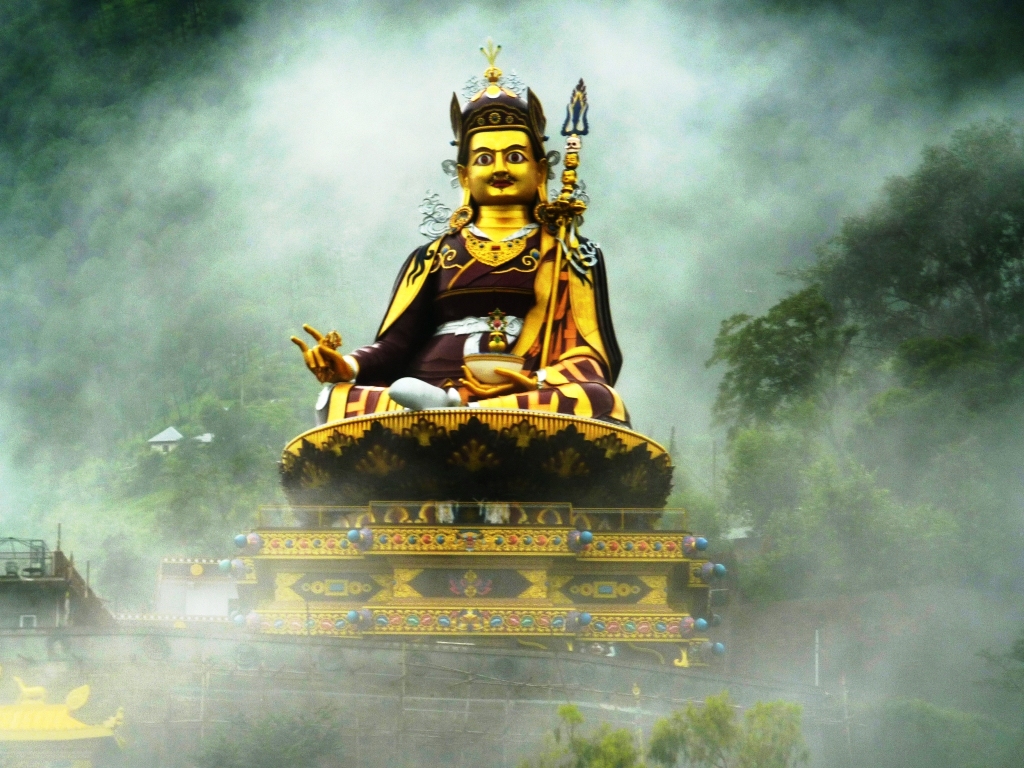 🇮🇳 India and 2 morePadmasambhavaཔདྨ་འབྱུང་གནས།
A tantric master credited with establishing Buddhism in Tibet and founding the Nyingma school.Figure · Protection · Power and authority Living
🇮🇳 India and 2 morePadmasambhavaཔདྨ་འབྱུང་གནས།
A tantric master credited with establishing Buddhism in Tibet and founding the Nyingma school.Figure · Protection · Power and authority Living
Related elsewhere
All figure 🇮🇪 Ireland and 5 moreHalloween
A Christian vigil on 31 October for the dead, now marked by costumes and carved vegetablesRite · Speaking with spirits and the dead · Protection Living
🇮🇪 Ireland and 5 moreHalloween
A Christian vigil on 31 October for the dead, now marked by costumes and carved vegetablesRite · Speaking with spirits and the dead · Protection Living
 🇩🇪 Germany and 7 moreWalpurgis NightWalpurgisnacht
A spring vigil marking the eve of Saint Walpurga's feast day with bonfires and student festivalsRite · Protection · Speaking with spirits and the dead Living
🇩🇪 Germany and 7 moreWalpurgis NightWalpurgisnacht
A spring vigil marking the eve of Saint Walpurga's feast day with bonfires and student festivalsRite · Protection · Speaking with spirits and the dead Living
 🇸🇩 Sudan and 5 moreIncense
Aromatic plant materials burned to release fragrant smoke for ritual, scent, or timekeeping.Substance · Protection · Speaking with spirits and the dead Living
🇸🇩 Sudan and 5 moreIncense
Aromatic plant materials burned to release fragrant smoke for ritual, scent, or timekeeping.Substance · Protection · Speaking with spirits and the dead Living
 🇲🇽 Mexico and 2 moreAlebrije
Brightly painted Mexican sculptures of fantastical creatures, made from paper or woodTradition · Protection · Wonder and entertainment Living
🇲🇽 Mexico and 2 moreAlebrije
Brightly painted Mexican sculptures of fantastical creatures, made from paper or woodTradition · Protection · Wonder and entertainment Living