Spirits, creatures and beings
Djinn, fairies, orisha, golems and the other powers that magic deals with.
Beings are the powers that magic deals with: spirits, ancestors, gods, djinn, fairies, orisha, nats, kami, demons, golems, ghosts and the many kinds of household and landscape spirit. People in most cultures have described a world shared with unseen others, who may help, trouble or ask for respect. This page covers what these beings are said to be and the very different ways communities relate to them. They are always described here as what communities believe, not as established fact.
Different kinds of beings
A being can be a god with a priesthood, such as an orisha served in Yoruba religion, Cuba and Brazil. It can be an ancestor, honoured in China, Africa and Mexico. It can belong to a place, such as the kami of Shinto, the Thai phi or the Burmese nats. It can be a trouble-maker, like the djinn of Arabic and Islamic tradition, formed from smokeless fire, or the fairies of Ireland, whom people avoided naming.
Relationship, not command
In many traditions, a person does not command a being but enters a relationship with it, through offerings, promises and respect. Possession and mediumship are forms of that relationship, as in Vodou, Candomblé, Korean mudang rites and Sufi gatherings. In ceremonial magic of the European grimoires, by contrast, the magician summons spirits by name and authority, which the Church condemned as demon-raising. The same being may be loved in one household and feared in the next, and a spirit helpful to its servant can be harmful to a stranger.
Religions and renaming
Dominant religions often absorbed beings by relabelling them. Christian missionaries called many African and Indigenous spirits demons. Islam reads the djinn as real creatures, some of whom are Muslim, and Hindu and Buddhist traditions fold local deities into their own pantheons. Pagan and fairy beliefs were sometimes recast as the devil's work, which fed witch trials in Europe. Churches and mosques have sometimes divided beings into good and evil in ways the older traditions did not, so that a neutral local spirit became a demon on the day a missionary arrived.
Harm and interpretation
Belief in harmful spirits has been used to accuse people. Children in parts of West and Central Africa have been branded as witches possessed by evil spirits, and some have been abused by pastors or families in the name of deliverance. Scholars read spirit beliefs as ways to make sense of illness, loss and conflict, and many communities see them simply as neighbours. That is why accusations tied to spirit beliefs fall hardest on children and the vulnerable, and why many agencies train local leaders to challenge them.
Being on EveryJaadu
The entries written up so far, best known first.
 🇬🇧 United Kingdom and 4 moreSelkie
Mythical seal-people who shed their skin to walk as humans on landBeing · Love and attraction · Cursing and harm Legendary
🇬🇧 United KingdomAfanc
A lake monster from Welsh mythology that dwells in dark waters and preys on the unwary.Being · Cursing and harm Legendary
🇮🇸 IcelandFylgja
A Nordic guardian spirit that shadows a person and their fateBeing · Seeing and foretelling · Luck and prosperity Legendary
🇬🇧 United Kingdom and 4 moreSelkie
Mythical seal-people who shed their skin to walk as humans on landBeing · Love and attraction · Cursing and harm Legendary
🇬🇧 United KingdomAfanc
A lake monster from Welsh mythology that dwells in dark waters and preys on the unwary.Being · Cursing and harm Legendary
🇮🇸 IcelandFylgja
A Nordic guardian spirit that shadows a person and their fateBeing · Seeing and foretelling · Luck and prosperity Legendary
 🇮🇪 IrelandBansheebean sí
A female spirit in Irish folklore who wails to herald the death of a family member.Being · Cursing and harm Legendary
🇮🇪 IrelandBansheebean sí
A female spirit in Irish folklore who wails to herald the death of a family member.Being · Cursing and harm Legendary
 🇦🇹 Austria and 3 morePerchtaPercht
A Alpine goddess of winter who rewards diligence and punishes laziness during the twelve days after Christmas.Being · Luck and prosperity · Cursing and harm Revived
🇦🇹 Austria and 3 morePerchtaPercht
A Alpine goddess of winter who rewards diligence and punishes laziness during the twelve days after Christmas.Being · Luck and prosperity · Cursing and harm Revived
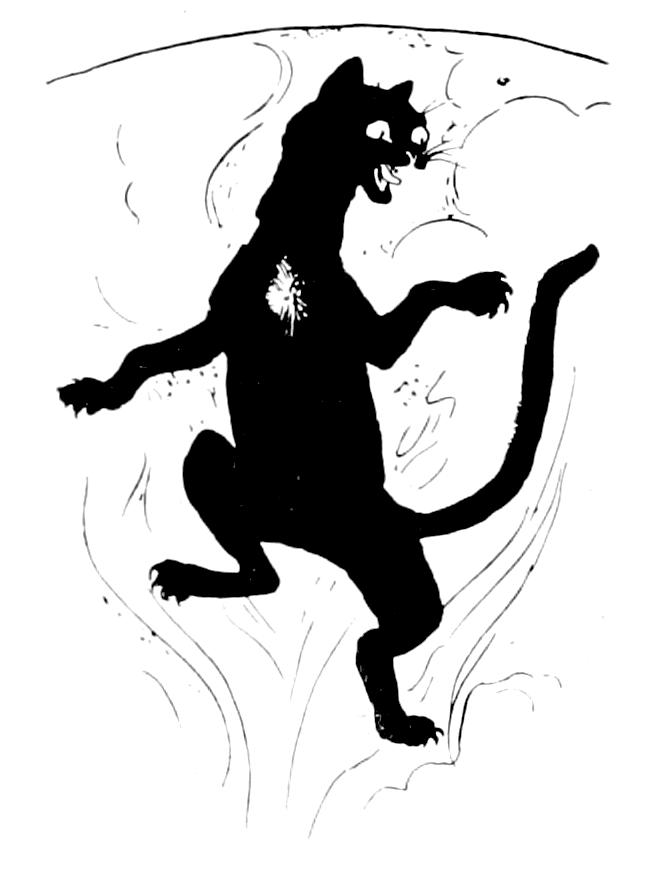 🇬🇧 United KingdomCat-sìth
A spectral feline from Celtic lore that haunts the Scottish Highlands and guards the dead.Being · Cursing and harm · Luck and prosperity Legendary
🇬🇧 United KingdomCat-sìth
A spectral feline from Celtic lore that haunts the Scottish Highlands and guards the dead.Being · Cursing and harm · Luck and prosperity Legendary
 🇬🇷 Greece and 3 moreHellhound
A mythological canine that guards the underworld or serves demonic forces across global folkloreBeing · Protection · Cursing and harm Legendary
🇬🇧 United KingdomCŵn Annwn
Spectral hounds of the Welsh otherworld that hunt souls and signal deathBeing · Cursing and harm · Speaking with spirits and the dead Legendary
🇬🇷 Greece and 3 moreHellhound
A mythological canine that guards the underworld or serves demonic forces across global folkloreBeing · Protection · Cursing and harm Legendary
🇬🇧 United KingdomCŵn Annwn
Spectral hounds of the Welsh otherworld that hunt souls and signal deathBeing · Cursing and harm · Speaking with spirits and the dead Legendary
 🇮🇪 IrelandBadb
An Irish war goddess who appears as a crow to sow fear and predict death in battle.Being · Cursing and harm · Seeing and foretelling Legendary
🇬🇧 United Kingdom and 1 moreKnocker
A mine spirit of Cornwall and Devon that warns of danger and plays tricks on workersBeing · Protection · Luck and prosperity Historical
🇬🇧 United KingdomGwyllion
Welsh spirits that lead travellers astray and are feared in mountain folkloreBeing · Cursing and harm Historical
🇩🇪 Germany and 1 moreNachzehrer
A German revenant believed to consume the living from beyond the graveBeing · Cursing and harm Legendary
🇮🇪 IrelandBadb
An Irish war goddess who appears as a crow to sow fear and predict death in battle.Being · Cursing and harm · Seeing and foretelling Legendary
🇬🇧 United Kingdom and 1 moreKnocker
A mine spirit of Cornwall and Devon that warns of danger and plays tricks on workersBeing · Protection · Luck and prosperity Historical
🇬🇧 United KingdomGwyllion
Welsh spirits that lead travellers astray and are feared in mountain folkloreBeing · Cursing and harm Historical
🇩🇪 Germany and 1 moreNachzehrer
A German revenant believed to consume the living from beyond the graveBeing · Cursing and harm Legendary
 🇮🇸 Iceland and 3 moreDraugr
A malevolent undead revenant from Nordic folklore, often guarding buried treasure.Being · Cursing and harm · Luck and prosperity Legendary
🇮🇸 Iceland and 3 moreDraugr
A malevolent undead revenant from Nordic folklore, often guarding buried treasure.Being · Cursing and harm · Luck and prosperity Legendary
 🇮🇸 Iceland and 1 moreNornsnornir
Fate-weaving figures from Norse myth who shape human destiny and tend the world tree.Being · Cursing and harm · Luck and prosperity Historical
🇮🇸 Iceland and 1 moreNornsnornir
Fate-weaving figures from Norse myth who shape human destiny and tend the world tree.Being · Cursing and harm · Luck and prosperity Historical
 🇮🇪 Ireland and 3 moreChangeling
A substitute left by supernatural beings in place of a stolen human child or adultBeing · Cursing and harm · Luck and prosperity Legendary
🇮🇪 Ireland and 3 moreChangeling
A substitute left by supernatural beings in place of a stolen human child or adultBeing · Cursing and harm · Luck and prosperity Legendary
 🇬🇧 United Kingdom and 1 moreChurch grim
A guardian spirit of Christian churchyards, often appearing as a black dog or lamb.Being · Protection Historical
🇬🇧 United Kingdom and 1 moreChurch grim
A guardian spirit of Christian churchyards, often appearing as a black dog or lamb.Being · Protection Historical
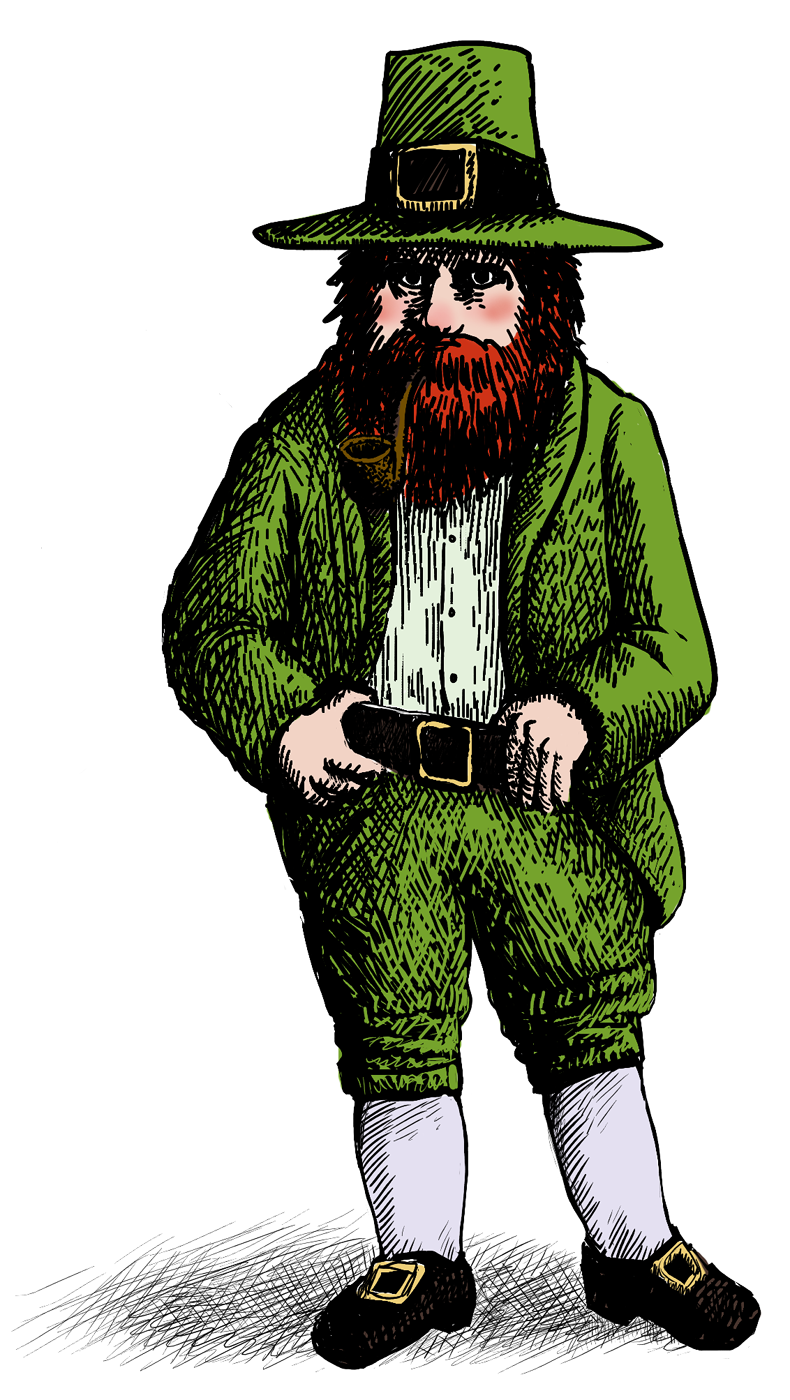 🇮🇪 Ireland and 1 moreLeprechaunlucharachán / leipreachán / luchorpán
A solitary Irish fairy known for mischief and shoe-makingBeing · Wonder and entertainment Legendary
🇮🇪 Ireland and 1 moreLeprechaunlucharachán / leipreachán / luchorpán
A solitary Irish fairy known for mischief and shoe-makingBeing · Wonder and entertainment Legendary
 🇮🇪 IrelandPúca
A shape-shifting spirit of Celtic folklore that brings fortune or mischiefBeing · Luck and prosperity · Cursing and harm Legendary
🇮🇪 IrelandPúca
A shape-shifting spirit of Celtic folklore that brings fortune or mischiefBeing · Luck and prosperity · Cursing and harm Legendary
 🇬🇧 United KingdomHob
A small household spirit of Northern England and the Anglo-Scottish border.Being · Power and authority Historical
🇬🇧 United KingdomHob
A small household spirit of Northern England and the Anglo-Scottish border.Being · Power and authority Historical
 🇬🇧 United KingdomBoggart
A malevolent household spirit from northern English folkloreBeing · Cursing and harm Historical
🇬🇧 United KingdomBoggart
A malevolent household spirit from northern English folkloreBeing · Cursing and harm Historical
 🇬🇧 United KingdomBrowniebrùnaidh
A nocturnal household spirit from Scottish folklore that performs chores in exchange for offerings.Being · Protection · Luck and prosperity Legendary
🇬🇧 United KingdomBrowniebrùnaidh
A nocturnal household spirit from Scottish folklore that performs chores in exchange for offerings.Being · Protection · Luck and prosperity Legendary
 🇷🇺 Russia and 1 moreLikhoЛихо
A Slavic spirit of bad luck and misfortune, often depicted as a one-eyed creature.Being · Cursing and harm Legendary
🇬🇷 GreeceBaba Yaga (sample)Баба-яга
A witch of Slavic tales who lives in a hut on legs.Figure · Change and initiation Legendary
🇷🇺 Russia and 1 moreLikhoЛихо
A Slavic spirit of bad luck and misfortune, often depicted as a one-eyed creature.Being · Cursing and harm Legendary
🇬🇷 GreeceBaba Yaga (sample)Баба-яга
A witch of Slavic tales who lives in a hut on legs.Figure · Change and initiation Legendary
 🇬🇧 United KingdomPuck
A mischievous domestic sprite of English folklore known for practical jokes and household choresBeing · Cursing and harm · Luck and prosperity Legendary
🇺🇦 Ukraine and 1 moreVedmakвядзьмак
A Slavic male warlock or witch with shamanic roots and shape-shifting powersBeing · Healing · Cursing and harm Legendary
🇬🇧 United KingdomPuck
A mischievous domestic sprite of English folklore known for practical jokes and household choresBeing · Cursing and harm · Luck and prosperity Legendary
🇺🇦 Ukraine and 1 moreVedmakвядзьмак
A Slavic male warlock or witch with shamanic roots and shape-shifting powersBeing · Healing · Cursing and harm Legendary
 🇬🇧 United KingdomBrown Lady of Raynham Hall
A famous English ghost story and photograph from a Norfolk country houseBeing Historical
🇬🇧 United KingdomBrown Lady of Raynham Hall
A famous English ghost story and photograph from a Norfolk country houseBeing Historical
 🇮🇹 ItalyBadaliscBadalisch
A mythical goat-headed creature from the Italian Alps, captured and mocked during Epiphany celebrations.Being · Cursing and harm · Wonder and entertainment Living
🇬🇷 GreecePeleiadesΠελειάδες
Sacred women of the Oracle at Dodona, linked to doves and ZeusBeing · Speaking with spirits and the dead Historical
🇳🇴 Norway and 1 moreTroll cat
A familiar spirit in Nordic folklore blamed for stealing milk and cream from farmsBeing · Cursing and harm Legendary
🇷🇴 Romania and 2 moreSolomonariȘolomonar
A Romanian weather wizard who rides a dragon and controls the storms.Being · Cursing and harm · Luck and prosperity Legendary
🇺🇦 Ukraine and 1 moreStrichaСтріча
A Slavic goddess who spins the golden thread of human destiny and good fortuneBeing · Luck and prosperity · Protection Historical
🇵🇱 Poland and 1 moreDydko
A Polish folk creature evolved from a Slavic house demon into a night-time scarecrow.Being · Cursing and harm Legendary
🇬🇧 United KingdomMadam Pigott
A White Lady ghost of Shropshire who haunts roads and rides on horsesBeing Historical
🇬🇧 United KingdomWirry-cow
A Scottish folk figure representing a frightening object or spiritBeing · Cursing and harm Historical
🇮🇹 ItalyBadaliscBadalisch
A mythical goat-headed creature from the Italian Alps, captured and mocked during Epiphany celebrations.Being · Cursing and harm · Wonder and entertainment Living
🇬🇷 GreecePeleiadesΠελειάδες
Sacred women of the Oracle at Dodona, linked to doves and ZeusBeing · Speaking with spirits and the dead Historical
🇳🇴 Norway and 1 moreTroll cat
A familiar spirit in Nordic folklore blamed for stealing milk and cream from farmsBeing · Cursing and harm Legendary
🇷🇴 Romania and 2 moreSolomonariȘolomonar
A Romanian weather wizard who rides a dragon and controls the storms.Being · Cursing and harm · Luck and prosperity Legendary
🇺🇦 Ukraine and 1 moreStrichaСтріча
A Slavic goddess who spins the golden thread of human destiny and good fortuneBeing · Luck and prosperity · Protection Historical
🇵🇱 Poland and 1 moreDydko
A Polish folk creature evolved from a Slavic house demon into a night-time scarecrow.Being · Cursing and harm Legendary
🇬🇧 United KingdomMadam Pigott
A White Lady ghost of Shropshire who haunts roads and rides on horsesBeing Historical
🇬🇧 United KingdomWirry-cow
A Scottish folk figure representing a frightening object or spiritBeing · Cursing and harm Historical
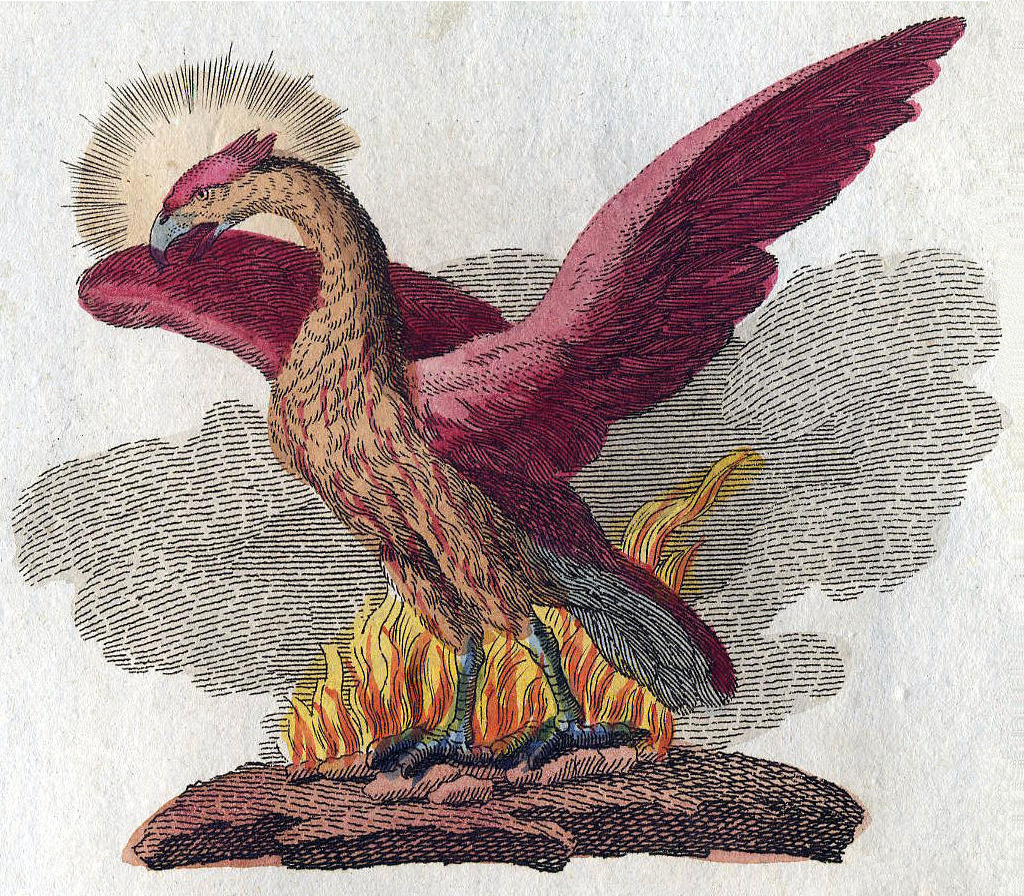 🇬🇷 Greece and 2 morePhoenix
A legendary bird that dies and is reborn from its own ashesBeing · Wonder and entertainment Legendary
🇬🇷 Greece and 2 morePhoenix
A legendary bird that dies and is reborn from its own ashesBeing · Wonder and entertainment Legendary
 🇮🇹 Italy and 1 moreCupidCupīdō
A Roman deity of desire and erotic love, often depicted with a bow and arrow.Being · Love and attraction · Cursing and harm Legendary
🇮🇹 Italy and 1 moreCupidCupīdō
A Roman deity of desire and erotic love, often depicted with a bow and arrow.Being · Love and attraction · Cursing and harm Legendary
 🇬🇧 United KingdomLoch Ness MonsterUilebheist Loch Nis
A legendary lake creature from the Scottish Highlands, famous for disputed photographs and folk tales.Being · Wonder and entertainment Legendary
🇬🇧 United KingdomLoch Ness MonsterUilebheist Loch Nis
A legendary lake creature from the Scottish Highlands, famous for disputed photographs and folk tales.Being · Wonder and entertainment Legendary
 🇩🇪 Germany and 1 moreEaster Bunny
A German folkloric hare that judges children and delivers colored eggs for EasterBeing · Luck and prosperity · Wonder and entertainment Living
🇩🇪 Germany and 1 moreEaster Bunny
A German folkloric hare that judges children and delivers colored eggs for EasterBeing · Luck and prosperity · Wonder and entertainment Living
 🇬🇷 GreeceAegisαἰγίς
A mythical shield or skin of Zeus and Athena, symbolizing divine protectionBeing · Protection · Power and authority Legendary
🇬🇷 GreeceAegisαἰγίς
A mythical shield or skin of Zeus and Athena, symbolizing divine protectionBeing · Protection · Power and authority Legendary
 🇬🇷 GreeceCeryneian HindΚερυνῖτις ἔλαφος
A swift deer with golden antlers and bronze hooves from Greek mythBeing Legendary
🇬🇷 GreeceCeryneian HindΚερυνῖτις ἔλαφος
A swift deer with golden antlers and bronze hooves from Greek mythBeing Legendary
 🇬🇷 GreeceErymanthian Boarὁ Ἐρυμάνθιος κάπρος
A wild boar from Greek myth captured by Heracles as his fourth labourBeing · Cursing and harm Legendary
🇬🇷 GreeceErymanthian Boarὁ Ἐρυμάνθιος κάπρος
A wild boar from Greek myth captured by Heracles as his fourth labourBeing · Cursing and harm Legendary
 🇬🇧 United Kingdom and 4 moreWyvern
A two-legged winged dragon common in European heraldry and fantasy fictionBeing · Power and authority Legendary
🇬🇧 United Kingdom and 4 moreWyvern
A two-legged winged dragon common in European heraldry and fantasy fictionBeing · Power and authority Legendary
 🇬🇷 Greece and 3 moreHippocampusἱππόκαμπος
A mythological hybrid of a horse and fish from ancient Mediterranean culturesBeing · Wonder and entertainment Legendary
🇬🇷 Greece and 4 moreTutelary deity
A guardian spirit or god assigned to protect a specific place, person, or group.Being · Protection Living
🇬🇷 GreeceEmpusaἜμπουσα
A shape-shifting phantom of Greek myth with a single brass leg, sent by Hecate to seduce and devour young men.Being · Cursing and harm · Speaking with spirits and the dead Legendary
🇬🇷 Greece and 3 moreHippocampusἱππόκαμπος
A mythological hybrid of a horse and fish from ancient Mediterranean culturesBeing · Wonder and entertainment Legendary
🇬🇷 Greece and 4 moreTutelary deity
A guardian spirit or god assigned to protect a specific place, person, or group.Being · Protection Living
🇬🇷 GreeceEmpusaἜμπουσα
A shape-shifting phantom of Greek myth with a single brass leg, sent by Hecate to seduce and devour young men.Being · Cursing and harm · Speaking with spirits and the dead Legendary
 🇨🇭 Switzerland and 3 moreTatzelwurm
A cat-headed lizard of the Alps, said to guard mines and drink cow milk.Being · Cursing and harm · Luck and prosperity Legendary
🇦🇱 Albania and 4 moreDhampir
A half-vampire figure from Balkan folklore who hunts the undeadBeing · Cursing and harm Legendary
🇪🇪 Estonia and 1 moreKalevaKalev
A primordial giant and ancestral figure in the mythologies of Estonia and FinlandBeing · Power and authority Historical
🇨🇭 Switzerland and 3 moreTatzelwurm
A cat-headed lizard of the Alps, said to guard mines and drink cow milk.Being · Cursing and harm · Luck and prosperity Legendary
🇦🇱 Albania and 4 moreDhampir
A half-vampire figure from Balkan folklore who hunts the undeadBeing · Cursing and harm Legendary
🇪🇪 Estonia and 1 moreKalevaKalev
A primordial giant and ancestral figure in the mythologies of Estonia and FinlandBeing · Power and authority Historical
Photo credits on this page
The small pictures above come from Wikimedia Commons under free licences. Some are cropped to fit.
- Selkie: Carolyn Emerick, CC BY-SA 3.0, source
- Brown Lady of Raynham Hall: Hubert C. Provand e Indre Shira, CC BY-SA 4.0, source
- Badalisc: Luca Giarelli, CC BY-SA 3.0, source
- Changeling: Henry Fuseli, Public domain, source
- Hellhound: Louis Le Breton, Public domain, source
- Cat-sìth: John D. Batten, Public domain, source
- Badb: Commonists, CC BY-SA 4.0, source
- Draugr: Kim Diaz Holm, CC BY 4.0, source
- Norns: file: James Steakley ; artwork: Gustav Heidenreich, Public domain, source
- Church grim: Inès Lee, CC BY-SA 4.0, source
- Leprechaun: Unknown author, FAL, source
- Púca: Wirt Sikes, Public domain, source
- Hob: Jo Turner, CC BY-SA 2.0, source
- Boggart: Katolophyromai, CC BY-SA 4.0, source
- Brownie: Unknown author, CC BY-SA 2.5, source
- Likho: Mhapon, CC BY-SA 4.0, source
- Cupid: Bertel Thorvaldsen, CC BY-SA 3.0, source
- Ceryneian Hind: Unknown artist, Public domain, source
- Erymanthian Boar: Antimenes Painter, Public domain, source
- Loch Ness Monster: StaraBlazkova at Czech Wikipedia, CC BY-SA 3.0, source
- Easter Bunny: Dr. Bernd Gross, CC BY-SA 3.0, source
- Wyvern: DeFacto, CC BY-SA 4.0, source
- Tatzelwurm: Abrasax, CC BY-SA 3.0 de, source
- Perchta: Holger Uwe Schmitt, CC BY-SA 4.0, source
- Puck: Joseph Noel Paton, Public domain, source
- Banshee: W.H. Brooke, Public domain, source
- Phoenix: Bertuch-fabelwesen.JPG : Friedrich Johann Justin Bertuch (1747–1822) d, Public domain, source
- Aegis: Unknown creator, Public domain, source
- Hippocampus: Unknown author, CC BY-SA 2.0, source