🇺🇸 Magic in the United States
328 entries from the United States, best known first, across 80 places of magic.
Hoodoo is a spiritual system shaped by West and Central African traditions, Indigenous plant knowledge, and European written guides. Practitioners view it as a companion to established faiths rather than a standalone religion. It weaves ancestor reverence, herbal healing, and protective charms into daily life alongside Protestant, Catholic, and Muslim beliefs.
- First English record of the term appeared in eighteen seventy.
- Practitioners mix Kongo star charts with local plant gathering.
- Hidden gatherings used overturned pots to muffle prayer sounds.
- Cemetery soil was packed into cloth bags for ancestral aid.
Overview
This tradition blends African cosmologies with local plant lore and European occult manuals. Enslaved communities merged Kongo star charts, water spirit veneration, and sacred bundles with Native American herb gathering. The practice centers on honoring departed relatives, seeking fairness, and using botanical preparations for wellness and safety. While some researchers classify it as its own faith, most followers treat it as a flexible layer added to Christianity, Islam, or traditional African paths. Neighboring Caribbean and Southern folk systems share similar charm making and spirit communication methods, though each community adapted the techniques to local plants and colonial pressures.
Practices and beliefs
Followers rely on small cloth pouches filled with roots, stones, and cemetery soil to draw ancestral strength. These containers are called mojo bags or gris-gris, a Mande term for protective charms. Specialists offer fortune telling and advice based on observed signs. Water spirits known as Simbi, believed to guard freshwater sources, are asked for guidance near rivers and springs. Herbal teas and ointments prepared from local leaves serve as everyday remedies. Protective symbols are drawn on doorframes or carried in pockets to ward off harm and attract good fortune.
Rites and charms
Gatherings often occur in hidden forest clearings or private rooms to avoid outside attention. Participants move around a central vessel while chanting low voices. Offerings include food and animal remains placed near household thresholds. Anointing rituals involve rubbing prepared oils onto skin or clothing before travel or difficult tasks. Quiet prayers are sometimes whispered beneath overturned clay pots to muffle sound. These customs focus on maintaining balance between the living and those who have passed, ensuring community safety and personal resilience.
Who practises
Specialists use titles such as rootworker or conjure doctor. They typically earn their role through apprenticeship, dream visions, or family lineage rather than formal schooling. Communities seek them out for healing, conflict resolution, and protection against unfair treatment. White and Black patrons alike visited these experts for fortune telling and charm crafting. Their knowledge was viewed as powerful enough to shift social hierarchies, which made them targets for suspicion and legal scrutiny under strict colonial rules.
Regions and communities
Coastal island groups maintained open practice due to relative isolation and preserved older African rhythms. River valley communities operated in tight secrecy because harsh assembly laws forced gatherings underground. Northern cities saw practitioners offer public services to diverse clients across racial lines. Plantation districts relied on discreet home rituals and quiet woodland meetings. Each area adjusted ingredient lists and ritual pacing to match local flora, weather patterns, and the specific pressures imposed by nearby authorities.
The facts in this overview come from the Wikipedia article "Hoodoo (spirituality)", written by its contributors and used under the CC BY-SA 4.0 licence. EveryJaadu rewrote the text in its own words, with AI assistance, and compares every page with the article to make sure no passage is copied. It may be reused under the same CC BY-SA 4.0 licence with a link back.
Places of magic in the United States
 🇺🇸 United States and 5 moreSatanism
A modern set of beliefs using the figure of Satan as a symbol or deity.Tradition · Power and authority · Cursing and harm Living
 🇮🇪 Ireland and 4 moreTrial by combat
A medieval legal practice where two disputants fought to settle a caseRite · Cursing and harm Historical
 🇫🇷 France and 4 moreWitch trials in the early modern period
A wave of prosecutions across Europe and British America from the 1400s to the late 1700s.Tradition · Cursing and harm Historical
 🇭🇹 Haiti and 3 moreVoodoo doll
A pin-stuffed figure linked to magic in popular culture, not Haitian VodouCharm · Cursing and harm Historical
🇬🇧 United Kingdom and 2 moreThe Holy Blood and the Holy Grail
A 1982 book proposing Jesus had a bloodline protected by a secret societyText · Cursing and harm Historical
 🇺🇸 United States and 5 moreSatanic panic
A moral panic of unsubstantiated claims about occult child abuse that spread globally in the late twentieth centuryBelief · Cursing and harm Historical
 🇺🇸 United StatesCurse of Tippecanoe
An urban legend linking US presidential deaths to election years ending in zero.Belief · Cursing and harm Fading
 🇺🇸 United StatesKennedy curse
A pattern of tragedies linked to the American Kennedy familyBelief · Cursing and harm Historical
🇮🇪 Ireland and 5 moreSeventh son of a seventh son
A folklore belief that birth order grants supernatural healing or cursed powersBelief · Healing · Cursing and harm Historical
🇺🇸 United StatesGreenbrier Ghost
A West Virginia murder case where a mother claimed her daughter's spirit revealed the truth.Belief · Cursing and harm Historical
🇺🇸 United StatesPlastic shaman
A label for imposters who sell fake Indigenous spiritual practices for profitBelief · Cursing and harm Living
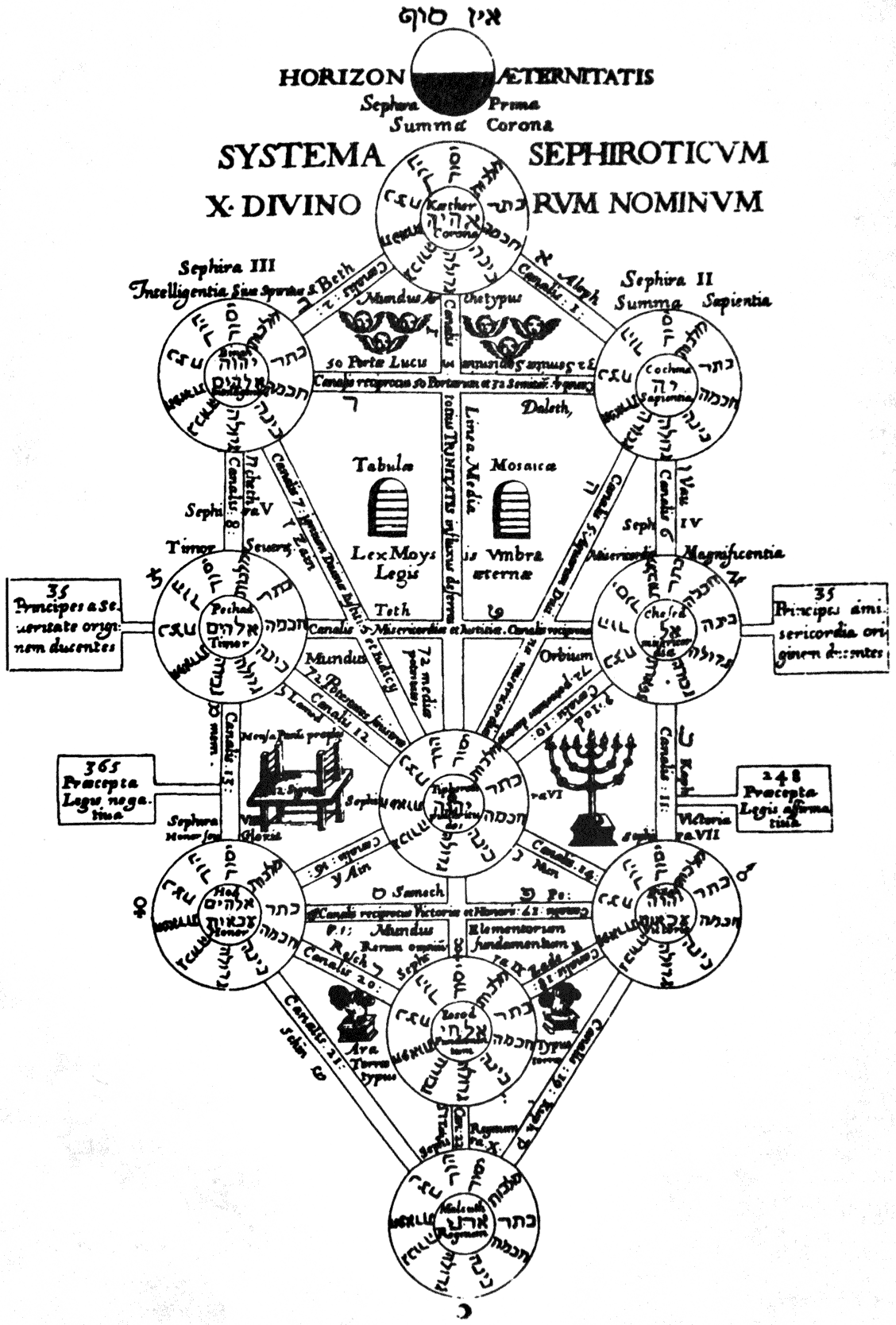 🇺🇸 United StatesChristian views on magic
A spectrum of Christian beliefs about magical practices, ranging from strict condemnation to esoteric integration.Belief · Cursing and harm · Protection Living
 🇬🇧 United Kingdom and 2 moreOrder of Nine Angles
A British Satanic network linked to neo-Nazism and violent extremismTradition · Cursing and harm · Power and authority Living
🇺🇸 United States and 1 moreBaskerville effect
A theory that superstition about unlucky numbers causes heart attacks through stressBelief · Cursing and harm Historical
 🇮🇱 Israel and 1 moreSerpent seed
A fringe belief that Cain was the offspring of Eve and the Serpent, creating two distinct human lineages.Belief · Cursing and harm Historical
 🇺🇸 United States and 3 moreFortune telling fraud
A confidence trick where a grifter invents a curse to extract money from a vulnerable client.Belief · Cursing and harm Living
 🇭🇹 Haiti and 5 moreLoogaroo
A shapeshifting vampire of Caribbean folklore, feared for its blood-drinking habits.Being · Cursing and harm Living
🇺🇸 United StatesNight Doctors
African American folklore about doctors who stole or killed black bodies for medical studyBelief · Cursing and harm Historical
🇺🇸 United States and 1 moreMammon in popular culture
The personification of wealth and greed across stories, games, and media.Figure · Power and authority · Cursing and harm Living
🇩🇪 Germany and 3 morePalestinabuch
A lost manuscript by Herman Wirth said to reveal the secret history of Jews and Aryans.Text · Cursing and harm Historical
Photo credits on this page
The small pictures above come from Wikimedia Commons under free licences. Some are cropped to fit.
- Serpent seed: David Roberts, CC BY-SA 3.0, source
- Black magic: https://www.flickr.com/photos/eliogarcia/ (nick in flickr:creo que soy, CC BY 2.0, source
- Theistic Satanism: Alexandre Cabanel, Public domain, source
- Trial by combat: Jörg Breu der Jüngere (died 1547), Paulus Hector Mair (died 1579), Public domain, source
- Loogaroo: A.F.Pannemaker, Public domain, source
- Satanic panic: Hartmann Schedel (1440-1514), Public domain, source
- Curse of Tippecanoe: Albert Gallatin Hoit, Public domain, source
- Order of Nine Angles: Unknown author, CC BY 4.0, source
- Kennedy curse: Walt Cisco, Dallas Morning News, Public domain, source
- Christian views on magic: Athanasius Kircher, Public domain, source
- Witch trials in the early modern period: Johann Jakob Wick, Public domain, source
- Fortune telling fraud: Simon Vouet, Public domain, source
The weekly digest
Every Monday: seven entries you may not know, what is on the calendar this week, and one rite drawn step by step.