🇲🇽 Magic in Mexico
72 entries from Mexico, best known first, across 28 places of magic.
Curanderismo blends Indigenous, African, and Catholic traditions to treat physical and spiritual ailments across Latin America and the US. Practitioners address conditions like fright or evil air using herbs, prayer, and rituals. This folk healing system offers accessible care where Western medicine is costly or culturally distant.
- Curandero means healer in Spanish, from curar
- Mixes Indigenous, African, and Catholic elements
- Treats susto, mal aire, and evil eye curses
- Inquisition accused female healers of witchcraft
- Specialists include yerberos, hueseros, and parteras
Overview
Curanderismo is a traditional healing practice found in Latin America and among Hispanic communities in the United States. It mixes Indigenous medicinal knowledge with Catholic rituals and prayers. The term comes from the Spanish word for cure. Healers treat illnesses that Western doctors often cannot explain or fix. These conditions are seen as having both physical and spiritual causes. The practice relies on local beliefs about health and energy. It fills gaps left by formal healthcare systems. Many patients value the cultural familiarity and language access. The tradition adapts to different regions while keeping core spiritual elements.
Practices and beliefs
Healers use herbs, holy water, prayers, and physical touch. Some specialize in bones, midwifery, or specific plants like tobacco or peyote. Others focus on prayer alone. Treatments aim to cleanse the body of bad spirits or negative energy. Common targets include fright, evil eye, and bad neighbor curses. Healers may also deal with spirit creatures called duendes. Methods vary widely depending on the practitioner's specialty. Some use simple mud or water, while others employ hallucinogens. The goal is always balance between body and spirit.
Rites and charms
Rites involve cleansing ceremonies to remove harmful energies. Healers might sweep homes or throw salt at doors. Prayers to saints are common, especially San Martin de Porres. Physical treatments include massage or bloodletting. Spirit retrieval is a key ritual for fright illnesses. Sessions often happen in the healer's home. Offerings or small fees may be given instead of cash. The process is personal and tailored to the patient's specific spiritual condition. Gossip can play a role in validating the healer's power.
Who practises
Curanderos (men) and curanderas (women) serve as healers. They are often chosen by inheritance or apprenticeship. Reputation is built through word of mouth and successful cures. Some specialize in specific ailments like spellcasting or bone issues. Female healers historically faced suspicion from colonial authorities. Inquisition records show women were often accused of witchcraft. Today, practitioners range from herbalists to prayer specialists. Many work without formal medical training. They are valued for their cultural understanding and affordability.
Regions and communities
The practice originated in Latin America during colonization. It spread to the US along the border and in Southwest communities. By the 1970s, it appeared in cities like Nashville. Today, it is common in northern-tier US cities. Different regions have unique specialties. Peru emphasizes Catholic saints like San Martin de Porres. Mexico retains strong Indigenous influences. The US version adapts to immigrant needs. Language barriers make these healers essential for many Latinos.
The calendar
Specific festivals are not detailed in the sources. Healing occurs based on need rather than seasonal cycles. Life events like birth involve midwives (parteras). Illnesses trigger immediate visits to healers. There is no fixed calendar for major magical rites. The timing depends on the patient's condition and the healer's availability. Community gossip may influence when a healer becomes prominent.
Law and the state
Colonial Inquisition officials monitored healers closely. Women were often accused of sorcery based on community gossip. These accusations could lead to arrest and trial. The Inquisition focused on supernatural claims, not herbal remedies. Modern legal status varies by region. In the US, curanderismo is generally accepted as alternative medicine. However, historical persecution shaped its development. Today, it operates alongside Western medicine without official bans.
Today
Curanderismo remains popular in Hispanic communities. It helps those who face language barriers or high medical costs. Immigrants use it to maintain cultural ties. Some see it as preserving traditional values. The practice has expanded beyond historical regions. Urban areas now host many practitioners. It coexists with Western healthcare as a complementary option. No prices or shop names are listed.
The facts in this overview come from the Wikipedia article "Curandero", written by its contributors and used under the CC BY-SA 4.0 licence. EveryJaadu rewrote the text in its own words, with AI assistance, and compares every page with the article to make sure no passage is copied. It may be reused under the same CC BY-SA 4.0 licence with a link back.
Places of magic in Mexico
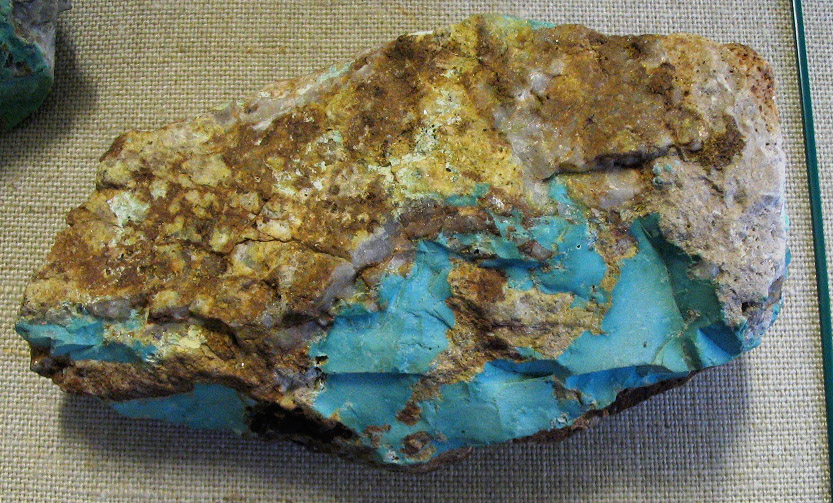 🇮🇷 Iran and 5 moreTurquoise
An opaque blue-green gemstone prized for its color since ancient timesSubstance · Protection · Luck and prosperity Living
 🇲🇽 Mexico and 5 moreDay of the DeadDía de los Muertos
A Mexican holiday honoring the dead with altars, food, and humor during Allhallowtide.Tradition · Speaking with spirits and the dead · Luck and prosperity Living
 🇲🇽 Mexico and 2 moreAluxaluxo'ob
A small Maya spirit believed to guard fields and cause mischief if offended.Being · Protection · Luck and prosperity Living
 🇬🇹 Guatemala and 1 moreMaya mythology
The reconstructed tales of the Maya people about gods, heroes, and the creation of the world.Tradition · Seeing and foretelling · Power and authority Historical
 🇲🇽 Mexico and 3 moreFolk saint
Unofficially recognized holy figures venerated by local communities for intercession and miraclesBelief · Protection · Healing Living
🇬🇹 Guatemala and 3 moreMaya religion
The living spiritual practices of the Maya peoples, shaped by centuries of contact with Catholicism.Tradition · Protection · Healing Living
 🇬🇹 Guatemala and 1 moreTzolkʼinAj Ilabal Qʼij
A 260-day cycle used by the Maya for divination and ritual timingTradition · Seeing and foretelling · Luck and prosperity Living
 🇲🇽 MexicoNagualnāhualli
A Mesoamerican belief in humans who shapeshift into animal counterparts.Belief · Power and authority · Cursing and harm Living
 🇲🇽 MexicoAztec religion
The polytheistic and monistic belief system of the Aztec Empire in central MexicoTradition · Protection · Luck and prosperity Historical
 🇵🇪 Peru and 5 morePalo Santo
Aromatic wood used in South American ritual cleansing and folk medicineSubstance · Cleansing and purification · Healing Living
 🇮🇳 India and 5 moreCowrie
A sea snail shell used as currency, divination tool, and charm across many culturesSubstance · Seeing and foretelling · Luck and prosperity Living
 🇲🇽 Mexico and 5 moreCopal
A tree resin used as incense in Mesoamerica and varnish in EuropeSubstance · Speaking with spirits and the dead · Cleansing and purification Living
 🇬🇹 Guatemala and 1 moreMaya calendar
A system of timekeeping used by ancient and modern Maya communities to track days, years, and historical cycles.Tradition · Seeing and foretelling · Luck and prosperity Living
 🇨🇺 Cuba and 4 moreSanteríaRegla de Ocha
An Afro-Cuban religion blending Yoruba spirits with Catholic saintsTradition · Protection · Healing Living
 🇨🇺 Cuba and 5 moreBrujería
A syncretic blend of Indigenous, African and Catholic folk magic across Latin America and the CaribbeanTradition · Healing · Protection Living
 🇺🇸 United States and 1 moreCalifornian white sage
A California shrub used by Indigenous peoples for food, healing, and ritual cleansingSubstance · Cleansing and purification · Healing Living
 🇪🇸 Spain and 5 moreDuende
A humanoid spirit of Iberian and Latin American folklore, ranging from helpful to mischievous.Being · Protection · Cursing and harm Living
 🇲🇽 Mexico and 5 morePersonifications of death
Figures from many cultures that embody the end of life and guide soulsFigure · Speaking with spirits and the dead Living
🇲🇽 MexicoEntheogenics and the Maya
Hallucinogenic substances used by the Maya for spiritual rituals and healingTradition · Speaking with spirits and the dead · Healing Historical
🇲🇽 MexicoMazatec shamanism
A Mazatec healing tradition centered on visionary plant ceremonies called veladasTradition · Healing · Speaking with spirits and the dead Living
 🇲🇽 Mexico and 1 moreGod's eyeOjo de Dios
A woven yarn cross believed to grant spiritual sight and protectionCharm · Protection · Speaking with spirits and the dead Living
 🇲🇽 MexicoXolotl
An Aztec deity of fire, lightning, and death who guides souls to the underworld.Being · Cursing and harm · Speaking with spirits and the dead Historical
 🇲🇽 Mexico and 4 moreMirrors in Mesoamerican culture
Reflective stones used for divination and elite status across ancient Mexico and Central AmericaCharm · Seeing and foretelling · Power and authority Historical
🇲🇽 MexicoVelada
A Mazatec healing ceremony using sacred plants to commune with the divineRite · Healing · Speaking with spirits and the dead Living
🇲🇽 Mexico and 1 moreToltecayotl
A Nahuatl concept of the art of living and wisdom derived from Toltec traditionBelief · Power and authority Revived
🇲🇽 MexicoTeotlaqualli
A hallucinogenic paste used by Aztec priests and healers in the pre-Columbian era.Substance · Speaking with spirits and the dead · Healing Historical
🇺🇸 United States and 1 moreThe Teachings of Don Juan
A 1968 book presenting an apprenticeship with a Mexican sorcerer as anthropological fieldwork.Text · Speaking with spirits and the dead · Change and initiation Historical
Photo credits on this page
The small pictures above come from Wikimedia Commons under free licences. Some are cropped to fit.
- Xtabay: Unknown author, Public domain, source
- Day of the Dead: RubeHM, CC BY-SA 4.0, source
- Tzolkʼin: Lacambalam, CC BY-SA 4.0, source
- Palo Santo: Haplochromis, CC BY-SA 3.0, source
- European witchcraft: Unknown author, CC BY 4.0, source
- San La Muerte: Sergio Serrano, CC BY-SA 2.0, source
- Turquoise: Unknown author, Public domain, source
- Duende: René Mayorga, CC BY-SA 2.0, source
- Personifications of death: No machine-readable author provided. Kirtap assumed (based on copyrigh, CC BY 2.5, source
- Maya calendar: MBisanz, CC BY-SA 3.0, source
- Cowrie: NOAA (Photo Collection of Dr. James P. McVey, NOAA Sea Grant Program), Public domain, source
- Alux: Gary Todd, CC0, source
- Californian white sage: Stan Shebs, CC BY-SA 3.0, source
- Santería: Jorge Royan, CC BY-SA 3.0, source
- Nagual: Unknown author, Public domain, source
- Mirrors in Mesoamerican culture: Vassil, CC0, source
- Copal: Didier Descouens, CC BY-SA 4.0, source
- God's eye: Douglas P. Perkins, CC BY-SA 3.0, source
- Xolotl: Adamt, CC0, source
- Aztec religion: Unknown author, Public domain, source
The weekly digest
Every Monday: seven entries you may not know, what is on the calendar this week, and one rite drawn step by step.