🇮🇪 Magic in Ireland
90 entries from Ireland, best known first, across 20 places of magic.
Irish folklore weaves pre-Christian myth with Christian morality, preserving beliefs in fairies and the Otherworld through oral tradition. It serves as a vital record of daily life, craft, and communal identity across generations.
- Béaloideas means oral instruction and defines Irish folklore.
- Fairies are seen as descendants of the Tuatha Dé Danann.
- The Irish Folklore Commission was established in 1935.
- Hawthorn trees are considered sacred fairy dwellings.
- Schoolchildren collected tales for the National Folklore Archive.
Overview
Irish folklore, known locally as béaloideas or oral instruction, covers the stories, music, and customs that explain the world to its people. It blends ancient pagan ideas with later Christian teachings, creating a unique cultural blend. The tradition relies on spoken word rather than written text, passing knowledge from one generation to the next. This system preserves not just myths but also practical skills and social norms. It functions as a core part of national identity, uniting communities through shared history and belief.
Practices and beliefs
Belief centers on the Aos Sí, or fairy race, thought to be descendants of ancient gods. Solitary spirits like the banshee, who cries before death, and the leprechaun, a shoe-making sprite, are well known. People avoid disturbing fairy forts and hawthorn trees, which serve as portals to the Otherworld. Craft practices include weaving baskets and making Brigid's crosses for protection. Herb lore and traditional healing methods are also part of this inherited knowledge.
Rites and charms
Stories are shared during fireside gatherings called cèilidh, accompanied by music and dance. These events mark important times like weddings, wakes, and holidays such as Halloween and May Day. Keening, a mournful song, is performed at wakes to honor the dead. Crafts like plaiting straw are done on specific feast days, such as St. Bridget's Day. These rituals reinforce community bonds and respect for the spiritual realm.
Who practises
Knowledge is held by elders and storytellers within small communities. In the twentieth century, the Irish Folklore Commission organized schoolchildren to collect these tales from older relatives. This effort preserved the voices of ordinary people who maintained the traditions. Collectors and archivists later standardized these methods, ensuring the survival of local dialects and regional variations.
Regions and communities
The Gaeltacht areas, including the Aran Islands, retained strong Irish-language traditions. Collectors noted differences between English-speaking regions and Gaelic-speaking west coast communities. Local legends often tied specific hills, mounds, and trees to fairy activity. Regional variations in fairy names and types reflect the diverse history of settlement across the island.
The calendar
Key dates include Samhain (Halloween), Bealtaine (May Day), and St. Patrick's Day. These festivals mark seasonal changes and connect the living with the spirit world. St. Bridget's Day sees the creation of protective crosses. Wakes and weddings also serve as occasions for performing traditional songs and sharing family histories.
Law and the state
The state supports folklore preservation through government commissions and archives. There are no laws against practicing folk beliefs, though superstitions about disturbing fairy sites persist. Colonial attitudes once dismissed these beliefs as mere superstition, but modern Ireland recognizes them as cultural heritage.
Today
Folklore remains a living part of Irish identity, celebrated in festivals and education. The National Folklore Archive holds millions of pages of collected material. Modern interest focuses on preserving the language and oral traditions against globalization. Tourism sometimes commercializes symbols like leprechauns, but communities continue to value the deeper cultural meanings.
The facts in this overview come from the Wikipedia article "Irish folklore", written by its contributors and used under the CC BY-SA 4.0 licence. EveryJaadu rewrote the text in its own words, with AI assistance, and compares every page with the article to make sure no passage is copied. It may be reused under the same CC BY-SA 4.0 licence with a link back.
 🇮🇪 Ireland and 5 moreCairn
A human-made stack of stones used as a marker, memorial, or religious symbol across many cultures.Tradition · Protection · Speaking with spirits and the dead Living
🇬🇧 United Kingdom and 4 moreTelling the bees
A Western European custom of informing bees about major household eventsRite · Protection · Speaking with spirits and the dead Living
🇮🇪 Ireland and 5 moreCairn
A human-made stack of stones used as a marker, memorial, or religious symbol across many cultures.Tradition · Protection · Speaking with spirits and the dead Living
🇬🇧 United Kingdom and 4 moreTelling the bees
A Western European custom of informing bees about major household eventsRite · Protection · Speaking with spirits and the dead Living
 🇬🇧 United Kingdom and 4 moreCorn dolly
A woven straw figure made from the last sheaf of a European harvest to house the crop spirit.Tradition · Protection · Speaking with spirits and the dead Revived
🇬🇧 United Kingdom and 4 moreCorn dolly
A woven straw figure made from the last sheaf of a European harvest to house the crop spirit.Tradition · Protection · Speaking with spirits and the dead Revived
 🇪🇸 Spain and 5 moreSt John's Eve
A Christian vigil marked by bonfires and plant gathering on the summer solstice eveRite · Protection · Speaking with spirits and the dead Living
🇪🇸 Spain and 5 moreSt John's Eve
A Christian vigil marked by bonfires and plant gathering on the summer solstice eveRite · Protection · Speaking with spirits and the dead Living
 🇮🇪 Ireland and 5 moreBonfire
A large outdoor fire used in seasonal festivals and religious feasts across many culturesRite · Cleansing and purification · Speaking with spirits and the dead Living
🇮🇪 Ireland and 5 moreBonfire
A large outdoor fire used in seasonal festivals and religious feasts across many culturesRite · Cleansing and purification · Speaking with spirits and the dead Living
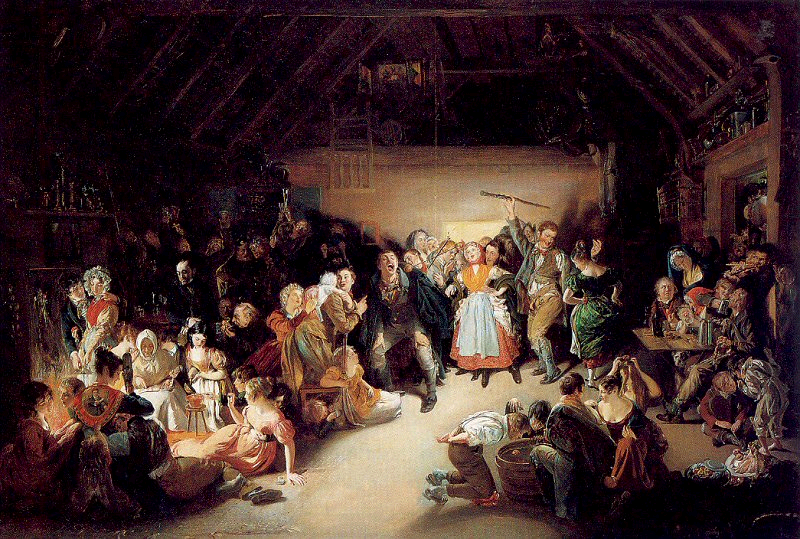 🇮🇪 Ireland and 1 moreSamhain
A Gaelic festival marking the end of harvest and the start of winter, observed on November 1st.Tradition · Protection · Speaking with spirits and the dead Living
🇮🇪 Ireland and 1 moreSamhain
A Gaelic festival marking the end of harvest and the start of winter, observed on November 1st.Tradition · Protection · Speaking with spirits and the dead Living
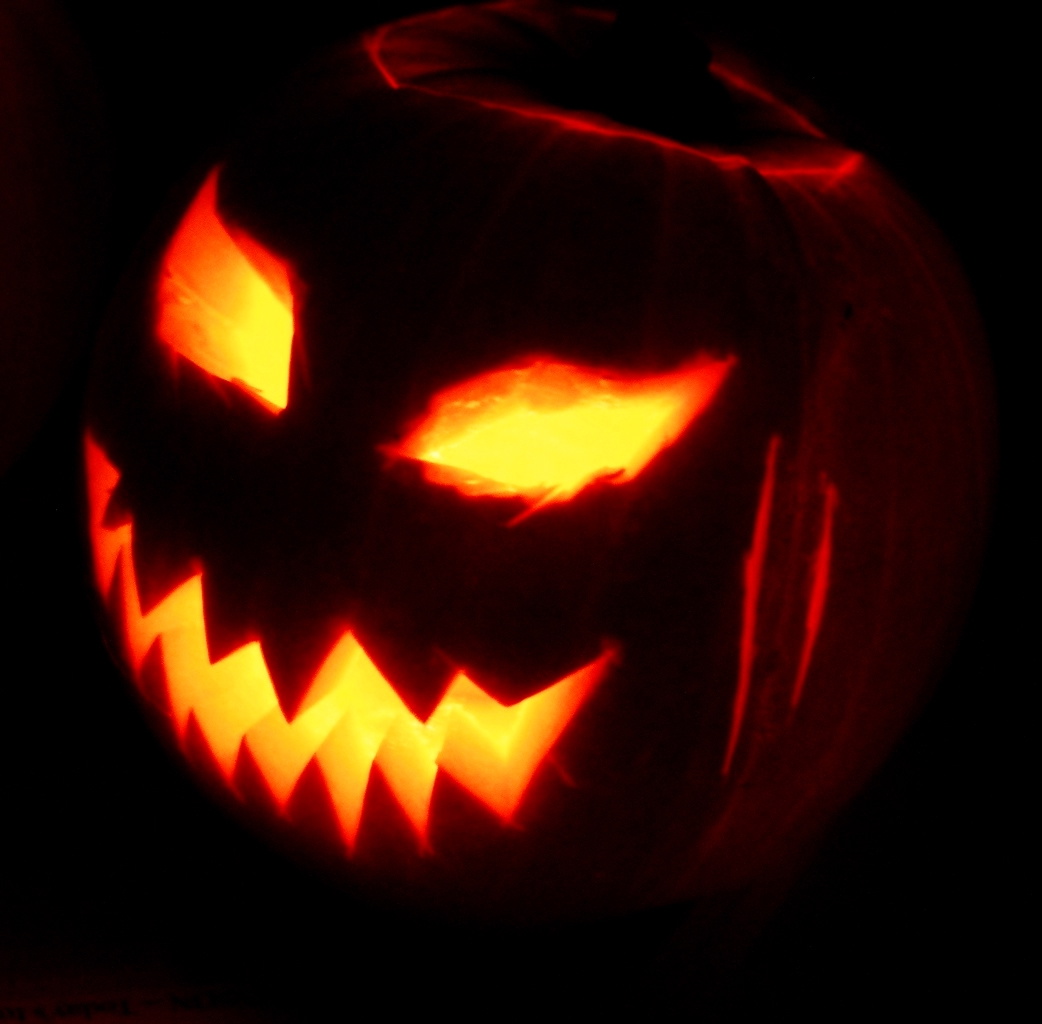 🇮🇪 Ireland and 5 moreHalloween
A Christian vigil on 31 October for the dead, now marked by costumes and carved vegetablesRite · Speaking with spirits and the dead · Protection Living
🇮🇪 Ireland and 5 moreHalloween
A Christian vigil on 31 October for the dead, now marked by costumes and carved vegetablesRite · Speaking with spirits and the dead · Protection Living
 🇮🇪 Ireland and 5 moreHoly well
A water source revered for healing and ritual across pagan and Christian traditionsTradition · Healing · Speaking with spirits and the dead Living
🇮🇪 Ireland and 5 moreHoly well
A water source revered for healing and ritual across pagan and Christian traditionsTradition · Healing · Speaking with spirits and the dead Living
 🇬🇧 United Kingdom and 1 moreWell dressing
A rural English custom of decorating water sources with natural designsTradition · Protection · Speaking with spirits and the dead Living
🇬🇧 United Kingdom and 1 moreWell dressing
A rural English custom of decorating water sources with natural designsTradition · Protection · Speaking with spirits and the dead Living
 🇬🇧 United Kingdom and 5 moreConcealed shoes
Shoes hidden in building structures as folk charms for protection and fertilityCharm · Protection · Speaking with spirits and the dead Historical
🇬🇧 United Kingdom and 5 moreAlexandrian Wicca
A British Neopagan tradition founded in the 1960s by Alex and Maxine SandersTradition · Speaking with spirits and the dead · Power and authority Living
🇬🇧 United Kingdom and 5 moreConcealed shoes
Shoes hidden in building structures as folk charms for protection and fertilityCharm · Protection · Speaking with spirits and the dead Historical
🇬🇧 United Kingdom and 5 moreAlexandrian Wicca
A British Neopagan tradition founded in the 1960s by Alex and Maxine SandersTradition · Speaking with spirits and the dead · Power and authority Living
 🇮🇪 Ireland and 1 moreCeltic mythology
The mythic traditions of the Celtic peoples, preserved in Irish and Welsh textsTradition · Speaking with spirits and the dead Historical
🇮🇪 Ireland and 1 moreCeltic mythology
The mythic traditions of the Celtic peoples, preserved in Irish and Welsh textsTradition · Speaking with spirits and the dead Historical
 🇬🇧 United Kingdom and 4 moreMummers' play
A folk drama featuring a fight and a resurrection, performed by amateur troupes in the British Isles.Rite · Luck and prosperity · Speaking with spirits and the dead Revived
🇬🇧 United Kingdom and 4 moreMummers' play
A folk drama featuring a fight and a resurrection, performed by amateur troupes in the British Isles.Rite · Luck and prosperity · Speaking with spirits and the dead Revived
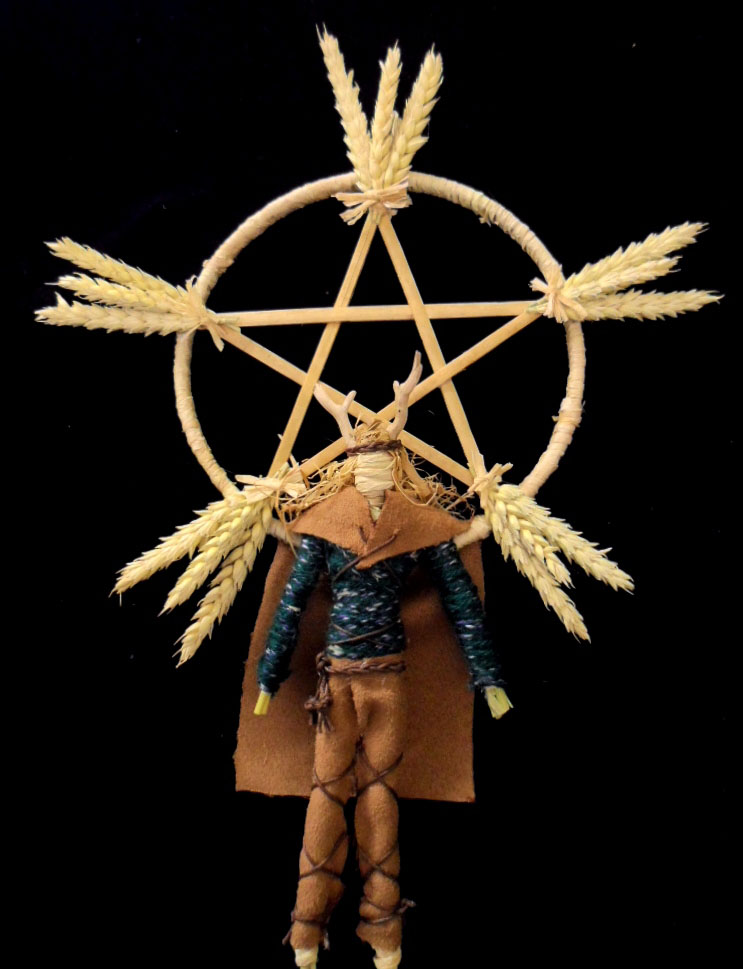 🇮🇪 Ireland and 1 moreLughnasadhLúnasa
A Gaelic harvest festival marking the beginning of the grain gathering seasonTradition · Luck and prosperity · Speaking with spirits and the dead Living
🇮🇪 Ireland and 1 moreLughnasadhLúnasa
A Gaelic harvest festival marking the beginning of the grain gathering seasonTradition · Luck and prosperity · Speaking with spirits and the dead Living
 🇫🇷 France and 1 moreDruiddruides
A learned priestly class of the ancient Celts in Gaul and BritainTradition · Cursing and harm · Protection Historical
🇫🇷 France and 1 moreDruiddruides
A learned priestly class of the ancient Celts in Gaul and BritainTradition · Cursing and harm · Protection Historical
 🇬🇧 United Kingdom and 5 moreDruidry
A modern nature religion inspired by ancient Celtic priests and Romantic idealsTradition · Protection · Speaking with spirits and the dead Living
🇬🇧 United Kingdom and 5 moreDruidry
A modern nature religion inspired by ancient Celtic priests and Romantic idealsTradition · Protection · Speaking with spirits and the dead Living
 🇲🇽 Mexico and 5 moreFolk Catholicism
Local religious customs that blend official Church teaching with indigenous or regional traditions.Tradition · Protection · Healing Living
🇮🇪 IrelandFellowship of Isis𓊨𓏏𓁐𓌞𓋴𓅱𓂻𓏥
An international spiritual fellowship honouring the Divine Feminine and the goddess IsisTradition · Speaking with spirits and the dead · Change and initiation Living
🇲🇽 Mexico and 5 moreFolk Catholicism
Local religious customs that blend official Church teaching with indigenous or regional traditions.Tradition · Protection · Healing Living
🇮🇪 IrelandFellowship of Isis𓊨𓏏𓁐𓌞𓋴𓅱𓂻𓏥
An international spiritual fellowship honouring the Divine Feminine and the goddess IsisTradition · Speaking with spirits and the dead · Change and initiation Living
Photo credits on this page
The small pictures above come from Wikimedia Commons under free licences. Some are cropped to fit.
- St John's Eve: Jules Breton, Public domain, source
- Celtic mythology: Unknown author, Public domain, source
- Well dressing: User:WhaleyTim, CC BY-SA 3.0, source
- Corn dolly: Renata ( talk ), Public domain, source
- Cairn: Andrew Bossi, CC BY-SA 2.5, source
- Bonfire: S Marshall, CC BY 3.0, source
- Samhain: Daniel Maclise, Public domain, source
- Halloween: Toby Ord, CC BY-SA 2.5, source
- Holy well: The Speckled Bird, CC BY-SA 4.0, source
- Concealed shoes: Edmund Patrick, CC BY-SA 3.0, source
- Gede: Calvin Hennick, for WBUR Boston, CC BY 3.0, source
- Mummers' play: Aladjov, CC BY 3.0, source
- Lughnasadh: Mountainash333, CC BY-SA 3.0, source
- Druid: Bernard de Montfaucon, Public domain, source
- Druidry: TheJaySpearing, CC BY-SA 4.0, source
The weekly digest
Every Monday: seven entries you may not know, what is on the calendar this week, and one rite drawn step by step.