🇮🇪 Magic in Ireland
136 entries from Ireland, best known first, across 66 places of magic.
Irish folklore weaves pre-Christian myth with Christian morality, preserving beliefs in fairies and the Otherworld through oral tradition. It serves as a vital record of daily life, craft, and communal identity across generations.
- Béaloideas means oral instruction and defines Irish folklore.
- Fairies are seen as descendants of the Tuatha Dé Danann.
- The Irish Folklore Commission was established in 1935.
- Hawthorn trees are considered sacred fairy dwellings.
- Schoolchildren collected tales for the National Folklore Archive.
Overview
Irish folklore, known locally as béaloideas or oral instruction, covers the stories, music, and customs that explain the world to its people. It blends ancient pagan ideas with later Christian teachings, creating a unique cultural blend. The tradition relies on spoken word rather than written text, passing knowledge from one generation to the next. This system preserves not just myths but also practical skills and social norms. It functions as a core part of national identity, uniting communities through shared history and belief.
Practices and beliefs
Belief centers on the Aos Sí, or fairy race, thought to be descendants of ancient gods. Solitary spirits like the banshee, who cries before death, and the leprechaun, a shoe-making sprite, are well known. People avoid disturbing fairy forts and hawthorn trees, which serve as portals to the Otherworld. Craft practices include weaving baskets and making Brigid's crosses for protection. Herb lore and traditional healing methods are also part of this inherited knowledge.
Rites and charms
Stories are shared during fireside gatherings called cèilidh, accompanied by music and dance. These events mark important times like weddings, wakes, and holidays such as Halloween and May Day. Keening, a mournful song, is performed at wakes to honor the dead. Crafts like plaiting straw are done on specific feast days, such as St. Bridget's Day. These rituals reinforce community bonds and respect for the spiritual realm.
Who practises
Knowledge is held by elders and storytellers within small communities. In the twentieth century, the Irish Folklore Commission organized schoolchildren to collect these tales from older relatives. This effort preserved the voices of ordinary people who maintained the traditions. Collectors and archivists later standardized these methods, ensuring the survival of local dialects and regional variations.
Regions and communities
The Gaeltacht areas, including the Aran Islands, retained strong Irish-language traditions. Collectors noted differences between English-speaking regions and Gaelic-speaking west coast communities. Local legends often tied specific hills, mounds, and trees to fairy activity. Regional variations in fairy names and types reflect the diverse history of settlement across the island.
The calendar
Key dates include Samhain (Halloween), Bealtaine (May Day), and St. Patrick's Day. These festivals mark seasonal changes and connect the living with the spirit world. St. Bridget's Day sees the creation of protective crosses. Wakes and weddings also serve as occasions for performing traditional songs and sharing family histories.
Law and the state
The state supports folklore preservation through government commissions and archives. There are no laws against practicing folk beliefs, though superstitions about disturbing fairy sites persist. Colonial attitudes once dismissed these beliefs as mere superstition, but modern Ireland recognizes them as cultural heritage.
Today
Folklore remains a living part of Irish identity, celebrated in festivals and education. The National Folklore Archive holds millions of pages of collected material. Modern interest focuses on preserving the language and oral traditions against globalization. Tourism sometimes commercializes symbols like leprechauns, but communities continue to value the deeper cultural meanings.
The facts in this overview come from the Wikipedia article "Irish folklore", written by its contributors and used under the CC BY-SA 4.0 licence. EveryJaadu rewrote the text in its own words, with AI assistance, and compares every page with the article to make sure no passage is copied. It may be reused under the same CC BY-SA 4.0 licence with a link back.
Places of magic in Ireland
 🇫🇷 France and 2 moreKing ArthurBrenin Arthur
A legendary British king and folk hero of medieval literature and Welsh mythologyFigure · Power and authority · Wonder and entertainment Legendary
 🇪🇸 Spain and 5 moreSt John's Eve
A Christian vigil marked by bonfires and plant gathering on the summer solstice eveRite · Protection · Speaking with spirits and the dead Living
 🇮🇪 Ireland and 3 moreChangeling
A substitute left by supernatural beings in place of a stolen human child or adultBeing · Cursing and harm · Luck and prosperity Legendary
 🇮🇪 Ireland and 5 moreFairy ring
A natural ring of mushrooms surrounded by folklore about dancing spirits and witches.Belief · Wonder and entertainment Living
 🇮🇪 Ireland and 5 moreHoly well
A water source revered for healing and ritual across pagan and Christian traditionsTradition · Healing · Speaking with spirits and the dead Living
 🇬🇧 United Kingdom and 5 moreConcealed shoes
Shoes hidden in building structures as folk charms for protection and fertilityCharm · Protection · Speaking with spirits and the dead Historical
🇬🇧 United Kingdom and 1 moreScottish folkloreBeul-aithris na h-Alba
The myths, creatures and beliefs of the Scottish people, recorded from ancient times to the present.Tradition · Seeing and foretelling · Protection Living
 🇩🇪 Germany and 1 moreWitch's mark
A bodily mark believed to prove a pact with the Devil during early modern witch trialsBelief · Cursing and harm Historical
 🇮🇪 Ireland and 4 moreFour-leaf clover
A rare plant mutation believed to bring good luck and used as a symbol of fortune.Charm · Luck and prosperity Living
 🇮🇪 Ireland and 1 moreBrigid's crossCros Bhríde
A woven straw charm hung for protection, named after Ireland's patron saintCharm · Protection · Luck and prosperity Living
 🇮🇪 Ireland and 4 moreWinter solstice
The shortest day and longest night of the year, marked by rites of solar returnTradition · Seeing and foretelling · Protection Living
 🇮🇪 IrelandLia Fáil
A standing stone at Tara said to cry out under a rightful kingSubstance · Power and authority Legendary
🇮🇪 IrelandFetch
A spectral double whose appearance signals death or long lifeBeing · Seeing and foretelling Historical
 🇧🇷 Brazil and 5 moreWhite Lady
A female ghost in white clothing linked to tragedy and omens across many culturesFigure · Cursing and harm · Seeing and foretelling Legendary
 🇮🇪 Ireland and 4 moreCairncarn
A human-made pile of stones used as a marker, memorial, or ritual object across many cultures.Tradition · Protection · Speaking with spirits and the dead Living
 🇳🇱 Netherlands and 3 morePig-faced women
A European legend of a woman with the face of a pig, and the charms used to break her curseFigure · Change and initiation Historical
🇮🇪 Ireland and 5 moreSeventh son of a seventh son
A folklore belief that birth order grants supernatural healing or cursed powersBelief · Healing · Cursing and harm Historical
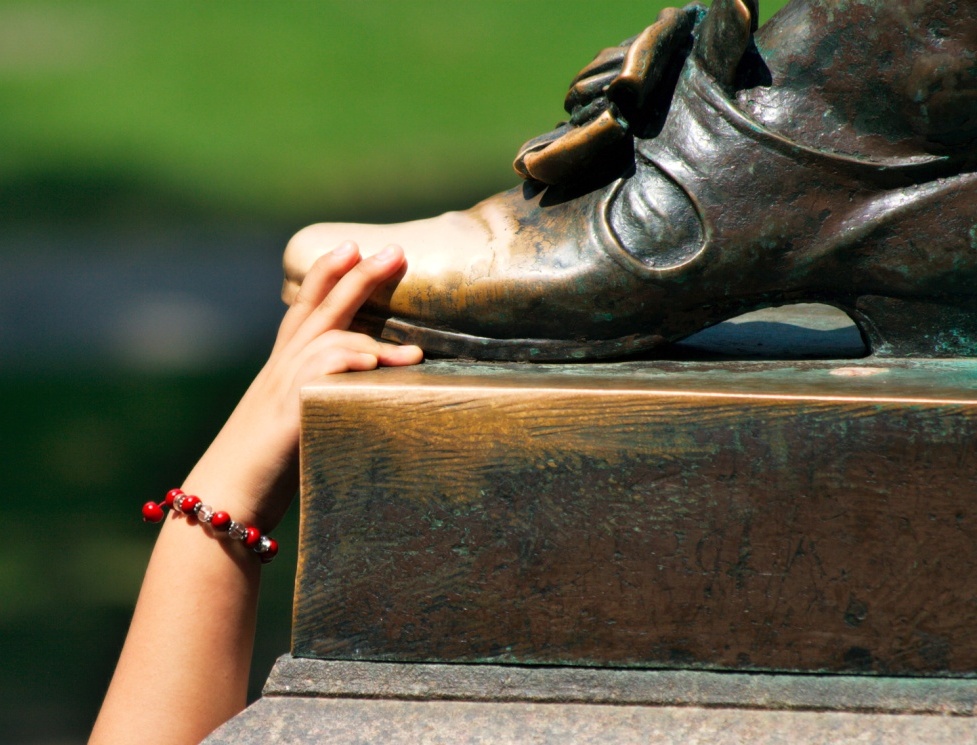 🇮🇪 IrelandStatue rubbing
A tourist custom of touching statues to attract luck, love, or a return visit.Belief · Luck and prosperity · Love and attraction Living
 🇮🇪 Ireland and 4 moreFairy Queen
A female ruler of fairies found in folklore, literature, and witchcraft trials across Europe.Figure · Power and authority Historical
 🇮🇪 Ireland and 1 moreAirship of Clonmacnoise
A medieval Irish legend of a ship in the sky and its anchorBelief · Wonder and entertainment Historical
 🇮🇪 IrelandJack O'The Lantern
An Irish folktale about a deceitful man condemned to wander with a carved lanternFigure · Wonder and entertainment Historical
 🇬🇧 United Kingdom and 5 moreWedding superstitions
Folk beliefs and omens tied to marriage customs across many culturesBelief · Protection · Luck and prosperity Living
 🇮🇳 India and 5 moreLock of hair
A piece of human hair kept for symbolic, sentimental, or superstitious reasons.Substance · Protection · Luck and prosperity Living
🇮🇪 IrelandDeath coachcóiste bodhar
A spectral carriage that signals an unavoidable death in European folkloreBelief · Cursing and harm Legendary
🇮🇪 IrelandLatoon fairy bush
A whitethorn tree in County Clare saved from a motorway by folkloric warnings of misfortuneBelief · Protection Living
🇬🇳 Guinea and 2 moreTaboo on rulers
Restrictions placed on kings and priests to manage fear and hostilityBelief · Protection Historical
 🇳🇿 New Zealand and 4 moreFeather cloak
A garment of feathers worn by royalty and gods across cultures to signal rank or enable flightCharm · Power and authority · Wonder and entertainment Historical
 🇮🇪 Ireland and 3 moreFairy path
An invisible route used by fairies, often straight and connecting sacred sitesBelief · Cursing and harm · Protection Historical
🇮🇪 IrelandHungry grassféar gortach
A cursed patch of land that causes insatiable hunger to anyone who walks on itBelief · Cursing and harm Historical
 🇮🇪 IrelandBánánach
Battlefield spectres of early Irish story, tied to the din of warBeing · Cursing and harm Legendary
 🇨🇳 China and 3 moreSwan maiden
A folk motif where a man steals a bird-woman's feather cloak to force marriage.Figure · Love and attraction · Cursing and harm Legendary
🇮🇪 Ireland and 5 moreFiddler's Green
A maritime afterlife of endless music and rest for veteran sailorsBelief · Wonder and entertainment Legendary
 🇮🇪 IrelandTír na nÓg
An island realm in Irish myth where time stands still and youth never fadesBelief · Wonder and entertainment Legendary
 🇬🇧 United Kingdom and 1 moreDevil's Footprints
A 1855 English mystery of hoof-like tracks appearing across snow-covered landscapesBelief · Cursing and harm Historical
Photo credits on this page
The small pictures above come from Wikimedia Commons under free licences. Some are cropped to fit.
- Statue rubbing: Matthias Rosenkranz, CC BY-SA 2.0, source
- Devil's Footprints: John Good, Public domain, source
- Changeling: Henry Fuseli, Public domain, source
- Holy well: The Speckled Bird, CC BY-SA 4.0, source
- Winter solstice: Image by Przemyslaw " Blueshade " Idzkiewicz, CC BY-SA 2.0, source
- Brigid's cross: Culnacreann, CC BY 3.0, source
- Four-leaf clover: Phyzome under the GFDL., CC BY-SA 3.0, source
- Fairy: Henry Fuseli, Public domain, source
- Welsh mythology: Unknown author, Public domain, source
- Wedding superstitions: Anonymous Unknown author, Public domain, source
- Fairy ring: User:Mrs skippy, Public domain, source
- White Lady: engraved by Ames of Bristol (according to Fincham, Artists and engrave, Public domain, source
- Airship of Clonmacnoise: Joseph Mischyshyn, CC BY-SA 2.0, source
- Feather cloak: Lusanaherandraton, CC BY-SA 4.0, source
- Fairy path: Aviddoghug at English Wikipedia ( Original text: David Gough ), Public domain, source
- Pig-faced women: DubhEire, CC0, source
- Lia Fáil: August Schwerdfeger, CC BY 4.0, source
- King Arthur: William Morris, Public domain, source
- Witch's mark: T. H. Matteson, Public domain, source
- Cairn: Andrew Bossi, CC BY-SA 2.5, source
- Concealed shoes: Edmund Patrick, CC BY-SA 3.0, source
- Tír na nÓg: Arthur Rackham, Public domain, source
- Lock of hair: Unknown author, CC0, source
- St John's Eve: Jules Breton, Public domain, source
- Jack O'The Lantern: Bodrugan, CC BY-SA 3.0, source
- Swan maiden: Walter Crane, Public domain, source
The weekly digest
Every Monday: seven entries you may not know, what is on the calendar this week, and one rite drawn step by step.