🇬🇷 Magic in Greece
179 entries from Greece, best known first, across 80 places of magic.
Ancient Greek folklore rests on oral storytelling, musical performance, and communal ceremonies aimed at honoring the divine. These traditions ran alongside formal state religion, blending myth, legend, and everyday tales into a shared cultural fabric. Scholars note that these beliefs included ghost lore and urban narratives that have largely faded from modern circulation.
- Ancient Greeks shared many oral narrative genres with Roman neighbors.
- The aulos is a double-reed wind instrument used in folk music.
- Massilia practiced an annual rite expelling a chosen scapegoat.
- Classical scholars historically paid little attention to folklore studies.
- Ghost stories and urban legends circulated widely in ancient texts.
Overview
The folk traditions of ancient Greece wove together myth, legend, and everyday tales into a living oral culture. Storytellers passed down ghost accounts, urban legends, and fairy narratives that kept community memory alive. These customs operated alongside formal temple worship, offering a more personal way to engage with the unseen world. Musical performance formed a core part of this practice, appearing in work chants, drinking verses, and sacred hymns. The Greeks shared many narrative forms with their Roman neighbors, creating a broad Mediterranean tradition of oral belief. Academic study of these customs lagged behind classical scholarship, leaving much of the material to be reconstructed from scattered historical records.
Practices and beliefs
Daily life incorporated music as both entertainment and spiritual support. Communities used string instruments like the lyre and kithara, alongside the aulos, which is a double-reed wind tool. Songs accompanied labor, celebrations, and sleep routines. People also held beliefs about spirits of the dead, recording numerous ghost stories that blended fear with social commentary. These narratives functioned as early urban legends, warning listeners about moral boundaries and unexplained events. The oral nature of these practices meant they shifted with each telling, adapting to local needs without fixed written rules.
Rites and charms
Ceremonies centered on establishing contact with deities through structured offerings and public gatherings. Communities organized festivals and processions to show respect and seek favor. Animal sacrifices were standard, often involving carefully selected creatures deemed worthy of divine attention. Some city-states practiced a unique rite where a marginalized person was dressed in fine clothes and treated as important for a full year before being driven from the settlement. This expulsion ritual served as a communal cleansing act, redirecting potential misfortune away from the population.
Regions and communities
Folk customs varied across different settlements, reflecting local priorities and available resources. While most areas followed similar patterns of song and seasonal ceremony, certain cities developed distinct procedures. The coastal polis of Massilia stands out for its annual expulsion rite, which differed sharply from standard sacrificial methods found elsewhere. Neighboring cultures adopted many of these narrative forms, showing how trade and migration spread oral traditions across the Mediterranean. Regional differences mainly appeared in the selection of ritual participants and the specific instruments favored for local performances.
The facts in this overview come from the Wikipedia article "Ancient Greek folklore", written by its contributors and used under the CC BY-SA 4.0 licence. EveryJaadu rewrote the text in its own words, with AI assistance, and compares every page with the article to make sure no passage is copied. It may be reused under the same CC BY-SA 4.0 licence with a link back.
Places of magic in Greece
 🇬🇷 Greece and 1 moreHydromancy
Divination using water to reveal the future or judge legitimacy.Oracle · Seeing and foretelling · Luck and prosperity Historical
 🇬🇷 Greece and 1 moreOmen
A sign believed to foretell the future and signal coming changeBelief · Seeing and foretelling Historical
 🇬🇷 Greece and 5 moreNecromancy
A form of divination that seeks to speak with the dead for hidden knowledge.Tradition · Seeing and foretelling · Power and authority Historical
 🇲🇽 Mexico and 5 moreObsidian
Volcanic glass used for sharp tools and mirrors in ancient trade and ritualSubstance · Seeing and foretelling · Cursing and harm Historical
 🇬🇷 GreeceDodonaΔωδώνη
The oldest Greek oracle, where wind in oak leaves revealed the will of Zeus and DioneOracle · Seeing and foretelling Historical
 🇪🇬 Egypt and 2 moreNatural magic
A historical tradition exploring hidden forces in the physical worldTradition · Seeing and foretelling · Power and authority Historical
 🇬🇷 GreeceAeromancy
Divination by reading the sky, wind, and cloudsOracle · Seeing and foretelling Historical
 🇬🇷 Greece and 1 moreCapnomancy
Divination by reading the shapes and movements of smoke from fires or incenseOracle · Seeing and foretelling · Protection Historical
🇬🇷 Greece and 3 morePyromancy
Divination by reading flames, smoke, or fire-heated objectsOracle · Seeing and foretelling Historical
 🇬🇷 GreeceCoscinomancy
A divination method using a sieve and shears to reveal guilt or answer questions.Oracle · Seeing and foretelling Historical
 🇬🇷 Greece and 3 moreOracle
A person or site believed to channel divine insight and predict the future.Oracle · Seeing and foretelling · Power and authority Historical
 🇬🇷 Greece and 2 moreMagic in the Greco-Roman world
Private supernatural practices in ancient Greece and Rome, distinct from public state religion.Tradition · Protection · Cursing and harm Historical
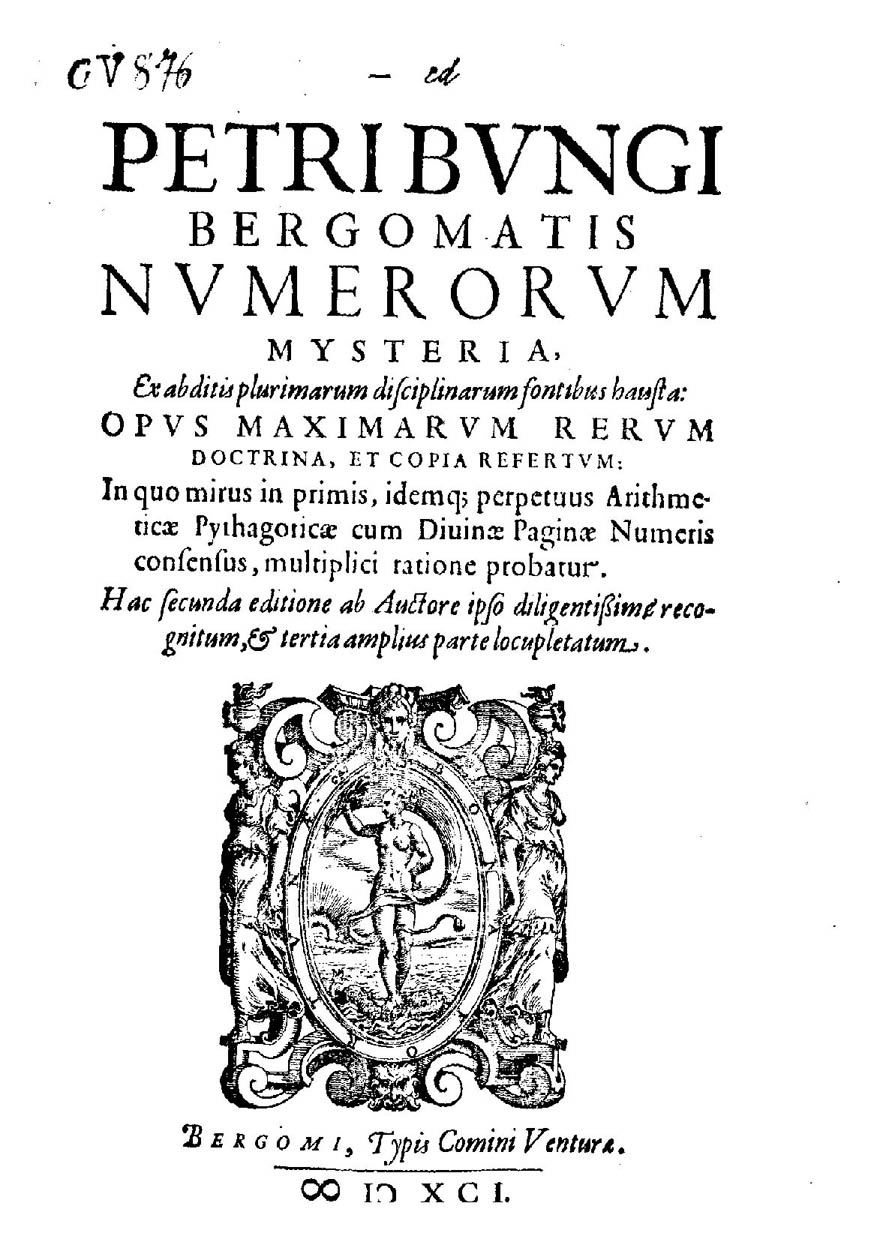 🇬🇷 Greece and 2 moreNumerology
The belief that numbers hold hidden meanings and influence human events.Belief · Seeing and foretelling · Luck and prosperity Historical
 🇬🇷 GreeceGreek divination
Ancient methods of consulting deities for prophecy and omens in Greek cultureOracle · Seeing and foretelling · Power and authority Historical
🇬🇷 GreeceIamidai
An ancient Greek family of seers at Olympia who interpreted burnt offeringsTradition · Seeing and foretelling Historical
 🇮🇳 India and 3 moreAstrology
A divinatory practice that links celestial positions to human affairs and earthly eventsTradition · Seeing and foretelling · Luck and prosperity Historical
 🇬🇷 GreeceWitchcraft in ancient Greece and Rome
Ancient beliefs and practices of magic, curses, and love charms in the Mediterranean worldTradition · Cursing and harm · Love and attraction Historical
🇬🇷 Greece and 2 moreCrithomancy
Divination by reading barley cakes and scattered cereal grains for omensOracle · Seeing and foretelling Historical
🇬🇷 GreeceIatromantis
A Greek word for a healer who also saw what others could notFigure · Healing · Seeing and foretelling Historical
 🇬🇷 GreeceNymphνύμφη
A nature spirit from Greek myth, tied to specific places like springs or trees, often seen as a maiden.Being · Healing · Seeing and foretelling Historical
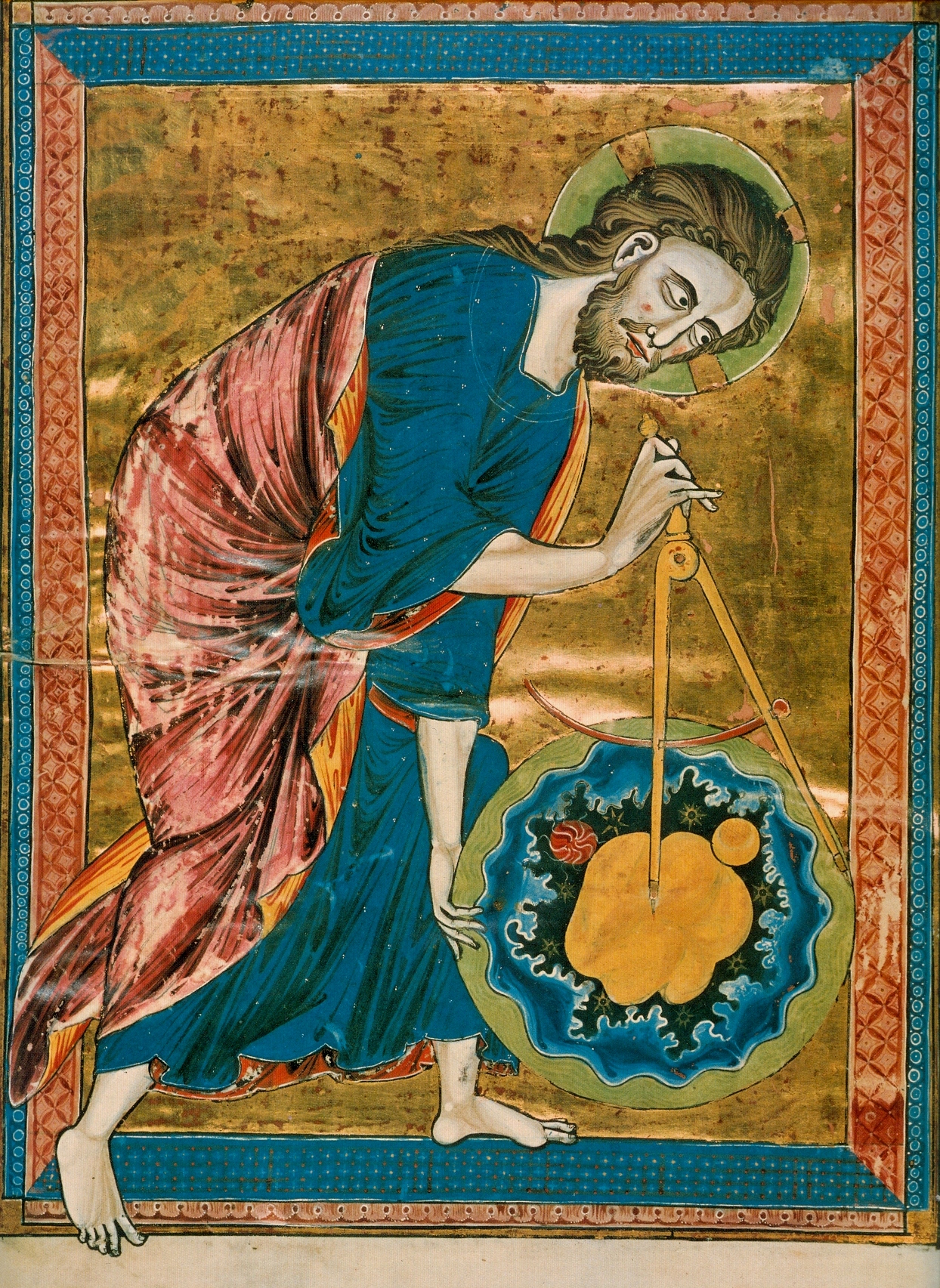 🇬🇷 GreeceAstrology and astronomy
Two disciplines that shared a history before splitting into science and divinationTradition · Seeing and foretelling · Power and authority Historical
 🇬🇷 Greece and 1 moreNekyiaνέκυια
An ancient Greek rite for summoning and questioning the deadRite · Seeing and foretelling Historical
🇬🇷 GreeceTrophoniusΤροφώνιος
A Greek hero turned subterranean oracle god at LebadeaFigure · Seeing and foretelling · Speaking with spirits and the dead Historical
🇬🇷 GreeceOphiomancy
Reading omens in the looks and moves of snakes, from Greece to MesopotamiaOracle · Seeing and foretelling Historical
🇮🇷 Iran and 3 moreAstrology and science
A belief system linking stars to human life, tested and rejected by the scientific communityBelief · Seeing and foretelling · Power and authority Historical
 🇬🇷 Greece and 2 moreDioneΔιώνη
An ancient Greek oracular goddess and Titaness, mother of Aphrodite.Being · Seeing and foretelling Historical
Photo credits on this page
The small pictures above come from Wikimedia Commons under free licences. Some are cropped to fit.
- Hydromancy: Roger McLassus, CC BY-SA 3.0, source
- Shade: Henry Fuseli, Public domain, source
- Omen: Unknown author, Public domain, source
- Greek divination: Berthold Werner, CC BY-SA 3.0, source
- Necromancy: Unknown author, CC BY 4.0, source
- Obsidian: Krassotkin, CC0, source
- Witchcraft in ancient Greece and Rome: Wilhelm Tischbein, Public domain, source
- Astrology: Wilfredor, CC0, source
- Dodona: Marcus Cyron, CC BY-SA 3.0, source
- Natural magic: Unidentified painter, Public domain, source
- Nymph: Unknown author, Public domain, source
- Aeromancy: Unknown author, Public domain, source
- Capnomancy: Tigerzeng, CC BY-SA 4.0, source
- Coscinomancy: Heinrich Cornelius Agrippa von Nettesheim, Public domain, source
- Dione: Phidias, CC BY 2.5, source
- Oracle: John William Waterhouse, Public domain, source
- Magic in the Greco-Roman world: ArchaiOptix, CC BY-SA 4.0, source
- Numerology: Pietro Bongo, Public domain, source
- Astrology and astronomy: anonymous, Public domain, source
The weekly digest
Every Monday: seven entries you may not know, what is on the calendar this week, and one rite drawn step by step.