🇧🇩 Magic in Bangladesh
12 entries from Bangladesh, best known first, across 2 places of magic.
Belief in Bonbibi forms a shared forest tradition in the Sundarbans, where Hindus and Muslims call upon the same guardian spirit for safety among tigers. Her cult blends Islamic and Hindu visual cues without following strict temple canons. Communities treat her protection as a practical necessity woven into daily work and seasonal journeys.
- Hindus and Muslims share prayers for the same forest guardian in the Sundarbans.
- The rival monarch is said to take a tiger form to challenge woodland workers.
- Ritual specialists memorize sacred syllables received from teachers, dreams, or personal trial.
- Red cloth markers and released hens mark safe passage at forest boundaries.
- A three-day winter fair in Holdia has been held for roughly two and a half centuries.
Overview
Forest guardianship in the region rests on a single protective figure who bridges two major faiths. Residents view the mangroves as a contested space ruled by a rival monarch who wears a tiger’s skin. Survival depends on maintaining harmony with both the visible jungle and unseen forces. The tradition borrows narrative rhythms from Persian and Arabic poetry while keeping local ecological knowledge intact. Shared myths replace rigid theological divides, allowing woodcutters and honey gatherers to pray together. This blended approach mirrors other coastal zones where travelers adopt local spirits to navigate uncertain waters. The belief system treats nature as alive with agency, requiring respect rather than domination.
Practices and beliefs
Workers carry sacred syllables (mantras) divided into three types, depending on whether they come from a teacher, a dream, or personal trial. Red cloth markers are tied at tree lines to mark safe passage. Small earthen mounds serve as early shrines, later replaced by painted panels showing five key figures. Devotees offer molasses cakes and milk desserts before trips. Amulets are worn close to the skin, and folk songs are sung to keep groups united. The tiger itself is treated as a messenger rather than a mere animal, demanding careful negotiation through prayer and gift giving.
Rites and charms
Teams entering the woods observe strict household routines while away. Men leave doors unlocked and women stop wearing vermilion powder to signal openness to the forest. Couples refrain from intimacy during expeditions. Ritual leaders chant protective verses while the group moves deeper inland. At the boundary, hens are released as symbolic gifts to the woodland ruler. After returning safely, communities hold public gatherings featuring recitations of ancient verse collections and communal meals. These steps reinforce trust among workers and acknowledge the spirit’s authority over the territory.
Who practises
Special guides known by several regional titles lead private forest ceremonies. They memorize sacred syllables passed down through masters or received during sleep. Local elders recognize these individuals by their calm demeanor and ability to read weather shifts. Both Hindu and Muslim households consult them before launching boats. The guides do not claim divine status themselves. Instead, they act as intermediaries who translate human requests into ritual language. Their reputation grows when expeditions return unharmed after facing stormy seas or aggressive wildlife.
Regions and communities
The inhabited shoreline villages maintain clay figurines and host large public fairs. Deeper settlements rely more on painted panels and simple ground markers. Coastal towns near Holdia preserve multi-day celebrations that have run for centuries. Inland hamlets focus on smaller family prayers before dawn departures. Each area adapts the core story to match local waterways and harvest cycles. Dialects shift slightly between districts, yet the central plea for safety remains unchanged. Travelers note that shrine layouts mirror the geography of nearby rivers and tidal channels.
The calendar
The first month of the Bengali year brings the largest outdoor gathering. Families travel by boat to the forest edge to lay flowers and listen to traditional ballads. A separate winter fair spans three days and features mask performances and craft stalls. Seasonal departures for honey collection trigger private blessings and boundary markers. Life transitions rarely involve this spirit directly, though new workers receive guidance from older expedition leaders. The calendar aligns with tidal patterns and monsoon retreats, ensuring prayers coincide with safe navigation windows.
Today
Modern readers encounter the stories through contemporary novels and academic studies. Survivors of recent storms still credit the guardian spirit with shielding their homes. Annual fairs continue to draw visitors, though commercial pressures test traditional craft displays. Migration to cities has shifted some prayers to indoor altars, while rural families maintain the old boat rituals. Literary adaptations keep the narratives alive for younger generations.
The facts in this overview come from the Wikipedia article "Bonbibi", written by its contributors and used under the CC BY-SA 4.0 licence. EveryJaadu rewrote the text in its own words, with AI assistance, and compares every page with the article to make sure no passage is copied. It may be reused under the same CC BY-SA 4.0 licence with a link back.
Places of magic in Bangladesh
 🇮🇳 India and 1 moreRangoliरंगोली
Floor art made with coloured powders and flowers to welcome guests and deitiesTradition · Protection · Luck and prosperity Living
🇮🇳 India and 1 moreRangoliरंगोली
Floor art made with coloured powders and flowers to welcome guests and deitiesTradition · Protection · Luck and prosperity Living
 🇮🇳 India and 5 moreBindiबिंदी
A dot worn on the forehead to mark spiritual focus and cultural identityCharm · Protection · Power and authority Living
🇮🇳 India and 5 moreBindiबिंदी
A dot worn on the forehead to mark spiritual focus and cultural identityCharm · Protection · Power and authority Living
 🇮🇳 India and 2 moreGorakhnathगोरक्षनाथ
A Hindu yogi and saint who founded the Nath monastic order in India.Figure · Power and authority · Speaking with spirits and the dead Living
🇮🇳 India and 2 moreGorakhnathगोरक्षनाथ
A Hindu yogi and saint who founded the Nath monastic order in India.Figure · Power and authority · Speaking with spirits and the dead Living
 🇮🇳 India and 1 moreTilopa
A tenth-century Buddhist tantric master who transmitted Mahamudra and the Six Yogas of Naropa.Figure · Change and initiation · Power and authority Historical
🇮🇳 India and 1 moreTilopa
A tenth-century Buddhist tantric master who transmitted Mahamudra and the Six Yogas of Naropa.Figure · Change and initiation · Power and authority Historical
 🇮🇳 India and 6 moreChurel
A female revenant of South Asian folklore, feared for luring men awayBeing · Cursing and harm Legendary
🇮🇳 India and 6 moreChurel
A female revenant of South Asian folklore, feared for luring men awayBeing · Cursing and harm Legendary
 🇮🇳 India and 5 moreShakta pithasशाक्त पीठ (Śākta Pīṭha)
Sacred shrines in Shaktism marking where parts of the goddess Sati fell to earth.Tradition · Speaking with spirits and the dead · Power and authority Living
🇮🇳 India and 5 moreShakta pithasशाक्त पीठ (Śākta Pīṭha)
Sacred shrines in Shaktism marking where parts of the goddess Sati fell to earth.Tradition · Speaking with spirits and the dead · Power and authority Living
 🇮🇳 India and 5 moreSnake charming
A street performance using a gourd flute to make snakes swayIllusion · Wonder and entertainment · Luck and prosperity Fading
🇮🇳 India and 5 moreSnake charming
A street performance using a gourd flute to make snakes swayIllusion · Wonder and entertainment · Luck and prosperity Fading
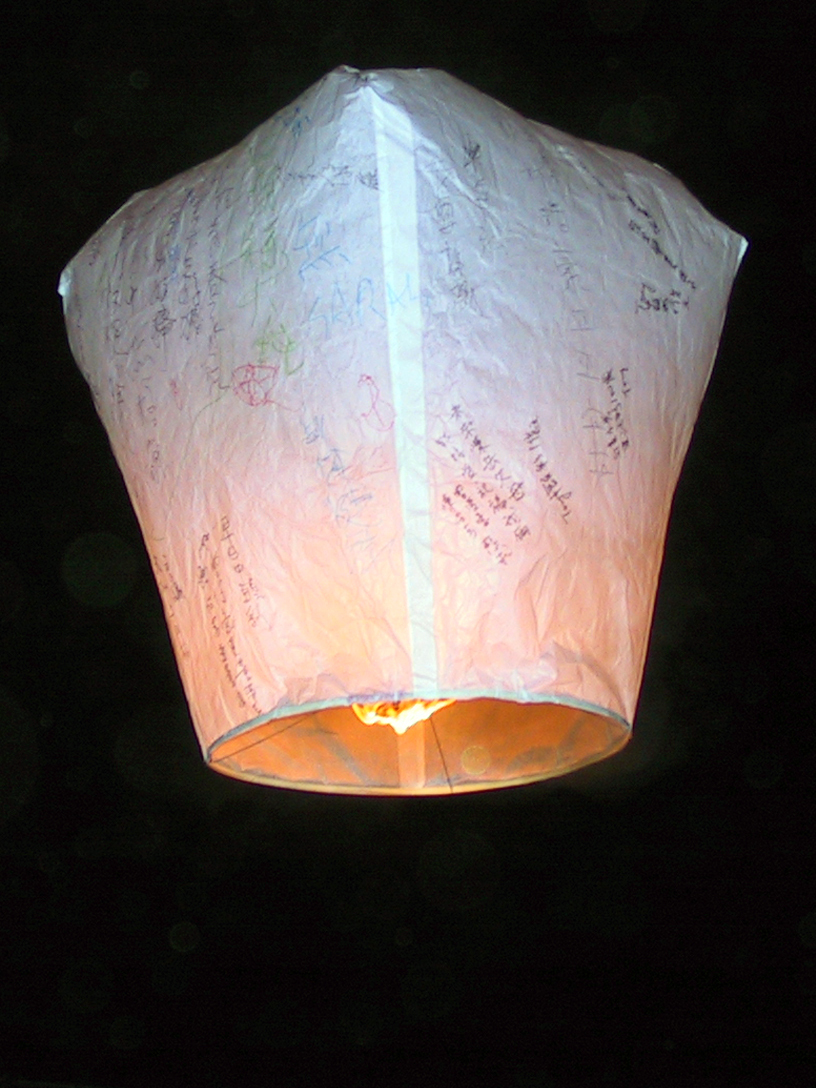 🇨🇳 China and 5 moreSky lantern天燈
A paper hot air balloon lifted by flame to carry wishes and blessingsRite · Luck and prosperity · Protection Living
🇨🇳 China and 5 moreSky lantern天燈
A paper hot air balloon lifted by flame to carry wishes and blessingsRite · Luck and prosperity · Protection Living
 🇮🇳 India and 4 moreShivaशिव
A principal Hindu deity of destruction and yoga, worshipped across South and Southeast AsiaBeing · Power and authority · Change and initiation Living
🇮🇳 India and 4 moreShivaशिव
A principal Hindu deity of destruction and yoga, worshipped across South and Southeast AsiaBeing · Power and authority · Change and initiation Living
 🇮🇳 India and 2 moreDurga Pujaদুর্গাপূজা
A ten-day autumn festival honouring the goddess Durga and her victory over evil.Tradition · Protection · Luck and prosperity Living
🇮🇳 India and 2 moreDurga Pujaদুর্গাপূজা
A ten-day autumn festival honouring the goddess Durga and her victory over evil.Tradition · Protection · Luck and prosperity Living
 🇮🇳 India and 5 moreHoliहोली
A Hindu spring festival marked by coloured powders and bonfires to celebrate love and virtue.Tradition · Love and attraction · Cursing and harm Living
🇮🇳 India and 5 moreHoliहोली
A Hindu spring festival marked by coloured powders and bonfires to celebrate love and virtue.Tradition · Love and attraction · Cursing and harm Living
 🇮🇳 India and 7 moreMakar Sankrantiमकरसङ्क्रान्ति
A solar festival marking the sun's northward shift and the winter harvest across South Asia.Tradition · Speaking with spirits and the dead Living
🇮🇳 India and 7 moreMakar Sankrantiमकरसङ्क्रान्ति
A solar festival marking the sun's northward shift and the winter harvest across South Asia.Tradition · Speaking with spirits and the dead Living
Photo credits on this page
The small pictures above come from Wikimedia Commons under free licences. Some are cropped to fit.
- Holi: Jitenderasingh, CC BY-SA 4.0, source
- Rangoli: SreeramKalyan, CC0, source
- Bindi: Vinay Sahay, CC BY-SA 4.0, source
- Gorakhnath: Anandanath, CC BY-SA 4.0, source
- Churel: Joe Mabel, CC BY-SA 3.0, source
- Sky lantern: Richy, CC BY-SA 3.0, source
- Shiva: Indianhilbilly, CC BY-SA 3.0, source
- Durga Puja: Subhrajyoti07, CC BY-SA 4.0, source
- Shakta pithas: Abhishek Chandra, Public domain, source
- Snake charming: Paris75000, Public domain, source
- Makar Sankranti: Saloni Desai, CC BY-SA 2.0, source
- Tilopa: Unknown author, Public domain, source
The weekly digest
Every Monday: seven entries you may not know, what is on the calendar this week, and one rite drawn step by step.