Rites, spells and ceremonies
Things done in a set way: cleansings, offerings, blessings, binding and unbinding, initiations.
A rite is something done in a set way: a cleansing, an offering, a blessing, an initiation, a binding. What marks it out is form, with fixed words, gestures, timing and often a specialist to lead it. Rites exist in every culture, from the Catholic exorcism and the Vedic fire offering to the Yoruba sacrifice and the Aboriginal ceremony. This page describes them as customs, in outline. Here they are described as customs and in outline only.
Parts of a rite
Most rites share a few parts: a prepared space, a purifying act, speech or song, a gesture, an offering, and a closing that returns everyone to ordinary life. Scholars such as Arnold van Gennep called rites of passage a sequence of separation, threshold and return. Many rites also mark a time: the new moon, the solstice, a death, a birth, a wedding. Some are done once in a lifetime and some every day, and the same gesture can be a rite in one house and a habit in the next.
Who may perform
Some rites belong to anyone in the household, such as sweeping the house at new year or tying a thread on a child's wrist. Others need an officiant: a priest, a medium, a shaman or an initiated elder. Women often hold domestic rites and are shut out of public priesthood, though in places such as Korea, the Philippines and parts of Africa women lead spirit rites. A rite is also tied to a community: it is done with others present, who witness it and agree that it counts.
Rites that hurt
Not every rite is gentle. Some involve animal sacrifice, which is a normal part of a number of living religions and is performed under rules of its own. Exorcism rites have caused real harm when applied to people with mental illness or to children accused of witchcraft, with deaths reported from beatings, fasting and restraint. Illness needs real medical care. Others are simple and joyful, such as a blessing over bread or a thread on a wrist, and carry no danger at all, which is why most rites are never remarked upon.
Change and commerce
Rites move with people. Diaspora communities adapt them to apartments, city streets and other languages. Some are now sold as retreats or workshops, which can strip them from their community and context. Tourism has also turned ceremonies into shows, and communities increasingly set rules about who may watch, photograph or join. Government rules shape rites too: some countries license ritual slaughter, others require permits for processions, and a few have banned particular ceremonies outright, so a rite can become a legal question as well as a religious one.
Rite on EveryJaadu
The entries written up so far, best known first.
 🇹🇷 Turkey and 2 moreHadraحضرة
A collective Sufi ritual of remembrance and chanting to experience Divine PresenceRite · Speaking with spirits and the dead · Power and authority Living
 🇮🇪 IrelandTailteann GamesÁenach Tailteann
Ancient Irish funeral games and assemblies held in County Meath to honor the dead.Rite · Speaking with spirits and the dead · Luck and prosperity Historical
 🇫🇷 FranceBlack Mass
A deliberate parody of the Catholic Mass, known mostly from French trials and booksRite · Cursing and harm · Love and attraction Living
 🇩🇿 AlgeriaMawsimموسم
Annual Maghrebi festival blending Sufi veneration with social and economic gatheringTradition · Speaking with spirits and the dead · Luck and prosperity Living
 🇨🇳 ChinaYao folk religion梅山教
The ethnic religion of the Yao, blended with Taoism since the 13th centuryTradition · Protection · Cleansing and purification Living
🇰🇷 South Korea and 3 moreCorner Game구석놀이
A four-player summoning game told as an urban legend across East AsiaRite · Speaking with spirits and the dead Legendary
🇲🇱 MaliBinouba-binu
A secret Dogon order honoring ancestors through totemic animals and ritual sacrifice in Mali.Tradition · Protection · Speaking with spirits and the dead Living
 🇵🇪 PeruChakapa
A leaf rattle used by Amazonian healers in ayahuasca ceremonies and spirit cleansing rituals.Rite · Healing · Speaking with spirits and the dead Living
 🇰🇷 South KoreaDurin-gut두린굿
A Jeju Island ritual to cure mental illness by exorcising a possessing spirit through danceRite · Healing · Speaking with spirits and the dead Fading
 🇮🇳 IndiaChillaچله
A forty-day solitary retreat of fasting and meditation in Sufi traditionRite · Speaking with spirits and the dead · Power and authority Living
🇳🇵 Nepal and 3 moreGurung ShamanismTamu Cho
The ancient shamanic beliefs and rituals of the Gurung people in NepalTradition · Protection · Speaking with spirits and the dead Living
 🇮🇳 IndiaMaibi Jagoi
A shamanic ritual dance performed by Maibis during the Lai Haraoba ceremony in Manipur.Rite · Speaking with spirits and the dead Living
 🇮🇳 IndiaKathivanoor Veeran
A deified warrior of North Malabar, Kerala, whose legend is danced as a Theyyam riteFigure · Love and attraction · Speaking with spirits and the dead Living
🇮🇩 Indonesia and 1 moreJailangkung
An Indonesian séance using a straw effigy to communicate with spirits of the dead.Rite · Speaking with spirits and the dead Living
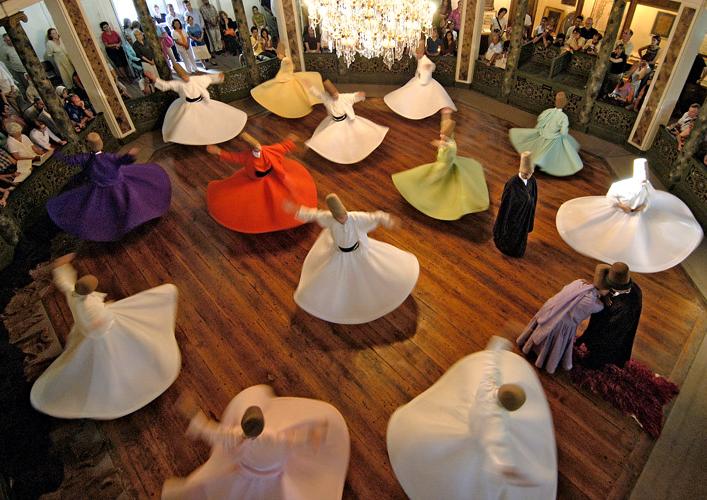 🇹🇷 Turkey and 3 moreSamaسماع
A Sufi ritual of listening, music, and whirling to reach spiritual ecstasyRite · Speaking with spirits and the dead · Change and initiation Living
🇷🇴 RomaniaTanacu exorcism
A 2005 Romanian Orthodox ritual that ended in a nun's death and a murder convictionRite · Speaking with spirits and the dead · Cursing and harm Historical
🇩🇿 AlgeriaWezeeaوَزِيعَة
A Kabyle custom of communal slaughter and meat sharing for social solidarityRite · Speaking with spirits and the dead · Luck and prosperity Living
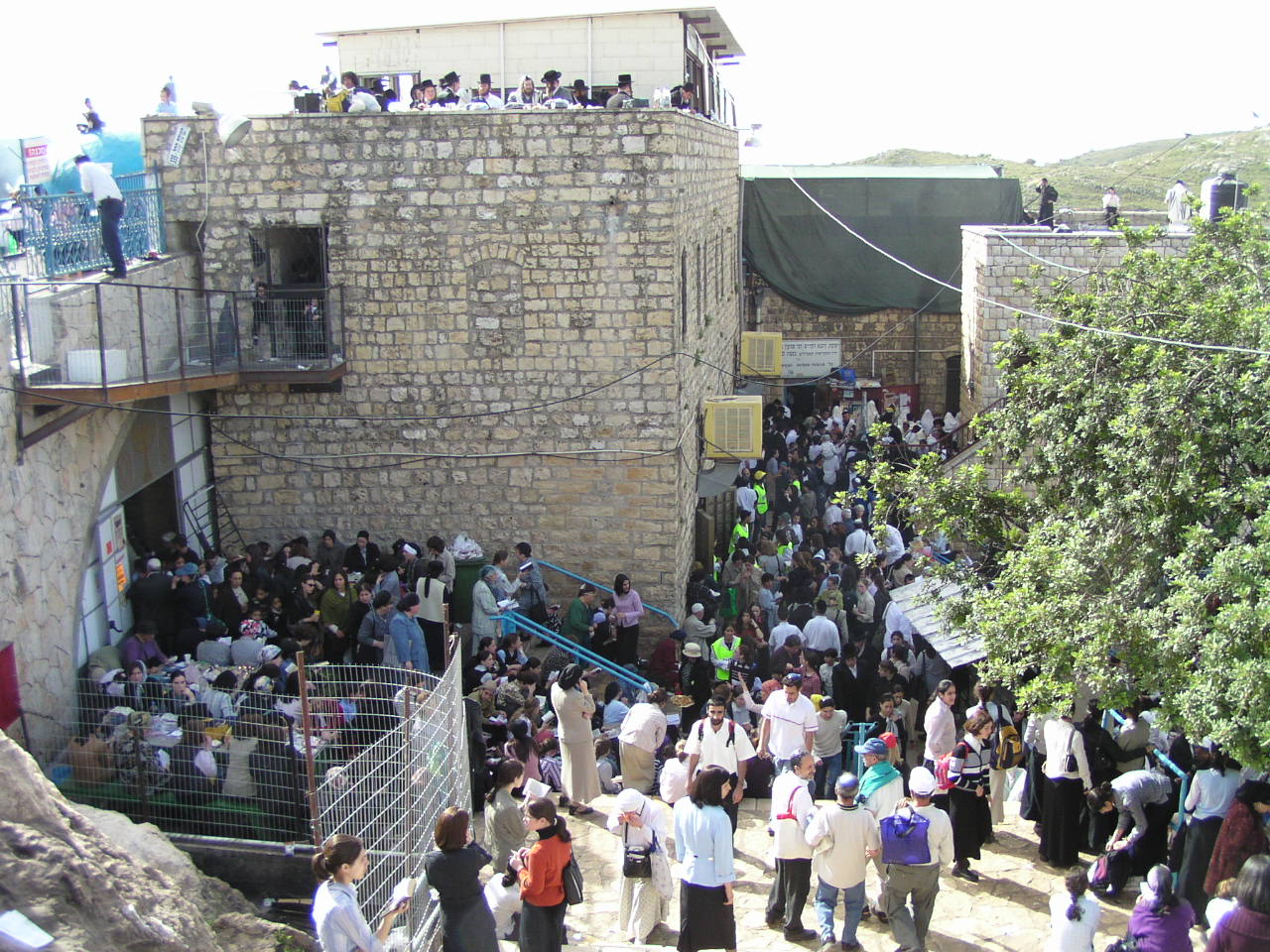 🇮🇱 Israel and 1 moreYom Hillulaיום הילולא
A joyous death anniversary for a saint in Jewish traditionRite · Speaking with spirits and the dead Living
 🇨🇳 ChinaShi尸
A living descendant who sat in place of a dead ancestor during ancient Chinese ritualsRite · Speaking with spirits and the dead · Luck and prosperity Historical
🇹🇷 Turkey and 4 moreSufi whirlingSemazen
A spinning meditation practiced by Sufi dervishes to reach spiritual connection through music and movement.Rite · Speaking with spirits and the dead · Change and initiation Living
 🇬🇷 GreeceNecromanteion of AcheronΝεκρομαντεῖον
An ancient Greek oracle for questioning the deadOracle · Speaking with spirits and the dead Historical
 🇮🇳 IndiaShamanism in Ayyavazhi
A divination practice within the Hindu denomination of Ayyavazhi in South India.Rite · Seeing and foretelling · Speaking with spirits and the dead Living
 🇻🇳 VietnamThánh Trần worshiptín ngưỡng thờ Đức Thánh Trần
A Vietnamese folk cult around a deified general, reached through mediums in trance danceTradition · Protection · Speaking with spirits and the dead Living
🇷🇺 Russia and 1 moreImitation of sounds in shamanism
Shamanic vocal and musical mimicry of nature to invoke spirits or transform identityRite · Speaking with spirits and the dead · Power and authority Living
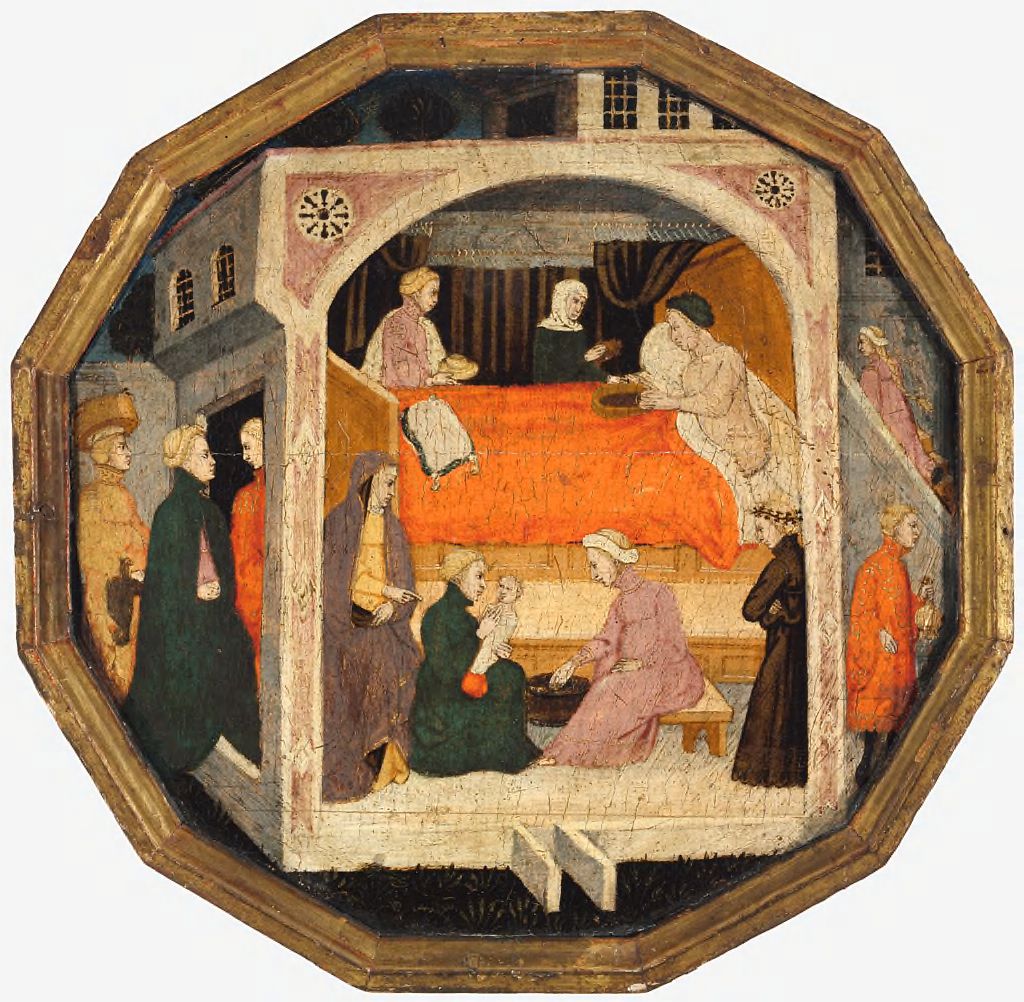 🇬🇧 United KingdomLying-in
A period of bed rest and care for new mothers in European traditionRite · Healing · Speaking with spirits and the dead Historical
 🇮🇳 India and 3 moreOmॐ
A sacred syllable chanted in Hindu, Buddhist, Jain and Sikh practiceBelief · Speaking with spirits and the dead Living
🇯🇲 Jamaica and 1 moreNine-Night
A nine-day Caribbean wake rooted in Akan tradition to celebrate the deceased and guide their spirit home.Rite · Speaking with spirits and the dead Living
🇲🇽 MexicoVelada
A Mazatec healing ceremony using sacred plants to commune with the divineRite · Healing · Speaking with spirits and the dead Living
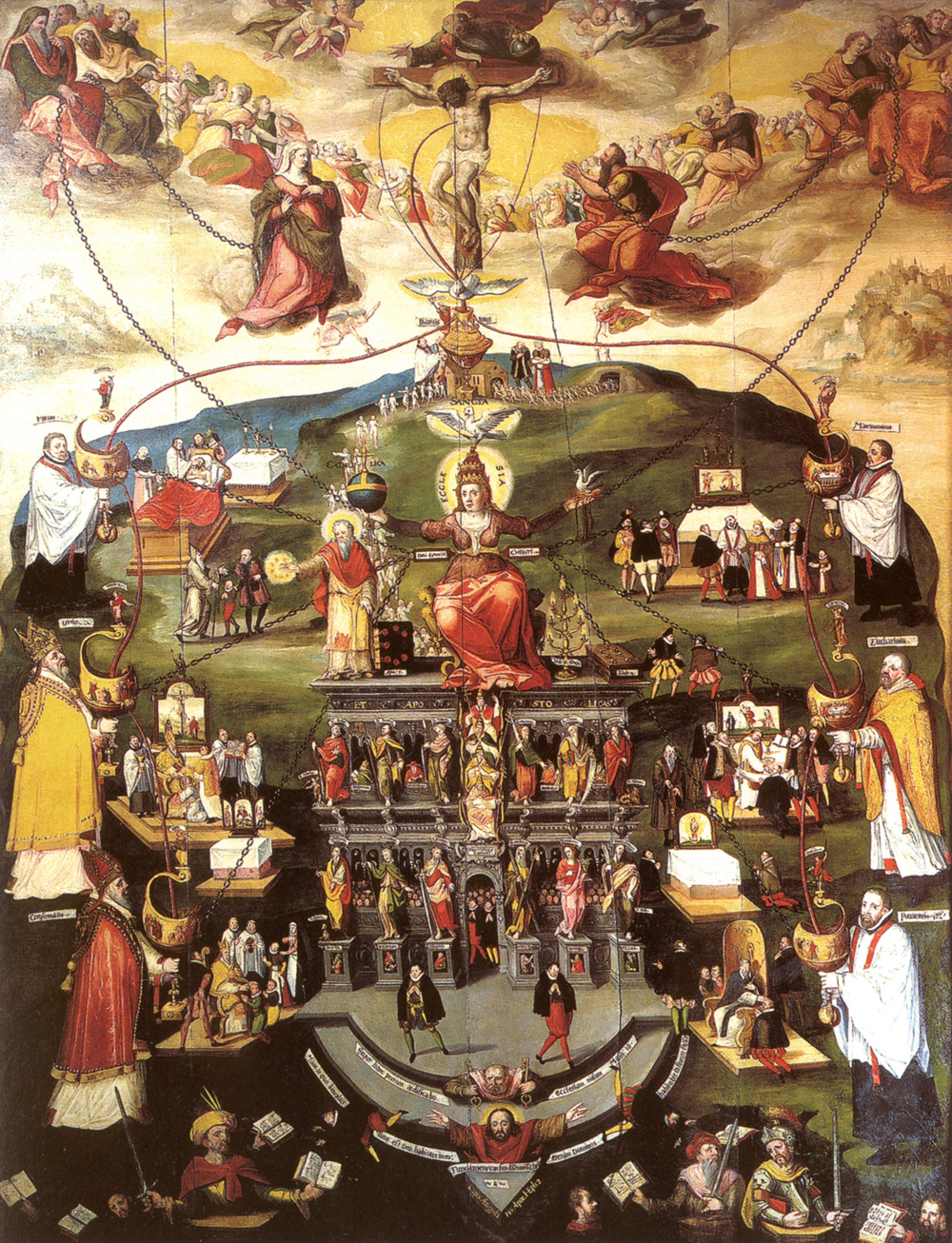 🇬🇷 GreeceSacred mysteriesμυστήριον
Secret ceremonies and divine doctrines held to exceed human reasonBelief · Speaking with spirits and the dead · Change and initiation Living
 🇪🇸 SpainAkelarre
The Basque name for a witches' sabbath, an assembly said to answer to a black he-goatBelief · Speaking with spirits and the dead · Cursing and harm Legendary
 🇫🇷 FranceLoudun possessionsaffaire des possédées de Loudun
A 17th-century witchcraft trial in France involving alleged demonic possession by Ursuline nuns.Belief · Cursing and harm · Speaking with spirits and the dead Historical
Photo credits on this page
The small pictures above come from Wikimedia Commons under free licences. Some are cropped to fit.
- Chilla: Indischer Maler um 1630, Public domain, source
- Necromanteion of Acheron: Nikos Laskaridis, CC BY-SA 4.0, source
- Shamanism in Ayyavazhi: Vaikunda Raja, CC BY-SA 3.0, source
- Sacred mysteries: Johannes Hopffe, Public domain, source
- Akelarre: Francisco Goya, Public domain, source
- Sufi whirling: myself, Public domain, source
- Hadra: Zeinebtakouti, CC BY-SA 4.0, source
- Mawsim: Beghdadi Walid, CC BY-SA 4.0, source
- Yao folk religion: Daderot, Public domain, source
- Chakapa: Mario Martín /Archivo Centro Takiwasi, CC BY-SA 4.0, source
- Maibi Jagoi: Ramesh Lalwani, CC BY 2.0, source
- Shi: Jason Zou, Public domain, source
- Om: Anandajoti Bhikkhu, CC BY 2.0, source
- Tailteann Games: Unknown author, Public domain, source
- Black Mass: Unknown XIXe s, Public domain, source
- Thánh Trần worship: Rio Lam, CC BY-SA 4.0, source
- Kathivanoor Veeran: Uajith, CC BY-SA 4.0, source
- Lying-in: Francesco di Michele, Public domain, source
- Loudun possessions: Unknown author, Public domain, source
- Durin-gut: Karaeng Matoaya, CC BY-SA 4.0, source
- Yom Hillula: Jonathan Stein, Public domain, source