
Durin-gut
In its own language: 두린굿
from Jeju durida (to be deranged) and gut (ritual)
A Jeju Island ritual to cure mental illness by exorcising a possessing spirit through dance
The Durin-gut is a Korean shamanic ceremony practiced on southern Jeju Island to treat mental disorders. It seeks to remove a malevolent spirit, often a yeonggam goblin, from the patient's body through intense dancing and spiritual negotiation.
- Ritual uses extended dancing to exhaust the patient and induce trance
- Spirit identified as yeonggam, a lustful goblin from Jeju mythology
- Shaman negotiates with spirit to confess trauma and vow departure
- Practice declined sharply after the 1980s due to modern psychiatry
- Ceremony includes preliminary rites inviting gods and concluding sacrifices
What it is
The Durin-gut serves as a healing ceremony within the shamanic traditions of southern Jeju Island. Practitioners view mental illness as a condition caused by a malevolent spirit entering the human body. The ritual aims to cure this affliction by identifying and expelling the intruder. This entity is frequently described as a yeonggam, a goblin-like being known for lusting after women and driving them insane. The ceremony functions as a direct confrontation between the shaman, the patient, and the possessing force, seeking to restore balance by forcing the spirit to depart.
Where it comes from
This practice belongs to the broader framework of Korean shamanism, which offers supernatural explanations for physical and mental ailments. Specific narratives identify the yeonggam as seven brothers exiled from Seoul to Mount Halla in Jeju. The youngest brother is depicted as a hideous creature who attaches to women. Similar rituals exist elsewhere, such as the Gwang'in-gut in North Gyeongsang Province. The tradition was widely observed until the late twentieth century but has since declined due to the spread of modern psychiatric care.
How it is done
The ceremony begins with preliminary rites that invite gods to the ritual ground. The core procedure involves extended sessions of dancing. Apprentice shamans play drums and gongs while the lead shaman sings songs that include both fixed refrains and improvised lyrics about the patient's life. The patient dances until physically exhausted, sometimes for up to fifteen days. Once the patient can no longer move, the shaman engages in dialogue with the channeling spirit. The shaman may strike the patient with a peach branch or twist limbs to compel the spirit to confess traumatic memories and vow to leave the body.
Tools and materials
Shamans utilize specific instruments to drive the ritual rhythm. Sacred drums and gongs provide the beat for the dancing sessions. A peach branch is used as a tool of authority during the confrontation with the spirit. In some concluding phases, sacred knives are employed in stabbing motions toward the patient. Beans are poured onto the ground to send the gods back to their abode. Bamboo leaves are also used to spray liquor as offerings to minor deities.
Durin-gut, drawn and placed
- Living
- Revived
- Fading
- Historical
- Legendary
- Performed
- Lineage
- Korean shamanism
- Timing
- during acute mental illness episodes
What it is for
The primary intent is to heal mental illness by removing the possessing spirit. Families seek this ritual when conventional methods fail or when they believe the cause is supernatural. The process aims to resolve the trauma that allowed the spirit entry, often by forcing the patient to recall repressed events. The goal is to secure a vow from the spirit to depart and to restore the patient's health and social functioning.
Who does it
A lead shaman directs the ceremony, supported by apprentice shamans who manage the musical accompaniment. The lead shaman must possess the ability to sing complex narratives and negotiate with spirits. They act as an intermediary, guiding the patient through physical exhaustion and psychological revelation. Multiple shamans may take turns to maintain the energy of the ritual. The practitioner must endure significant physical strain while keeping the rhythm and leading the dialogue.
Peoples and places
The Durin-gut is specific to the Jeju Island region of South Korea. It reflects local variations of Korean shamanism, particularly the mythology surrounding the yeonggam spirits native to the island. While similar exorcistic practices exist on the mainland, such as the Gwang'in-gut, the Jeju version is distinct in its focus on the yeonggam narrative and its specific ritual structure. The tradition is deeply tied to the cultural identity and spiritual beliefs of the Jeju people.
At a glance: who, where and when
Who does it
Peoples
Belief worlds
Occasions


What people believe
Korean shamanism holds that diseases result from soul loss, ritual impurity, or the anger of ancestors. Mental illness is specifically attributed to the attachment of a malignant force. The yeonggam myth explains these beings as exiled siblings who cause madness through lust. The ritual worldview requires active communication with these entities. The shaman does not merely pray but confronts the spirit, using intimidation and negotiation to force it to leave. The trauma experienced by the patient is seen as the entry point for the spirit.
When it is done
The ritual is performed during crises of mental illness rather than on fixed calendar dates. It responds to immediate needs when a person exhibits signs of possession or insanity. The duration varies significantly, ranging from a single session to multiple days of continuous dancing. There is no set seasonal timing; the ceremony occurs whenever the family determines the affliction requires intervention.
How scholars and sceptics see it
Scholars analyze the Durin-gut as a form of psychotherapy embedded in religious practice. Researchers note that the shaman facilitates the expression of repressed traumatic memories. The physical exhaustion induced by dancing may alter consciousness, allowing access to subconscious material. Anthropologists view the ritual as a culturally specific method of coping with mental distress. The decline of the practice is studied in the context of medical pluralism and the rise of institutional psychiatry.
Cautions and what is closed
The ritual can be physically demanding for both the patient and the shamans. Patients may collapse from fatigue and require support structures like ropes. The confrontation with the spirit involves physical contact, including striking or twisting, which may cause injury. The practice is fading due to legal and medical shifts toward modern psychiatric treatment. Some families may hesitate to participate due to stigma or financial constraints.
Compare and confuse
The Durin-gut is related to other Korean shamanic healing ceremonies, such as those for physical illnesses or soul retrieval. It differs from the Gwang'in-gut in its specific mythological focus on the yeonggam. Unlike Western therapeutic models, it relies on supernatural agency and communal participation. The ritual shares features with other East Asian exorcistic traditions but remains distinct in its Jeju-specific elements.
Law and persecution
Modern South Korean law recognizes mental health treatment through psychiatric institutions. Traditional rituals operate in a space where medical and spiritual approaches may coexist or conflict. There is no specific legal prohibition against the Durin-gut, but its practice is limited by the availability of professional healthcare. The shift toward biomedical models has reduced the social acceptance of shamanic interventions for mental disorders.
Today
The Durin-gut is rarely performed today. It was common in the 1980s but has become very rare with the introduction of modern psychiatry. Most cases of mental illness are now treated in hospitals. The ritual survives primarily as a historical record and in the memories of older practitioners. Video documentation from the 1980s provides key insights into its procedures. The tradition represents a fading chapter in Jeju's spiritual history.
Questions people ask about Durin-gut
What is the Durin-gut?
It is a Korean shamanic ritual from Jeju Island designed to cure mental illness. Practitioners believe it removes a possessing spirit, often a yeonggam, from the patient's body through dance and negotiation.
Where is this ritual practiced?
The Durin-gut originates from southern Jeju Island in South Korea. It is part of the local shamanic tradition, though similar exorcistic ceremonies exist in other regions like North Gyeongsang Province.
How does the healing process work?
The patient dances intensely to drum music until exhausted. The shaman then communicates with the channeling spirit, forcing it to reveal traumatic memories and vow to leave the body. This restores the patient's health.
Why is the ritual rare today?
The Durin-gut has become very rare since the 1980s due to the widespread introduction of modern psychiatry. Mental illnesses are now typically treated in medical hospitals rather than through traditional shamanic ceremonies.
Good reading and sources
The facts on this page come from the Wikipedia article "Durin-gut", written by its contributors and used under the CC BY-SA 4.0 licence, and from its Wikidata record (CC0). EveryJaadu rewrote the text in its own words, with AI assistance, and compares every page with the article to make sure no passage is copied. It may be reused under the same CC BY-SA 4.0 licence with a link back.
It may contain mistakes. Names and customs differ from one community to the next, and some knowledge is closed to outsiders and left out here. This page describes belief and practice. It does not say that any of it works, it is not a how-to, and it is not medical advice. If something is wrong, tell us. Last refreshed 2026-10-12.
More from South Korea
All the entries from South Korea 🇰🇷 South KoreaGut굿
Rites performed by Korean shamans to commune with spirits and ensure community welfare.Rite · Protection · Speaking with spirits and the dead Living
🇰🇷 South KoreaGut굿
Rites performed by Korean shamans to commune with spirits and ensure community welfare.Rite · Protection · Speaking with spirits and the dead Living
 🇰🇷 South Korea and 1 moreKorean shamanismKorean shamanism (Korean: Korean shamanism)
A traditional practice of ritual specialists who mediate between the human and spirit worlds.Tradition · Healing · Protection Living
🇰🇷 South Korea and 1 moreKorean shamanismKorean shamanism (Korean: Korean shamanism)
A traditional practice of ritual specialists who mediate between the human and spirit worlds.Tradition · Healing · Protection Living
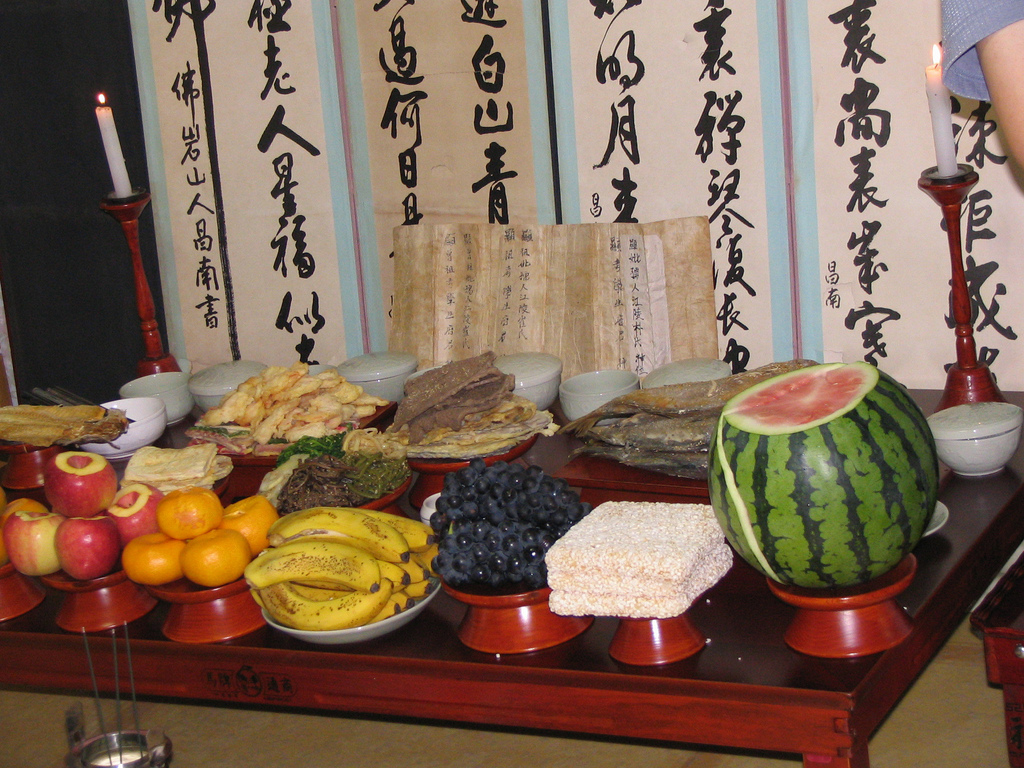 🇰🇷 South KoreaJesa제사
A Korean ancestral memorial rite involving food offerings and ritual bowsRite · Speaking with spirits and the dead · Luck and prosperity Living
🇨🇳 China and 3 moreQi氣 / 气
A vital force in Chinese philosophy and medicine, believed to flow through all living things.Substance · Healing · Power and authority Living
🇰🇷 South KoreaJesa제사
A Korean ancestral memorial rite involving food offerings and ritual bowsRite · Speaking with spirits and the dead · Luck and prosperity Living
🇨🇳 China and 3 moreQi氣 / 气
A vital force in Chinese philosophy and medicine, believed to flow through all living things.Substance · Healing · Power and authority Living
Related elsewhere
All rite 🇮🇶 Iraq and 5 moreGrimoire
A textbook containing instructions for spells, rituals, and the creation of magical objects.Text · Protection · Healing Historical
🇮🇶 Iraq and 5 moreGrimoire
A textbook containing instructions for spells, rituals, and the creation of magical objects.Text · Protection · Healing Historical
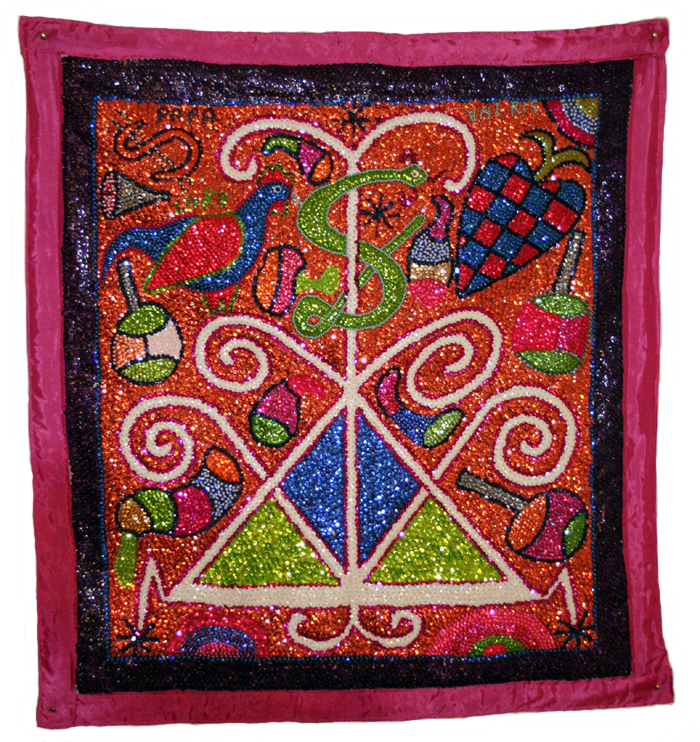 🇭🇹 Haiti and 2 moreHaitian VodouVodou
An Afro-Haitian religion blending West African traditions with Catholicism and FreemasonryTradition · Protection · Healing Living
🇭🇹 Haiti and 2 moreHaitian VodouVodou
An Afro-Haitian religion blending West African traditions with Catholicism and FreemasonryTradition · Protection · Healing Living
 🇮🇳 India and 1 moreAmritaअमृत (Sanskrit)
A Sanskrit concept of immortality and the nectar that grants it across Indian religionsBelief · Healing · Power and authority Living
🇮🇳 India and 1 moreAmritaअमृत (Sanskrit)
A Sanskrit concept of immortality and the nectar that grants it across Indian religionsBelief · Healing · Power and authority Living