Beliefs, omens and superstitions
Luck and unluck, the evil eye, knocking on wood and the small customs people keep without asking why.
Beliefs, omens and superstitions are the small customs people keep without asking why: knocking on wood, salt over the shoulder, avoiding the number thirteen, the evil eye, a black cat crossing the road, a first visitor of the new year. They are found on every continent and are rarely tied to a priest or book. This page looks at where they come from, what the word superstition hides, and why they persist.
What they look like
Beliefs differ by place. The number four is avoided in China, Japan and Korea because it sounds like the word for death, while thirteen is avoided in much of the West. In India, a sneeze before leaving home may delay a journey, and a lemon and chillies are hung over a shop. The evil eye is feared under many names: nazar, mal de ojo, ayin hara. First-footing at new year in Scotland is said to bring luck to a house.
Whose word is superstition
The word superstition has a history. Roman writers used it for religion they disliked, and Christian writers for forbidden practice. Today it often means someone else's belief. Many religions regard some of their own customs as faith and others as superstition, and where the line falls depends on the speaker. Using the word can mark a speaker as modern and a neighbour as backward. Tests of common superstitions show that people who hold them are not less educated or less rational than others, and many hold them lightly.
Why people keep them
Psychologists find that superstition rises with uncertainty and stakes, which is why athletes, sailors, students and gamblers are known for them. Anthropologist Bronislaw Malinowski observed in the 1920s that Trobriand fishermen used rites in dangerous deep-sea fishing and not in safe lagoon fishing. Most people who follow small customs say they do so partly in jest and partly just in case. Similar customs turn up in places that have never met each other, which suggests that people everywhere respond to risk in similar ways.
When belief causes harm
Most superstitions are harmless. Some are not: beliefs about witchcraft have led to killings in parts of Africa, India and Papua New Guinea, and beliefs about albinism have led to attacks in Tanzania and Malawi. Others cost people money, as when a fee is demanded to lift a bad omen. Education, law and trusted community leaders have all been part of reducing harm. Campaigns by health workers, teachers and community radio have been effective where they listen first and explain later.
Belief on EveryJaadu
The entries written up so far, best known first.
 🇮🇶 Iraq and 4 moreAstrology
A system of divination that links human affairs to the positions of celestial bodiesTradition · Seeing and foretelling · Luck and prosperity Living
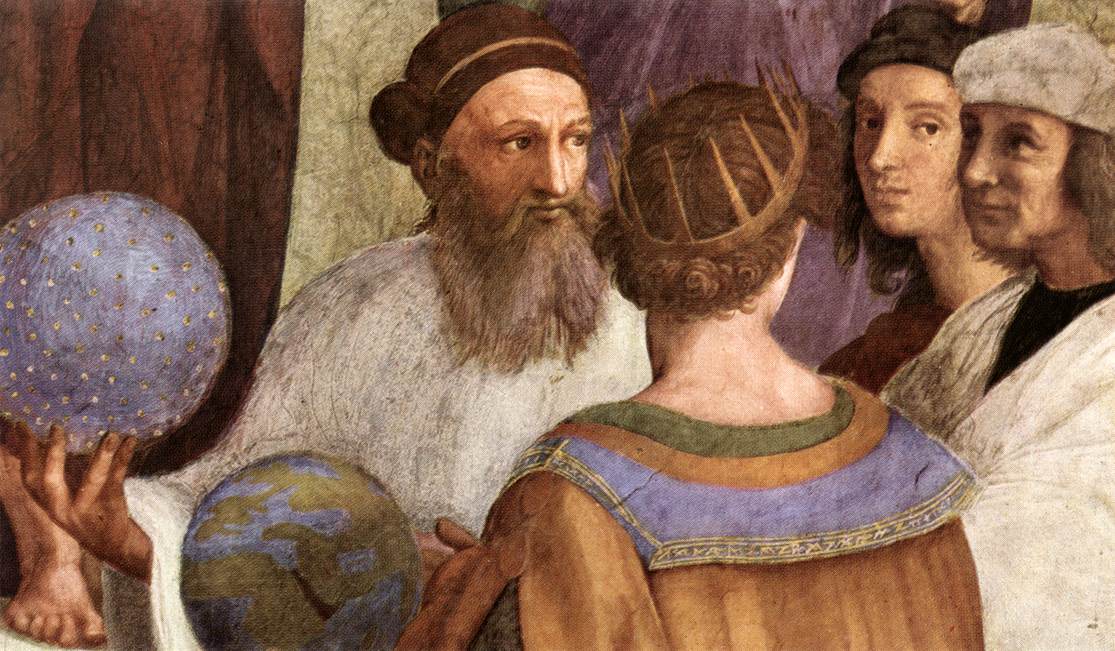 🇮🇷 Iran and 4 morePersian mythologyاسطورهشناسی ایرانی
Ancient Iranian myths of cosmic struggle between light and darknessBelief · Power and authority Historical
🇮🇱 Israel and 2 moreBelialבְּלִיַּעַל
A Hebrew term for wickedness that evolved into a demon of darkness in Jewish and Christian texts.Being · Cursing and harm · Power and authority Historical
🇪🇬 Egypt and 1 moreMagic and religion
A study of how magical practices and religious beliefs intersect or diverge in human cultureBelief · Power and authority Historical
 🇮🇱 IsraelNumber of the beastἈριθμὸς τοῦ θηρίου
A biblical number linked to a prophetic figure and interpreted through ancient letter-value systems.Belief · Cursing and harm Historical
 🇮🇳 India and 2 morePlanets in astrology
Seven celestial bodies used to map human character and destinyBelief · Power and authority · Luck and prosperity Living
 🇮🇱 Israel and 2 moreLeviathanלִוְיָתָן (Livyaṯān)
A primordial sea monster from ancient Near Eastern myth and biblical textBeing · Cursing and harm · Power and authority Historical
 🇮🇱 Israel and 1 moreAzazelעזאזל
A desert place and fallen angel linked to the Yom Kippur scapegoat ritualFigure · Cursing and harm · Cleansing and purification Historical
 🇮🇷 Iran and 3 moreDaeva𐬛𐬀𐬉𐬎𐬎𐬀
A Zoroastrian entity that evolved from rejected gods to personifications of evil.Being · Cursing and harm · Power and authority Historical
🇾🇪 YemenDhu'l-Khalasaذُو الْخَلَصَة
A pre-Islamic shrine in Yemen destroyed by early Muslim forces.Text · Cursing and harm · Seeing and foretelling Historical
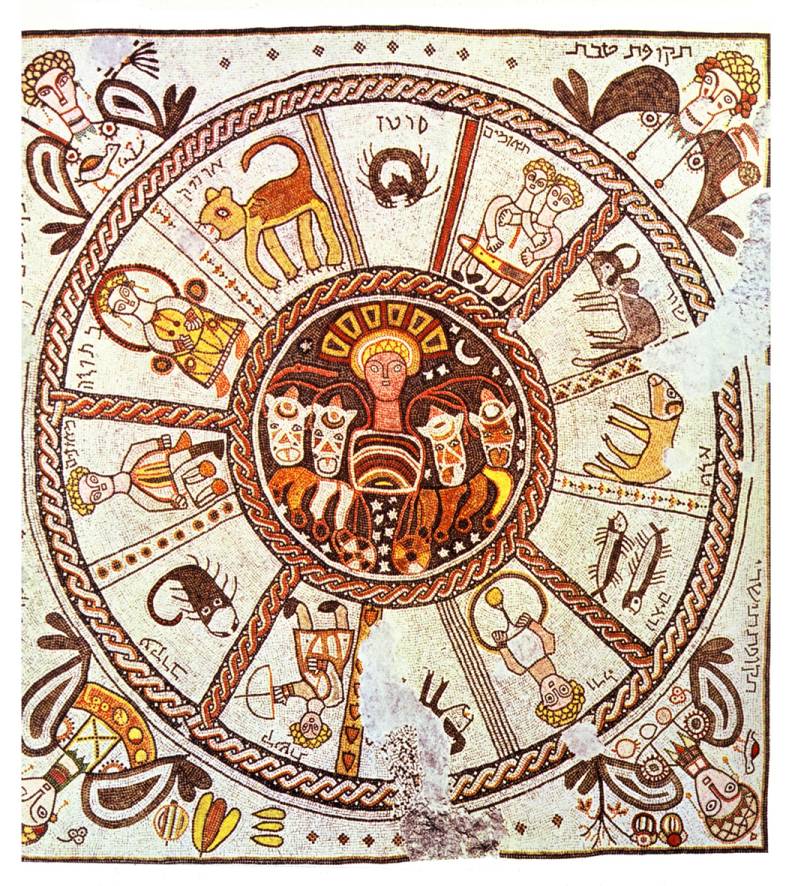 🇮🇱 IsraelJewish astrologyמַזָּלוֹת (mazzālôt)
A belief system within Judaism that celestial bodies influence earthly affairs and human destiny.Belief · Seeing and foretelling · Power and authority Historical
🇮🇷 IranʿIlm al-Ḥurūfعِلْم الْحُرُوف
A system of Arabic numerology that assigns numerical values to letters to reveal hidden meanings in the Quran.Belief · Seeing and foretelling Historical
🇮🇳 India and 3 moreAstrology
A divinatory practice that links celestial positions to human affairs and earthly eventsTradition · Seeing and foretelling · Luck and prosperity Historical
 🇮🇱 Israel and 4 moreAngelמלאך
A supernatural messenger or intermediary spirit found in many religious traditions.Being · Speaking with spirits and the dead · Protection Living
🇮🇱 Israel and 1 moreTerritorial spirit
A belief that demons or angels rule over specific lands and nations.Belief · Cursing and harm · Power and authority Living
🇸🇾 Syria and 1 moreSea-HorseSeepferd
A Syrian folktale about a princess who loses her supernatural horse-husband and quests to find him.Figure · Love and attraction · Cursing and harm Historical
 🇮🇱 IsraelMatzevahמַצֵּבָה
A standing stone used as a sacred marker or grave monument in ancient and Jewish traditionCharm · Speaking with spirits and the dead · Protection Living
 🇮🇱 Israel and 1 moreSerpent seed
A fringe belief that Cain was the offspring of Eve and the Serpent, creating two distinct human lineages.Belief · Cursing and harm Historical
 🇮🇱 Israel and 1 moreTree of life vision
A symbolic prophecy in the Book of Mormon about salvation and spiritual perilBelief · Protection · Healing Living
 🇮🇱 Israel and 1 moreMicah's Idol
A carved image and silver idol from the Book of Judges, stolen by the Tribe of Dan.Belief · Power and authority Historical
 🇮🇱 Israel and 1 moreDivine retribution
Supernatural punishment by a deity in response to anger or wrongdoingBelief · Cursing and harm Historical
🇮🇱 IsraelShekhinahשְׁכִינָה
The divine presence of God dwelling among people in Jewish and Islamic thoughtBelief · Speaking with spirits and the dead · Power and authority Living
🇮🇱 Israel and 2 moreBiblical numerology
A system of interpreting numbers in sacred texts as carrying symbolic meaning beyond their mathematical valueBelief · Speaking with spirits and the dead Historical
 🇪🇬 Egypt and 5 moreIsrael-related animal conspiracy theories
Recurring claims that Israel's spies ride on sharks, vultures and dolphinsBelief Living
🇮🇱 IsraelNumber of the beastἈριθμὸς τοῦ θηρίου
A biblical number linked to a prophetic figure and interpreted through ancient numerologyBelief · Cursing and harm Historical
 🇪🇬 EgyptIslam and astrology
The historical study of stars in the Islamic world and the religious debate over its permissibility.Tradition · Seeing and foretelling · Protection Historical
 🇮🇷 Iran and 5 moreKhidrالخضر
A Qur'anic guide and saint believed to hold hidden wisdom and aid those in need.Being · Seeing and foretelling · Power and authority Living
 🇦🇫 AfghanistanZuhdزهد
An Islamic ideal of detachment from worldly desires and material wealthBelief · Power and authority · Cleansing and purification Historical
 🇮🇱 IsraelSeder hishtalshelusסדר השתלשלות
A Kabbalistic cosmology mapping the descent of divine light through spiritual realms to the physical world.Belief · Power and authority · Wonder and entertainment Living
🇮🇱 Israel and 5 moreJewish views on astrologyחָכְמַת הַמַּזָּלוֹת
A long-standing debate within Jewish thought about the influence of stars and planetsBelief · Seeing and foretelling · Power and authority Historical
 🇮🇱 IsraelGharqadغرقد
A tree in Islamic eschatology said to protect Jews at the end timesBelief · Cursing and harm Historical
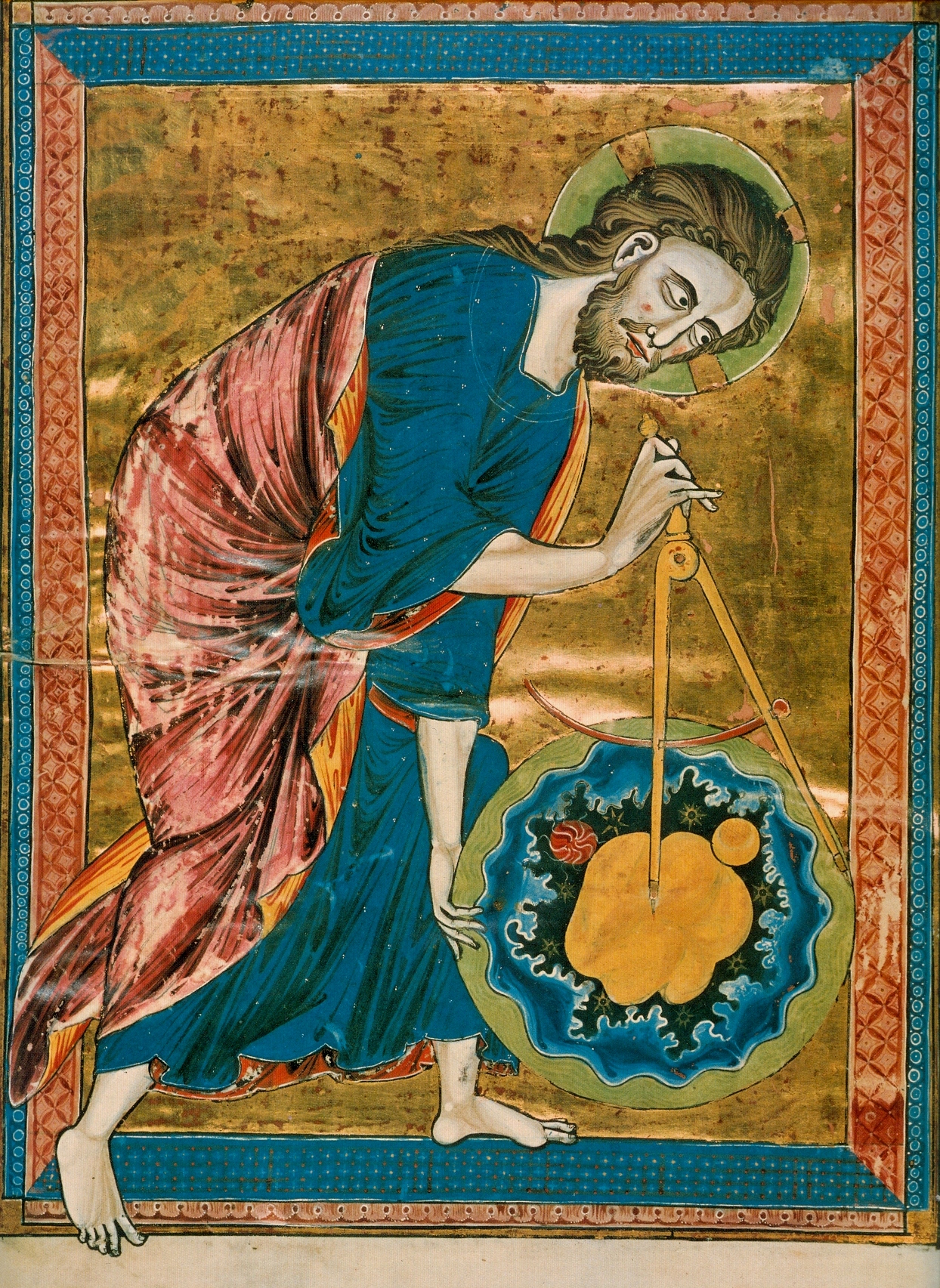 🇬🇷 GreeceAstrology and astronomy
Two disciplines that shared a history before splitting into science and divinationTradition · Seeing and foretelling · Power and authority Historical
 🇮🇱 Israel and 1 moreUnclean spiritπνεῦμα ἀκάθαρτον (pneuma akatharton)
A spirit of impurity in biblical belief, driven out by breath, smoke and wordsBeing · Cleansing and purification · Cursing and harm Living
 🇮🇱 Israel and 2 moreNehushtanנְחֻשְׁתָּן
A bronze serpent on a pole from the Hebrew Bible, once worshipped for healing before its destruction.Charm · Healing · Protection Historical
Photo credits on this page
The small pictures above come from Wikimedia Commons under free licences. Some are cropped to fit.
- Serpent seed: David Roberts, CC BY-SA 3.0, source
- Nehushtan: Michelangelo, Public domain, source
- Astrology: Wilfredor, CC0, source
- Jewish views on astrology: Talmoryair, Public domain, source
- Zuhd: عامر شاہین, CC BY-SA 3.0, source
- Number of the beast: William Blake, Public domain, source
- Div: Unknown Calligrapher, Public domain, source
- Azazel: Louis Le Breton, Public domain, source
- Lotan: Gustave Doré, Public domain, source
- Angel: Unknown author, CC0, source
- Matzevah: Gilslovik, CC BY-SA 4.0, source
- Tree of life vision: David Hyrum Smith, Public domain, source
- Micah's Idol: Avner, CC BY-SA 4.0, source
- Divine retribution: John Martin, Public domain, source
- Israel-related animal conspiracy theories: Sumeet Moghe, CC BY-SA 3.0, source
- Planets in astrology: Jan van Loon, Public domain, source
- Islam and astrology: Ahmad Ibn Musa Ibn Shakir, Public domain, source
- Khidr: Unknown author, Public domain, source
- Seder hishtalshelus: Daderot, Public domain, source
- Gharqad: MurielBendel, CC BY-SA 4.0, source
- Astrology and astronomy: anonymous, Public domain, source
- Unclean spirit: David Shankbone, CC BY-SA 3.0, source
- Persian mythology: Raphael, Public domain, source