🇮🇱 Magic in Israel
102 entries from Israel, best known first, across 22 places of magic.
Ancient Jewish magic blended practical charms with mystical beliefs from the Second Temple through Rabbinic periods. It operated alongside official religious law, using texts and objects to seek protection, healing, and influence over others.
- Eleazar performed an exorcism using a root and incantations before Vespasian.
- Love spells burned inscribed pottery to inflame a target's heart.
- Children wore protective knots containing salt and seeds on the Sabbath.
- Curse tablets were buried in drains near hippodrome turning posts.
- The Sword of Moses listed divine names for healing and harming enemies.
Overview
Jewish magical practice emerged in the Land of Israel and Mesopotamia between the first and fifth centuries CE. Practitioners used Hebrew, Aramaic, and Greek texts on papyrus, metal, and clay to address daily needs like health and love. This tradition shared techniques with surrounding cultures but relied heavily on biblical figures, angels, and divine names. Although rabbinic authorities often prohibited such rituals, they remained a common part of popular religion for centuries.
Practices and beliefs
People used amulets, incantation bowls, and curse tablets to protect against demons or harm enemies. Love spells involved burning inscribed pottery to kindle passion in a target. Binding spells were buried under synagogue thresholds to control communities. Exorcists employed roots and recitations to drive out spirits, while healers tied protective knots containing salt or seeds to ward off illness and witchcraft.
Rites and charms
Ceremonies included placing rings with prescribed roots under a patient's nose during exorcism. Practitioners burned ceramic amulets to mirror the desired effect on a person's heart. Curse tablets were deposited in drains near racing tracks to sink competitors' chances. Protective knots were sewn into children's clothing until they reached adulthood. Rituals often invoked specific angels to enforce the written commands.
Who practises
Magicians and exorcists served as specialists who could interact with spiritual forces. Figures like Eleazar demonstrated power before rulers to prove their skill. Sages debated the legality of these acts, distinguishing them from forbidden superstitions. Texts like the Book of Mysteries outlined systems where practitioners enlisted angels from seven heavens. Knowledge was preserved in treatises that reshaped foreign traditions into Jewish frameworks.
Regions and communities
Evidence concentrates in Judaea, Palaestina, and Babylonia. Papyri found in Egypt show similar syncretic practices. Inscriptions appear in synagogues across the southern Levant. Archaeological finds in the Judaean Desert confirm the use of physical charms. Different regions adapted local materials like clay bowls or metal sheets to create durable magical objects.
The calendar
Knots were worn by children specifically on the Sabbath day. Protective measures were applied during times of illness or fever. Spells were activated at life events like courtship or competition. The timing of rituals often aligned with traditional Jewish holy days or specific moments of distress. No fixed annual festival is described for general magical practice.
Law and the state
Rabbinic sages prohibited many magical acts under the category of Ways of the Amorites. They banned divination and certain healing rituals deemed superstitious. However, some medical practices were permitted if they offered genuine relief. Legal discussions focused on whether items like knots violated Sabbath restrictions. The tension between popular magic and legal prohibition shaped how these practices were recorded.
Today
Scholars study ancient Jewish magic through archaeological discoveries and textual analysis. Research integrates magical papyri with broader Jewish history. Modern understanding highlights the adaptability of these traditions. The field continues to reveal how ordinary Jews navigated spiritual risks. These studies complement classical religious texts to show a fuller picture of ancient life.
The facts in this overview come from the Wikipedia article "Ancient Jewish magic", written by its contributors and used under the CC BY-SA 4.0 licence. EveryJaadu rewrote the text in its own words, with AI assistance, and compares every page with the article to make sure no passage is copied. It may be reused under the same CC BY-SA 4.0 licence with a link back.
 🇮🇱 Israel and 3 moreGematriaגימטריה
A numeric writing system that assigns numerical values to words and phrases for interpretation.Text · Seeing and foretelling · Power and authority Living
 🇮🇱 Israel and 1 moreShimon bar Yochaiשמעון בר יוחאי
A second-century sage of the Land of Israel and a central figure in Kabbalistic tradition.Figure · Power and authority Historical
 🇮🇱 Israel and 2 moreLeviathanלִוְיָתָן (Livyaṯān)
A primordial sea monster from ancient Near Eastern myth and biblical textBeing · Cursing and harm · Power and authority Historical
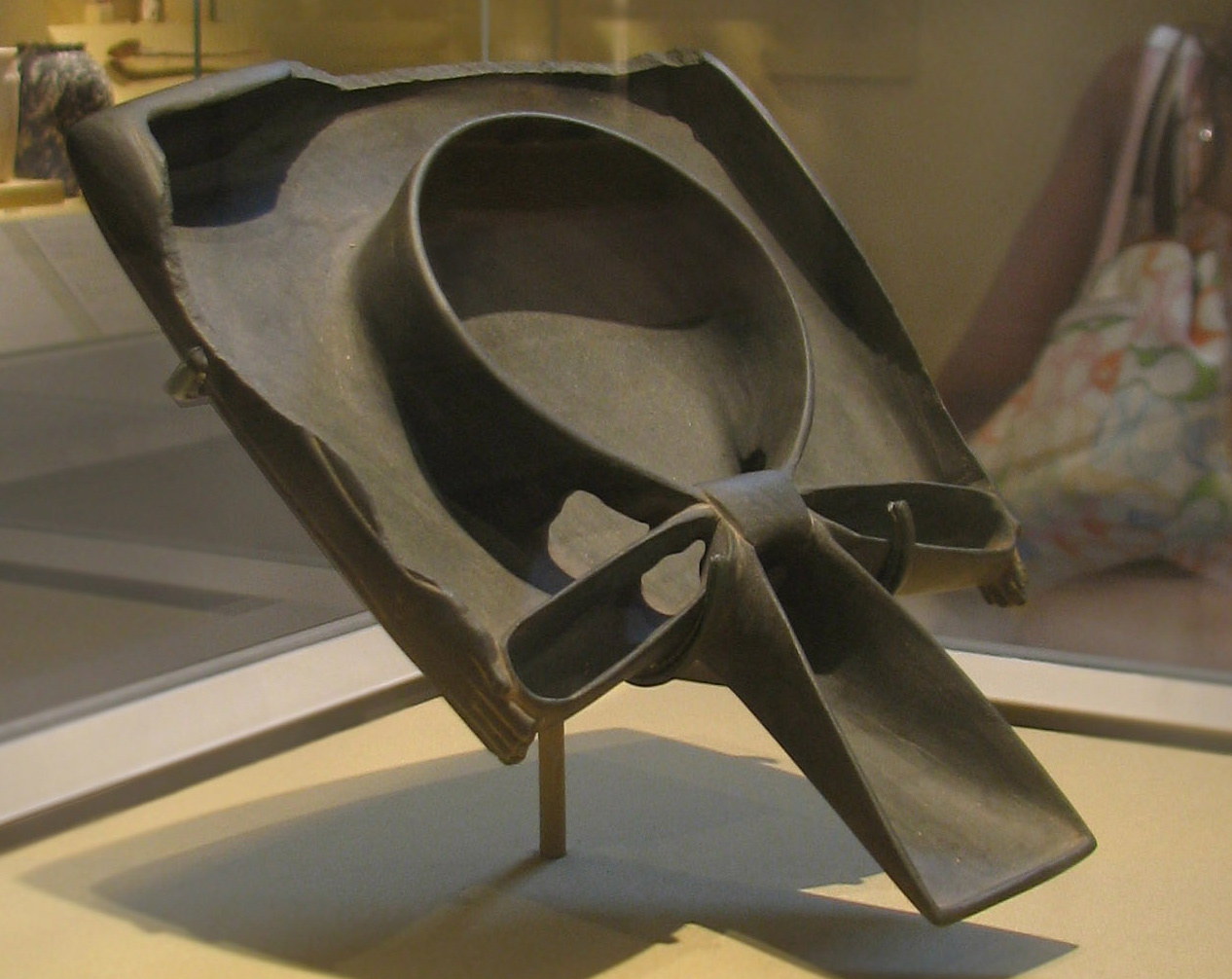 🇪🇬 Egypt and 2 moreAnkh
Ancient Egyptian hieroglyph for life and the amulet that carries its meaningCharm · Protection · Power and authority Historical
 🇬🇷 Greece and 5 moreNecromancy
A form of divination that seeks to speak with the dead for hidden knowledge.Tradition · Seeing and foretelling · Power and authority Historical
 🇬🇧 United Kingdom and 1 moreEnochian magic
A Renaissance system of ceremonial magic using a constructed language said to be revealed by angels.Tradition · Speaking with spirits and the dead · Power and authority Living
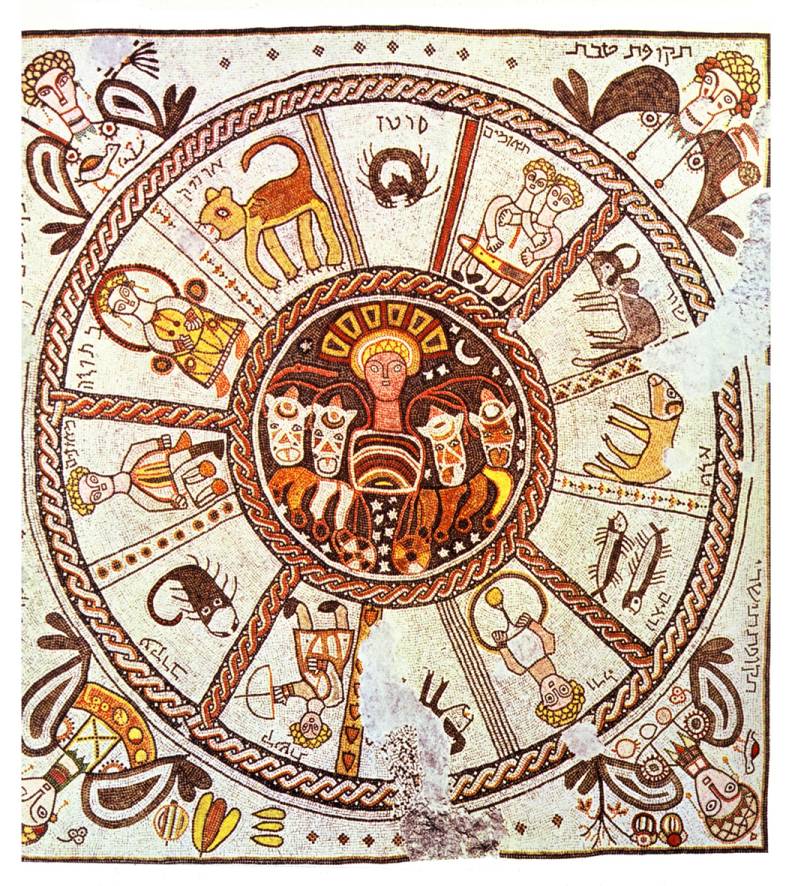 🇮🇱 IsraelJewish astrologyמַזָּלוֹת (mazzālôt)
A belief system within Judaism that celestial bodies influence earthly affairs and human destiny.Belief · Seeing and foretelling · Power and authority Historical
 🇮🇱 Israel and 5 moreAstaroth
An arch-demon in Western occultism, derived from the ancient goddess Astarte.Being · Power and authority · Cursing and harm Historical
 🇷🇸 Serbia and 5 moreWolves in folklore, religion and mythology
A global survey of how cultures view the wolf as symbol, spirit or threatBelief · Power and authority · Cursing and harm Historical
 🇮🇱 Israel and 1 moreTeraphimתרפים
Ancient Hebrew household figures linked to ancestry, property rights and divinationBeing · Seeing and foretelling · Luck and prosperity Historical
🇮🇱 Israel and 1 moreTerritorial spirit
A belief that demons or angels rule over specific lands and nations.Belief · Cursing and harm · Power and authority Living
🇮🇱 IsraelShekhinahשְׁכִינָה
The divine presence of God dwelling among people in Jewish and Islamic thoughtBelief · Speaking with spirits and the dead · Power and authority Living
🇮🇱 Israel and 1 moreRighteous Priest
A messianic priestly figure in Jewish eschatology, identified with Shem and Melchizedek.Figure · Power and authority Historical
🇮🇱 IsraelMessiah ben Josephמָשִׁיחַ בֶּן־יוֹסֵף
A Jewish eschatological figure who wages war and dies before the final age of peaceFigure · Cursing and harm · Power and authority Historical
 🇮🇱 IsraelBabalon
A Thelemic goddess of fertility, ecstasy, and spiritual transformation.Being · Change and initiation · Power and authority Living
 🇮🇱 IsraelSeder hishtalshelusסדר השתלשלות
A Kabbalistic cosmology mapping the descent of divine light through spiritual realms to the physical world.Belief · Power and authority · Wonder and entertainment Living
 🇮🇱 IsraelMelchom
A demon of hell and former Ammonite idol described in the Dictionnaire InfernalBeing · Power and authority Historical
 🇮🇱 Israel and 1 moreAna BeKoachאנא בכח
A medieval Jewish liturgical poem linked to the 42-letter name of GodText · Power and authority · Protection Living
 🇮🇷 Iran and 5 moreKhidrالخضر
A Qur'anic guide and saint believed to hold hidden wisdom and aid those in need.Being · Seeing and foretelling · Power and authority Living
 🇮🇱 Israel and 2 moreStaff of Mosesmaṭṭeh
A walking stick with miraculous powers in Jewish and Islamic traditionCharm · Power and authority · Healing Historical
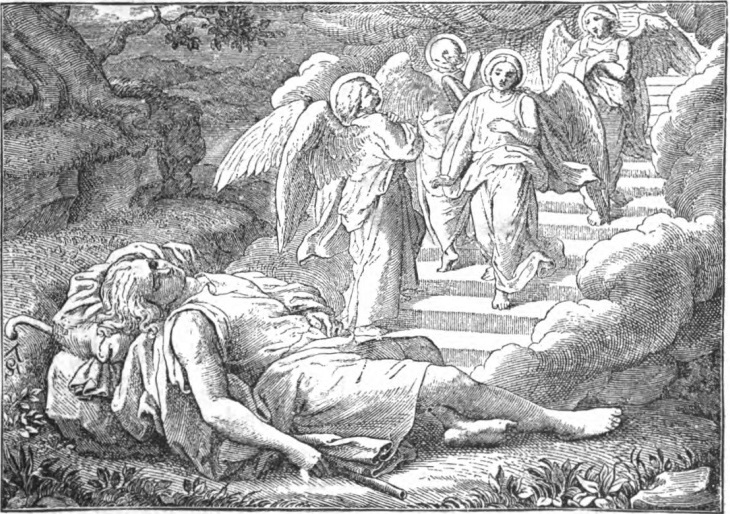 🇮🇱 Israel and 2 moreStone of Jacob
A biblical stone linked to a patriarch's vision and later claimed by Scottish coronation loreCharm · Power and authority Historical
 🇮🇱 Israel and 1 moreMicah's Idol
A carved image and silver idol from the Book of Judges, stolen by the Tribe of Dan.Belief · Power and authority Historical
🇮🇱 Israel and 5 moreJewish views on astrologyחָכְמַת הַמַּזָּלוֹת
A long-standing debate within Jewish thought about the influence of stars and planetsBelief · Seeing and foretelling · Power and authority Historical
Photo credits on this page
The small pictures above come from Wikimedia Commons under free licences. Some are cropped to fit.
- Wolves in folklore, religion and mythology: Unknown author, CC0, source
- Leviathan: Gustave Doré, Public domain, source
- Necromancy: Unknown author, CC BY 4.0, source
- Gematria: Bethsheba Ashe, CC BY-SA 4.0, source
- Enochian magic: The .:X, CC BY-SA 3.0, source
- Shimon bar Yochai: איתי פרץ, Attribution, source
- Jewish views on astrology: Talmoryair, Public domain, source
- Staff of Moses: John Everett Millais, Public domain, source
- Astaroth: M. Jarrault, Public domain, source
- Ana BeKoach: Baruch Zvi Ring (c. 1872 - 1927) Details on Google Art Project, Public domain, source
- Melchom: Louis Le Breton, Public domain, source
- Babalon: William Blake, Public domain, source
- Ankh: Soutekh67, CC BY-SA 4.0, source
- Teraphim: Athanasius Kircher, Public domain, source
- Khidr: Unknown author, Public domain, source
- Seder hishtalshelus: Daderot, Public domain, source
- Micah's Idol: Avner, CC BY-SA 4.0, source
- Stone of Jacob: Unknown author, Public domain, source
The weekly digest
Every Monday: seven entries you may not know, what is on the calendar this week, and one rite drawn step by step.