Folk and village custom: magic in this belief world
Rural and household beliefs that belong to no single organised religion.
Folk and village custom is the large body of belief and practice that belongs to no organised religion: the charm against the evil eye, the cure for warts, the fairy hawthorn, the household spirit, the lucky day. It is passed within families and communities and exists in every society. This page looks at how it is kept, who keeps it, and why it is both valued and dismissed. It is also called popular religion, vernacular religion or lived religion by scholars.
Keepers and settings
Keepers are often older women, farmers, midwives, shepherds and craftsmen. Settings are the house, field, well, crossroads and church porch. European cunning folk offered help for fees and kept charms and books. In many Asian and African villages the specialist is a healer, a diviner or a spirit medium working beside religion. The same grandmother may light a candle at church, tie a thread on a child and say a charm for a burn, and see no conflict between them.
Names and labels
The same thing carries many names: the evil eye is the nazar, mal de ojo and ayin hara. Folklorists collected such customs from the nineteenth century, sometimes as relics of a vanished past and sometimes as living culture. The label folk also marks class, since the term often implies rural, poor or uneducated, a bias that modern scholars try to avoid. Where the village has a wise woman or a bone-setter, the community knows what to ask of her and what she will refuse to do.
Religion, state and reform
Churches, mosques and temples have absorbed, tolerated and condemned folk practice in turn. States have banned it as backward: Chinese campaigns against superstition in the twentieth century closed local temples and shrines, and Soviet policy targeted village healers. At times governments have turned to it as national heritage, as in revived festivals across Europe and Asia. Historians and folklorists note that it often keeps old customs alive within newer religions, such as lighting fires at midsummer within Christian saints' days.
Change and commerce
Urban life and migration thin out folk knowledge, while heritage projects and the internet gather it. Customs reappear as products, such as protective charms in shops and festival tourism. Some folk practice carries harm: village accusation of witchcraft, treatments that delay medical care, and fees charged to relieve fear. Illness needs real medical care. In places with active heritage movements, folk custom has become a source of pride, and young people record songs and cures from grandparents before they are lost.
Folk and village custom on EveryJaadu
The entries written up so far, best known first.
 🇨🇳 China and 1 moreAncestor veneration in China中國傳統宗法性宗教
Rites for dead kin who are thought to watch over the familyTradition · Protection · Speaking with spirits and the dead Living
🇨🇳 China and 1 moreAncestor veneration in China中國傳統宗法性宗教
Rites for dead kin who are thought to watch over the familyTradition · Protection · Speaking with spirits and the dead Living
 🇨🇦 Canada and 1 moreTotemdoodem
A spirit or symbol linking a group to nature, from Ojibwe clan systems to Australian kinshipBelief · Speaking with spirits and the dead · Power and authority Living
🇨🇦 Canada and 1 moreTotemdoodem
A spirit or symbol linking a group to nature, from Ojibwe clan systems to Australian kinshipBelief · Speaking with spirits and the dead · Power and authority Living
 🇲🇽 MexicoOfrenda
A Mexican home altar built to welcome the souls of the dead during Día de los MuertosTradition · Speaking with spirits and the dead Living
🇲🇽 MexicoOfrenda
A Mexican home altar built to welcome the souls of the dead during Día de los MuertosTradition · Speaking with spirits and the dead Living
 🇮🇹 Italy and 3 moreSaturnalia
An ancient Roman winter festival of role reversal and feasting in honor of SaturnTradition · Luck and prosperity · Wonder and entertainment Historical
🇮🇹 Italy and 3 moreSaturnalia
An ancient Roman winter festival of role reversal and feasting in honor of SaturnTradition · Luck and prosperity · Wonder and entertainment Historical
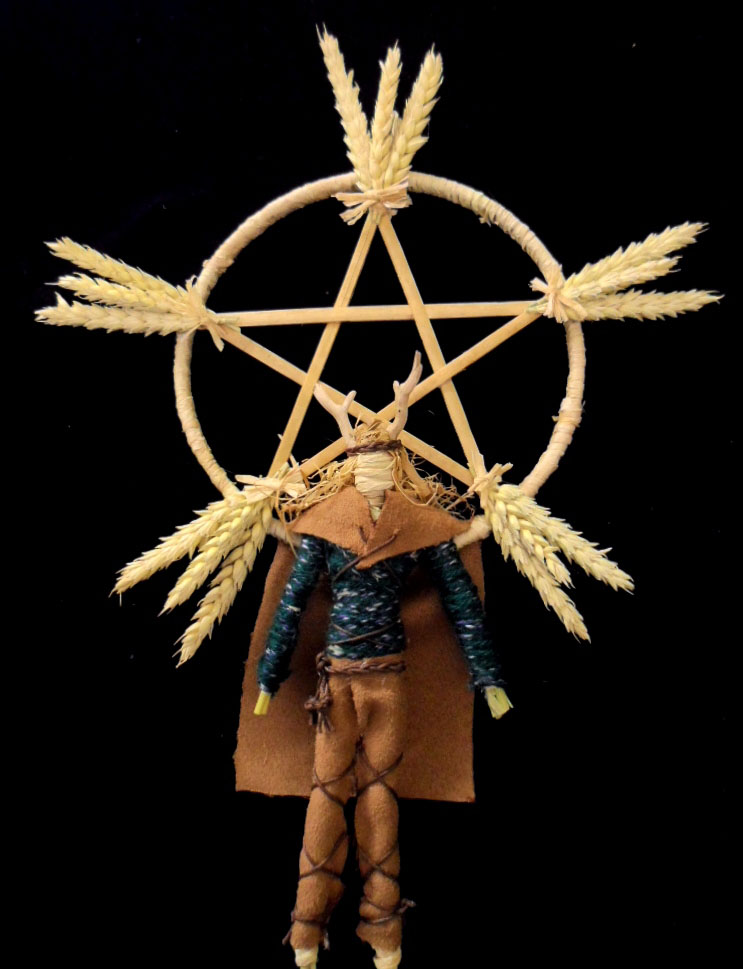 🇮🇪 Ireland and 1 moreLughnasadhLúnasa
A Gaelic harvest festival marking the beginning of the grain gathering seasonTradition · Luck and prosperity · Speaking with spirits and the dead Living
🇮🇪 Ireland and 1 moreLughnasadhLúnasa
A Gaelic harvest festival marking the beginning of the grain gathering seasonTradition · Luck and prosperity · Speaking with spirits and the dead Living
 🇺🇸 United StatesHex sign
Pennsylvania Dutch barn symbols that range from folk art to talismansCharm · Protection · Wonder and entertainment Living
🇺🇸 United StatesHex sign
Pennsylvania Dutch barn symbols that range from folk art to talismansCharm · Protection · Wonder and entertainment Living
 🇬🇧 United Kingdom and 5 moreDruidry
A modern nature religion inspired by ancient Celtic priests and Romantic idealsTradition · Protection · Speaking with spirits and the dead Living
🇬🇧 United Kingdom and 5 moreDruidry
A modern nature religion inspired by ancient Celtic priests and Romantic idealsTradition · Protection · Speaking with spirits and the dead Living
 🇲🇽 Mexico and 5 moreSanta MuerteNuestra Señora de la Santa Muerte
A female skeletal folk saint in Mexico and the Americas, worshipped for protection, healing, and safe passage.Tradition · Protection · Healing Living
🇲🇽 Mexico and 5 moreSanta MuerteNuestra Señora de la Santa Muerte
A female skeletal folk saint in Mexico and the Americas, worshipped for protection, healing, and safe passage.Tradition · Protection · Healing Living
 🇲🇽 Mexico and 5 moreFolk Catholicism
Local religious customs that blend official Church teaching with indigenous or regional traditions.Tradition · Protection · Healing Living
🇲🇽 Mexico and 5 moreFolk Catholicism
Local religious customs that blend official Church teaching with indigenous or regional traditions.Tradition · Protection · Healing Living
 🇦🇹 Austria and 3 morePerchtaPercht
A Alpine goddess of winter who rewards diligence and punishes laziness during the twelve days after Christmas.Being · Luck and prosperity · Cursing and harm Revived
🇫🇷 France and 4 moreRéveillon
A long Christmas or New Year's Eve dinner held to stay awake until morningTradition · Luck and prosperity · Wonder and entertainment Living
🇦🇹 Austria and 3 morePerchtaPercht
A Alpine goddess of winter who rewards diligence and punishes laziness during the twelve days after Christmas.Being · Luck and prosperity · Cursing and harm Revived
🇫🇷 France and 4 moreRéveillon
A long Christmas or New Year's Eve dinner held to stay awake until morningTradition · Luck and prosperity · Wonder and entertainment Living
 🇦🇷 Argentina and 2 moreSan La Muerte
A skeletal folk saint venerated in South America for protection and favorsTradition · Protection · Healing Living
🇦🇷 Argentina and 2 moreSan La Muerte
A skeletal folk saint venerated in South America for protection and favorsTradition · Protection · Healing Living
 🇹🇷 Turkey and 1 moreTurkish folkloreTürk halk kültürü
A rich body of oral tales, jokes, and rituals from Turkey and the Turkic worldTradition · Protection · Healing Living
🇹🇷 Turkey and 1 moreTurkish folkloreTürk halk kültürü
A rich body of oral tales, jokes, and rituals from Turkey and the Turkic worldTradition · Protection · Healing Living
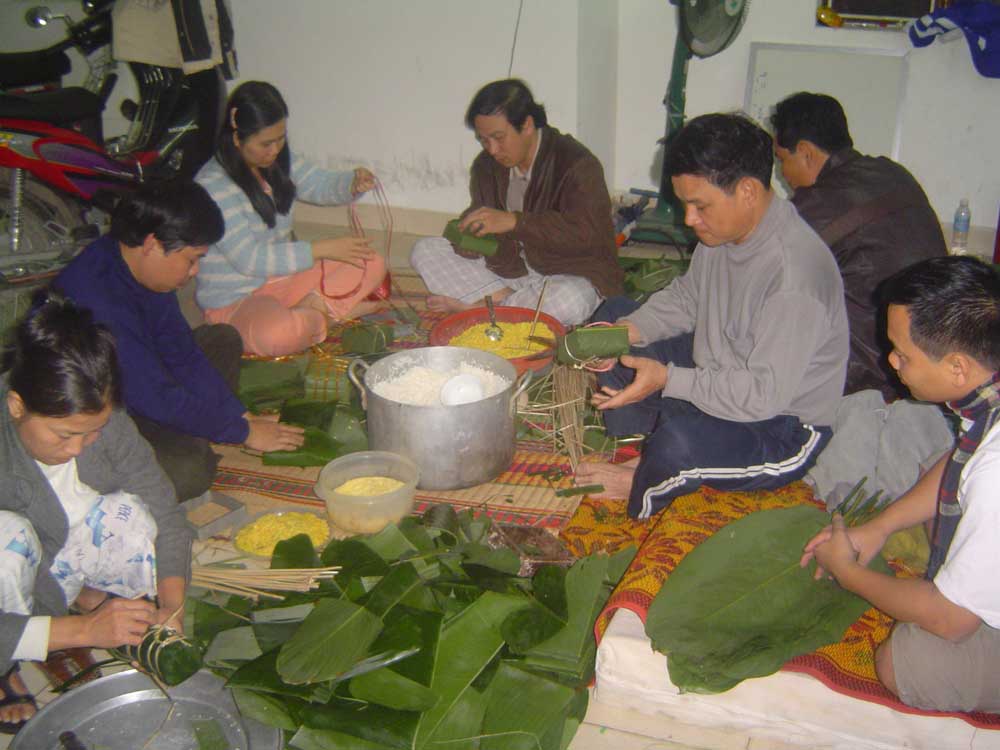 🇻🇳 Vietnam and 5 moreTếtTết Nguyên Đán
The Vietnamese lunisolar new year and the most important annual celebration in VietnamTradition · Luck and prosperity · Speaking with spirits and the dead Living
🇻🇳 Vietnam and 5 moreTếtTết Nguyên Đán
The Vietnamese lunisolar new year and the most important annual celebration in VietnamTradition · Luck and prosperity · Speaking with spirits and the dead Living
 🇵🇪 Peru and 5 morePalo Santo
Aromatic wood used in South American ritual cleansing and folk medicineSubstance · Cleansing and purification · Healing Living
🇵🇪 Peru and 5 morePalo Santo
Aromatic wood used in South American ritual cleansing and folk medicineSubstance · Cleansing and purification · Healing Living
 🇳🇿 New Zealand and 5 moreFace tattoo
Marks inked on the face for spiritual protection, identity, rank, and rite of passageTradition · Protection · Power and authority Living
🇳🇿 New Zealand and 5 moreFace tattoo
Marks inked on the face for spiritual protection, identity, rank, and rite of passageTradition · Protection · Power and authority Living
 🇺🇸 United States and 2 moreSpiritualism
A nineteenth-century religious movement focused on communicating with the dead.Tradition · Speaking with spirits and the dead Historical
🇺🇸 United States and 2 moreSpiritualism
A nineteenth-century religious movement focused on communicating with the dead.Tradition · Speaking with spirits and the dead Historical
 🇺🇸 United States and 1 moreBarnstar
A painted or carved star used to decorate barns in parts of the United States and Canada.Charm · Luck and prosperity · Wonder and entertainment Living
🇺🇸 United States and 1 moreBarnstar
A painted or carved star used to decorate barns in parts of the United States and Canada.Charm · Luck and prosperity · Wonder and entertainment Living
 🇱🇦 Laos and 3 moreTai folk religionສາສະໜາຜີ
Spirits, ancestor rites, and soul-calling ceremonies of the Tai peoplesTradition · Protection · Healing Living
🇱🇦 Laos and 3 moreTai folk religionສາສະໜາຜີ
Spirits, ancestor rites, and soul-calling ceremonies of the Tai peoplesTradition · Protection · Healing Living
 🇹🇳 TunisiaStambeli
A Tunisian music and possession rite practiced by Black communities of slave descentTradition · Healing · Protection Living
🇹🇳 TunisiaStambeli
A Tunisian music and possession rite practiced by Black communities of slave descentTradition · Healing · Protection Living
 🇯🇵 JapanChinkon kishin鎮魂帰神
A Japanese spiritual practice combining soul calming with spirit possessionRite · Speaking with spirits and the dead · Healing Living
🇧🇷 BrazilPro-VidaPró-Vida, Integração Cósmica
An occultist group founded in Brazil that promises cosmic consciousness and earthly paradise.Tradition · Change and initiation · Power and authority Living
🇯🇵 JapanChinkon kishin鎮魂帰神
A Japanese spiritual practice combining soul calming with spirit possessionRite · Speaking with spirits and the dead · Healing Living
🇧🇷 BrazilPro-VidaPró-Vida, Integração Cósmica
An occultist group founded in Brazil that promises cosmic consciousness and earthly paradise.Tradition · Change and initiation · Power and authority Living
 🇺🇸 United States and 2 moreBlack Hebrew Israelites
A religious movement claiming African Americans are descendants of ancient IsraelitesTradition · Speaking with spirits and the dead Living
🇺🇸 United States and 2 moreBlack Hebrew Israelites
A religious movement claiming African Americans are descendants of ancient IsraelitesTradition · Speaking with spirits and the dead Living
 🇺🇸 United StatesAshtar
A channeled extraterrestrial figure central to mid-century American ufology and New Age spiritualityBeing · Speaking with spirits and the dead · Seeing and foretelling Living
🇺🇸 United StatesAshtar
A channeled extraterrestrial figure central to mid-century American ufology and New Age spiritualityBeing · Speaking with spirits and the dead · Seeing and foretelling Living
 🇺🇸 United States and 5 moreSpiritualist church
A worship service led by a medium to communicate with the deceasedTradition · Speaking with spirits and the dead · Healing Living
🇺🇸 United States and 5 moreSpiritualist church
A worship service led by a medium to communicate with the deceasedTradition · Speaking with spirits and the dead · Healing Living
 🇨🇳 ChinaBenzhuism本主教
The indigenous patron worship of the Bai people in Yunnan, ChinaTradition · Protection · Healing Living
🇷🇺 Russia and 1 moreNew IsraelНовый Израиль
A Russian sectarian movement that established a farming commune in UruguayTradition Living
🇨🇳 ChinaBenzhuism本主教
The indigenous patron worship of the Bai people in Yunnan, ChinaTradition · Protection · Healing Living
🇷🇺 Russia and 1 moreNew IsraelНовый Израиль
A Russian sectarian movement that established a farming commune in UruguayTradition Living
 🇺🇸 United StatesMarmot Day
An Alaskan holiday celebrating local marmots and frontier culture, replacing Groundhog Day.Tradition · Luck and prosperity · Wonder and entertainment Living
🇺🇦 Ukraine and 5 moreBullroarer
A wooden slat on a string that produces a roaring sound for ritual and communication.Tradition · Protection · Speaking with spirits and the dead Living
🇨🇭 SwitzerlandSegen
A German term for blessing, charm, or spell rooted in Christian and folk traditions.Belief · Protection · Speaking with spirits and the dead Historical
🇷🇴 Romania and 5 moreMărțișor
A red and white string charm worn in early spring to welcome the seasonTradition · Protection · Luck and prosperity Living
🇺🇸 United StatesMarmot Day
An Alaskan holiday celebrating local marmots and frontier culture, replacing Groundhog Day.Tradition · Luck and prosperity · Wonder and entertainment Living
🇺🇦 Ukraine and 5 moreBullroarer
A wooden slat on a string that produces a roaring sound for ritual and communication.Tradition · Protection · Speaking with spirits and the dead Living
🇨🇭 SwitzerlandSegen
A German term for blessing, charm, or spell rooted in Christian and folk traditions.Belief · Protection · Speaking with spirits and the dead Historical
🇷🇴 Romania and 5 moreMărțișor
A red and white string charm worn in early spring to welcome the seasonTradition · Protection · Luck and prosperity Living
 🇹🇼 TaiwanYin miao陰廟
Temples for wandering spirits in Taiwanese folk religionTradition · Protection · Speaking with spirits and the dead Living
🇹🇼 TaiwanYin miao陰廟
Temples for wandering spirits in Taiwanese folk religionTradition · Protection · Speaking with spirits and the dead Living
 🇺🇸 United States and 1 moreDianism
A 19th-century American practice of sexual contact without ejaculationTradition · Power and authority Historical
🇺🇸 United States and 1 moreDianism
A 19th-century American practice of sexual contact without ejaculationTradition · Power and authority Historical
 🇯🇵 Japan and 1 moreChain letterFukou no Tegami
A message that demands copying and forwarding to avoid bad luck or gain fortuneBelief · Luck and prosperity · Cursing and harm Historical
🇯🇵 Japan and 1 moreChain letterFukou no Tegami
A message that demands copying and forwarding to avoid bad luck or gain fortuneBelief · Luck and prosperity · Cursing and harm Historical
 🇭🇹 HaitiHaitian CarnivalKanaval
A major Caribbean festival of music, dance, and satire leading to Mardi Gras in HaitiTradition · Wonder and entertainment · Luck and prosperity Living
🇭🇹 HaitiHaitian CarnivalKanaval
A major Caribbean festival of music, dance, and satire leading to Mardi Gras in HaitiTradition · Wonder and entertainment · Luck and prosperity Living
Photo credits on this page
The small pictures above come from Wikimedia Commons under free licences. Some are cropped to fit.
- Barnstar: Una Smith, CC BY-SA 4.0, source
- Chinkon kishin: Tomokiyo Yoshisane (友清歓真), also known as Tomokiyo Kyūgo (友清九吾), Public domain, source
- Tai folk religion: ( เทวประภาส มากคล้าย ), Tevaprapas, Public domain, source
- Stambeli: Youssefbensaad, CC BY-SA 4.0, source
- Folk saint: Sergio Serrano, CC BY-SA 2.0, source
- Ancestor veneration in China: Three huntings, CC BY-SA 4.0, source
- Totem: Jami430, CC BY-SA 4.0, source
- Ofrenda: Eneas de Troya, CC BY 2.0, source
- Saturnalia: Themadchopper, Antoine-François Callet, CC0, source
- Lughnasadh: Mountainash333, CC BY-SA 3.0, source
- Hex sign: Smallbones, CC0, source
- Druidry: TheJaySpearing, CC BY-SA 4.0, source
- Santa Muerte: Not home, Public domain, source
- Folk Catholicism: Calvin Hennick, for WBUR Boston, CC BY 3.0, source
- Spiritualism: Rossington, W. W. and Garrett, J. Ellwood, Public domain, source
- Black Hebrew Israelites: Elvert Barnes, CC BY-SA 2.0, source
- Dianism: Guillaume Seignac, Public domain, source
- Ashtar: Evedawn99, Public domain, source
- Benzhuism: G41rn8, CC BY-SA 4.0, source
- Perchta: Holger Uwe Schmitt, CC BY-SA 4.0, source
- Haitian Carnival: User:Doron, CC BY-SA 3.0, source
- Turkish folklore: Biser Todorov, CC BY-SA 4.0, source
- Tết: vi:Lưu Ly, Public domain, source
- Palo Santo: Haplochromis, CC BY-SA 3.0, source
- Face tattoo: Gottfried Lindauer, Public domain, source
- Chain letter: Alpha, CC BY-SA 2.0, source
- Marmot Day: Colin Canterbury/USFWS, Public domain, source
- Yin miao: Outlookxp, CC BY-SA 4.0, source
- Spiritualist church: Jim.henderson, CC0, source