Mediums and the possessed
People who host spirits, ancestors or gods and speak for them.
Mediums and the possessed are people who host spirits, ancestors or gods and speak for them. They include Vodou and Candomblé initiates mounted by a lwa or an orisha, Korean mudang, Balinese trance dancers, Sufi gatherings, the shrine mediums of South Asia, Zimbabwean spirit mediums and the Western spiritualist medium. This page looks at the role, who takes it, and the difference between religion and performance. They are among the most debated specialists in the guide.
Hosting a spirit
In possession traditions, a person is said to be ridden or mounted by a spirit, who then speaks, dances, gives advice or heals. The medium may remember little afterwards. In the West, spiritualist mediums describe hearing or sensing the dead and passing on messages. The experience is usually learned and framed within a community, which supports the person who goes into trance. Many follow rules such as dress, music, drumming, fasting and a prepared altar, and there are signs that mark a successful possession.
Gender, status and calling
Mediumship offers women a public voice in many societies. Korean mudang, Brazilian and Haitian priestesses, and many Spiritist and Pentecostal-style leaders are women. In some places the role follows illness or dreams, and refusing the call is said to bring more trouble. Social standing is mixed: respected within a house, stigmatised outside it. Mediums can be men, women or non-binary people, and some traditions, such as Candomblé, have been unusually open to gay and transgender priests.
Authority and suppression
Authorities have often feared mediums. Possession cults were banned by colonial governments, spirit mediums led resistance in Zimbabwe, and Brazilian Candomblé and Umbanda houses were once raided by police. Evangelical churches in Latin America and Africa often condemn possession as demonic, while offering their own version of the Holy Spirit's presence. Some governments now protect these religions, as Brazil did by constitutional freedom of worship. In Southeast Asia, Taiwan and Thailand, spirit mediums are consulted for business and luck, and some hold large public followings.
Fraud and scholarship
Fraudulent mediums have exploited the grieving, and the Fox sisters' admission in 1888 was only the best-known confession. Historians treat spiritualism as part of nineteenth-century culture, and psychologists describe dissociation as a recognised human capacity. Researchers also note that mediums fulfil real social roles. Anyone grieving may want support from friends or a counsellor as well. Observers stress that possession is not a loss of will in the cultures that practise it, but a trained skill with its own rules, and that most mediums also act as counsellors.
Mediums and the possessed on EveryJaadu
The entries written up so far, best known first.
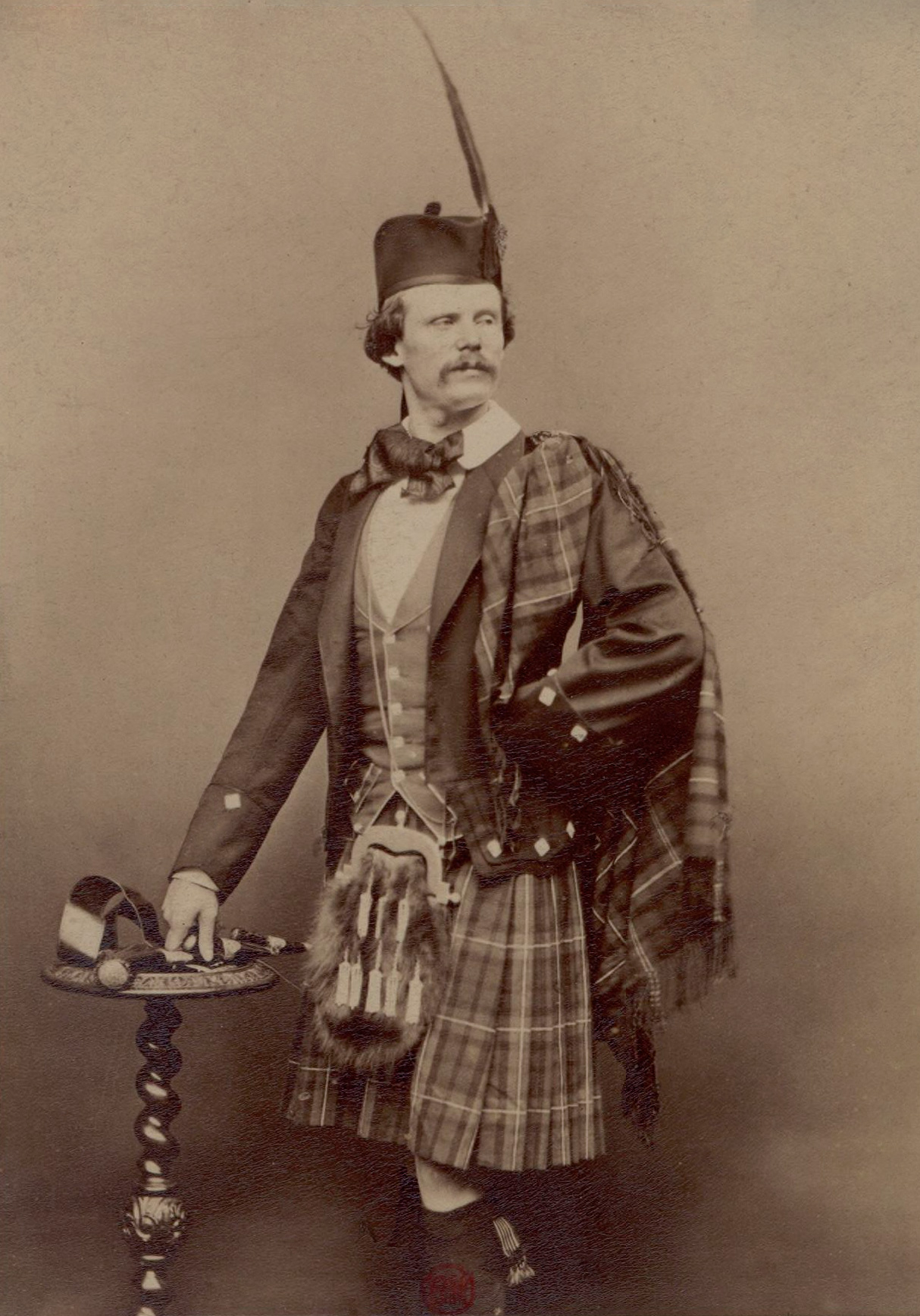 🇬🇧 United Kingdom and 2 moreDaniel Dunglas Home
A Scottish physical medium known for levitation and spirit communication during the Victorian era.Belief · Speaking with spirits and the dead · Wonder and entertainment Historical
🇬🇧 United Kingdom and 2 moreDaniel Dunglas Home
A Scottish physical medium known for levitation and spirit communication during the Victorian era.Belief · Speaking with spirits and the dead · Wonder and entertainment Historical
 🇮🇹 Italy and 3 moreEusapia Palladino
An Italian medium whose séances were investigated by leading scientists and magicians in the late nineteenth century.Illusion · Wonder and entertainment · Speaking with spirits and the dead Historical
🇮🇹 Italy and 3 moreEusapia Palladino
An Italian medium whose séances were investigated by leading scientists and magicians in the late nineteenth century.Illusion · Wonder and entertainment · Speaking with spirits and the dead Historical
 🇺🇸 United StatesFox sisters
Three sisters from New York who launched the Spiritualism movement with spirit rapping séancesTradition · Speaking with spirits and the dead Historical
🇧🇷 Brazil and 1 moreQuimbanda
An Afro-Brazilian religion focused on male and female street spirits for worldly mattersTradition · Protection · Luck and prosperity Living
🇺🇸 United StatesFox sisters
Three sisters from New York who launched the Spiritualism movement with spirit rapping séancesTradition · Speaking with spirits and the dead Historical
🇧🇷 Brazil and 1 moreQuimbanda
An Afro-Brazilian religion focused on male and female street spirits for worldly mattersTradition · Protection · Luck and prosperity Living
 🇺🇸 United States and 3 moreMediumship
The practice of mediating communication between the living and spirits of the dead.Tradition · Speaking with spirits and the dead Living
🇺🇸 United States and 3 moreMediumship
The practice of mediating communication between the living and spirits of the dead.Tradition · Speaking with spirits and the dead Living
 🇺🇸 United States and 2 moreSéance
A gathering to communicate with spirits, ranging from religious services to stage performances.Rite · Speaking with spirits and the dead · Healing Living
🇺🇸 United States and 2 moreSéance
A gathering to communicate with spirits, ranging from religious services to stage performances.Rite · Speaking with spirits and the dead · Healing Living
Photo credits on this page
The small pictures above come from Wikimedia Commons under free licences. Some are cropped to fit.
- Daniel Dunglas Home: Nadar, Public domain, source
- Mediumship: Harvey Metcalfe, Public domain, source
- Eusapia Palladino: Baldi., Public domain, source
- Séance: Unknown author, Public domain, source
- Fox sisters: N. Currier (Firm), Public domain, source