Books and texts
Grimoires, magical papyri, Kabbalistic and Hermetic works and the manuals of cunning folk.
Magical texts are the books, scrolls and papyri that record spells, rites and lore: the Greek Magical Papyri, the Hebrew Sefer Yetzirah and the Zohar, the Picatrix, the Key of Solomon, the Grimorium Verum, the Hindu Atharvaveda, the Egyptian Book of the Dead, the Chinese Taoist ritual manuals and the grimoires of the European cunning folk. This page asks what these texts are, who wrote and read them, and why their authority is complicated.
What the texts are
Some are scripture, such as the Atharvaveda, which contains charms and healing hymns beside its worship. Some are handbooks, like the Greek Magical Papyri from Roman Egypt, which mix Greek, Egyptian and Jewish elements. Some are medieval compendia, such as the Arabic Picatrix. Many European grimoires were printed cheaply and passed hand to hand, and names such as Solomon were attached to give them credit. Some are tiny, such as a few lines on a papyrus strip folded into a case, and some run to hundreds of pages, but all were handled by a small number of people.
Readers and gatekeepers
Literacy mattered. A text of magic could only be used by someone who could read, copy and, often, read Latin, Hebrew or Arabic. That made the learned magician a figure of the elite and left village healers with oral knowledge. In Ethiopia, the debtera, a church-trained scribe, writes protective scrolls. In Java and Malaysia, Quranic and Sanskrit-derived texts are kept by family teachers. Where a text was in a sacred language, the ritual use sometimes outran the meaning, and people recited words they could not translate because the sound itself was held to matter.
Censorship and burning
Texts have been burned. The Church placed books of magic on its Index, Chinese dynasties restricted books of divination, and Qing and later authorities attacked books they saw as superstition. The Nazi regime closed occult lodges and seized their libraries. What we now know of some practices survives because inquisitors, in transcribing confiscated books, kept copies. Preservation depends on accident as well as intention: papyri survived in the dry sands of Egypt, while many paper books of village healers were lost when families moved or owners died.
Authenticity and the market
Many famous grimoires are not as old as they claim. The Sixth and Seventh Books of Moses is a nineteenth-century compilation. Scholars study such works to see how people imagined power, not to test it. Modern editions and online copies are popular, and some publishers present them as ready-to-use manuals, which the guide treats as a matter of belief and not of instruction. Collectors, museums and antiquarian dealers now trade in old manuscripts, and some forgeries sell as originals, which is another reason scholars check provenance.
Text on EveryJaadu
The entries written up so far, best known first.
 🇪🇸 SpainDirectorium Inquisitorum
A 14th-century manual for inquisitors on heresy, magic, and trial procedureText · Cursing and harm · Power and authority Historical
 🇪🇬 Egypt and 2 moreSibylline Oracles
A collection of prophetic verses blending pagan myth with Jewish and Christian theologyText · Seeing and foretelling · Speaking with spirits and the dead Historical
 🇬🇧 United KingdomGeoffrey of MonmouthGruffudd ap Arthur
A medieval cleric whose writings shaped the King Arthur legend and British myth.Text · Power and authority Historical
 🇮🇹 Italy and 3 moreRenaissance magic
A 15th and 16th century revival of magical arts blending philosophy, astrology, and hidden knowledge.Tradition · Power and authority · Seeing and foretelling Historical
 🇷🇸 Serbia and 3 moreSerbian folkloreСрпски фолклор
The folk traditions and epic poetry of the Serbs, blending pre-Christian customs with Orthodox faith.Tradition · Speaking with spirits and the dead · Power and authority Living
 🇮🇱 Israel and 5 moreTetragrammatonיהוה
The four-letter Hebrew name of God in the Bible, treated with reverence and silence by Jewish tradition.Text · Speaking with spirits and the dead Living
 🇫🇷 France and 1 moreNostradamus
A French astrologer and physician known for his book of poetic propheciesText · Seeing and foretelling · Healing Historical
 🇬🇧 United Kingdom and 1 moreJohn Dee
An English scholar and advisor to Elizabeth I who pursued angelic communication through scrying.Tradition · Speaking with spirits and the dead · Seeing and foretelling Historical
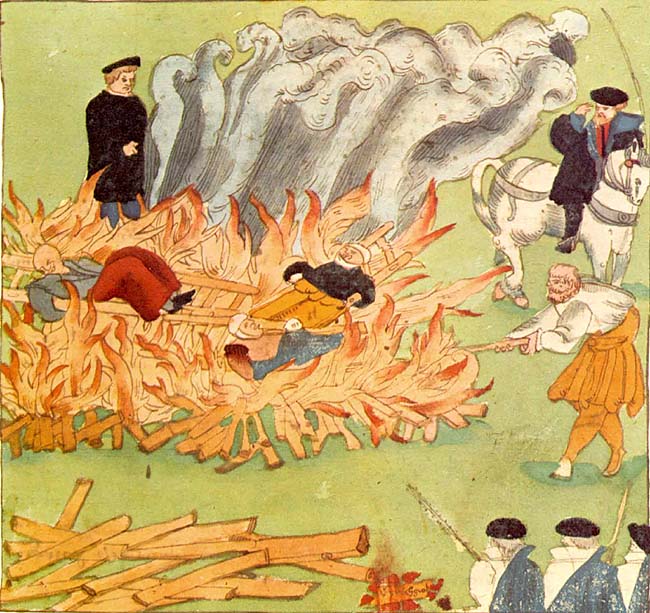 🇩🇪 GermanyMalleus Maleficarum
A 15th-century manual on witchcraft written by Heinrich KramerText · Cursing and harm · Binding and oaths Historical
 🇫🇷 FranceÉliphas Lévi
A French writer who shaped modern occult thought and ceremonial magic.Figure · Power and authority · Change and initiation Historical
🇩🇪 GermanyChymical Wedding of Christian RosenkreutzChymische Hochzeit Christiani Rosencreutz anno 1459
An allegorical romance describing an alchemical initiation and royal wedding in a miraculous castle.Text · Change and initiation · Wonder and entertainment Historical
 🇮🇱 Israel and 3 moreGematriaגימטריה
A numeric writing system that assigns numerical values to words and phrases for interpretation.Text · Seeing and foretelling · Power and authority Living
 🇮🇹 ItalyMarsilio Ficino
A Renaissance priest and philosopher who revived Plato and blended astrology with Christian theology.Text · Speaking with spirits and the dead · Healing Historical
 🇫🇷 FranceThree Books of Occult PhilosophyDe occulta philosophia libri III
A Renaissance treatise on elemental, celestial, and divine magic by Heinrich Cornelius AgrippaText · Healing · Protection Historical
 🇪🇸 Spain and 5 moreAlfonso X of Castileel Sabio
A medieval king who sponsored astronomical tables and translated works on magic and astrology.Text · Power and authority · Seeing and foretelling Historical
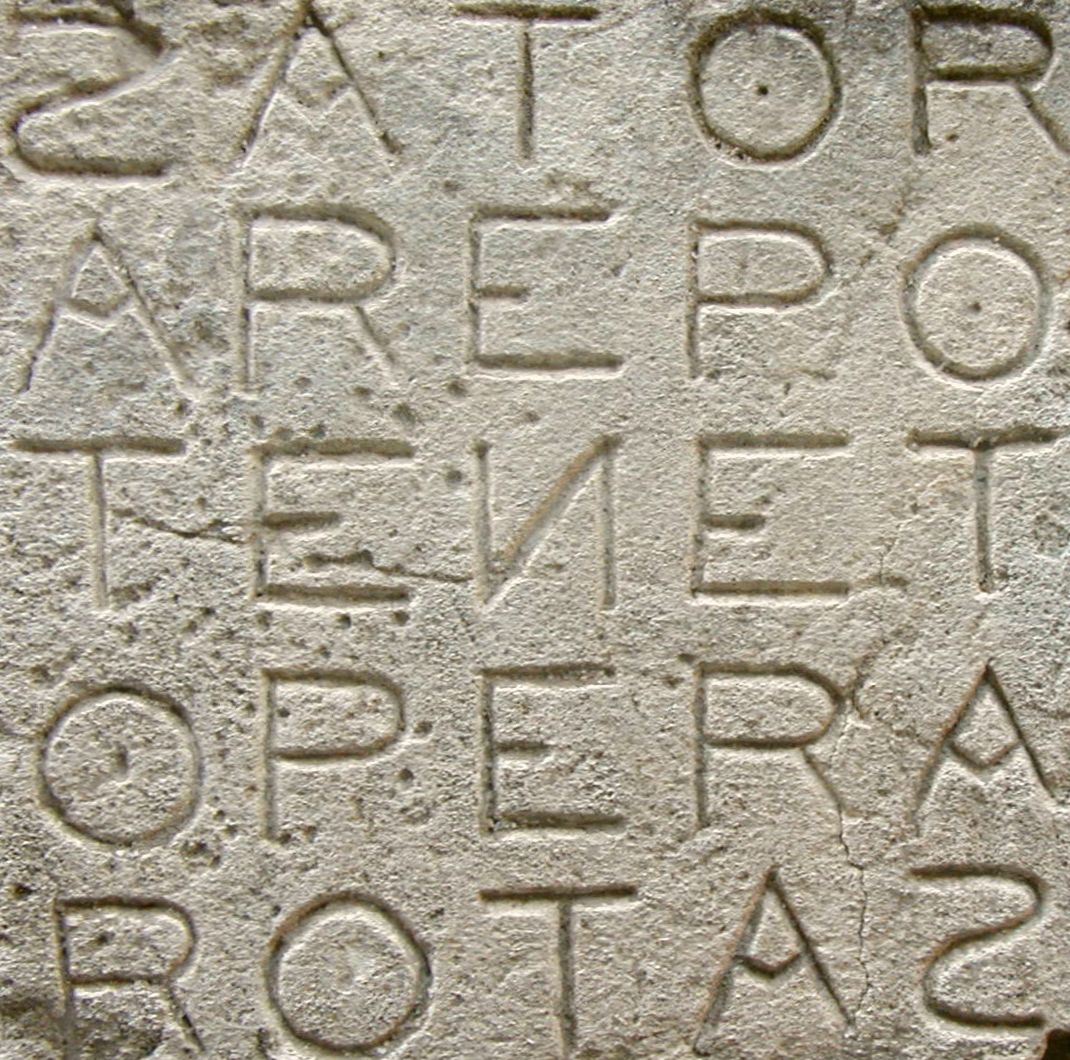 🇮🇹 Italy and 5 moreSator Square
A five-word Latin palindrome found in Roman ruins and medieval churchesCharm · Protection · Healing Historical
 🇸🇪 Sweden and 4 moreEmanuel Swedenborg
An 18th-century Swedish scientist who became a mystic and claimed to visit the afterlife.Text · Speaking with spirits and the dead · Change and initiation Living
🇮🇪 IrelandLorica
A Hiberno-Scottish monastic prayer for protection against evilText · Protection Historical
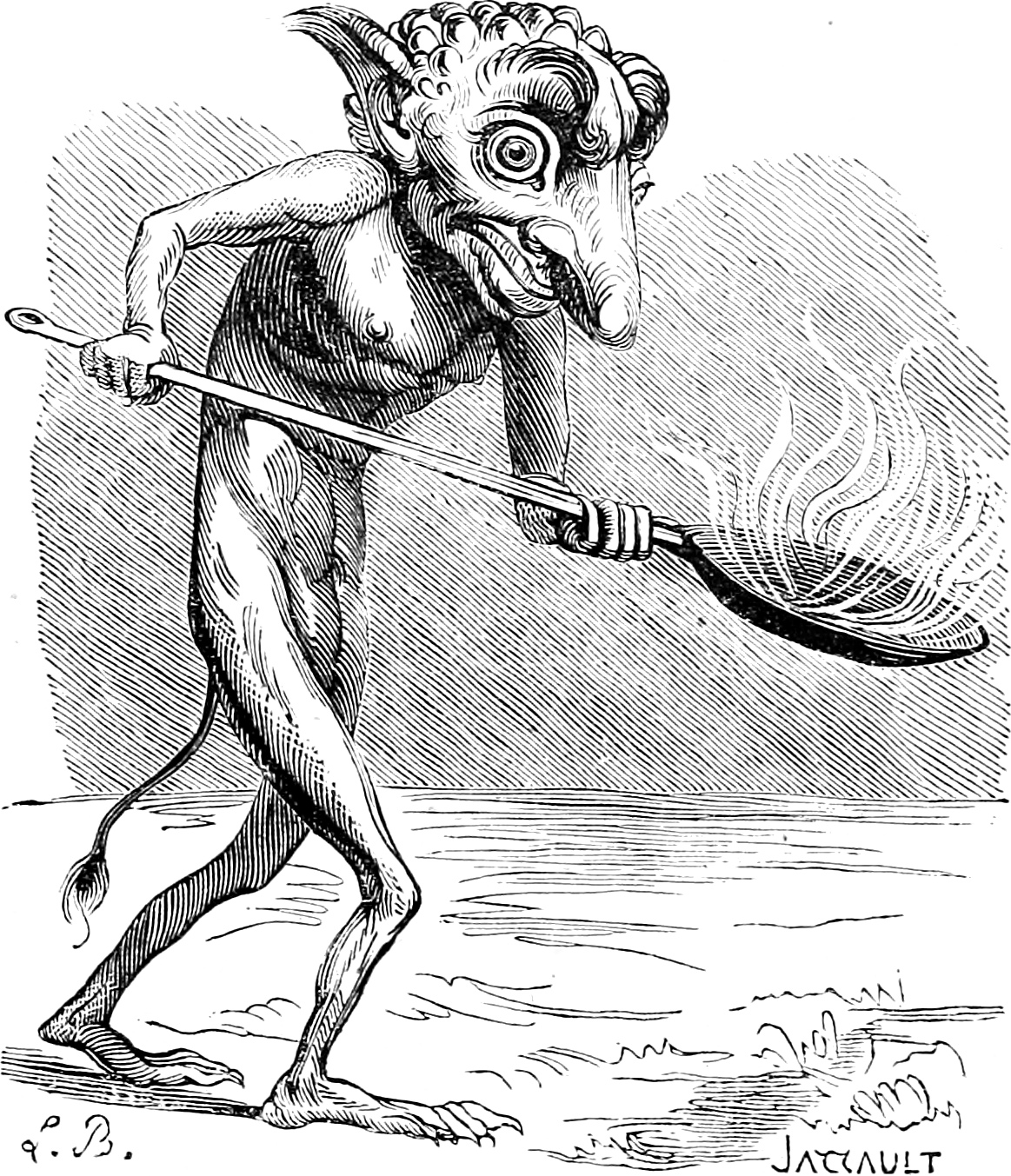 🇫🇷 FranceDictionnaire Infernal
A French demonology book cataloguing spirits and their hierarchies with engravings.Text · Power and authority Historical
 🇨🇿 Czech Republic and 1 moreCodex GigasObří kniha
A massive medieval manuscript known for its size and a portrait of Satan.Text · Power and authority Historical
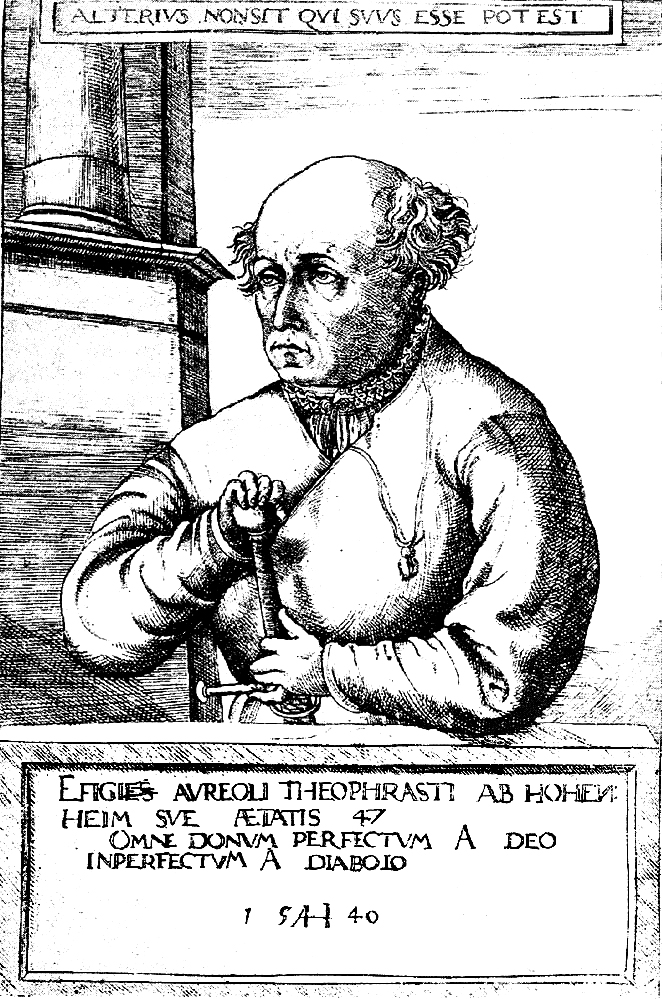 🇨🇭 SwitzerlandA Book on Nymphs, Sylphs, Pygmies, and Salamanders, and on the Other SpiritsEx Libro de Nymphis, Sylvanis, Pygmaeis, Salamandris et Gigantibus, etc
Paracelsus's late treatise on the spirits of the four classical elementsText · Speaking with spirits and the dead · Seeing and foretelling Historical
🇸🇾 Syria and 1 moreLots of the ApostlesSortes Apostolorum
A Christian divination text based on casting lots to seek guidance from the apostles.Text · Seeing and foretelling Historical
 🇮🇸 Iceland and 3 moreDeal with the Devil
A cultural trope of trading one's soul for worldly favours in exchange for demonic aidBelief · Power and authority · Cursing and harm Historical
🇬🇧 United KingdomProphecy of Melkin
A medieval Latin prophecy of a hidden grave at GlastonburyText · Seeing and foretelling Historical
🇩🇪 GermanyBuch der heiligen Dreifaltigkeit
A 15th-century German alchemical treatise that aligns chemical work with Christian theology.Text · Change and initiation Historical
 🇬🇧 United KingdomSaducismus Triumphatus
A 1681 English book defending witchcraft beliefs and attacking skepticsText · Cursing and harm Historical
Photo credits on this page
The small pictures above come from Wikimedia Commons under free licences. Some are cropped to fit.
- Directorium Inquisitorum: Nicolás Eymerich, Public domain, source
- Sibylline Oracles: Domenichino, Public domain, source
- Gematria: Bethsheba Ashe, CC BY-SA 4.0, source
- Marsilio Ficino: Marsilio Ficino, Public domain, source
- Three Books of Occult Philosophy: Heinrich Cornelius Agrippa, Public domain, source
- Alfonso X of Castile: Otto Posse (1847-1921), Public domain, source
- Sator Square: M Disdero, CC BY-SA 3.0, source
- Emanuel Swedenborg: Carl Frederik von Breda, Public domain, source
- Geoffrey of Monmouth: Colin Cheesman, CC BY-SA 2.0, source
- Natural magic: Unidentified painter, Public domain, source
- Dictionnaire Infernal: Louis Le Breton, Public domain, source
- Saducismus Triumphatus: unknown engraver of the 17th century, Public domain, source
- Codex Gigas: Herman the Recluse of the Benedictine monastery of Podlažice, Public domain, source
- Renaissance magic: Unknown author, Public domain, source
- Serbian folklore: Uroš Predić, Public domain, source
- Tetragrammaton: Lakisletter.gif : derivative work: Filii Henoch ( talk ), Public domain, source
- Nostradamus: After César de Notre-Dame, Public domain, source
- Deal with the Devil: Christoph, Public domain, source
- Malleus Maleficarum: Johann Jakob Wick, Public domain, source
- Éliphas Lévi: Eliphas Lévi [1810-1875], Public domain, source
- A Book on Nymphs, Sylphs, Pygmies, and Salamanders, and on the Other Spirits: A.Hirschvogel, Public domain, source