Magicians, witches and legendary figures
The wise woman, the sorcerer, the legendary mage: Merlin, Baba Yaga, Circe and their kin.
Magical figures are the people, real and legendary, who stand for magic: Merlin, Baba Yaga, Circe, Hermes Trismegistus, Dr John Dee, Madame Blavatsky, the sorcerer in a village story, the Bulgarian seer Baba Vanga, and the performers Houdini and Chung Ling Soo. Some lived, some are composite, and some are pure myth. This page looks at who becomes a magic figure, and why. They are described here as stories and as history, and kept apart.
Who becomes a figure
Figures often sit at the edge of society. In many stories the witch is an older woman living alone, the sorcerer a foreigner or a rival tribe, the wise man a hermit. Real figures include John Dee, adviser to Elizabeth I, and Agrippa, whose De occulta philosophia (1533) shaped European occultism. Others are legend: Merlin appears in Welsh and French tales, and Baba Yaga is a Slavic folk figure who both helps and threatens.
Gender and reputation
The witch figure has been mostly female in Europe, where trials in the sixteenth and seventeenth centuries killed tens of thousands of people, most of them women. In other places accusation falls on men, on the old, on the poor or on the outsider. The learned magician, by contrast, was often male, literate and protected by rank, a division that shows how class shaped who was punished. Not every figure carries a stigma: Chinese immortals, Indian rishis and Irish saints are honoured, and the line between holy person and magician depends on who is telling the story.
Colonial and modern use
Missionary and colonial writers often cast African and Indigenous healers as the witch-doctor, a term most communities reject. The word covers healers, diviners and rulers who had very different roles. Today, figures are re-used in fantasy and branding. The Merlin of modern fantasy films is a long way from the Welsh Myrddin, and the name of a real tradition may be turned into a costume. Their stories have also been tools of politics: rulers have claimed legendary magicians as ancestors, and enemies have painted rivals as sorcerers to justify their removal.
Scholars and the real person
Historians separate documented people from legend and warn that many reports of magicians were written by their enemies. Evidence for some famous names, including Hermes Trismegistus, who was long thought to be an Egyptian sage, turned out to be later Greek-language writings. Treating a figure as legend rather than biography is no insult to those who revere them. A figure who may be a real person with a name, a date and a grave belongs in a different category from a legend, even when popular memory blends them, and the entries here try to keep them separate.
Figure on EveryJaadu
The entries written up so far, best known first.
 🇮🇪 IrelandFour Treasures of the Tuatha Dé DanannCeithre Bhua na Tuath Dé Danann
Four magical items brought to Ireland by the mythological Tuatha Dé DanannFigure · Wonder and entertainment Legendary
🇮🇪 IrelandFour Treasures of the Tuatha Dé DanannCeithre Bhua na Tuath Dé Danann
Four magical items brought to Ireland by the mythological Tuatha Dé DanannFigure · Wonder and entertainment Legendary
 🇪🇪 EstoniaThe Dragon of the NorthPõhja konn
A legendary frog-like monster from Estonian folklore, later reimagined as a cultural guardian.Figure · Cursing and harm · Protection Legendary
🇮🇹 ItalyLariosauro
A lake monster legend from Lake Como, Italy, born from newspaper hoaxes and misidentified animals.Figure · Wonder and entertainment Legendary
🇮🇹 ItalyMonacielloMunaciello
A Neapolitan sprite linked to the city's underground waterways and hidden wealth.Figure · Luck and prosperity · Cursing and harm Legendary
🇪🇪 EstoniaThe Dragon of the NorthPõhja konn
A legendary frog-like monster from Estonian folklore, later reimagined as a cultural guardian.Figure · Cursing and harm · Protection Legendary
🇮🇹 ItalyLariosauro
A lake monster legend from Lake Como, Italy, born from newspaper hoaxes and misidentified animals.Figure · Wonder and entertainment Legendary
🇮🇹 ItalyMonacielloMunaciello
A Neapolitan sprite linked to the city's underground waterways and hidden wealth.Figure · Luck and prosperity · Cursing and harm Legendary
 🇫🇮 Finland and 1 moreLemminkäinen
A shaman-hero of Finnish and Karelian myth who dies and is resurrected by his motherFigure · Wonder and entertainment Legendary
🇫🇮 Finland and 1 moreLemminkäinen
A shaman-hero of Finnish and Karelian myth who dies and is resurrected by his motherFigure · Wonder and entertainment Legendary
 🇩🇪 Germany and 2 moreWitege
A Germanic legendary warrior who shifts from loyal companion to traitor in epic poems.Figure · Power and authority Legendary
🇮🇸 IcelandHjúki and Bil
A brother and sister pair from Norse mythology who follow the Moon across the skyFigure Legendary
🇩🇪 Germany and 2 moreWitege
A Germanic legendary warrior who shifts from loyal companion to traitor in epic poems.Figure · Power and authority Legendary
🇮🇸 IcelandHjúki and Bil
A brother and sister pair from Norse mythology who follow the Moon across the skyFigure Legendary
 🇬🇷 Greece and 1 moreSea Swine
A mythical sea creature depicted with dragon feet and a navel eye in early mapsFigure · Wonder and entertainment Legendary
🇮🇪 IrelandLeabharcham
A nurse in the Ulster Cycle who raised Deirdre and delivered a tragic verdictFigure Legendary
🇬🇷 Greece and 1 moreSea Swine
A mythical sea creature depicted with dragon feet and a navel eye in early mapsFigure · Wonder and entertainment Legendary
🇮🇪 IrelandLeabharcham
A nurse in the Ulster Cycle who raised Deirdre and delivered a tragic verdictFigure Legendary
 🇬🇧 United KingdomTom Thumb
A tiny English folk hero who outwits giants and serves King ArthurFigure · Wonder and entertainment Legendary
🇬🇧 United KingdomTom Thumb
A tiny English folk hero who outwits giants and serves King ArthurFigure · Wonder and entertainment Legendary
 🇦🇹 Austria and 3 moreSalige Frau
A blissful Alpine spirit who guides farmers and guards mountain gameFigure · Protection · Healing Legendary
🇦🇹 Austria and 3 moreSalige Frau
A blissful Alpine spirit who guides farmers and guards mountain gameFigure · Protection · Healing Legendary
 🇬🇧 United KingdomTom Hickathrift
A legendary giant-slayer of East Anglian folklore with prodigious strengthFigure Legendary
🇬🇧 United KingdomTom Hickathrift
A legendary giant-slayer of East Anglian folklore with prodigious strengthFigure Legendary
 🇳🇴 Norway and 1 moreBödvar BjarkiBöðvarr Bjarki
A Norse hero who fights as a bear and appears in legends of King Hrolf KrakiFigure · Power and authority Legendary
🇳🇴 Norway and 1 moreBödvar BjarkiBöðvarr Bjarki
A Norse hero who fights as a bear and appears in legends of King Hrolf KrakiFigure · Power and authority Legendary
 🇬🇧 United KingdomPiers Shonks
A legendary knight who slew a dragon and cheated the Devil in HertfordshireFigure · Cursing and harm · Wonder and entertainment Legendary
🇸🇪 SwedenYsätters-Kajsa
A wind-troll from Swedish folklore who danced with the gales of NärkeFigure · Cursing and harm · Luck and prosperity Legendary
🇬🇧 United KingdomPiers Shonks
A legendary knight who slew a dragon and cheated the Devil in HertfordshireFigure · Cursing and harm · Wonder and entertainment Legendary
🇸🇪 SwedenYsätters-Kajsa
A wind-troll from Swedish folklore who danced with the gales of NärkeFigure · Cursing and harm · Luck and prosperity Legendary
 🇦🇹 AustriaHaymon
A legendary giant of Tyrol who founded a monastery and defeated local spiritsFigure · Wonder and entertainment Legendary
🇫🇮 FinlandAjatar
An evil female spirit of Finnish folklore associated with serpents and diseaseFigure · Cursing and harm Legendary
🇦🇹 AustriaHaymon
A legendary giant of Tyrol who founded a monastery and defeated local spiritsFigure · Wonder and entertainment Legendary
🇫🇮 FinlandAjatar
An evil female spirit of Finnish folklore associated with serpents and diseaseFigure · Cursing and harm Legendary
 🇪🇸 SpainGatipedro
A horned cat from Galicia that makes children wet their bedsFigure · Cursing and harm Legendary
🇪🇸 SpainGatipedro
A horned cat from Galicia that makes children wet their bedsFigure · Cursing and harm Legendary
 🇦🇹 AustriaThyrsus
A Tyrolean giant from legend, associated with healing shale oil and a fatal duel.Figure Legendary
🇦🇹 AustriaThyrsus
A Tyrolean giant from legend, associated with healing shale oil and a fatal duel.Figure Legendary
 🇮🇹 ItalySatyress
A female mythological creature with a human upper body and goat lower half, invented by later artists.Figure · Wonder and entertainment Legendary
🇮🇹 ItalySatyress
A female mythological creature with a human upper body and goat lower half, invented by later artists.Figure · Wonder and entertainment Legendary
 🇧🇬 Bulgaria and 1 moreIspolinисполин
A legendary giant from Bulgarian folklore, said to be the second generation of Earth's inhabitants.Figure Legendary
🇧🇬 Bulgaria and 1 moreIspolinисполин
A legendary giant from Bulgarian folklore, said to be the second generation of Earth's inhabitants.Figure Legendary
 🇮🇪 IrelandCú Chulainn
A legendary Irish warrior hero and demigod of the Ulster CycleFigure · Power and authority Legendary
🇮🇪 IrelandCú Chulainn
A legendary Irish warrior hero and demigod of the Ulster CycleFigure · Power and authority Legendary
 🇮🇪 IrelandChildren of LirOidheadh chloinne Lir
An Irish myth about four siblings transformed into swans by a jealous stepmotherFigure · Wonder and entertainment Legendary
🇬🇧 United KingdomJoan the Wad
A Cornish pixie queen linked to fire and fortuneFigure · Luck and prosperity · Protection Legendary
🇬🇷 GreecePhemonoeΦημονόη
A mythic Greek poet and priestess of Delphi linked to prophecy and verseFigure Legendary
🇮🇪 IrelandChildren of LirOidheadh chloinne Lir
An Irish myth about four siblings transformed into swans by a jealous stepmotherFigure · Wonder and entertainment Legendary
🇬🇧 United KingdomJoan the Wad
A Cornish pixie queen linked to fire and fortuneFigure · Luck and prosperity · Protection Legendary
🇬🇷 GreecePhemonoeΦημονόη
A mythic Greek poet and priestess of Delphi linked to prophecy and verseFigure Legendary
 🇬🇷 GreecePasiphaëΠασιφάη
A Cretan queen and solar goddess cursed with lust for a bull, mother of the MinotaurFigure · Wonder and entertainment Legendary
🇬🇷 GreecePasiphaëΠασιφάη
A Cretan queen and solar goddess cursed with lust for a bull, mother of the MinotaurFigure · Wonder and entertainment Legendary
 🇬🇷 GreecePhoebeΦοίβη (Phoíbē)
A Titaness of prophecy and the original keeper of the Delphic oracleFigure · Seeing and foretelling Legendary
🇬🇷 GreecePhoebeΦοίβη (Phoíbē)
A Titaness of prophecy and the original keeper of the Delphic oracleFigure · Seeing and foretelling Legendary
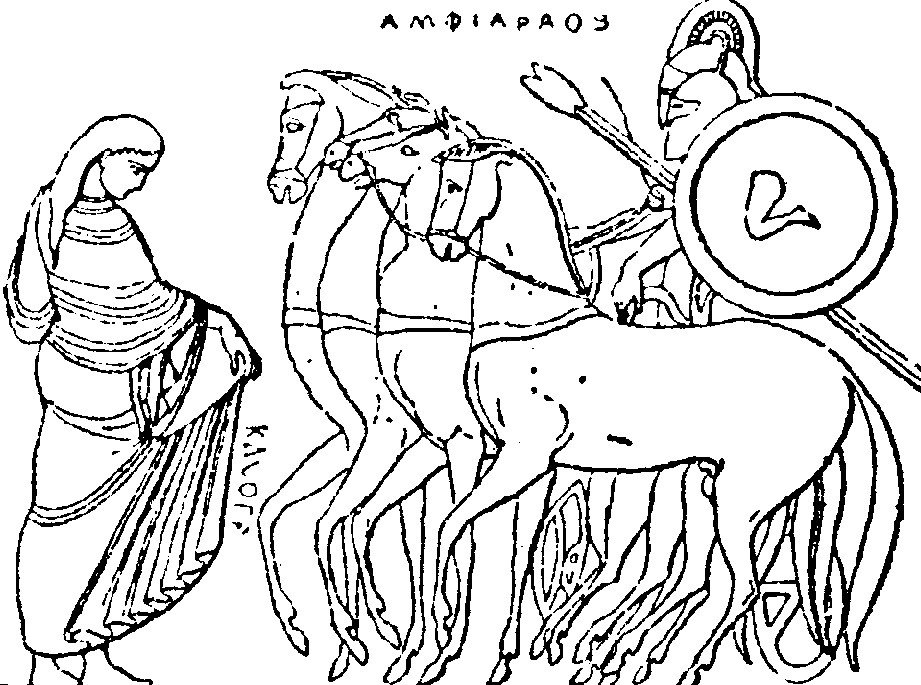 🇬🇷 Greece and 1 moreAmphiarausἈμφιάραος
A Greek seer and hero who became a healing oracle after being swallowed by the earth.Figure · Healing · Seeing and foretelling Legendary
🇬🇷 Greece and 1 moreAmphiarausἈμφιάραος
A Greek seer and hero who became a healing oracle after being swallowed by the earth.Figure · Healing · Seeing and foretelling Legendary
 🇬🇷 GreeceBranchusΒράγχος
A mortal lover of Apollo who became a prophet and founded an oracle cult in ancient Greece.Figure · Seeing and foretelling · Healing Legendary
🇬🇷 GreeceBranchusΒράγχος
A mortal lover of Apollo who became a prophet and founded an oracle cult in ancient Greece.Figure · Seeing and foretelling · Healing Legendary
 🇸🇮 SloveniaGiantess of Crngrobajdovska deklica
A Slovene giantess who helped build a church and left a rib as an omenFigure · Wonder and entertainment Legendary
🇸🇮 SloveniaGiantess of Crngrobajdovska deklica
A Slovene giantess who helped build a church and left a rib as an omenFigure · Wonder and entertainment Legendary
 🇨🇳 China and 3 moreSwan maiden
A folk motif where a man steals a bird-woman's feather cloak to force marriage.Figure · Love and attraction · Cursing and harm Legendary
🇨🇳 China and 3 moreSwan maiden
A folk motif where a man steals a bird-woman's feather cloak to force marriage.Figure · Love and attraction · Cursing and harm Legendary
 🇫🇷 France and 4 moreRobert the Devil
A medieval legend of a knight born to Satan who seeks redemptionFigure · Cursing and harm · Change and initiation Legendary
🇫🇷 France and 4 moreRobert the Devil
A medieval legend of a knight born to Satan who seeks redemptionFigure · Cursing and harm · Change and initiation Legendary
 🇬🇷 GreeceHorkosὍρκος
A Greek divine personification of the curse that follows a broken oathFigure · Cursing and harm Legendary
🇬🇷 GreeceHorkosὍρκος
A Greek divine personification of the curse that follows a broken oathFigure · Cursing and harm Legendary
 🇹🇷 Turkey and 1 moreMidasΜίδας
A Phrygian king from Greek myth who gained a golden touch and donkey earsFigure · Luck and prosperity · Cursing and harm Legendary
🇹🇷 Turkey and 1 moreMidasΜίδας
A Phrygian king from Greek myth who gained a golden touch and donkey earsFigure · Luck and prosperity · Cursing and harm Legendary
 🇸🇪 SwedenKnights of Ålleberg
Swedish ghost story about sleeping warriors in a mountainFigure · Power and authority Legendary
🇮🇹 ItalyBorda
A blindfolded witch from the Po Valley who drowns children in marshesFigure · Cursing and harm Legendary
🇸🇪 SwedenKnights of Ålleberg
Swedish ghost story about sleeping warriors in a mountainFigure · Power and authority Legendary
🇮🇹 ItalyBorda
A blindfolded witch from the Po Valley who drowns children in marshesFigure · Cursing and harm Legendary
 🇵🇱 Poland and 1 morePan Twardowski
A Polish sorcerer who bargained with the Devil and ended up on the MoonFigure · Power and authority Legendary
🇸🇪 SwedenHeiðr
A Norse name meaning bright or honour, worn by seeresses and warriorsFigure Legendary
🇵🇱 Poland and 1 morePan Twardowski
A Polish sorcerer who bargained with the Devil and ended up on the MoonFigure · Power and authority Legendary
🇸🇪 SwedenHeiðr
A Norse name meaning bright or honour, worn by seeresses and warriorsFigure Legendary
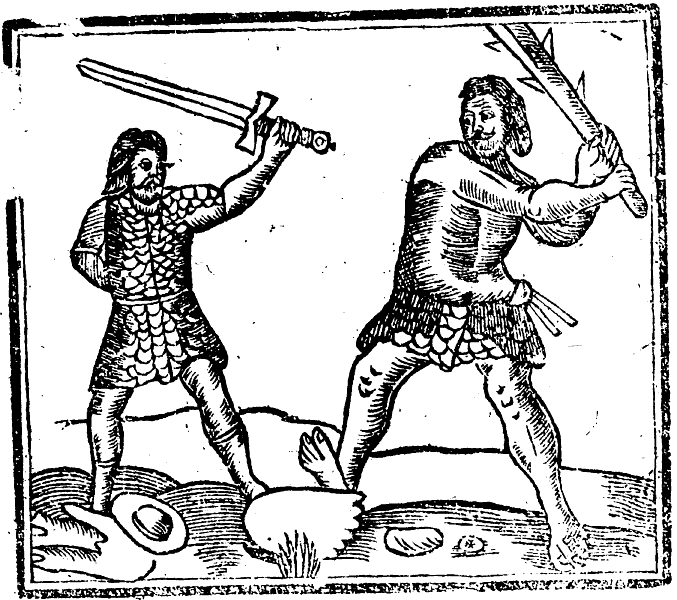 🇬🇧 United Kingdom and 1 moreColbrand
A legendary Danish giant defeated by the English hero Guy of WarwickFigure Legendary
🇬🇧 United Kingdom and 1 moreColbrand
A legendary Danish giant defeated by the English hero Guy of WarwickFigure Legendary
 🇸🇪 Sweden and 4 moreStarkadStarkaðr
A Norse warrior cursed to commit crimes across three lifetimesFigure · Cursing and harm Legendary
🇷🇺 Russia and 1 moreKuma LisaКума Лиса
A trickster fox from Slavic folklore who outwits other animalsFigure · Wonder and entertainment Legendary
🇬🇧 United KingdomNanny Rutt
A cautionary figure from Lincolnshire folklore who lures girls into the woodsFigure · Cursing and harm Legendary
🇸🇪 Sweden and 4 moreStarkadStarkaðr
A Norse warrior cursed to commit crimes across three lifetimesFigure · Cursing and harm Legendary
🇷🇺 Russia and 1 moreKuma LisaКума Лиса
A trickster fox from Slavic folklore who outwits other animalsFigure · Wonder and entertainment Legendary
🇬🇧 United KingdomNanny Rutt
A cautionary figure from Lincolnshire folklore who lures girls into the woodsFigure · Cursing and harm Legendary
 🇫🇷 France and 1 moreSebile
A medieval enchantress who evolved from a classical prophetess into an Arthurian fairy queenFigure · Love and attraction · Cursing and harm Legendary
🇫🇷 France and 1 moreSebile
A medieval enchantress who evolved from a classical prophetess into an Arthurian fairy queenFigure · Love and attraction · Cursing and harm Legendary
Photo credits on this page
The small pictures above come from Wikimedia Commons under free licences. Some are cropped to fit.
- Robert the Devil: Gustave Doré, Public domain, source
- Giantess of Crngrob: Vid Pogacnik, CC BY-SA 4.0, source
- Children of Lir: John Duncan, Public domain, source
- Satyress: art_traveller, CC BY-SA 2.0 uk, source
- Sebile: tony_57, CC BY 3.0, source
- Four Treasures of the Tuatha Dé Danann: spud murphy, CC BY-SA 2.0, source
- The Dragon of the North: Ivo Kruusamägi, CC BY-SA 4.0, source
- Witege: Max Koch, (1859–1930), Public domain, source
- Sea Swine: Jacob van Maerlant, Public domain, source
- Midas: The Midas Painter, CC BY-SA 4.0, source
- Knights of Ålleberg: Photograph: Nasko, Public domain, source
- Pan Twardowski: Pit1233, Public domain, source
- Colbrand: Anonymous Unknown author, Public domain, source
- Starkad: User:Skadinaujo, Public domain, source
- Tom Thumb: Leutemann or Offterdinger , photo by Harke, Public domain, source
- Salige Frau: various, Public domain, source
- Tom Hickathrift: John D. Batten, Public domain, source
- Bödvar Bjarki: Louis Moe, Public domain, source
- Piers Shonks: William Blyth Gerish, Public domain, source
- Haymon: Hafelekar, CC BY-SA 3.0, source
- Gatipedro: Dende, CC BY-SA 4.0, source
- Thyrsus: Mathias Bigge, CC BY-SA 3.0, source
- Ispolin: Joshua Davis, CC BY-SA 2.0, source
- Cú Chulainn: https://commons.wikimedia.org/wiki/User:Leimanbhradain, CC BY-SA 4.0, source
- Pasiphaë: ArchaiOptix, CC BY-SA 4.0, source
- Phoebe: Olivierw, Public domain, source
- Amphiaraus: Unknown author, Public domain, source
- Branchus: Francesco Bini, CC BY-SA 4.0, source
- Lemminkäinen: Akseli Gallen-Kallela, Public domain, source
- Swan maiden: Walter Crane, Public domain, source
- Horkos: Furienmeister, Public domain, source