Beliefs, omens and superstitions
Luck and unluck, the evil eye, knocking on wood and the small customs people keep without asking why.
Beliefs, omens and superstitions are the small customs people keep without asking why: knocking on wood, salt over the shoulder, avoiding the number thirteen, the evil eye, a black cat crossing the road, a first visitor of the new year. They are found on every continent and are rarely tied to a priest or book. This page looks at where they come from, what the word superstition hides, and why they persist.
What they look like
Beliefs differ by place. The number four is avoided in China, Japan and Korea because it sounds like the word for death, while thirteen is avoided in much of the West. In India, a sneeze before leaving home may delay a journey, and a lemon and chillies are hung over a shop. The evil eye is feared under many names: nazar, mal de ojo, ayin hara. First-footing at new year in Scotland is said to bring luck to a house.
Whose word is superstition
The word superstition has a history. Roman writers used it for religion they disliked, and Christian writers for forbidden practice. Today it often means someone else's belief. Many religions regard some of their own customs as faith and others as superstition, and where the line falls depends on the speaker. Using the word can mark a speaker as modern and a neighbour as backward. Tests of common superstitions show that people who hold them are not less educated or less rational than others, and many hold them lightly.
Why people keep them
Psychologists find that superstition rises with uncertainty and stakes, which is why athletes, sailors, students and gamblers are known for them. Anthropologist Bronislaw Malinowski observed in the 1920s that Trobriand fishermen used rites in dangerous deep-sea fishing and not in safe lagoon fishing. Most people who follow small customs say they do so partly in jest and partly just in case. Similar customs turn up in places that have never met each other, which suggests that people everywhere respond to risk in similar ways.
When belief causes harm
Most superstitions are harmless. Some are not: beliefs about witchcraft have led to killings in parts of Africa, India and Papua New Guinea, and beliefs about albinism have led to attacks in Tanzania and Malawi. Others cost people money, as when a fee is demanded to lift a bad omen. Education, law and trusted community leaders have all been part of reducing harm. Campaigns by health workers, teachers and community radio have been effective where they listen first and explain later.
Belief on EveryJaadu
The entries written up so far, best known first.
 🇬🇧 United Kingdom and 7 moreSaint Andrew's Day
A Christian feast day marked by national holidays in Scotland and Romania, and folk divination across Europe.Rite · Seeing and foretelling · Luck and prosperity Living
 🇬🇷 Greece and 2 moreMagic in the Greco-Roman world
Private supernatural practices in ancient Greece and Rome, distinct from public state religion.Tradition · Protection · Cursing and harm Historical
 🇬🇷 Greece and 5 moreNecromancy
A form of divination that seeks to speak with the dead for hidden knowledge.Tradition · Seeing and foretelling · Power and authority Historical
 🇧🇷 Brazil and 5 moreWhite Lady
A female ghost in white clothing linked to tragedy and omens across many culturesFigure · Cursing and harm · Seeing and foretelling Legendary
 🇬🇷 Greece and 5 moreSibylΣίβυλλα (Sibylla)
Ancient Greek prophetesses who spoke divine counsel at holy shrinesFigure · Seeing and foretelling · Power and authority Legendary
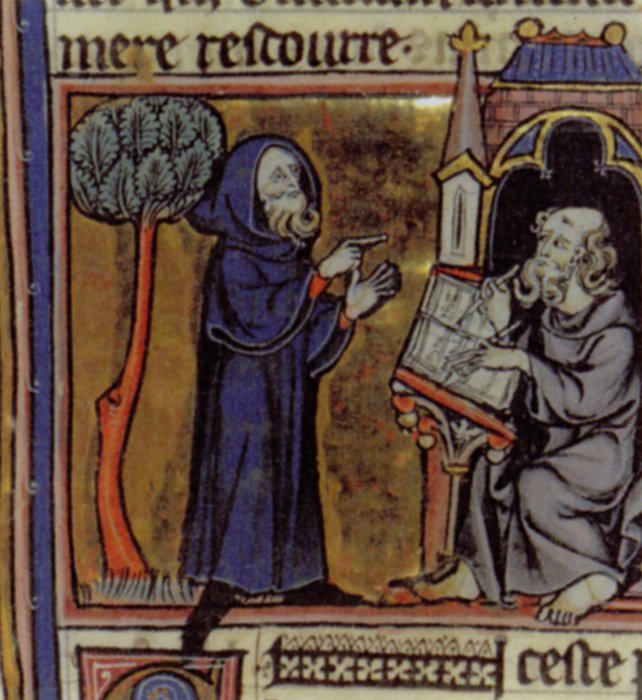 🇮🇹 Italy and 1 moreMedieval European magic
A broad category of ritual and natural practices in the Middle Ages, blending healing, divination, and religious belief.Tradition · Healing · Seeing and foretelling Historical
 🇫🇷 France and 1 moreNostradamus
A French astrologer and physician known for his book of poetic propheciesText · Seeing and foretelling · Healing Historical
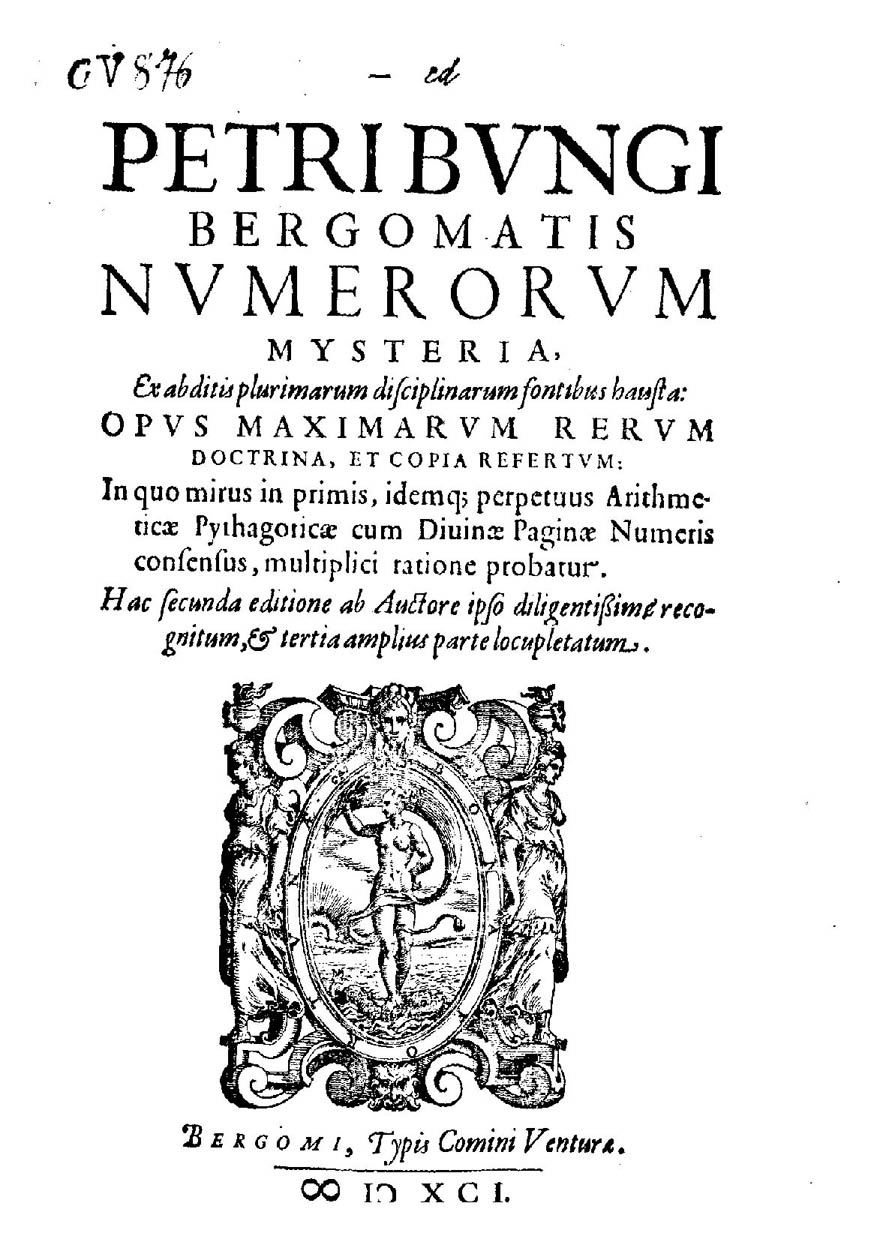 🇬🇷 Greece and 2 moreNumerology
The belief that numbers hold hidden meanings and influence human events.Belief · Seeing and foretelling · Luck and prosperity Historical
 🇮🇪 Ireland and 4 moreWinter solstice
The shortest day and longest night of the year, marked by rites of solar returnTradition · Seeing and foretelling · Protection Living
 🇪🇪 Estonia and 5 moreFern flower
A mythical bloom said to bring fortune and unlock secrets, found only on midsummer night.Belief · Luck and prosperity · Love and attraction Living
🇬🇧 United KingdomSt Mark's Eve
An English folk custom to witness omens of death and future marriage on the eve of a saint's feast dayRite · Seeing and foretelling · Cursing and harm Historical
 🇸🇪 Sweden and 2 moreGermanic seeressvǫlva
Diviners and sorceresses of early Germanic and Norse societyTradition · Seeing and foretelling · Power and authority Revived
🇮🇪 IrelandFetch
A spectral double whose appearance signals death or long lifeBeing · Seeing and foretelling Historical
🇬🇧 United KingdomBarghest
A mythical black dog from Northern England that foretells death and haunts the countryside.Being · Seeing and foretelling · Cursing and harm Legendary
 🇬🇷 GreeceGreek divination
Ancient methods of consulting deities for prophecy and omens in Greek cultureOracle · Seeing and foretelling · Power and authority Historical
 🇬🇷 GreeceWitchcraft in ancient Greece and Rome
Ancient beliefs and practices of magic, curses, and love charms in the Mediterranean worldTradition · Cursing and harm · Love and attraction Historical
 🇮🇹 ItalyScrofa semilanuta
A legendary sow seen in a dream that became the ancient emblem of Milan.Figure · Wonder and entertainment · Seeing and foretelling Historical
🇩🇪 GermanySuhl card reader case
A 1956 East German trial of a psychic for favorable forecasts about leaving the countryBelief · Seeing and foretelling · Luck and prosperity Historical
🇫🇮 FinlandEtiäinen
A Finnish belief in a premonitory apparition that precedes a person's arrivalBelief · Seeing and foretelling Living
🇮🇹 ItalyOmen (ancient Rome)omen
A sign in ancient Rome believed to reveal the future, good or bad.Belief · Seeing and foretelling Historical
 🇬🇷 Greece and 1 moreAstrological symbols
Glyphs used to map celestial bodies and their positions in horoscopesBelief · Seeing and foretelling Living
 🇬🇷 GreeceBranchusΒράγχος
A mortal lover of Apollo who became a prophet and founded an oracle cult in ancient Greece.Figure · Seeing and foretelling · Healing Legendary
🇮🇷 Iran and 3 moreAstrology and science
A belief system linking stars to human life, tested and rejected by the scientific communityBelief · Seeing and foretelling · Power and authority Historical
 🇮🇹 ItalyKnight of Coins
A tarot court card read as a serious young man, drawn on questions of work and home.Oracle · Seeing and foretelling Living
 🇬🇧 United KingdomWarlock
A word for a male witch, rooted in an old term for oath-breaker and devil pactsFigure · Cursing and harm · Seeing and foretelling Historical
🇮🇹 ItalyWitchcraft in Italy
Inquisition trials, a fertility cult and love magic in early modern ItalyTradition · Protection · Healing Living
 🇬🇧 United Kingdom and 1 moreWitchwiċċe
The English word for a magic-worker, from Old English wiċċe to WiccaFigure · Cursing and harm · Seeing and foretelling Living
 🇩🇪 Germany and 5 moreLutzelfrau
A German Alpine witch who brings fruit or punishes childrenFigure · Protection · Cursing and harm Living
 🇬🇧 United KingdomTwo of Coins
A tarot card representing balance, juggling duties, and the struggle to maintain equilibrium.Belief · Seeing and foretelling Living
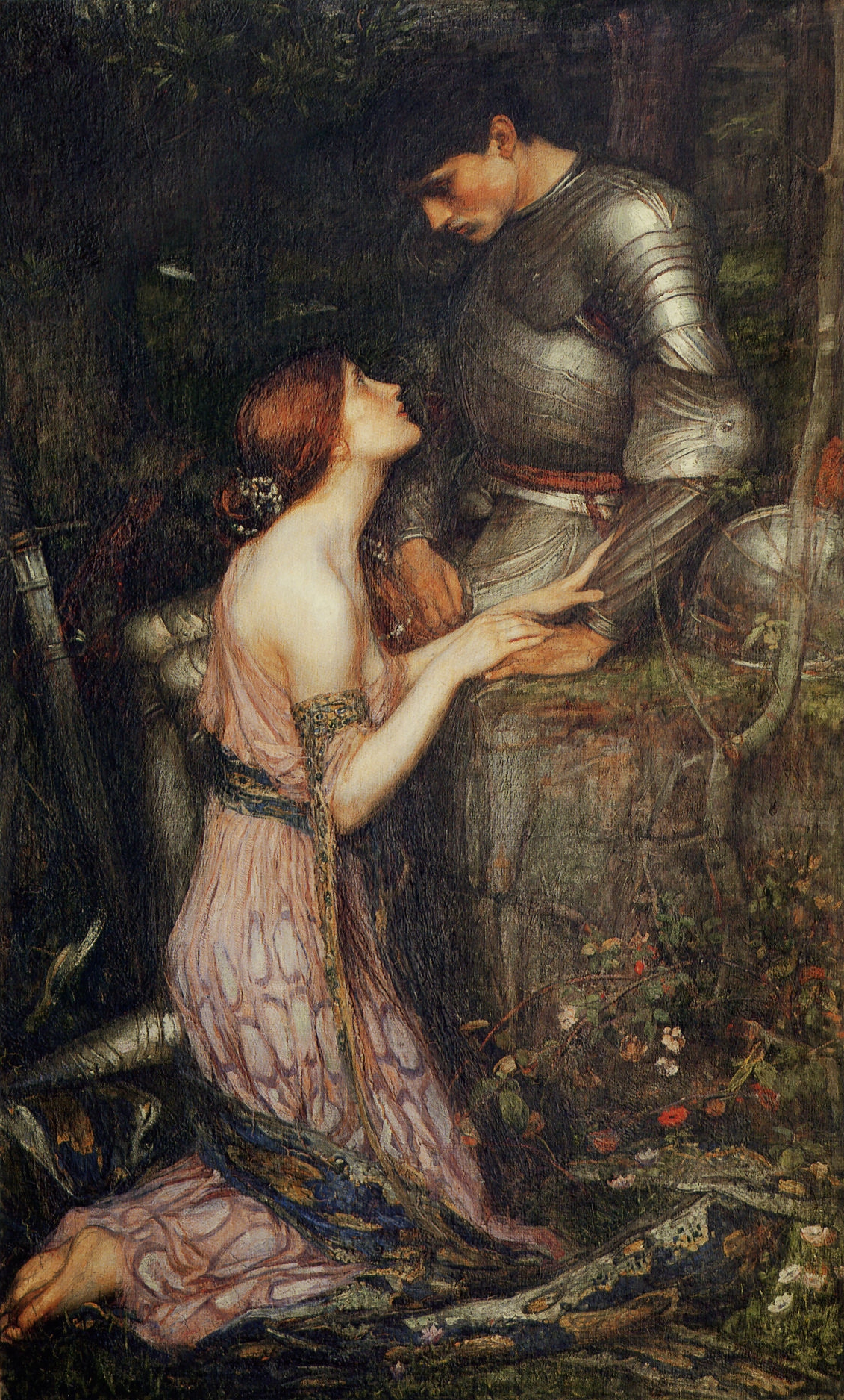 🇱🇾 Libya and 2 moreLamiaΛάμια
A child-snatching monster and night phantom from ancient Greek mythBeing · Cursing and harm · Seeing and foretelling Legendary
Photo credits on this page
The small pictures above come from Wikimedia Commons under free licences. Some are cropped to fit.
- Winter solstice: Image by Przemyslaw " Blueshade " Idzkiewicz, CC BY-SA 2.0, source
- Lamia: John William Waterhouse, Public domain, source
- Evocation: engraved by Ames of Bristol (according to Fincham, Artists and engrave, Public domain, source
- Medieval European magic: Unknown author, Public domain, source
- Nostradamus: After César de Notre-Dame, Public domain, source
- Astrological symbols: Peter Presslein, CC BY-SA 3.0, source
- Branchus: Francesco Bini, CC BY-SA 4.0, source
- Knight of Coins: Pamela Colman Smith, Public domain, source
- Warlock: John Faed RSA. 1855., Public domain, source
- Saint Andrew's Day: Henryk Siemiradzki, Public domain, source
- Magic in the Greco-Roman world: ArchaiOptix, CC BY-SA 4.0, source
- Witchcraft in ancient Greece and Rome: Wilhelm Tischbein, Public domain, source
- Greek divination: Berthold Werner, CC BY-SA 3.0, source
- Necromancy: Unknown author, CC BY 4.0, source
- Numerology: Pietro Bongo, Public domain, source
- Scrofa semilanuta: M.casanova, CC BY-SA 4.0, source
- Sibyl: Filippino Lippi (1457-1504), Public domain, source
- Magic circle: John William Waterhouse, Public domain, source
- Lutzelfrau: Karel Rozum, Public domain, source
- Two of Coins: Augusto Rius in 1889 [1] for Heraclio Fournier, CC BY-SA 4.0, source
- Fern flower: Antoni Piotrowski, Public domain, source
- Germanic seeress: Emil Doepler, Public domain, source