Spirits, creatures and beings
Djinn, fairies, orisha, golems and the other powers that magic deals with.
Beings are the powers that magic deals with: spirits, ancestors, gods, djinn, fairies, orisha, nats, kami, demons, golems, ghosts and the many kinds of household and landscape spirit. People in most cultures have described a world shared with unseen others, who may help, trouble or ask for respect. This page covers what these beings are said to be and the very different ways communities relate to them. They are always described here as what communities believe, not as established fact.
Different kinds of beings
A being can be a god with a priesthood, such as an orisha served in Yoruba religion, Cuba and Brazil. It can be an ancestor, honoured in China, Africa and Mexico. It can belong to a place, such as the kami of Shinto, the Thai phi or the Burmese nats. It can be a trouble-maker, like the djinn of Arabic and Islamic tradition, formed from smokeless fire, or the fairies of Ireland, whom people avoided naming.
Relationship, not command
In many traditions, a person does not command a being but enters a relationship with it, through offerings, promises and respect. Possession and mediumship are forms of that relationship, as in Vodou, Candomblé, Korean mudang rites and Sufi gatherings. In ceremonial magic of the European grimoires, by contrast, the magician summons spirits by name and authority, which the Church condemned as demon-raising. The same being may be loved in one household and feared in the next, and a spirit helpful to its servant can be harmful to a stranger.
Religions and renaming
Dominant religions often absorbed beings by relabelling them. Christian missionaries called many African and Indigenous spirits demons. Islam reads the djinn as real creatures, some of whom are Muslim, and Hindu and Buddhist traditions fold local deities into their own pantheons. Pagan and fairy beliefs were sometimes recast as the devil's work, which fed witch trials in Europe. Churches and mosques have sometimes divided beings into good and evil in ways the older traditions did not, so that a neutral local spirit became a demon on the day a missionary arrived.
Harm and interpretation
Belief in harmful spirits has been used to accuse people. Children in parts of West and Central Africa have been branded as witches possessed by evil spirits, and some have been abused by pastors or families in the name of deliverance. Scholars read spirit beliefs as ways to make sense of illness, loss and conflict, and many communities see them simply as neighbours. That is why accusations tied to spirit beliefs fall hardest on children and the vulnerable, and why many agencies train local leaders to challenge them.
Being on EveryJaadu
The entries written up so far, best known first.
 🇳🇿 New Zealand and 5 moreMokomokaiToi moko
Preserved Māori heads with facial tattoos, once traded as curios and now repatriated.Being · Cursing and harm · Power and authority Historical
🇹🇼 Taiwan and 3 moreHanitu
A spirit concept from the Bunun people of Taiwan, found in all living and non-living things.Being · Cursing and harm · Healing Historical
 🇻🇳 VietnamMẫu Thượng Ngàn林宮聖母
A forest goddess in Vietnamese indigenous religion, ruler of the Forest PalaceBeing · Power and authority Living
 🇦🇺 AustraliaCleverman
A traditional Aboriginal healer and cultural keeper in Australia with varied magical abilities.Being · Healing · Cursing and harm Living
 🇳🇿 New Zealand and 1 moreManaia
A composite guardian spirit in Māori art and beliefBeing · Protection · Speaking with spirits and the dead Living
 🇯🇵 JapanYume no seirei夢の精霊
A Japanese yōkai believed to cause nightmares during the Edo periodBeing · Cursing and harm Historical
 🇷🇺 Russia and 5 moreVelesВелес
A Slavic chthonic deity of cattle, the underworld, and oathsBeing · Protection · Luck and prosperity Historical
 🇫🇮 Finland and 1 moreVäinämöinen
An ancient Finnish demigod and master singer from the Kalevala epicBeing · Wonder and entertainment Historical
🇧🇷 Brazil and 2 moreCaiporaCaapora
A Brazilian forest spirit that guards game and tests hunters with bribes or terrorBeing · Protection · Cursing and harm Living
 🇵🇭 PhilippinesTigmamanukan
A pre-colonial Tagalog omen bird believed to guide journeys and aid creationBeing · Seeing and foretelling · Luck and prosperity Historical
 🇻🇳 VietnamMẫu ĐịaMẫu Địa (Chữ Hán: 母地)
An earth mother goddess of Vietnamese Đạo Mẫu, whose palace colour is yellowBeing Living
🇭🇹 HaitiMarassa Jumeaux
The divine twins of Haitian Vodou, representing love, truth, and justice.Being · Love and attraction · Cursing and harm Living
 🇬🇷 GreeceDaimonδαίμων
A Greek spirit or divine force that mediates between gods and humansBeing · Protection · Speaking with spirits and the dead Historical
 🇧🇯 Benin and 4 moreOshumareÒṣùmàrè
A Yoruba orisha of the rainbow, shown as a serpent and held to be both male and femaleBeing · Speaking with spirits and the dead · Change and initiation Living
🇺🇸 United StatesChepi
A spirit of the dead in Narragansett belief, called upon for vengeance.Being · Cursing and harm · Speaking with spirits and the dead Historical
 🇳🇬 NigeriaOsanyinỌsanyin
The Yoruba orisha of herbal knowledge, healing magic and wild plantsBeing · Healing · Power and authority Living
 🇳🇬 Nigeria and 4 moreOshosiỌ̀ṣọ́ọ̀sì
A Yoruba orisha of hunting, forests and food, honoured in West Africa and BrazilBeing · Speaking with spirits and the dead · Power and authority Living
🇳🇬 Nigeria and 1 moreIbo lwa
A nation of Vodou spirits carried from Igbo religion to Haiti, honoured as fightersBeing · Luck and prosperity · Cleansing and purification Living
🇱🇹 Lithuania and 1 moreLaima
A Baltic goddess of fate connected to childbirth and destinyBeing · Seeing and foretelling · Luck and prosperity Historical
🇷🇺 RussiaAiyАйыы (Ayıı)
Benevolent spirits of the Upper World in Yakut mythologyBeing · Speaking with spirits and the dead · Power and authority Living
 🇻🇳 VietnamThe Four ImmortalsTứ bất tử
Four chief spirits of the Vietnamese Red River Delta pantheonBeing · Power and authority Living
🇧🇯 BeninXeviosoXɛviosò
A Fon and Ewe thunder god held to judge wrongdoers with lightningBeing · Cursing and harm · Cleansing and purification Living
🇺🇸 United StatesJogahJigáhęh
Invisible little people of Haudenosaunee lore who guard the land and play tricks.Being · Protection · Speaking with spirits and the dead Living
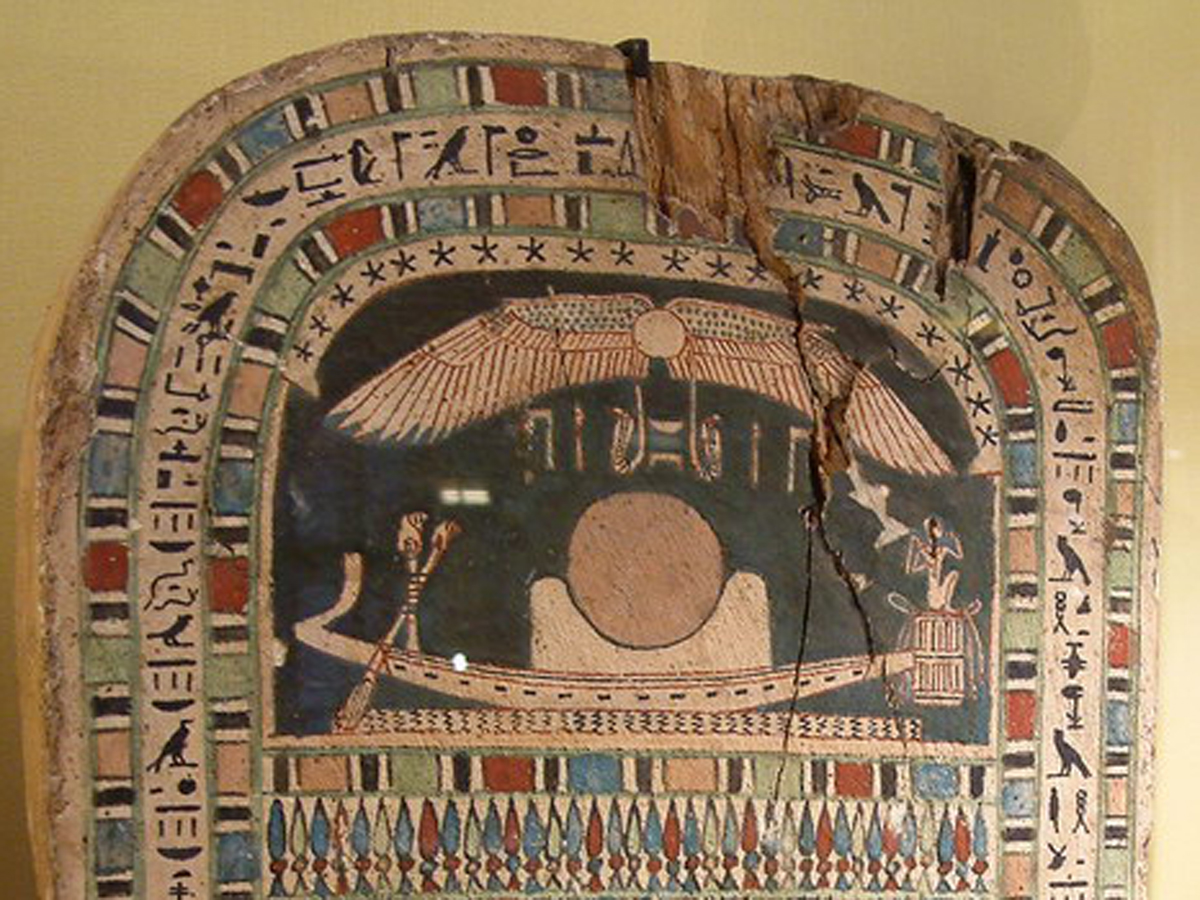 🇪🇬 EgyptSolar barque
The mythological vessels used by the sun god Ra to travel across the sky and through the underworld in ancient Egypt.Being · Wonder and entertainment Historical
 🇬🇱 Greenland and 1 moreTupilaqᑐᐱᓚᒃ
A carved monster from Inuit tradition, made to seek out and destroy an enemy.Being · Cursing and harm Living
 🇩🇴 Dominican Republic and 5 moreZemi
A Taíno deity or ancestral spirit housed in a carved object used for worship and protectionBeing · Protection · Healing Historical
🇧🇿 BelizeTata DuendeNukuch Tat
A thumbless forest spirit of Belizean folklore that protects animals and warns children.Being · Protection · Cursing and harm Living
🇩🇴 Dominican RepublicAnaisa Pye
A Dominican loa of love and wealth, linked to Saint Anne.Being · Love and attraction · Luck and prosperity Living
 🇬🇷 Greece and 1 moreHephaestusἭφαιστος
The Greek smith god who forged divine weapons and crafted automata for the gods.Being · Power and authority Historical
🇫🇮 FinlandUkonvasara
The hammer of the Finnish thunder god Ukko, a symbol of lightning and powerBeing · Power and authority · Protection Historical
 🇪🇸 SpainLamialamiak
River and sea spirits of Basque folklore, known for their beauty and magical labour.Being · Power and authority Historical
🇮🇩 Indonesia and 2 moreHantu
A Malay and Indonesian term for spirits of the dead or nature beingsBeing · Speaking with spirits and the dead Living
 🇬🇷 GreeceEudaemonεὐδαίμων
A benevolent Greek spirit offering guidance and protection to individuals.Being · Protection · Speaking with spirits and the dead Historical
 🇯🇵 JapanYamawaro山童
A mountain spirit of Western Japan, often linked to river kappa and known for pranks and lumberjack assistance.Being · Cursing and harm · Luck and prosperity Historical
🇼🇸 Samoa and 3 moreAtua
Polynesian deities and spirits representing power and the natural worldBeing Historical
 🇪🇬 EgyptAkhty
A rarely attested ancient Egyptian deity linked to the ibis and the evening horizon.Being · Speaking with spirits and the dead Historical
🇰🇭 CambodiaMrenh kongvealម្រេញគង្វាល
Khmer jungle spirits said to guard animals and guide people through dreamsBeing · Protection · Speaking with spirits and the dead Living
 🇮🇶 IraqKūbu
Ghosts of stillborn fetuses in ancient Mesopotamian religion, feared and worshipped.Being · Protection · Cursing and harm Historical
 🇮🇷 Iran and 4 moreJinnجِنّ
Concealed beings from Arabian and Islamic tradition, accountable for their actions like humans.Being · Protection · Cursing and harm Living
🇸🇧 Solomon IslandsLa'aka
A Kwaio ancestress spirit of protection and warrior power in the Solomon IslandsBeing · Protection · Power and authority Living
🇺🇸 United StatesPueblo clowns
Ritual jesters in Pueblo religion who use humor and disguise to enforce social norms.Being · Cursing and harm · Cleansing and purification Living
Photo credits on this page
The small pictures above come from Wikimedia Commons under free licences. Some are cropped to fit.
- Lamia: Josu Goñi Etxabe, Public domain, source
- Hephaestus: Foundry Painter (name vase), Public domain, source
- Solar barque: Guillaume Blanchard , uploaded to Commons by User:Borislav, CC BY-SA 2.5, source
- The Four Immortals: Vietnamese artist, Public domain, source
- Oshosi: Picture taken by Eurico Zimbres, CC BY-SA 2.5, source
- Osanyin: TiagoLubiana, CC0, source
- Oshumare: MarinaCriscuolo, CC BY-SA 4.0, source
- Daimon: François-André Vincent, Public domain, source
- Mẫu Địa: Rio Lam, CC BY-SA 4.0, source
- Manaia: Sarang, Public domain, source
- Cleverman: Photo by and ©2002 Dustin M. Ramsey ( Kralizec! ), CC BY-SA 2.5, source
- Mokomokai: New Zealand Electronic Text Centre, Public domain, source
- Kūbu: Françoise Foliot, CC BY-SA 4.0, source
- Jinn: VenusFeuerFalle, CC0, source
- Mẫu Thượng Ngàn: Unknown author, Public domain, source
- Yume no seirei: Brigham Young University, CC BY-SA 4.0, source
- Veles: Andrey Shishkin, CC BY 3.0, source
- Väinämöinen: Akseli Gallen-Kallela, Public domain, source
- Tigmamanukan: Illustrator and uploader Dragonbite ., CC BY-SA 1.0, source
- Tupilaq: Louis Chemnitz, CC BY-SA 4.0, source
- Zemi: Unknown author, CC0, source
- Eudaemon: WolfgangRieger, Public domain, source
- Yamawaro: Brigham Young University, CC BY-SA 4.0, source
- Akhty: Rémih, CC BY-SA 3.0, source