🇵🇱 Magic in Poland
56 entries from Poland, best known first, across 19 places of magic.
The provided records focus on the scholarly documentation of Polish folk traditions rather than detailing specific magical practices or spiritual beliefs. Nineteenth century academics gathered oral tales and rural customs to support national identity. Later institutions continued cataloguing regional variations and social group traditions without describing the rituals themselves.
- Hugo Kołłątaj created the first Polish folklore research program in 1802.
- Key nineteenth century collectors included Oskar Kolberg and Zygmunt Gloger.
- The Institute of Archaeology and Ethnography publishes Etnografia Polska since 1958.
- Interwar scholars added workers folklore to traditional peasant studies.
Overview
This account covers the history of scholarly collection rather than the beliefs themselves. Early nineteenth century scholars began gathering oral tales and rural customs to strengthen national identity during periods of foreign partition. Researchers like Oskar Kolberg and Zygmunt Gloger compiled extensive archives of regional stories and seasonal habits. Later studies added urban working class traditions and local village customs. Academic journals and university institutes now preserve these records. The text does not describe specific charms, spirit beings, healing methods, or ceremonial calendars.
The facts in this overview come from the Wikipedia article "Folklore of Poland", written by its contributors and used under the CC BY-SA 4.0 licence. EveryJaadu rewrote the text in its own words, with AI assistance, and compares every page with the article to make sure no passage is copied. It may be reused under the same CC BY-SA 4.0 licence with a link back.
 🇮🇹 Italy and 3 moreEusapia Palladino
An Italian medium whose séances were investigated by leading scientists and magicians in the late nineteenth century.Illusion · Wonder and entertainment · Speaking with spirits and the dead Historical
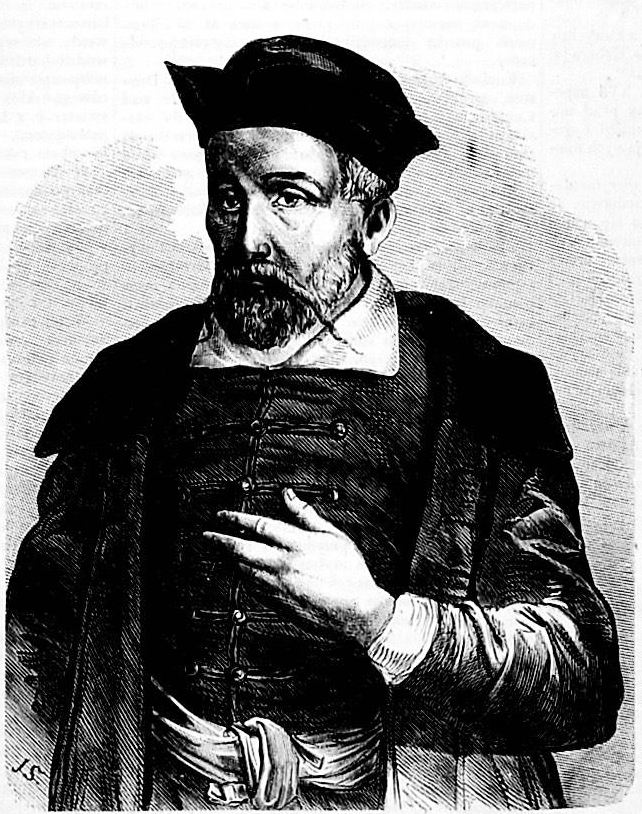 🇵🇱 Poland and 1 moreMichael SendivogiusMichał Sędziwój
A Polish alchemist who discovered oxygen and wrote on the 'food of life'Text · Power and authority · Change and initiation Historical
 🇩🇪 Germany and 4 moreNeed-fireNotfeuer
A ritual fire lit by friction to protect livestock and people from disease and witchcraftRite · Protection · Cleansing and purification Historical
 🇷🇺 Russia and 4 moreLady MiddayPoludnitsa
A Slavic noon spirit who watches over fields and punishes those who work during the hottest hours.Being · Cursing and harm · Protection Historical
 🇩🇪 Germany and 3 moreMare
A spirit that sits on sleepers to cause nightmares and physical distressBeing · Cursing and harm Historical
 🇬🇧 United Kingdom and 1 moreJohn Dee
An English scholar and advisor to Elizabeth I who pursued angelic communication through scrying.Tradition · Speaking with spirits and the dead · Seeing and foretelling Historical
🇵🇱 Poland and 4 moreWitch trials in Poland
A historical record of sorcery prosecutions and executions in Poland from the 15th to the 19th century.Belief · Cursing and harm Historical
 🇪🇬 Egypt and 2 moreCurse of the pharaohs
A belief that disturbing ancient Egyptian tombs brings bad luck or deathBelief · Cursing and harm Historical
 🇬🇧 United Kingdom and 3 moreEdward Kelley
An English occultist and scryer who worked with John Dee to contact angels and practice alchemy.Figure · Power and authority · Wonder and entertainment Historical
 🇷🇺 Russia and 5 moreAxe of Perun
Bronze axe-shaped pendants worn in honor of the Slavic god PerunCharm · Power and authority Historical
 🇵🇱 Poland and 3 moreStrzyga
A female demon in Polish folklore, linked to owls and vampiric traitsBeing · Cursing and harm · Protection Historical
 🇵🇱 PolandBoginka
Female spirits of wild nature in Polish pagan mythologyBeing · Cursing and harm Historical
🇵🇱 PolandTopielec
A Slavic water spirit of the drowned dead that pulls victims into lakes.Being · Cursing and harm Historical
 🇩🇪 Germany and 4 moreNight ravennattravn
A nocturnal creature of European folklore, feared as a child-stealer or seen as a ghost in bird form.Being · Cursing and harm Historical
 🇩🇪 Germany and 5 moreYellow badgeJudenstern
A marked garment worn by Jews under laws of distinction and humiliation across centuries.Charm · Cursing and harm Historical
 🇵🇱 PolandFrankenstein town gravediggers scandal
A 1606 witchcraft trial in Silesia that may have inspired Mary Shelley's novelBelief · Cursing and harm Historical
 🇵🇱 Poland and 1 moreKarzełekСкарбник, Кладенец
A Slavic mine spirit that guards treasures and guides miners.Being · Protection · Power and authority Historical
 🇩🇪 Germany and 3 moreCruentation
A medieval judicial test where a suspect touched a victim's body to see if it bled.Rite · Cursing and harm Historical
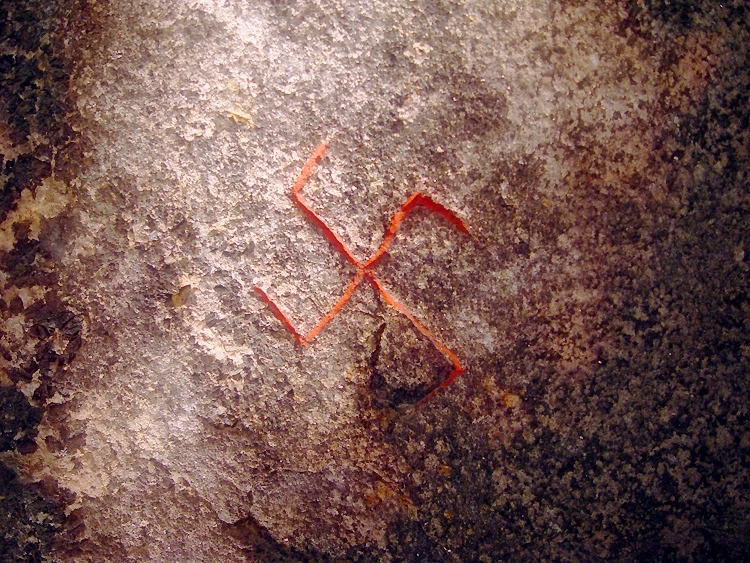 🇸🇪 Sweden and 4 moreSwastika (Germanic Iron Age)
A four-armed symbol found on Germanic artefacts from the Migration to Viking periods.Belief · Power and authority Historical
🇵🇱 Poland and 1 moreTwardowski's Mirror
A cracked Renaissance mirror linked to the legend of a magical alchemistCharm · Power and authority Historical
 🇵🇹 Portugal and 5 moreWilgefortisVilgeforte
A bearded female martyr folk saint known for relieving women from unwanted marriages and tribulationsFigure · Protection · Cursing and harm Historical
 🇨🇿 Czech Republic and 2 moreUhaml
A German folk spirit with horse feet and an owl-like callBeing · Cursing and harm Historical
🇵🇱 Poland and 1 moreAntrovisMiędzynarodowe Centrum Odnowy Ludzi i Ziemi „Antrovis”
A Polish UFO religion active in the 1980s and 1990s that blended Slavic mythology with alien beliefs.Tradition Historical
🇩🇪 Germany and 4 moreNeed-firezjarri i gjallë
A ritual fire lit by friction to protect communities from disease and misfortuneRite · Protection · Healing Historical
Photo credits on this page
The small pictures above come from Wikimedia Commons under free licences. Some are cropped to fit.
- Edward Kelley: Thomas Pennant, Public domain, source
- Mare: Henry Fuseli, Public domain, source
- Eusapia Palladino: Baldi., Public domain, source
- Night raven: Kim Diaz Holm (den unge herr Holm), CC BY 4.0, source
- Need-fire: Unknown author, Public domain, source
- Natural magic: Unidentified painter, Public domain, source
- Michael Sendivogius: Łuszczkiewicz, Public domain, source
- Frankenstein town gravediggers scandal: Jacek Halicki, CC BY-SA 3.0 pl, source
- Uhaml: Johann Friedrich Naumann, Public domain, source
- Yellow badge: Edited version of original photo by Rama, CC BY-SA 3.0, source
- Curse of the pharaohs: Jerzy Strzelecki, CC BY-SA 3.0, source
- Boginka: Walery Eljasz Radzikowski, Public domain, source
- Strzyga: Filip Gutowski, CC BY-SA 4.0, source
- Lady Midday: Віщун, CC BY-SA 4.0, source
- Karzełek: Krystian Hasterok, CC BY 2.5, source
- Axe of Perun: VoivodeZmey, Public domain, source
- Swastika (Germanic Iron Age): No machine-readable author provided. Bloodofox~commonswiki assumed (ba, Public domain, source
- Wilgefortis: Hieronymus Bosch, Public domain, source
- Cruentation: Unknown author, Public domain, source
The weekly digest
Every Monday: seven entries you may not know, what is on the calendar this week, and one rite drawn step by step.