
Curse of the pharaohs
from the English words 'curse' and 'pharaoh', referring to ancient Egyptian rulers
A belief that disturbing ancient Egyptian tombs brings illness or death to the living.
The curse of the pharaohs is a superstition claiming that anyone who disturbs an ancient Egyptian mummy, especially a king, will suffer bad luck, sickness, or death. It gained global attention after the 1922 discovery of Tutankhamun's tomb and the subsequent deaths of several expedition members. Scholars view it as a cultural phenomenon rooted in Victorian literature rather than a genuine magical threat.
- No curse inscription was found in Tutankhamun's tomb.
- Howard Carter dismissed the curse as foolish superstition.
- Literary works from the 1800s helped create the myth.
- Most people who entered the tomb lived long lives.
- Deaths were often caused by infection or natural causes.
What it is
The curse of the pharaohs is a widely known superstition alleging that a supernatural penalty awaits those who disturb the resting places of ancient Egyptians. This belief does not distinguish between grave robbers and professional archaeologists. It is claimed to cause misfortune, severe illness, or sudden death. While often associated with kings, the concept extends to any sacred burial site. The idea functions as a warning against desecration, though its modern popularity stems largely from sensationalist media coverage rather than ancient religious texts.
Where it comes from
Ancient Egyptian tombs occasionally contained warnings intended to protect ritual purity, such as those found in the mastaba of Khentika Ikhekhi. These were directed at priests to maintain sanctity, not to threaten thieves. The modern narrative emerged in 19th-century Europe. Early horror fiction, including Jane C. Loudon’s 1827 work, introduced themes of reviving mummies. Later stories by authors like Louisa May Alcott popularized the specific plot of a curse punishing tomb desecrators. This literary trend shifted public perception of Egyptian artifacts into the realm of danger and magic.
How it is done
The curse is triggered by physical intrusion into a sealed burial chamber. Acts include breaking seals, moving artifacts, or opening sarcophagi. Ancient inscriptions threatened divine retribution from deities like Thoth or Sekhemet. Modern accounts focus on the aftermath of entering sites like Tutankhamun’s tomb. Reports describe immediate consequences for those involved in the disturbance. The mechanism is viewed as a spiritual backlash against violating the dead’s rest.
Tools and materials
The primary tools are the tombs themselves, particularly those of high-status individuals. Inscriptions carved into stone walls serve as the verbal component of the curse. Objects removed from these sites, such as mummified hands or canaries, are sometimes cited as carriers of the effect. The cobra symbol, representing royal authority, appears in anecdotes linking natural events to the curse’s activation.
Curse of the pharaohs, drawn and placed
- Living
- Revived
- Fading
- Historical
- Legendary
- Performed
- Lineage
- Egyptian funerary tradition
- Timing
- upon disturbance of a tomb
What it is for
The belief serves to explain unexplained deaths among excavation teams. It provides a supernatural reason for accidents or illnesses that occurred shortly after archaeological discoveries. For some, it acts as a deterrent against looting. For others, it offers entertainment value in films and books. The narrative shifts from condemning theft to creating horror narratives for audiences.
Who does it
No specific group practices this curse today. It is studied by historians and anthropologists as a cultural artifact. Howard Carter, the discoverer of Tutankhamun, dismissed the idea as foolish superstition. Skeptics point out that many who entered the tomb lived long lives. The belief persists through media retellings rather than active ritual performance by practitioners.
Peoples and places
The concept originated in Egypt but was developed primarily in European cultures. British and American media amplified the story following the 1922 discovery. Egyptian scholars like Zahi Hawass have commented on the phenomenon, noting both ancient warnings and modern myths. The belief spread globally through newspapers and later cinema, becoming part of international pop culture rather than local Egyptian tradition.
At a glance: who, where and when

What people believe
The worldview assumes that spirits or divine forces guard the dead. Disturbing them invites wrath from entities like Anubis or local deities. Some theories suggest biological causes, such as toxic fungi or bacteria thriving in sealed environments. Others propose psychological factors or coincidence. The persistence of the myth relies on selective memory of deaths while ignoring the many survivors.
When it is done
The curse is most associated with the period following November 1922, when Tutankhamun’s tomb was opened. Specific deaths occurred in the months immediately after, fueling the narrative. There are no regular festivals or annual rites tied to the curse. It is activated only by the specific act of opening a sealed tomb.
How scholars and sceptics see it
Researchers view the curse as a product of Victorian imagination and media sensationalism. Studies show that most people exposed to the tomb survived for decades. Scientific explanations attribute deaths to common infections or pre-existing conditions. Anthropologists note the shift from ancient protective spells to modern horror tropes. Skeptics emphasize the lack of evidence linking tomb entry to mortality.
Cautions and what is closed
The belief has led to misinformation about historical events. It contributed to fear surrounding archaeological work. Some individuals avoided handling artifacts due to superstitious dread. The narrative has been used to sell books and films, prioritizing drama over historical accuracy. No scientific evidence supports the existence of a magical curse causing death.
Compare and confuse
The curse is similar to other tomb protection myths found in various cultures. It differs from ancient Egyptian spells, which focused on ritual purity rather than threatening robbers. Modern versions are closer to horror fiction than religious doctrine. The term is often confused with general bad luck associated with old objects.
Questions people ask about Curse of the pharaohs
What is the curse of the pharaohs?
It is a superstition claiming that disturbing ancient Egyptian tombs causes illness or death. The belief gained fame after the 1922 discovery of Tutankhamun's tomb and the subsequent deaths of several expedition members.
Where did the curse originate?
While ancient Egyptian tombs had protective warnings, the modern curse myth originated in 19th-century European literature. Authors wrote horror stories about mummies seeking revenge, which influenced public perception.
Was there a real curse in Tutankhamun's tomb?
No, archaeologists found no curse inscribed in the tomb. The idea arose from media reports linking unrelated deaths to the excavation, despite many team members living long, healthy lives afterward.
Why do people believe the curse is real?
Belief stems from coincidental deaths shortly after the tomb's opening and sensationalist media coverage. Scientific studies attribute these deaths to infections or natural causes, not supernatural forces.
Good reading and sources
The facts on this page come from the Wikipedia article "Curse of the pharaohs", written by its contributors and used under the CC BY-SA 4.0 licence, and from its Wikidata record (CC0). EveryJaadu rewrote the text in its own words, with AI assistance, and compares every page with the article to make sure no passage is copied. It may be reused under the same CC BY-SA 4.0 licence with a link back.
It may contain mistakes. Names and customs differ from one community to the next, and some knowledge is closed to outsiders and left out here. This page describes belief and practice. It does not say that any of it works, it is not a how-to, and it is not medical advice. If something is wrong, tell us. Last refreshed 2026-10-05.
More from Egypt
All the entries from Egypt 🇪🇬 EgyptCurse
A spoken wish for misfortune to befall a person or placeBelief · Cursing and harm · Luck and prosperity Historical
🇪🇬 EgyptCurse
A spoken wish for misfortune to befall a person or placeBelief · Cursing and harm · Luck and prosperity Historical
 🇪🇬 Egypt and 1 moreLilithלִילִית
A feminine figure from Mesopotamian and Jewish mythology, often depicted as a night demon or spirit.Being · Cursing and harm Legendary
🇪🇬 Egypt and 1 moreLilithלִילִית
A feminine figure from Mesopotamian and Jewish mythology, often depicted as a night demon or spirit.Being · Cursing and harm Legendary
 🇱🇾 Libya and 4 moreTraditional Berber religionAmazigh religion
Ancient beliefs of Northwest Africa centered on celestial bodies, caves, and ancestors.Tradition · Speaking with spirits and the dead · Luck and prosperity Historical
🇱🇾 Libya and 4 moreTraditional Berber religionAmazigh religion
Ancient beliefs of Northwest Africa centered on celestial bodies, caves, and ancestors.Tradition · Speaking with spirits and the dead · Luck and prosperity Historical
 🇪🇬 EgyptScarab
A carved beetle amulet and seal used in ancient Egypt for protection, identity, and ritual.Charm · Protection · Luck and prosperity Historical
🇪🇬 EgyptScarab
A carved beetle amulet and seal used in ancient Egypt for protection, identity, and ritual.Charm · Protection · Luck and prosperity Historical
Related elsewhere
All belief 🇷🇸 Serbia and 5 moreVampire
An undead creature from folklore that feeds on the blood or life force of the livingBeing · Cursing and harm · Luck and prosperity Legendary
🇷🇸 Serbia and 5 moreVampire
An undead creature from folklore that feeds on the blood or life force of the livingBeing · Cursing and harm · Luck and prosperity Legendary
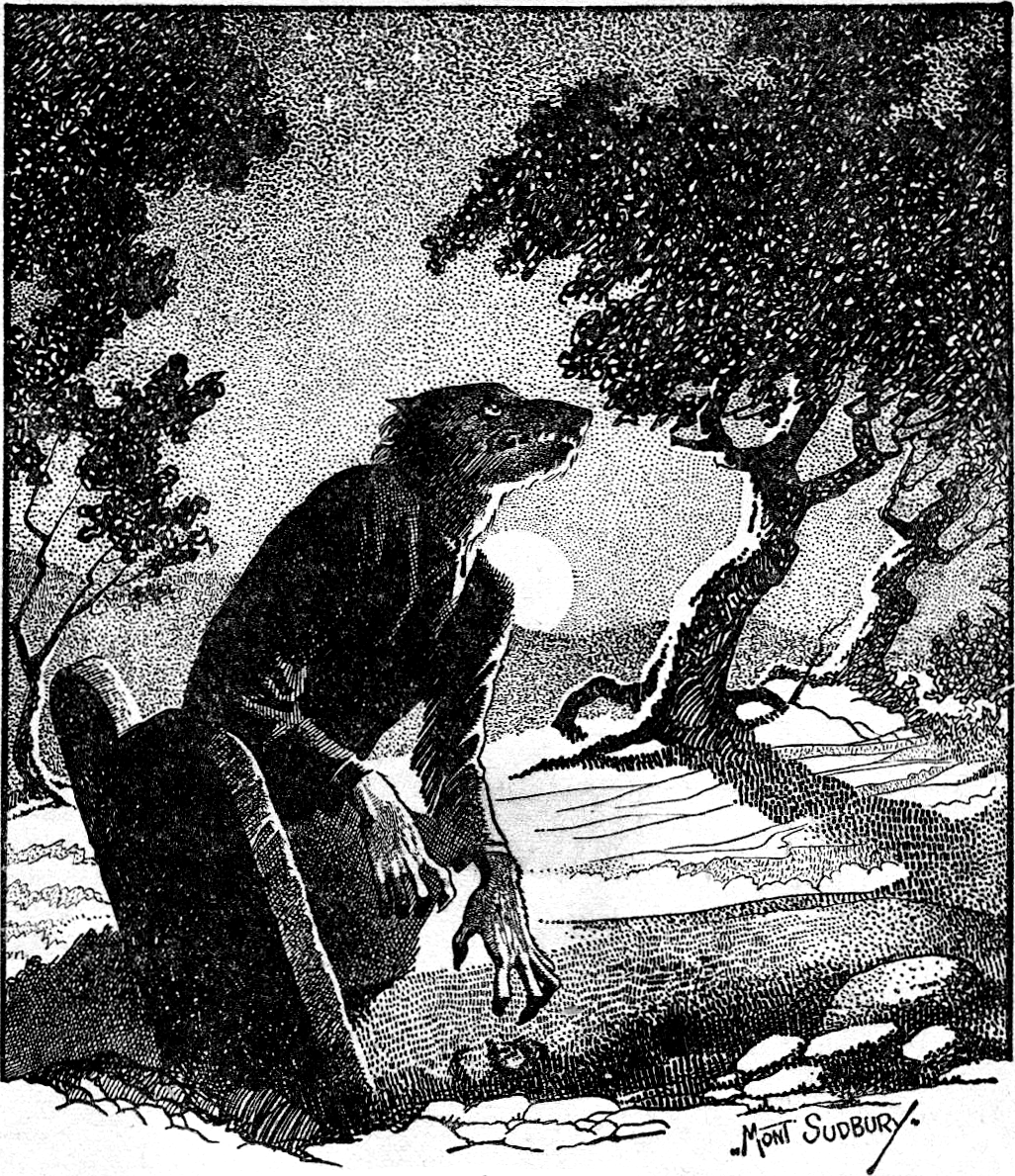 🇫🇷 France and 5 moreWerewolf
A mythical shapeshifter that turns into a wolf, central to European witch-hunts and Gothic horror.Being · Cursing and harm · Wonder and entertainment Legendary
🇫🇷 France and 5 moreWerewolf
A mythical shapeshifter that turns into a wolf, central to European witch-hunts and Gothic horror.Being · Cursing and harm · Wonder and entertainment Legendary
 🇸🇪 SwedenTorsåker witch trials
The largest mass execution of witches in Swedish history, carried out in a single day.Belief · Cursing and harm Historical
🇯🇵 JapanKitsunetsuki狐憑き
A Japanese folk belief in which a fox spirit enters and controls a human host.Belief · Cursing and harm · Speaking with spirits and the dead Historical
🇸🇪 SwedenTorsåker witch trials
The largest mass execution of witches in Swedish history, carried out in a single day.Belief · Cursing and harm Historical
🇯🇵 JapanKitsunetsuki狐憑き
A Japanese folk belief in which a fox spirit enters and controls a human host.Belief · Cursing and harm · Speaking with spirits and the dead Historical