🇳🇵 Magic in Nepal
40 entries from Nepal, best known first, across 14 places of magic.
In Nepal and parts of Northeast India, jhākris serve as shamans and diviners for various ethnic groups. Their work blends spirit belief with rituals from Tibetan Buddhism and local traditions to heal and guide communities.
- Jhākri is the Nepali word for shaman or diviner
- They use the dhyāngro, a traditional frame drum
- Chinta allows spirits to possess the practitioner
- Practices include Tibetan Buddhist and Bön influences
Overview
The term jhākri refers to a shaman or diviner found in Nepal and the Indian states of Sikkim and West Bengal. This role is central among many ethnic communities, including the Tamang, Gurung, Magar, Rai, Limbu, Sherpa, Lepcha, Sunuwar, Yakkha, and Khas peoples. The practice rests on a widespread belief in spirits and a corresponding fear of possession by them. It draws influence from Tibetan Buddhism, the Mun tradition, and Bön rites. A related form called dhaamee involves a Hindu deity speaking through a medium to answer devotees' questions. Local languages use distinct terms like phedangba, Nakchhong, Mangpa, Bijuwa, and boongthing for these roles.
Practices and beliefs
Practitioners use specific tools and methods to interact with the spiritual world. They play the dhyāngro, a frame drum made of animal leather stretched over hollow wood and attached to bells. Chants are recited in Tibetan or native tongues. A key practice is Chinta, where the jhākri allows a deceased person's spirit to briefly possess them so family members can communicate. They also diagnose illnesses and perform cures based on their spiritual insights.
Rites and charms
Rituals mark important life events and seasonal changes. Jhākris lead ceremonies at weddings, funerals, and harvest festivals. These gatherings involve drumming and chanting to honor spirits and ensure community well-being. The voluntary spirit possession during Chinta serves as a bridge between the living and the dead, allowing for closure or guidance from ancestors within the family structure.
Who practises
Jhākris are respected figures who act as healers, diviners, and ritual specialists. They are chosen or recognized within their communities to handle matters of health and spirituality. The role varies slightly by group, with specific names used in different languages. They are seen as necessary intermediaries who can navigate the spirit world to solve problems for the living.
Regions and communities
The practice spans Nepal and extends into bordering areas of India, specifically Sikkim and West Bengal. Different ethnic groups maintain their own variations and terminology. For instance, the Limbu use phedangba, while the Lepcha use boongthing. This geographic spread shows how the tradition adapts to local cultural contexts while sharing core beliefs about spirits and healing.
The calendar
Rituals are tied to the cycle of life and agriculture. Jhākris are called upon for weddings, which celebrate new beginnings, and funerals, which address death and the afterlife. Harvest festivals are also key times for their services, likely to thank spirits for good crops and seek protection for future planting seasons.
Law and the state
The provided text does not contain information regarding legal status, persecution, or state treatment of jhākris.
Today
Information on current trends such as revival, migration, or commercialization is not available in the source material.
The facts in this overview come from the Wikipedia article "Jhākri", written by its contributors and used under the CC BY-SA 4.0 licence. EveryJaadu rewrote the text in its own words, with AI assistance, and compares every page with the article to make sure no passage is copied. It may be reused under the same CC BY-SA 4.0 licence with a link back.
 🇮🇳 India and 1 moreAshtamangalaअष्टमङ्गल
A set of eight sacred symbols used in Indian religions to mark auspicious occasions and teach spiritual truths.Tradition · Power and authority · Wonder and entertainment Living
🇮🇳 India and 1 moreAshtamangalaअष्टमङ्गल
A set of eight sacred symbols used in Indian religions to mark auspicious occasions and teach spiritual truths.Tradition · Power and authority · Wonder and entertainment Living
 🇮🇳 India and 2 moreYantraयन्त्र
A geometric diagram from Indian traditions used for worship and meditationTradition · Protection · Speaking with spirits and the dead Living
🇮🇳 India and 2 moreYantraयन्त्र
A geometric diagram from Indian traditions used for worship and meditationTradition · Protection · Speaking with spirits and the dead Living
 🇮🇳 India and 4 moreTantraतन्त्र
An esoteric yogic tradition from India focusing on ritual, mantra, and body-based spiritual practices.Tradition · Power and authority · Change and initiation Living
🇮🇳 India and 4 moreTantraतन्त्र
An esoteric yogic tradition from India focusing on ritual, mantra, and body-based spiritual practices.Tradition · Power and authority · Change and initiation Living
 🇮🇳 India and 1 moreNavagrahaनवग्रह
A group of nine celestial deities in Hinduism that govern fate and astrologyTradition · Protection · Luck and prosperity Living
🇮🇳 India and 1 moreNavagrahaनवग्रह
A group of nine celestial deities in Hinduism that govern fate and astrologyTradition · Protection · Luck and prosperity Living
 🇮🇳 India and 1 moreYoginiयोगिनी
A female master of yoga and tantra, or a fierce goddess aspect in Indian temples.Tradition · Power and authority · Protection Historical
🇮🇳 India and 1 moreYoginiयोगिनी
A female master of yoga and tantra, or a fierce goddess aspect in Indian temples.Tradition · Power and authority · Protection Historical
 🇿🇦 South Africa and 4 moreWitch doctor
A traditional healer who identifies supernatural causes of illness and performs rituals to restore balance.Tradition · Healing · Protection Living
🇿🇦 South Africa and 4 moreWitch doctor
A traditional healer who identifies supernatural causes of illness and performs rituals to restore balance.Tradition · Healing · Protection Living
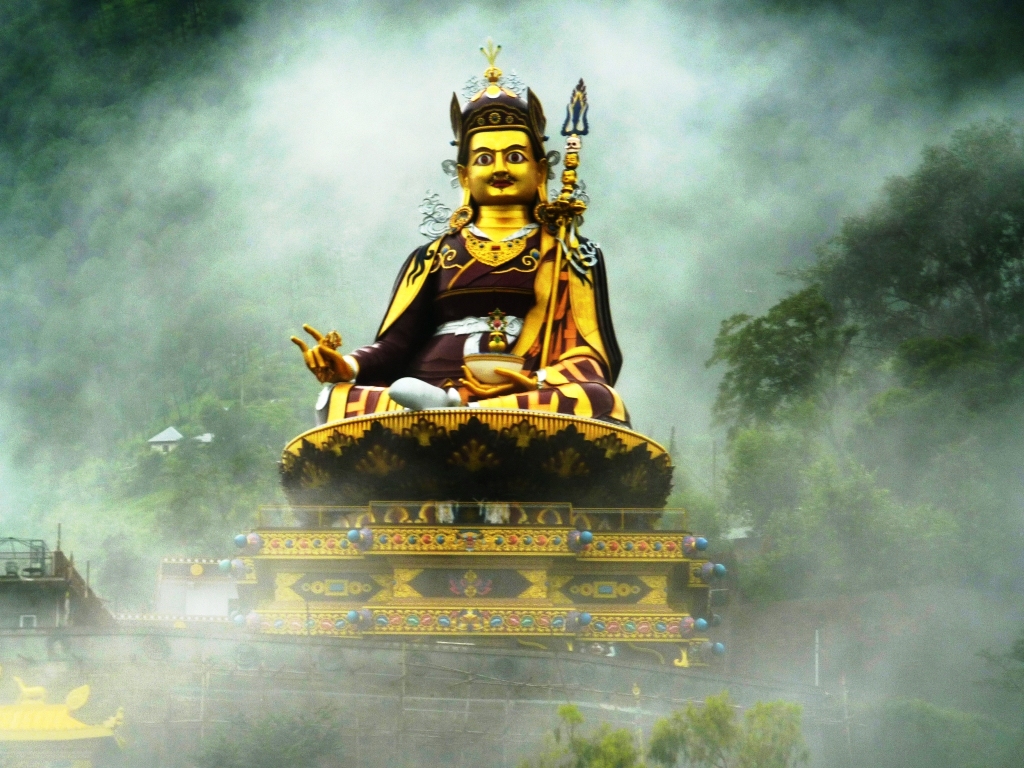 🇮🇳 India and 2 morePadmasambhavaཔདྨ་འབྱུང་གནས།
A tantric master credited with establishing Buddhism in Tibet and founding the Nyingma school.Figure · Protection · Power and authority Living
🇮🇳 India and 2 morePadmasambhavaཔདྨ་འབྱུང་གནས།
A tantric master credited with establishing Buddhism in Tibet and founding the Nyingma school.Figure · Protection · Power and authority Living
 🇮🇳 India and 5 moreShakta pithasशाक्त पीठ (Śākta Pīṭha)
Sacred shrines in Shaktism marking where parts of the goddess Sati fell to earth.Tradition · Speaking with spirits and the dead · Power and authority Living
🇮🇳 India and 5 moreShakta pithasशाक्त पीठ (Śākta Pīṭha)
Sacred shrines in Shaktism marking where parts of the goddess Sati fell to earth.Tradition · Speaking with spirits and the dead · Power and authority Living
 🇮🇳 India and 3 moreMaha Shivaratriमहाशिवरात्रि
A Hindu night of fasting and vigil dedicated to the deity ShivaTradition · Protection · Speaking with spirits and the dead Living
🇮🇳 India and 3 moreMaha Shivaratriमहाशिवरात्रि
A Hindu night of fasting and vigil dedicated to the deity ShivaTradition · Protection · Speaking with spirits and the dead Living
 🇮🇳 India and 2 moreDurga Pujaদুর্গাপূজা
A ten-day autumn festival honouring the goddess Durga and her victory over evil.Tradition · Protection · Luck and prosperity Living
🇮🇳 India and 2 moreDurga Pujaদুর্গাপূজা
A ten-day autumn festival honouring the goddess Durga and her victory over evil.Tradition · Protection · Luck and prosperity Living
 🇮🇳 India and 5 moreHoliहोली
A Hindu spring festival marked by coloured powders and bonfires to celebrate love and virtue.Tradition · Love and attraction · Cursing and harm Living
🇮🇳 India and 5 moreHoliहोली
A Hindu spring festival marked by coloured powders and bonfires to celebrate love and virtue.Tradition · Love and attraction · Cursing and harm Living
 🇮🇳 India and 7 moreMakar Sankrantiमकरसङ्क्रान्ति
A solar festival marking the sun's northward shift and the winter harvest across South Asia.Tradition · Speaking with spirits and the dead Living
🇮🇳 India and 7 moreMakar Sankrantiमकरसङ्क्रान्ति
A solar festival marking the sun's northward shift and the winter harvest across South Asia.Tradition · Speaking with spirits and the dead Living
 🇮🇳 India and 1 morePitru Pakshaपितृ पक्ष
A sixteen-day Hindu period for honoring ancestors through food offerings and death ritesTradition · Speaking with spirits and the dead · Luck and prosperity Living
🇮🇳 India and 1 morePitru Pakshaपितृ पक्ष
A sixteen-day Hindu period for honoring ancestors through food offerings and death ritesTradition · Speaking with spirits and the dead · Luck and prosperity Living
 🇮🇳 India and 2 moreKalachakraདུས་ཀྱི་འཁོར་ལོ།
A Tibetan Buddhist tantric deity and system of yogic time cyclesTradition · Change and initiation · Speaking with spirits and the dead Living
🇮🇳 India and 2 moreKalachakraདུས་ཀྱི་འཁོར་ལོ།
A Tibetan Buddhist tantric deity and system of yogic time cyclesTradition · Change and initiation · Speaking with spirits and the dead Living
 🇨🇳 China and 4 moreSky burialབྱ་གཏོར་
A Tibetan funerary rite where human remains are offered to scavenging birdsRite · Speaking with spirits and the dead · Change and initiation Living
🇨🇳 China and 4 moreSky burialབྱ་གཏོར་
A Tibetan funerary rite where human remains are offered to scavenging birdsRite · Speaking with spirits and the dead · Change and initiation Living
 🇮🇳 India and 4 moreBonབོན།
The indigenous religion of Tibet and the Himalayas, preserving ancient rituals alongside Buddhist teachings.Tradition · Protection · Speaking with spirits and the dead Living
🇮🇳 India and 4 moreBonབོན།
The indigenous religion of Tibet and the Himalayas, preserving ancient rituals alongside Buddhist teachings.Tradition · Protection · Speaking with spirits and the dead Living
 🇮🇳 India and 5 morePilgrimage
A journey to a sacred site for spiritual growth or religious dutyTradition · Healing · Speaking with spirits and the dead Living
🇮🇳 India and 5 morePilgrimage
A journey to a sacred site for spiritual growth or religious dutyTradition · Healing · Speaking with spirits and the dead Living
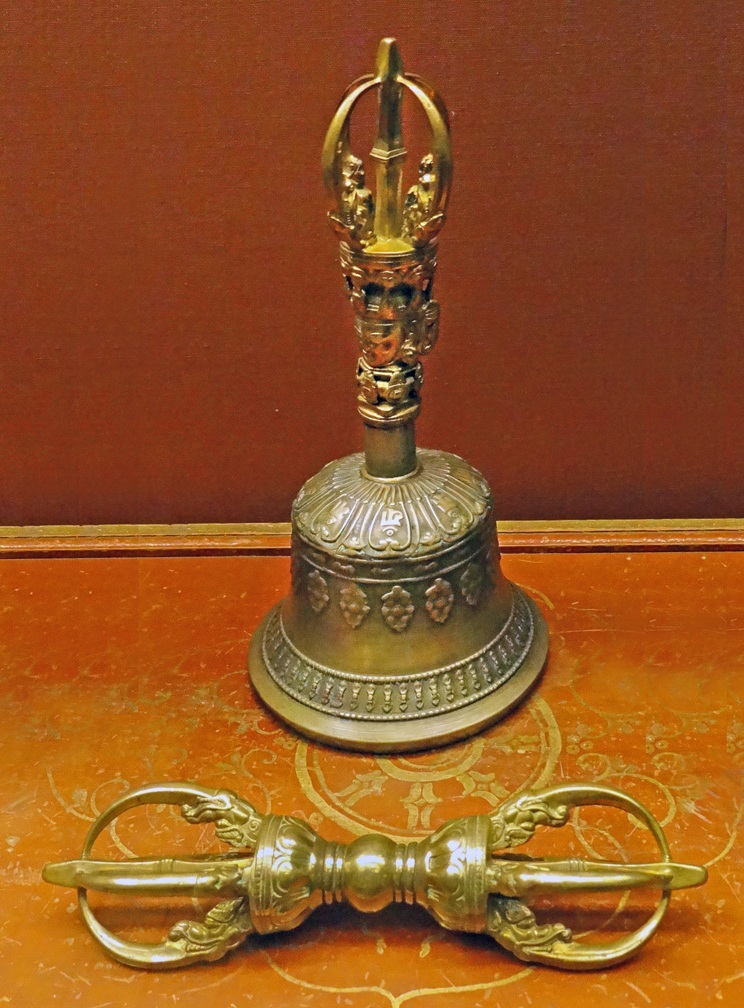 🇮🇳 India and 4 moreVajrayanaVajrayāna
A Buddhist path using rituals and mantras for rapid awakeningTradition · Change and initiation Living
🇮🇳 India and 4 moreVajrayanaVajrayāna
A Buddhist path using rituals and mantras for rapid awakeningTradition · Change and initiation Living
 🇮🇳 India and 5 moreAsian witchcraft
A broad overview of magical practices and persecution across Asian culturesTradition · Cursing and harm · Protection Living
🇮🇳 India and 5 moreAsian witchcraft
A broad overview of magical practices and persecution across Asian culturesTradition · Cursing and harm · Protection Living
Photo credits on this page
The small pictures above come from Wikimedia Commons under free licences. Some are cropped to fit.
- Holi: Jitenderasingh, CC BY-SA 4.0, source
- Kalachakra: Nabin K. Sapkota, CC BY-SA 4.0, source
- Ashtamangala: Redtigerxyz, CC BY-SA 3.0, source
- Tantra: William Clark, Public domain, source
- Navagraha: Kiran891, CC BY-SA 4.0, source
- Yantra: Photo by Daniel Conrad (Chromacon), artwork by Daniel Conrad under dir, Public domain, source
- Yogini: Soumendra Barik, CC BY-SA 3.0, source
- Witch doctor: Lucjan Wędrychowski, Public domain, source
- Asian witchcraft: Utagawa Kuniyoshi, Public domain, source
- Durga Puja: Subhrajyoti07, CC BY-SA 4.0, source
- Pitru Paksha: Firoz Shakir, CC BY-SA 3.0, source
- Shakta pithas: Abhishek Chandra, Public domain, source
- Sky burial: FishOil at English Wikipedia, Public domain, source
- Bon: Jialiang Gao (peace-on-earth.org), CC BY-SA 3.0, source
- Makar Sankranti: Saloni Desai, CC BY-SA 2.0, source
- Padmasambhava: John Hill, CC BY-SA 3.0, source
- Maha Shivaratri: Navneesh Ramessur, CC BY-SA 4.0, source
- Pilgrimage: Ali Mansuri, CC BY-SA 2.5, source
- Vajrayana: Jean-Pierre Dalbéra, CC BY 2.0, source
The weekly digest
Every Monday: seven entries you may not know, what is on the calendar this week, and one rite drawn step by step.