🇩🇪 Magic in Germany
171 entries from Germany, best known first, across 80 places of magic.
German folklore preserves pre-Christian spirits and seasonal customs alongside Christian traditions. It reflects a shared Germanic heritage with Nordic and English beliefs, evolving from oral history into national cultural identity.
- Household spirits like Kobolds are said to help or hinder domestic life
- Walpurgisnacht is a spring festival derived from older pagan customs
- The Brothers Grimm collected oral histories to build a national identity
- Mountain spirits such as Rübezahl are central to regional legends
- Folklore was used as propaganda during the National Socialist era
Overview
This tradition spans Germany and other German-speaking regions like Austria and parts of Switzerland. It retains elements of old Germanic mythology, including nature spirits and household entities that survived the shift to Christianity. The stories often blend pagan roots with later religious festivals. Scholars note that these tales helped shape a sense of national unity during the nineteenth century, though they were later misused for political propaganda in the twentieth century.
Practices and beliefs
Beliefs include encounters with dwarves, elves, and mountain spirits like Rübezahl. Household helpers such as Kobolds are said to protect homes or cause mischief. Water nymphs guard rivers, while wild hunt leaders ride through the skies. Magical plants like mandrake are featured in legends. Trickster figures and moral tales about death and greed remain popular narrative forms across the region.
Rites and charms
Seasonal celebrations mark the year, including Walpurgisnacht in spring and Yule customs involving appeasing winter witches. Saint Nicholas visits are accompanied by rough companions who discipline children. Krampus runs occur during the Advent season. These events blend ancient agricultural cycles with modern holiday traditions, maintaining community bonds through shared storytelling and ritual behavior.
Who practises
No specific professional class is defined in the text. The tradition relies on oral transmission by families and communities. Collectors like the Brothers Grimm documented these stories, turning local lore into published literature. Their work influenced artists and writers, elevating folk tales from private family memories to public cultural assets.
Regions and communities
The folklore covers all German-speaking areas, including parts of Belgium, Luxembourg, and Italy. Regional variations exist in spirit names and local legends. Mountainous areas feature distinct entities compared to coastal zones. The diversity reflects the historical fragmentation of German polities before unification.
The calendar
Key times include Walpurgisnacht, Easter with its hare symbols, and Christmas with its various gift-bringers. Winter solstice traditions involve appeasing spirits. These dates anchor the supernatural world to the natural cycle of seasons, ensuring that mythical beings remain relevant to daily life throughout the year.
Law and the state
During the National Socialist era, folklore studies were co-opted to support anti-democratic policies and antisemitic myths. This period saw the manipulation of traditional customs for political ends. Modern legal status is not detailed in the provided material.
Today
The legacy persists in literature, opera, and tourism. Stories inspired famous works like Wagner's operas and American tales by Washington Irving. Contemporary interest focuses on preserving cultural heritage rather than active magical practice.
The facts in this overview come from the Wikipedia article "German folklore", written by its contributors and used under the CC BY-SA 4.0 licence. EveryJaadu rewrote the text in its own words, with AI assistance, and compares every page with the article to make sure no passage is copied. It may be reused under the same CC BY-SA 4.0 licence with a link back.
Places of magic in Germany
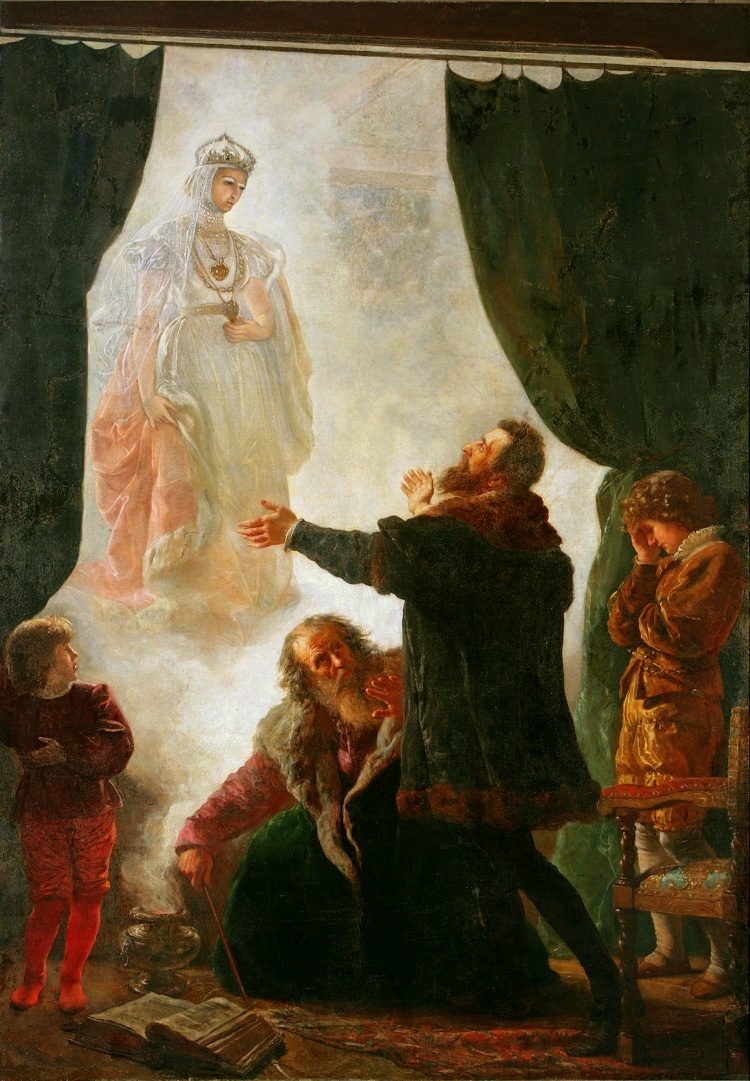 🇩🇪 Germany and 4 moreWeiße Frauen
Elven spirits of sunlight and water in Germanic folkloreBeing · Wonder and entertainment Historical
 🇩🇪 GermanyAlgiz
A runic letter representing a terminal sound and later symbols of life and deathText Historical
 🇸🇪 Sweden and 4 moreSun cross
A cross inside a circle found in prehistoric art and modern political symbolsBelief · Power and authority Historical
🇵🇱 Poland and 1 moreTwardowski's Mirror
A cracked Renaissance mirror linked to the legend of a magical alchemistCharm · Power and authority Historical
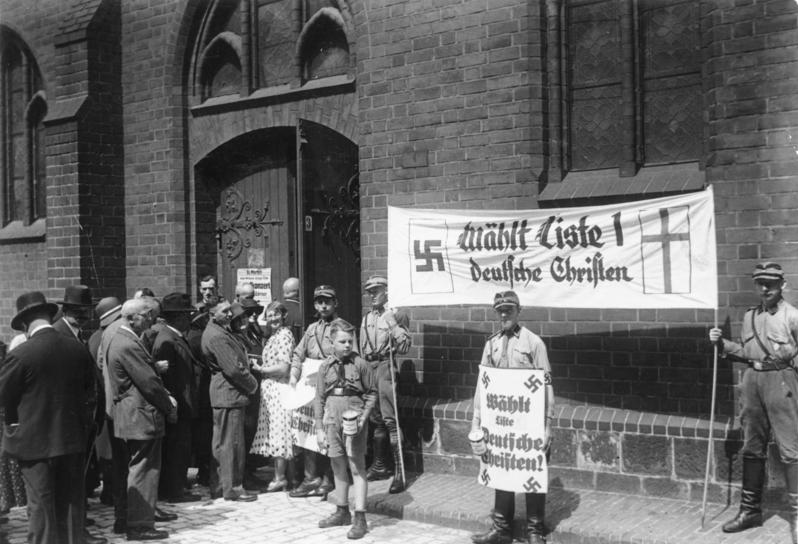 🇩🇪 Germany and 1 moreReligious aspects of Nazism
The study of how Nazi ideology borrowed religious forms and esoteric beliefs to build a political movement.Tradition · Power and authority · Cursing and harm Historical
🇩🇪 GermanyThule SocietyThule-Gesellschaft
A German occult group that sponsored the early Nazi party and promoted racial mysticism.Tradition · Cursing and harm · Power and authority Historical
 🇮🇪 Ireland and 3 moreFairy path
An invisible route used by fairies, often straight and connecting sacred sitesBelief · Cursing and harm · Protection Historical
 🇩🇪 GermanyAGLAאגלא
A Hebrew magic word used in Jewish and medieval European charmsBelief · Protection Historical
 🇸🇪 Sweden and 4 moreKing LindwormKong Lindorm
A Danish folktale about a serpent prince and the bride who sheds his skins to reveal his human form.Figure · Change and initiation · Love and attraction Historical
 🇩🇪 Germany and 5 moreNazi UFOs
A conspiracy theory linking Nazi Germany to advanced flying discs and alien contact.Belief · Wonder and entertainment Historical
🇩🇪 Germany and 1 moreProtests against early modern witch trials
Objections to the European witch hunts, made in court, in church and in printBelief Historical
 🇸🇪 Sweden and 3 moreAlu
A runic charm word found on Germanic artifacts, linked to magic and intoxication.Charm · Power and authority · Wonder and entertainment Historical
 🇦🇹 Austria and 1 moreArmanen runes
An invented runic system created by Guido von List in the early twentieth centuryText · Power and authority Living
🇩🇪 Germany and 3 morePalestinabuch
A lost manuscript by Herman Wirth said to reveal the secret history of Jews and Aryans.Text · Cursing and harm Historical
 🇩🇪 Germany and 3 moreMaterialization (paranormal)
The claimed appearance of matter from unknown sources in spiritualist séancesBelief · Wonder and entertainment Historical
🇩🇪 GermanyGerman Faith MovementDeutsche Glaubensbewegung
A Nazi-era religious movement seeking to replace Christianity with Germanic paganism and state ideology.Tradition · Power and authority Historical
 🇩🇪 Germany and 5 moreWitchcraft accusations against children
Historical and modern persecution of children blamed for witchcraftBelief · Cursing and harm Living
 🇩🇪 Germany and 5 moreYellow badgeJudenstern
A marked garment worn by Jews under laws of distinction and humiliation across centuries.Charm · Cursing and harm Historical
🇯🇵 Japan and 3 moreThoughtography念写
A claimed psychic ability to imprint mental images directly onto photographic film.Belief · Wonder and entertainment Historical
🇩🇪 Germany and 2 moreFraternitas Saturni
A German esoteric order focused on Saturn magic and astrological teachingsTradition · Power and authority Living
 🇫🇷 France and 4 moreEctoplasm
A substance said to be excreted by mediums during séances, later exposed as common household materials.Substance · Speaking with spirits and the dead Historical
Photo credits on this page
The small pictures above come from Wikimedia Commons under free licences. Some are cropped to fit.
- Materialization (paranormal): Unknown author, Public domain, source
- Mediumship: Harvey Metcalfe, Public domain, source
- Witchcraft accusations against children: Radbot, CC BY-SA 3.0, source
- Nazi UFOs: Nesnad, CC0, source
- AGLA: Stephan Michelspacher, Public domain, source
- Weiße Frauen: Wojciech Gerson, Public domain, source
- Yellow badge: Edited version of original photo by Rama, CC BY-SA 3.0, source
- Fairy path: Aviddoghug at English Wikipedia ( Original text: David Gough ), Public domain, source
- King Lindworm: Lang, Andrew, 1844-1912, ed, No restrictions, source
- Alu: Bloodofox, CC BY-SA 3.0, source
- Sun cross: National Museum of Denmark, CC BY-SA 3.0, source
- Algiz: Arolsen Archives, CC BY-SA 4.0, source
- Armanen runes: Jugydmort, CC BY-SA 4.0, source
- Religious aspects of Nazism: Unknown author, CC BY-SA 3.0 de, source
The weekly digest
Every Monday: seven entries you may not know, what is on the calendar this week, and one rite drawn step by step.