Pagan and Neopagan: magic in this belief world
Ancient pagan religions, and the modern revival: Wicca, Druidry, Heathenry.
Pagan and Neopagan traditions include the religions of the ancient world, such as Greek, Roman, Norse and Celtic, which survive in fragments, and the modern revival: Wicca, Druidry, Heathenry, Hellenism and Rodnovery. Pagan was a Christian word for the non-Christian. Today many people use it for themselves. This page covers the modern and ancient strands and why they are often confused. Neopaganism is now one of the fastest-growing religious minorities in several Western countries.
Ancient and modern
Ancient pagan religions were state and household religions with temples, sacrifices, oracles and magic. They were replaced or suppressed with the spread of Christianity from the fourth century. Modern Paganism began in the twentieth century: Gerald Gardner's Wicca in the 1950s, Druid orders from the eighteenth century, and Heathen groups in Iceland, Scandinavia and North America. They are new religions drawing on old sources. Ancient religions in Greece, Rome and Egypt had priesthoods and temples, and oracles such as Delphi and Siwa drew visitors from far away.
A contested past
Margaret Murray's 1921 claim that witch trials hit a surviving pagan religion shaped the early movement, and was later rejected by historians such as Norman Cohn and Ronald Hutton. Modern Pagans now often accept their traditions as created and revived, and speak of inspiration. Some Heathen groups have been linked to racist movements, which most Heathens condemn. Wicca is a religion with initiation, a god and goddess and a yearly cycle of eight festivals, while Druidry, Heathenry and others have their own forms.
Gender, law and community
Wicca and Goddess movements gave women priestly roles, and many covens are led by women. Pagans have faced discrimination and moral panics, including the Satanic panic of the 1980s. In Britain, the last Witchcraft Act was replaced in 1951. In Iceland the Asatru Fellowship has been recognised since 1973. Pagan chaplains now serve in prisons and the armed forces in some countries. Many Pagans see themselves as part of an environmental and feminist movement, and others focus on ancestral heritage.
Commerce and ethics
Pagan books, tarot, crystals and festivals are a large market. Wicca borrows from many cultures, which raises questions of appropriation, and some Pagans work to credit sources. Scholars call the field a case study in how religion is invented. Pagans themselves often say that what matters is practice and community. Scholars regard Paganism as part of the religious landscape and no longer as a curiosity, and Pagan studies has become an academic field.
Pagan and Neopagan on EveryJaadu
The entries written up so far, best known first.
 🇮🇳 India and 5 moreAstrology
A divinatory practice that reads human fate through the positions of celestial bodies.Belief · Seeing and foretelling · Luck and prosperity Living
🇮🇳 India and 5 moreAstrology
A divinatory practice that reads human fate through the positions of celestial bodies.Belief · Seeing and foretelling · Luck and prosperity Living
 🇬🇷 Greece and 5 moreCrossroads (folklore)
A junction between worlds where spirits are met and deals are madeBelief · Speaking with spirits and the dead · Cursing and harm Living
🇬🇷 Greece and 5 moreCrossroads (folklore)
A junction between worlds where spirits are met and deals are madeBelief · Speaking with spirits and the dead · Cursing and harm Living
 🇮🇹 ItalyFortunaFortūna
The Roman goddess of luck and fate, shown with a wheel and a horn of plentyBeing · Luck and prosperity · Seeing and foretelling Historical
🇮🇹 ItalyFortunaFortūna
The Roman goddess of luck and fate, shown with a wheel and a horn of plentyBeing · Luck and prosperity · Seeing and foretelling Historical
 🇸🇪 Sweden and 5 moreMidsummerJāņi; Joninės; Jaanipäev; Enyovden; Litha; Juhannus
A summer solstice festival marked by bonfires, maypole dancing, and feasting across Europe.Tradition · Protection · Luck and prosperity Living
🇸🇪 Sweden and 5 moreMidsummerJāņi; Joninės; Jaanipäev; Enyovden; Litha; Juhannus
A summer solstice festival marked by bonfires, maypole dancing, and feasting across Europe.Tradition · Protection · Luck and prosperity Living
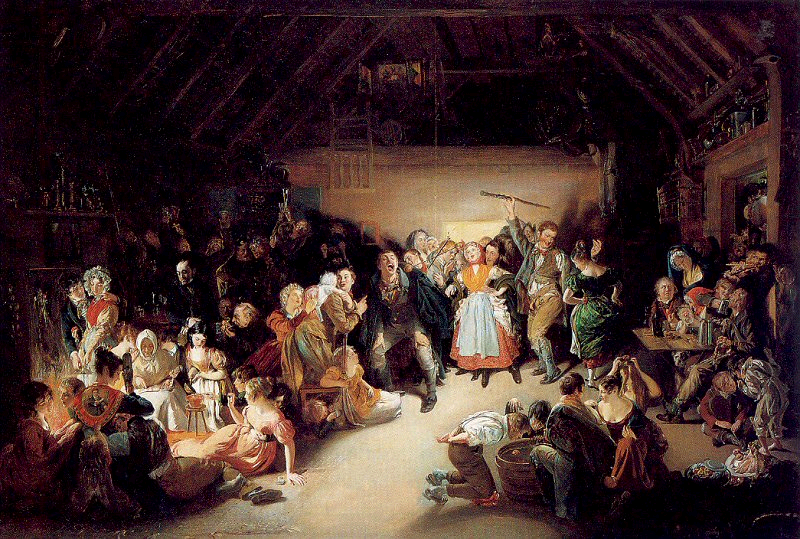 🇮🇪 Ireland and 1 moreSamhain
A Gaelic festival marking the end of harvest and the start of winter, observed on November 1st.Tradition · Protection · Speaking with spirits and the dead Living
🇮🇪 Ireland and 1 moreSamhain
A Gaelic festival marking the end of harvest and the start of winter, observed on November 1st.Tradition · Protection · Speaking with spirits and the dead Living
 🇮🇸 Iceland and 1 moreNornsnornir
Fate-weaving figures from Norse myth who shape human destiny and tend the world tree.Being · Cursing and harm · Luck and prosperity Historical
🇮🇸 Iceland and 1 moreNornsnornir
Fate-weaving figures from Norse myth who shape human destiny and tend the world tree.Being · Cursing and harm · Luck and prosperity Historical
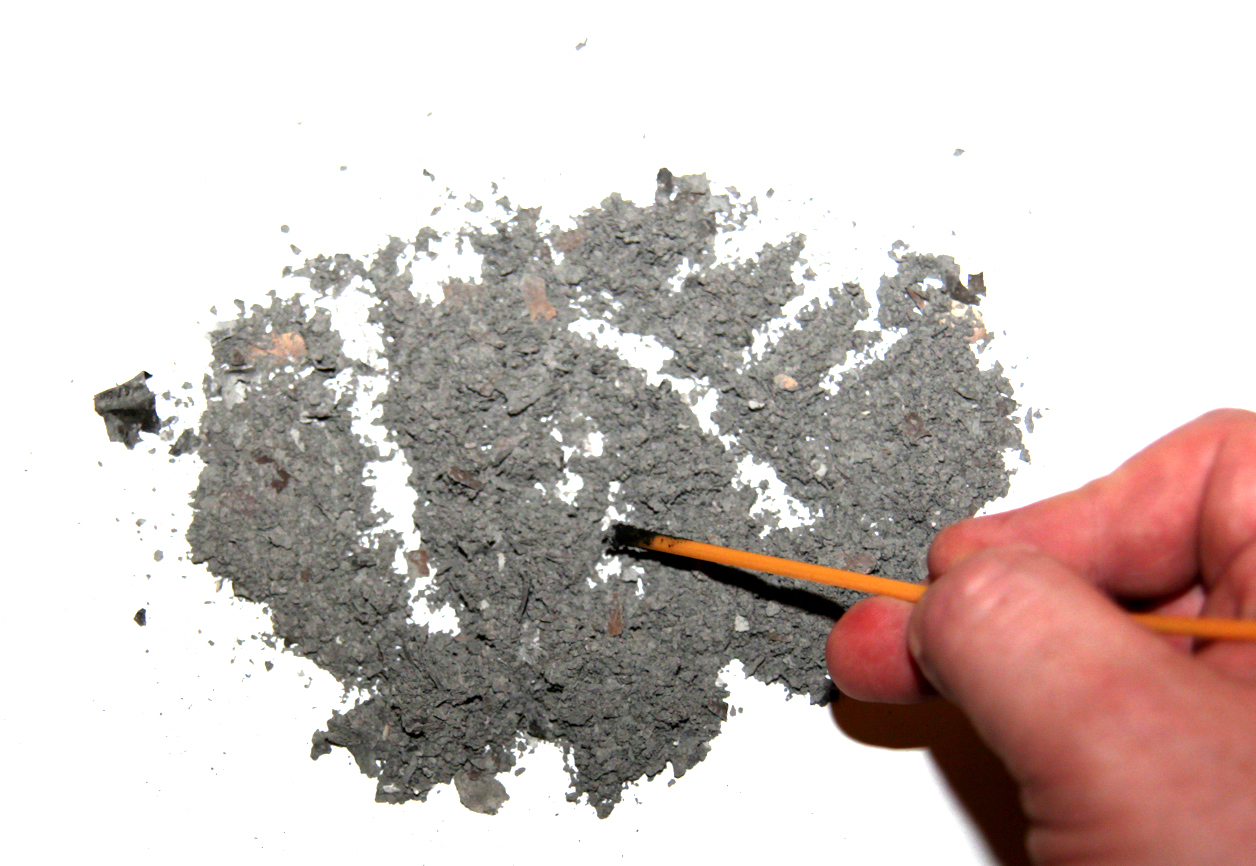 🇬🇷 Greece and 5 moreSpodomancy
Divination by reading omens in ashes, soot, and cindersOracle · Seeing and foretelling · Healing Living
🇬🇷 Greece and 5 moreSpodomancy
Divination by reading omens in ashes, soot, and cindersOracle · Seeing and foretelling · Healing Living
 🇷🇺 Russia and 5 moreSlavic religion
The pre-Christian beliefs of the Slavic peoples before their conversion to Christianity.Tradition · Protection · Healing Revived
🇷🇺 Russia and 5 moreSlavic religion
The pre-Christian beliefs of the Slavic peoples before their conversion to Christianity.Tradition · Protection · Healing Revived
 🇮🇸 Iceland and 2 moreYulejól
A Germanic midwinter festival merged with Christmas and revived by modern pagansTradition · Luck and prosperity · Speaking with spirits and the dead Living
🇮🇸 Iceland and 2 moreYulejól
A Germanic midwinter festival merged with Christmas and revived by modern pagansTradition · Luck and prosperity · Speaking with spirits and the dead Living
 🇮🇪 Ireland and 4 moreWinter solstice
The shortest day and longest night of the year, marked by rites of solar returnTradition · Seeing and foretelling · Protection Living
🇮🇪 Ireland and 4 moreWinter solstice
The shortest day and longest night of the year, marked by rites of solar returnTradition · Seeing and foretelling · Protection Living
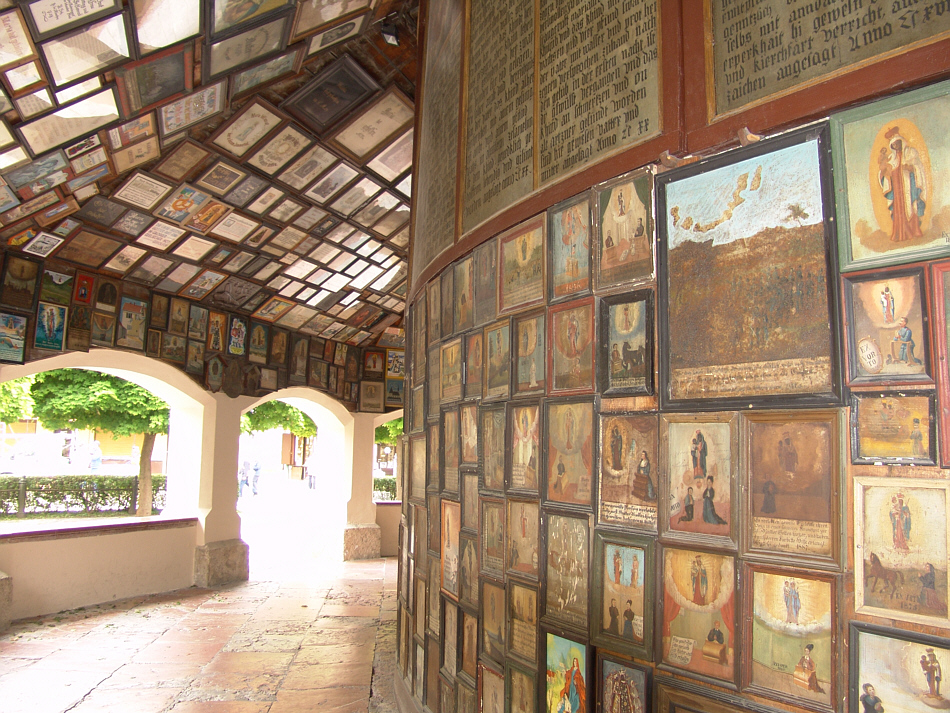 🇬🇷 Greece and 5 moreVotive offering
Objects left in sacred places to honor a deity or fulfill a vow, never to be recovered.Tradition · Protection · Healing Living
🇬🇷 Greece and 5 moreVotive offering
Objects left in sacred places to honor a deity or fulfill a vow, never to be recovered.Tradition · Protection · Healing Living
 🇬🇷 Greece and 2 moreCurse tabletκατάδεσμος
A lead sheet inscribed with a binding curse in the Greco-Roman worldCharm · Cursing and harm · Love and attraction Historical
🇬🇷 Greece and 2 moreCurse tabletκατάδεσμος
A lead sheet inscribed with a binding curse in the Greco-Roman worldCharm · Cursing and harm · Love and attraction Historical
 🇬🇧 United Kingdom and 1 moreĒostre
An Anglo-Saxon goddess linked to spring and the dawn, whose name became Easter.Being · Luck and prosperity Historical
🇬🇧 United Kingdom and 1 moreĒostre
An Anglo-Saxon goddess linked to spring and the dawn, whose name became Easter.Being · Luck and prosperity Historical
 🇪🇪 Estonia and 5 moreFern flower
A mythical bloom said to bring fortune and unlock secrets, found only on midsummer night.Belief · Luck and prosperity · Love and attraction Living
🇪🇪 Estonia and 5 moreFern flower
A mythical bloom said to bring fortune and unlock secrets, found only on midsummer night.Belief · Luck and prosperity · Love and attraction Living
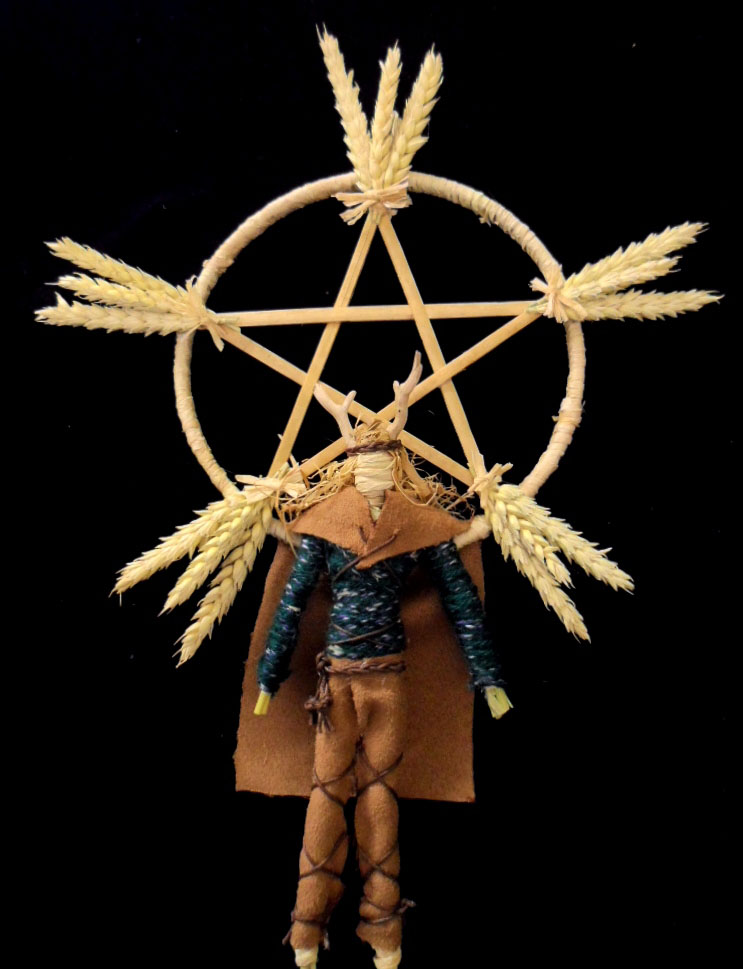 🇮🇪 Ireland and 1 moreLughnasadhLúnasa
A Gaelic harvest festival marking the beginning of the grain gathering seasonTradition · Luck and prosperity · Speaking with spirits and the dead Living
🇮🇪 Ireland and 1 moreLughnasadhLúnasa
A Gaelic harvest festival marking the beginning of the grain gathering seasonTradition · Luck and prosperity · Speaking with spirits and the dead Living
 🇮🇹 Italy and 1 moreSaturnSāturnus
Roman god of time and agriculture, linked to the Saturnalia festivalBeing · Luck and prosperity · Power and authority Historical
🇮🇹 Italy and 1 moreSaturnSāturnus
Roman god of time and agriculture, linked to the Saturnalia festivalBeing · Luck and prosperity · Power and authority Historical
 🇫🇷 France and 5 moreYule log
A large wooden log burned in the hearth during winter festivals across Europe and North America.Tradition · Protection · Luck and prosperity Living
🇫🇷 France and 5 moreYule log
A large wooden log burned in the hearth during winter festivals across Europe and North America.Tradition · Protection · Luck and prosperity Living
 🇸🇪 Sweden and 2 moreDísdísir
Female spirits of fate and protection in Norse traditionBeing · Protection · Luck and prosperity Historical
🇸🇪 Sweden and 2 moreDísdísir
Female spirits of fate and protection in Norse traditionBeing · Protection · Luck and prosperity Historical
 🇪🇬 Egypt and 1 moreAgathos Daimonἀγαθὸς δαίμων
A noble spirit and serpent deity of Greek and Egyptian traditionBeing · Protection · Luck and prosperity Historical
🇪🇬 Egypt and 1 moreAgathos Daimonἀγαθὸς δαίμων
A noble spirit and serpent deity of Greek and Egyptian traditionBeing · Protection · Luck and prosperity Historical
 🇹🇷 Turkey and 1 moreMidasΜίδας
A Phrygian king from Greek myth who gained a golden touch and donkey earsFigure · Luck and prosperity · Cursing and harm Legendary
🇹🇷 Turkey and 1 moreMidasΜίδας
A Phrygian king from Greek myth who gained a golden touch and donkey earsFigure · Luck and prosperity · Cursing and harm Legendary
Photo credits on this page
The small pictures above come from Wikimedia Commons under free licences. Some are cropped to fit.
- Yule log: Pehr Arvid Säve (1811—1887), Public domain, source
- Crossroads (folklore): MiddleOfAfrica, CC BY-SA 4.0, source
- Fortuna: Charles Samuel, CC BY-SA 4.0, source
- Astrology: Wilfredor, CC0, source
- Midsummer: Kora27, CC BY-SA 4.0, source
- Samhain: Daniel Maclise, Public domain, source
- Norns: file: James Steakley ; artwork: Gustav Heidenreich, Public domain, source
- Spodomancy: Tim1965, CC BY-SA 3.0, source
- Slavic religion: Alphonse Mucha, Public domain, source
- Yule: Robert Chambers, Public domain, source
- Winter solstice: Image by Przemyslaw " Blueshade " Idzkiewicz, CC BY-SA 2.0, source
- Votive offering: Walter J. Pilsak, Waldsassen ( W.J.Pilsak at de.wikipedia ), CC BY-SA 3.0, source
- Curse tablet: Unknown artist, Public domain, source
- Ēostre: Johannes Gehrts (1855–1921), Public domain, source
- Fern flower: Antoni Piotrowski, Public domain, source
- Lughnasadh: Mountainash333, CC BY-SA 3.0, source
- Saturn: Robert Lowe, CC BY 2.0, source
- Midas: The Midas Painter, CC BY-SA 4.0, source
- Dís: Emil Doepler, Public domain, source
- Agathos Daimon: Carole Raddato, CC BY-SA 2.0, source