Christian: magic in this belief world
Blessings, saints' relics, exorcism, folk charms and the long Church argument about magic.
Christianity has had a long, tense relationship with magic. The Church blessed objects, honoured saints and relics, performed exorcisms, and also condemned sorcery and witchcraft. Folk Christianity around the world mixes prayer, charms, holy water, saints' medals and healing rites. This page covers how Christian churches have defined, absorbed and punished magic, and how the story differs across continents. Christianity includes Catholic, Orthodox, Protestant, Pentecostal and independent African and Asian churches, each with its own view of magic.
Blessing and the sacramental world
Catholic and Orthodox Christianity have a rich set of blessings and sacramentals: holy water, candles, medals, icons, relics and the sign of the cross. Believers hold that these work through God and the Church, not by themselves. Protestants largely rejected this system as superstition, and Pentecostals have developed their own deliverance and healing practice. The Orthodox churches give the blessing of homes, boats and fields a central place, and Catholic practice includes pilgrimage, processions and prayer to saints for specific needs, such as St Jude for hard cases.
Exorcism, witch trials and the Church
The Church has a formal rite of exorcism, used rarely and by authorised priests. European witch trials, which involved both Catholic and Protestant courts, killed tens of thousands between about 1450 and 1750. Historians such as Brian Levack stress that most trials were run by secular authorities. Modern accusations by some churches against children in parts of Africa have led to abuse. Protestant reformers broke with this system, and from the sixteenth century the burning of witches was supported by many Protestant authorities and many Catholic ones, though other clergy and judges spoke against it.
Missions and renaming
Missionaries often labelled Indigenous religions as devil worship and fetishism, and suppressed rites. In Latin America and Africa, many practices went underground or fused with Christianity: Santeria with Catholic saints, Vodou with Catholic imagery, Andean offerings with saints' days. Independent African churches and the Brazilian Spiritists grew from these meetings. Pentecostal and charismatic churches, which have grown fast in Africa, Latin America and Asia, offer healing, prophecy and deliverance as part of their worship, and are criticised by some for demonising local traditions.
Folk practice and today
Folk Christianity includes St Anthony charms for lost items, the St Christopher medal for travel, the Orthodox Easter fire, and the Mexican cult of Santa Muerte, which the Church rejects. Prosperity preaching sells faith-linked results, and some pastors charge for miracles. Scholars note that the line between religion and magic was drawn largely by Christian writers. Historians, such as Eamon Duffy and Keith Thomas, have shown that medieval Christianity was shot through with practices that later reformers redefined as magic.
Christian on EveryJaadu
The entries written up so far, best known first.
 🇫🇷 France and 5 moreYule log
A large wooden log burned in the hearth during winter festivals across Europe and North America.Tradition · Protection · Luck and prosperity Living
🇫🇷 France and 5 moreYule log
A large wooden log burned in the hearth during winter festivals across Europe and North America.Tradition · Protection · Luck and prosperity Living
 🇪🇸 Spain and 5 moreAlfonso X of Castileel Sabio
A medieval king who sponsored astronomical tables and translated works on magic and astrology.Text · Power and authority · Seeing and foretelling Historical
🇪🇸 Spain and 5 moreAlfonso X of Castileel Sabio
A medieval king who sponsored astronomical tables and translated works on magic and astrology.Text · Power and authority · Seeing and foretelling Historical
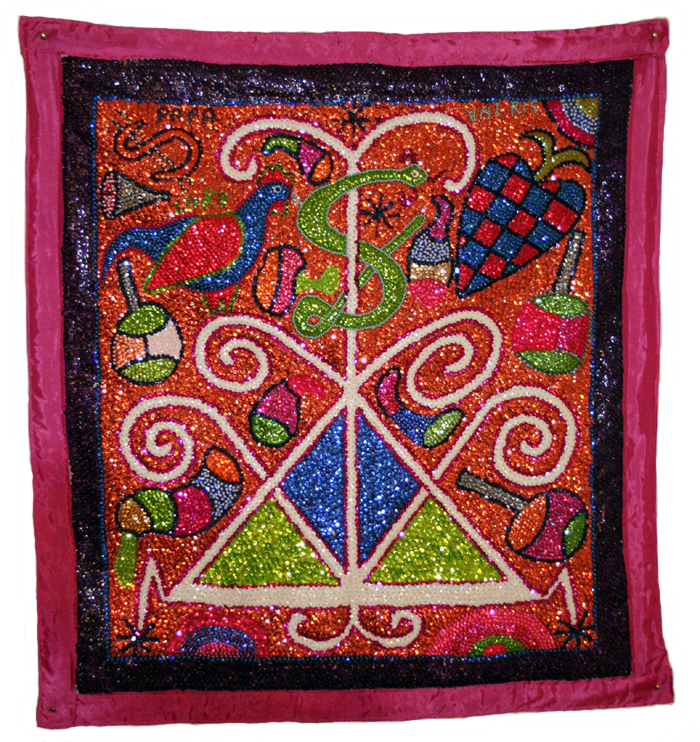 🇭🇹 Haiti and 2 moreHaitian VodouVodou
An Afro-Haitian religion blending West African traditions with Catholicism and FreemasonryTradition · Protection · Healing Living
🇭🇹 Haiti and 2 moreHaitian VodouVodou
An Afro-Haitian religion blending West African traditions with Catholicism and FreemasonryTradition · Protection · Healing Living
 🇮🇷 Iran and 5 moreMagi
Priests of Zoroastrianism and the figures who inspired the word for magicTradition · Seeing and foretelling · Power and authority Living
🇮🇷 Iran and 5 moreMagi
Priests of Zoroastrianism and the figures who inspired the word for magicTradition · Seeing and foretelling · Power and authority Living
 🇫🇷 France and 2 moreÉliphas Lévi
A French writer who shaped modern occult thought and ceremonial magic.Text · Power and authority · Speaking with spirits and the dead Historical
🇫🇷 France and 2 moreÉliphas Lévi
A French writer who shaped modern occult thought and ceremonial magic.Text · Power and authority · Speaking with spirits and the dead Historical
 🇵🇭 PhilippinesPhilippine mythology
The indigenous myths and spirits of the Philippines, shaped by centuries of trade and colonial contact.Tradition · Speaking with spirits and the dead · Power and authority Living
🇵🇭 PhilippinesPhilippine mythology
The indigenous myths and spirits of the Philippines, shaped by centuries of trade and colonial contact.Tradition · Speaking with spirits and the dead · Power and authority Living
 🇳🇿 New Zealand and 5 moreFace tattoo
Marks inked on the face for spiritual protection, identity, rank, and rite of passageTradition · Protection · Power and authority Living
🇳🇿 New Zealand and 5 moreFace tattoo
Marks inked on the face for spiritual protection, identity, rank, and rite of passageTradition · Protection · Power and authority Living
 🇮🇳 India and 5 moreSnake worship
Veneration of serpents as divine or ancestral beings across global culturesTradition · Protection · Healing Living
🇮🇳 India and 5 moreSnake worship
Veneration of serpents as divine or ancestral beings across global culturesTradition · Protection · Healing Living
 🇪🇬 Egypt and 5 moreSacred dance
Movement used in worship to honour deities, heal communities, or connect with the spirit world.Tradition · Protection · Healing Living
🇪🇬 Egypt and 5 moreSacred dance
Movement used in worship to honour deities, heal communities, or connect with the spirit world.Tradition · Protection · Healing Living
 🇷🇸 Serbia and 3 moreSerbian folkloreСрпски фолклор
The folk traditions and epic poetry of the Serbs, blending pre-Christian customs with Orthodox faith.Tradition · Speaking with spirits and the dead · Power and authority Living
🇷🇸 Serbia and 3 moreSerbian folkloreСрпски фолклор
The folk traditions and epic poetry of the Serbs, blending pre-Christian customs with Orthodox faith.Tradition · Speaking with spirits and the dead · Power and authority Living
 🇸🇳 Senegal and 5 morePentagramπεντάγραμμον
A five-pointed star figure used across history for protection, ritual, and cosmologyCharm · Protection · Binding and oaths Living
🇸🇳 Senegal and 5 morePentagramπεντάγραμμον
A five-pointed star figure used across history for protection, ritual, and cosmologyCharm · Protection · Binding and oaths Living
 🇺🇸 United States and 5 moreSatanism
A modern set of beliefs using the figure of Satan as a symbol or deity.Tradition · Power and authority · Cursing and harm Living
🇺🇸 United States and 5 moreSatanism
A modern set of beliefs using the figure of Satan as a symbol or deity.Tradition · Power and authority · Cursing and harm Living
 🇬🇷 Greece and 5 moreNecromancy
A form of divination that seeks to speak with the dead for hidden knowledge.Tradition · Seeing and foretelling · Power and authority Historical
🇬🇷 Greece and 5 moreNecromancy
A form of divination that seeks to speak with the dead for hidden knowledge.Tradition · Seeing and foretelling · Power and authority Historical
 🇮🇹 Italy and 3 moreRenaissance magic
A 15th and 16th century revival of magical arts blending philosophy, astrology, and hidden knowledge.Tradition · Power and authority · Seeing and foretelling Historical
🇮🇹 Italy and 3 moreRenaissance magic
A 15th and 16th century revival of magical arts blending philosophy, astrology, and hidden knowledge.Tradition · Power and authority · Seeing and foretelling Historical
 🇬🇧 United Kingdom and 1 moreJohn Dee
An English scholar and advisor to Elizabeth I who pursued angelic communication through scrying.Tradition · Speaking with spirits and the dead · Seeing and foretelling Historical
🇬🇧 United Kingdom and 1 moreJohn Dee
An English scholar and advisor to Elizabeth I who pursued angelic communication through scrying.Tradition · Speaking with spirits and the dead · Seeing and foretelling Historical
 🇮🇹 ItalyArcheosofica
A school of esoteric Christianity founded in Rome that teaches ascetic disciplines and magical theory.Tradition · Power and authority · Speaking with spirits and the dead Living
🇮🇹 ItalyArcheosofica
A school of esoteric Christianity founded in Rome that teaches ascetic disciplines and magical theory.Tradition · Power and authority · Speaking with spirits and the dead Living
 🇬🇧 United Kingdom and 2 moreAetherius Society
A new religious movement blending theosophy, UFO claims, and spiritual healing to aid humanity.Tradition · Protection · Healing Living
🇬🇧 United Kingdom and 2 moreAetherius Society
A new religious movement blending theosophy, UFO claims, and spiritual healing to aid humanity.Tradition · Protection · Healing Living
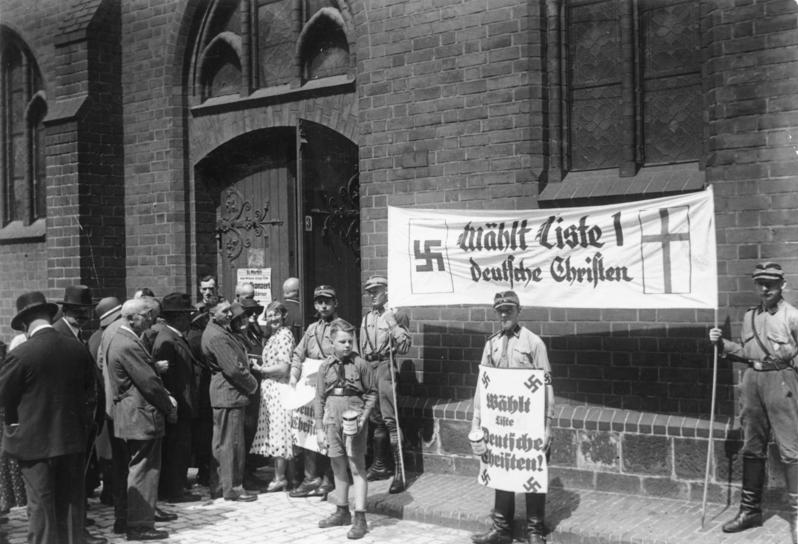 🇩🇪 Germany and 1 moreReligious aspects of Nazism
The study of how Nazi ideology borrowed religious forms and esoteric beliefs to build a political movement.Tradition · Power and authority · Cursing and harm Historical
🇩🇪 Germany and 1 moreReligious aspects of Nazism
The study of how Nazi ideology borrowed religious forms and esoteric beliefs to build a political movement.Tradition · Power and authority · Cursing and harm Historical
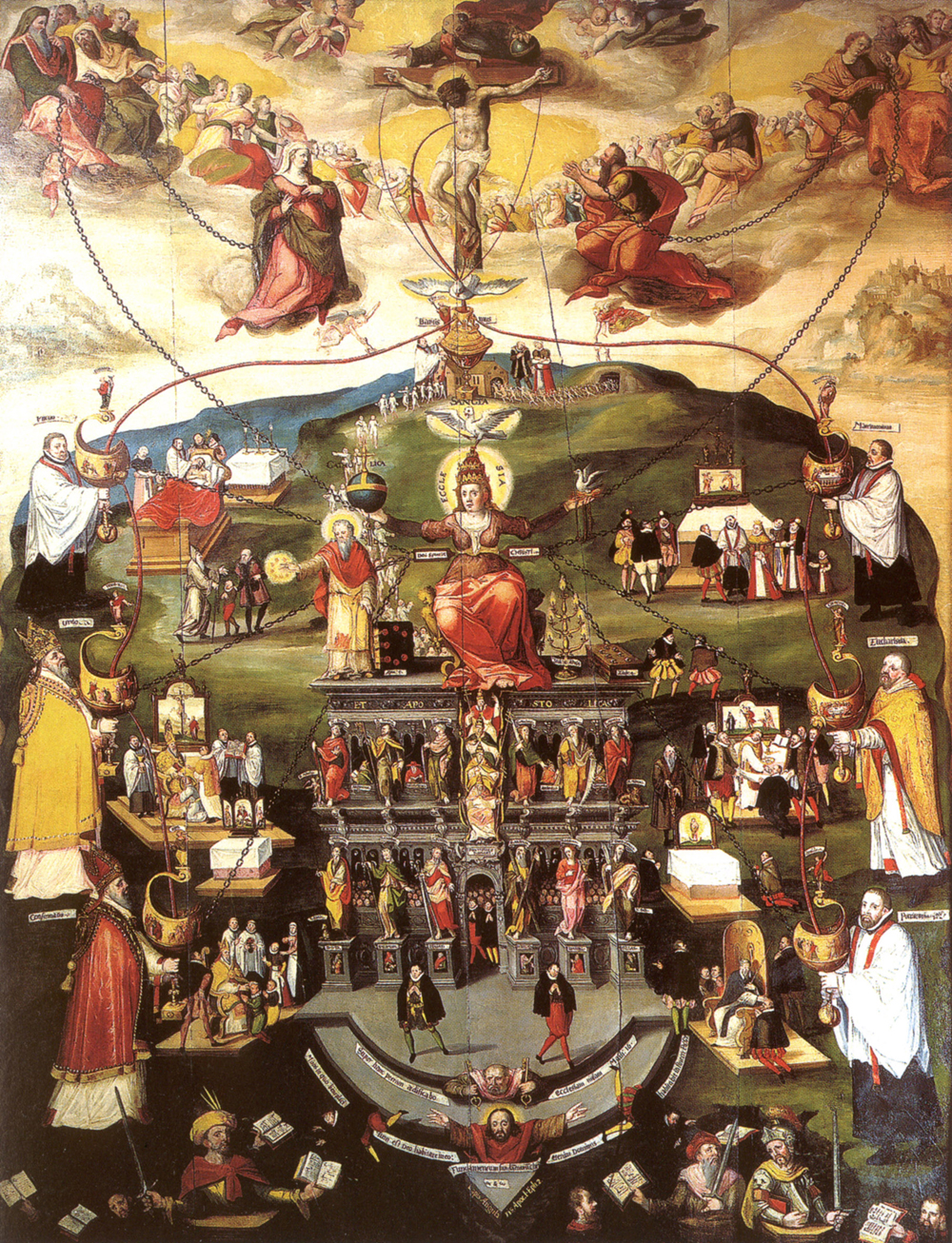 🇬🇷 GreeceSacred mysteriesμυστήριον
Secret ceremonies and divine doctrines held to exceed human reasonBelief · Speaking with spirits and the dead · Change and initiation Living
🇬🇷 GreeceSacred mysteriesμυστήριον
Secret ceremonies and divine doctrines held to exceed human reasonBelief · Speaking with spirits and the dead · Change and initiation Living
Photo credits on this page
The small pictures above come from Wikimedia Commons under free licences. Some are cropped to fit.
- Yule log: Pehr Arvid Säve (1811—1887), Public domain, source
- Alfonso X of Castile: Otto Posse (1847-1921), Public domain, source
- Tagalog religion: The original uploader was Rodsan18 at English Wikipedia . ( Original t, CC BY 2.5, source
- Haitian Vodou: Sam Fentress, CC BY-SA 2.0, source
- Magi: Colijn de Coter, CC0, source
- Éliphas Lévi: Eliphas Lévi [1810-1875], Public domain, source
- Archeosofica: Unknown author, Public domain, source
- Pentagram: Tomruen, Attribution, source
- Satanism: Alexandre Cabanel, Public domain, source
- Necromancy: Unknown author, CC BY 4.0, source
- Renaissance magic: Unknown author, Public domain, source
- Aetherius Society: Hjamesberglen, CC0, source
- John Dee: Unidentified painter, Public domain, source
- Face tattoo: Gottfried Lindauer, Public domain, source
- Sacred mysteries: Johannes Hopffe, Public domain, source
- Snake worship: Alexandermcnabb, CC BY-SA 4.0, source
- Sacred dance: Jorge Barrios, CC BY-SA 3.0, source
- Serbian folklore: Uroš Predić, Public domain, source
- Religious aspects of Nazism: Unknown author, CC BY-SA 3.0 de, source